


Blue gourd vase Masao Tagai
Blue gourd vase Masao Tagai
Couldn't load pickup availability
Width: 13.3cm x 13.3cm Height: 25cm
Celadon flower vase by Masao Tagai
1. Overview of the work
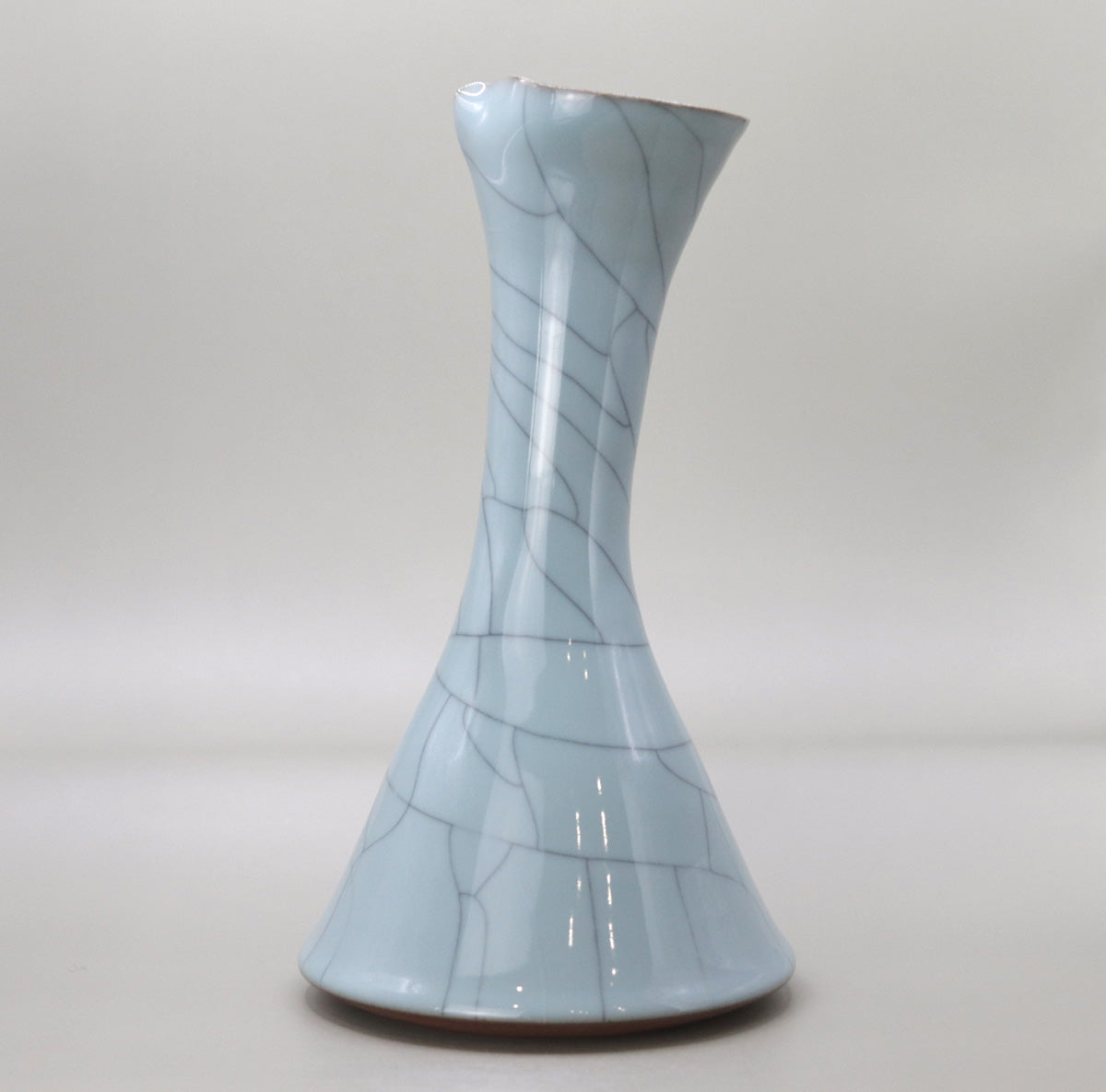
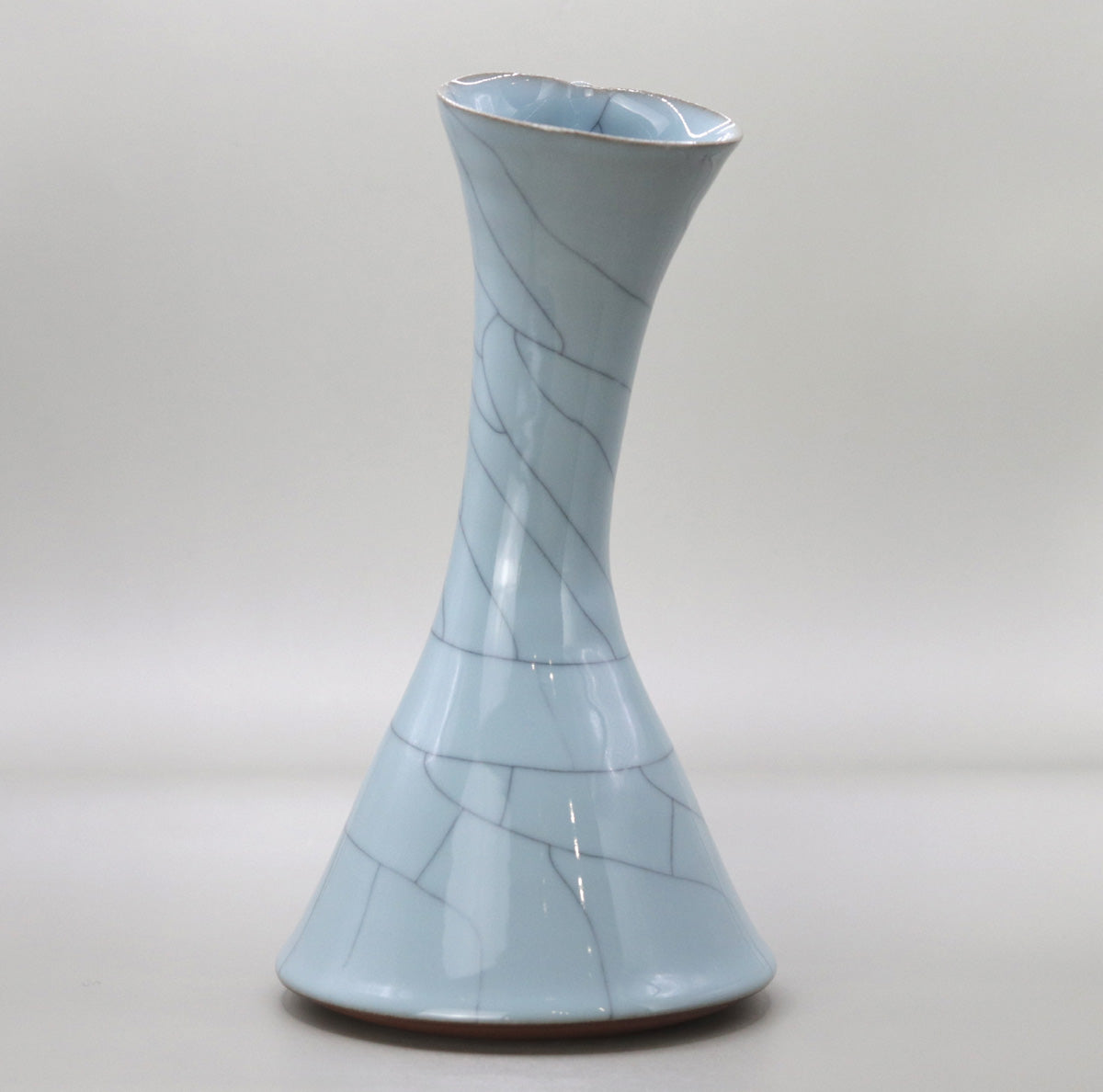
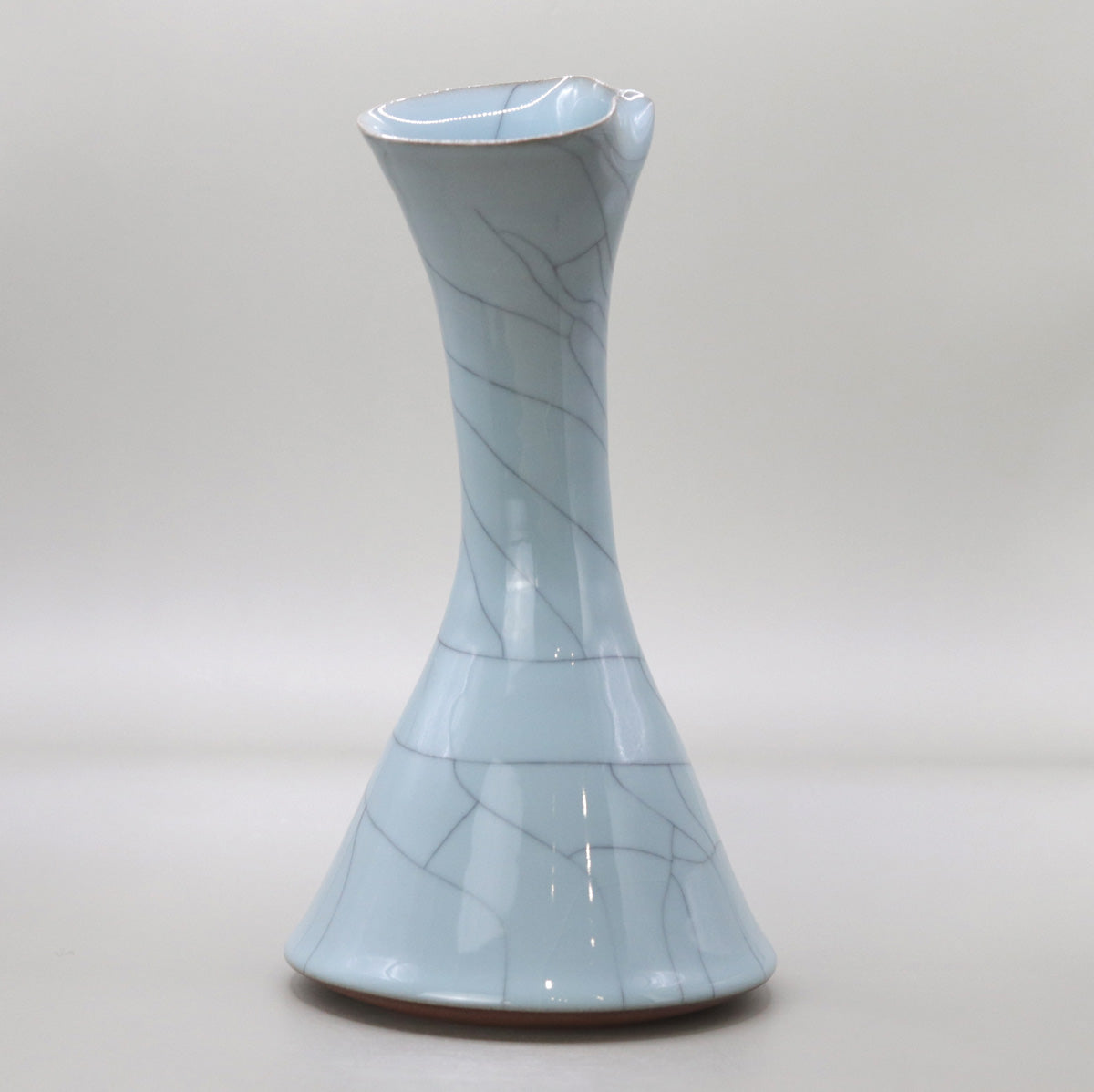
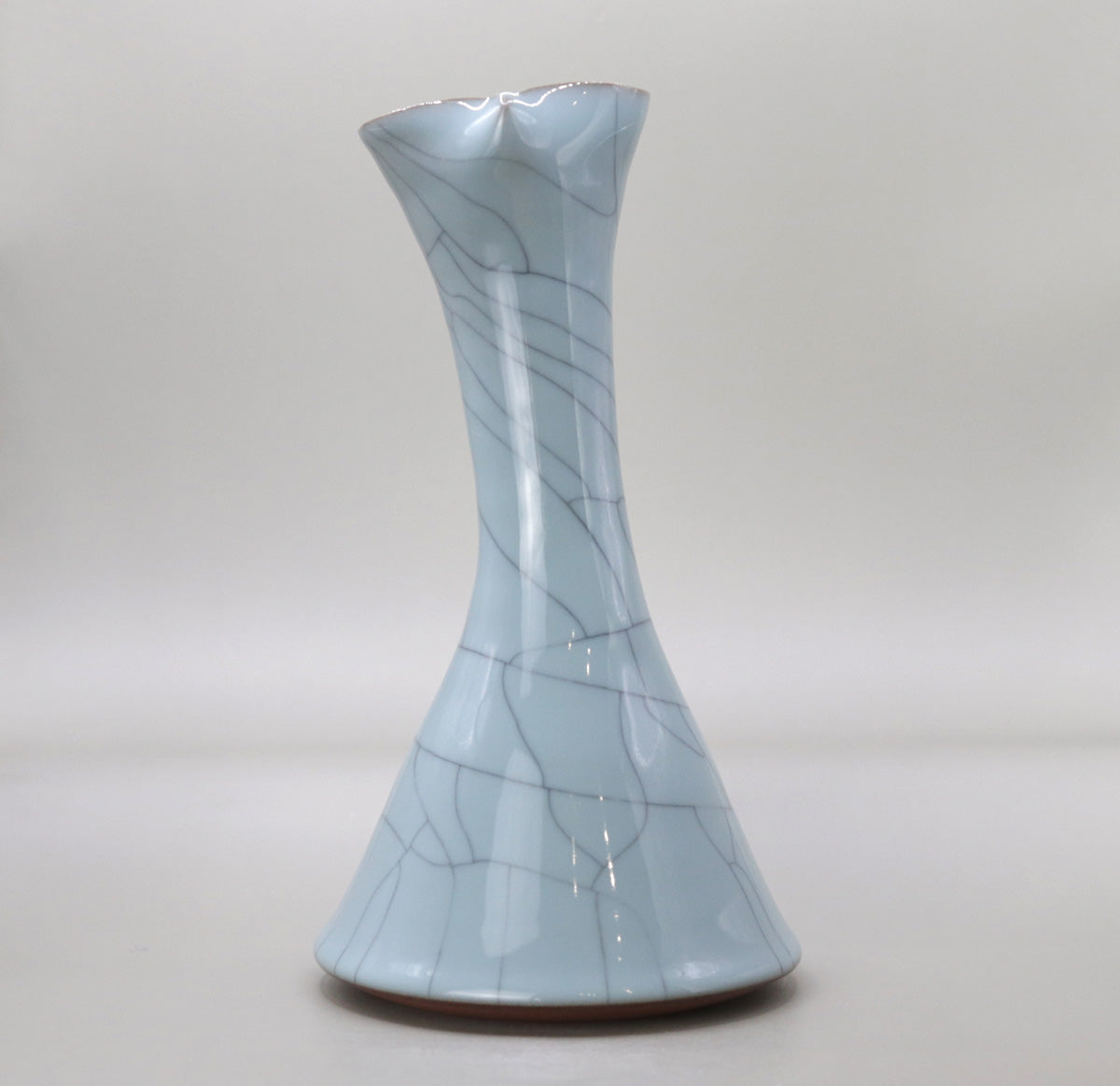
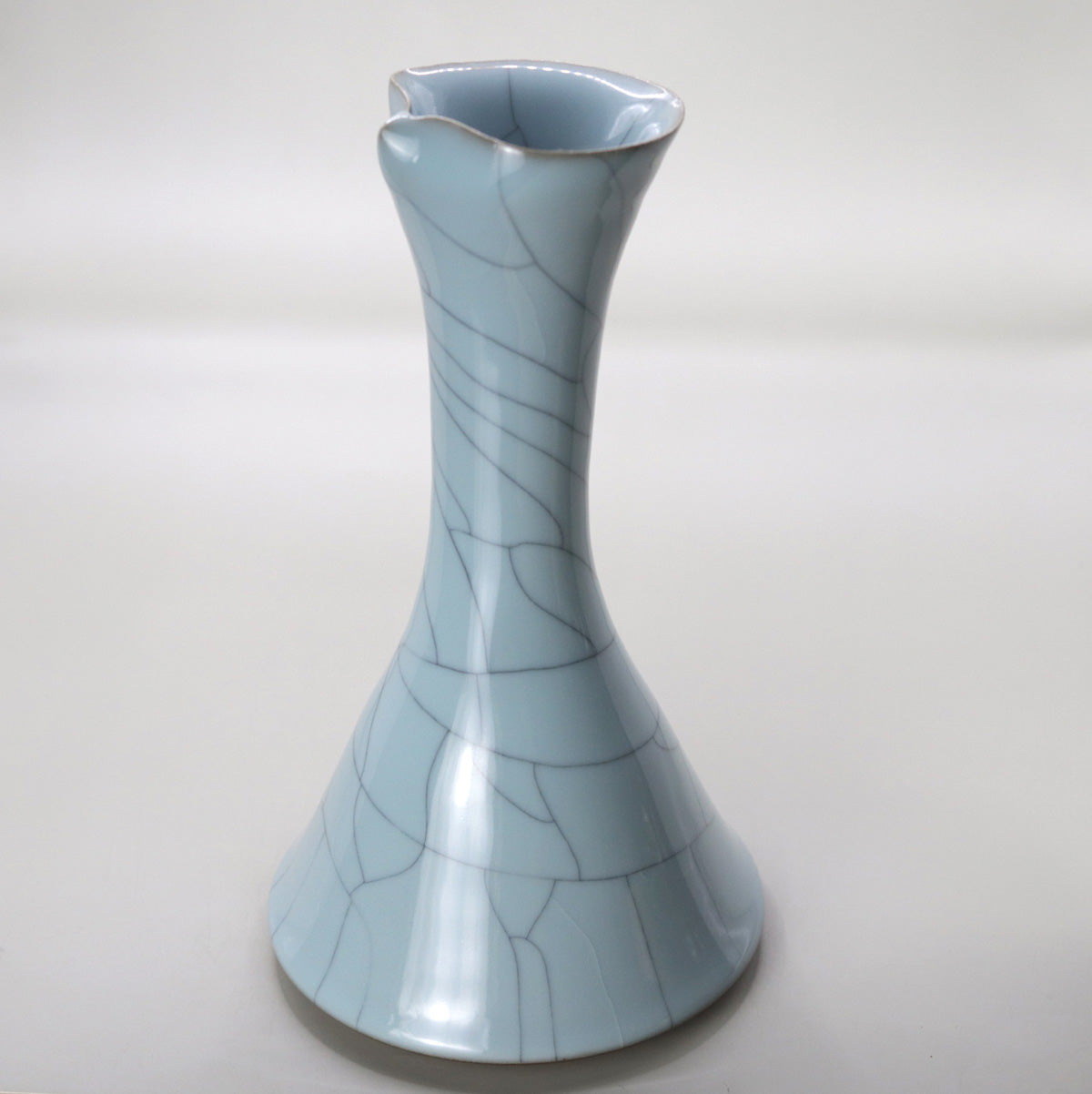
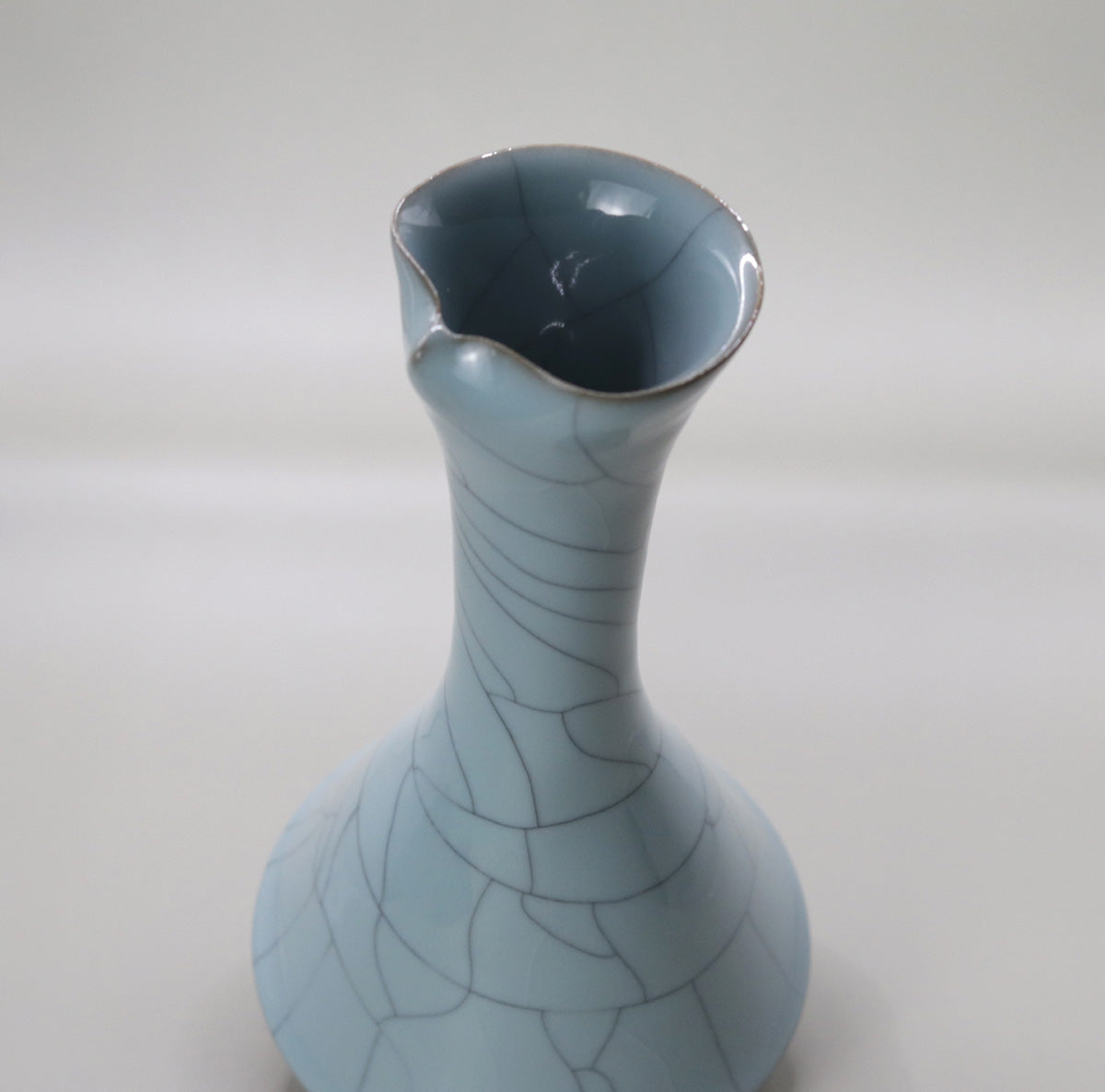
This is a flower vase with an extremely modern silhouette, featuring generous crazes running beneath a clear, sky-blue celadon glaze. From its stable, conical base rises a slender, tapered body, and its wide, trumpet-shaped rim—the entire piece is enveloped in a dynamic movement, like a twisted cloth carrying the wind, creating a light rhythm in the space in which it is placed. Large ink-dyed crazes gracefully intertwine on the mirror-smooth glaze, creating a wonderful harmony between the serenity of the celadon and the dynamic lines.
2. Shape and glaze
| part | Characteristics of the design | Aesthetic and practical effects |
|---|---|---|
| rim | A trumpet-shaped cut with one side slightly pointed. | It enhances the functionality of the flower holder and adds movement to the shape of the vessel. |
| torso | A gentle curve that gives a sense of twist | The flower stalks are naturally close together, maintaining a neat appearance. |
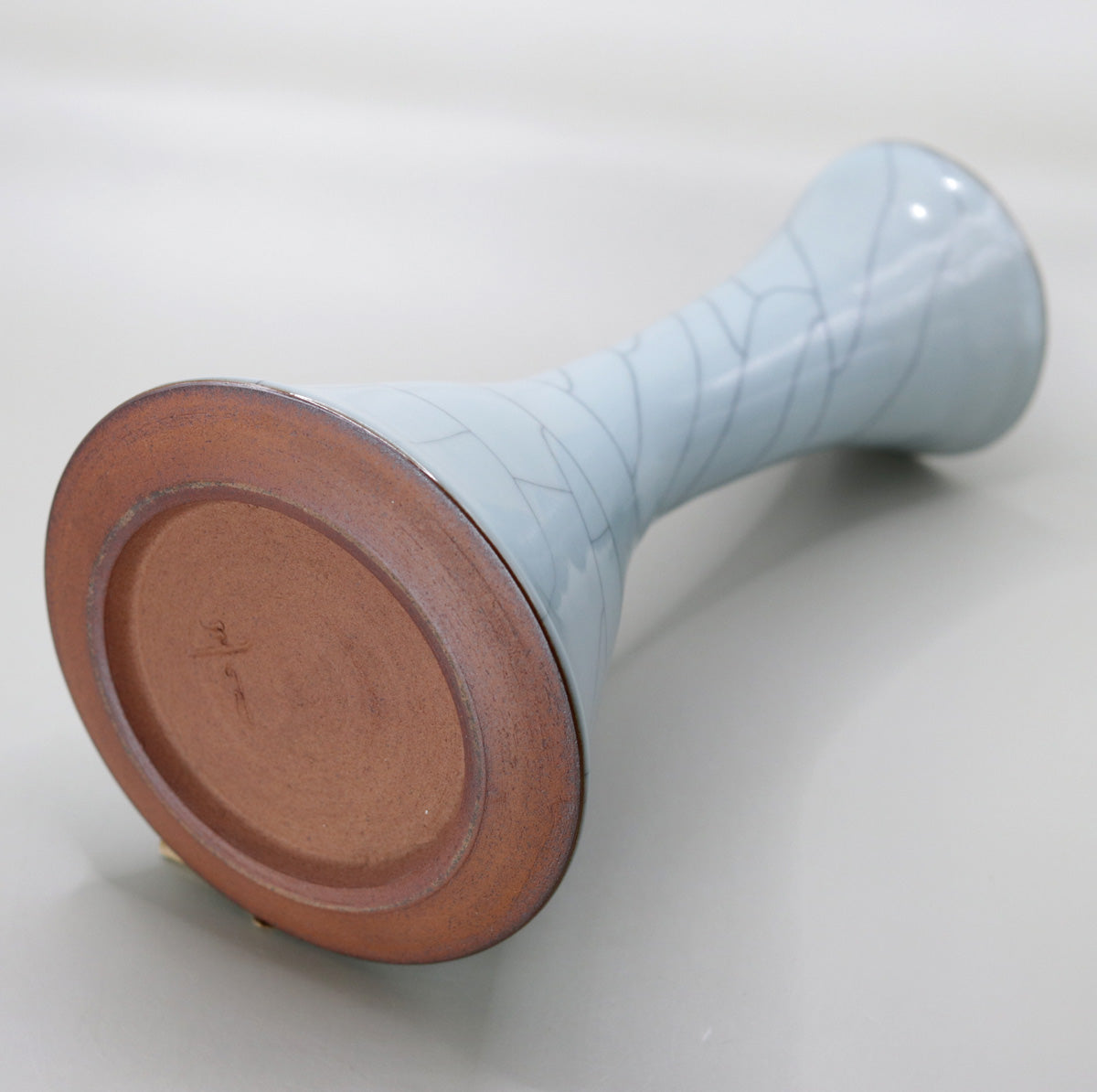
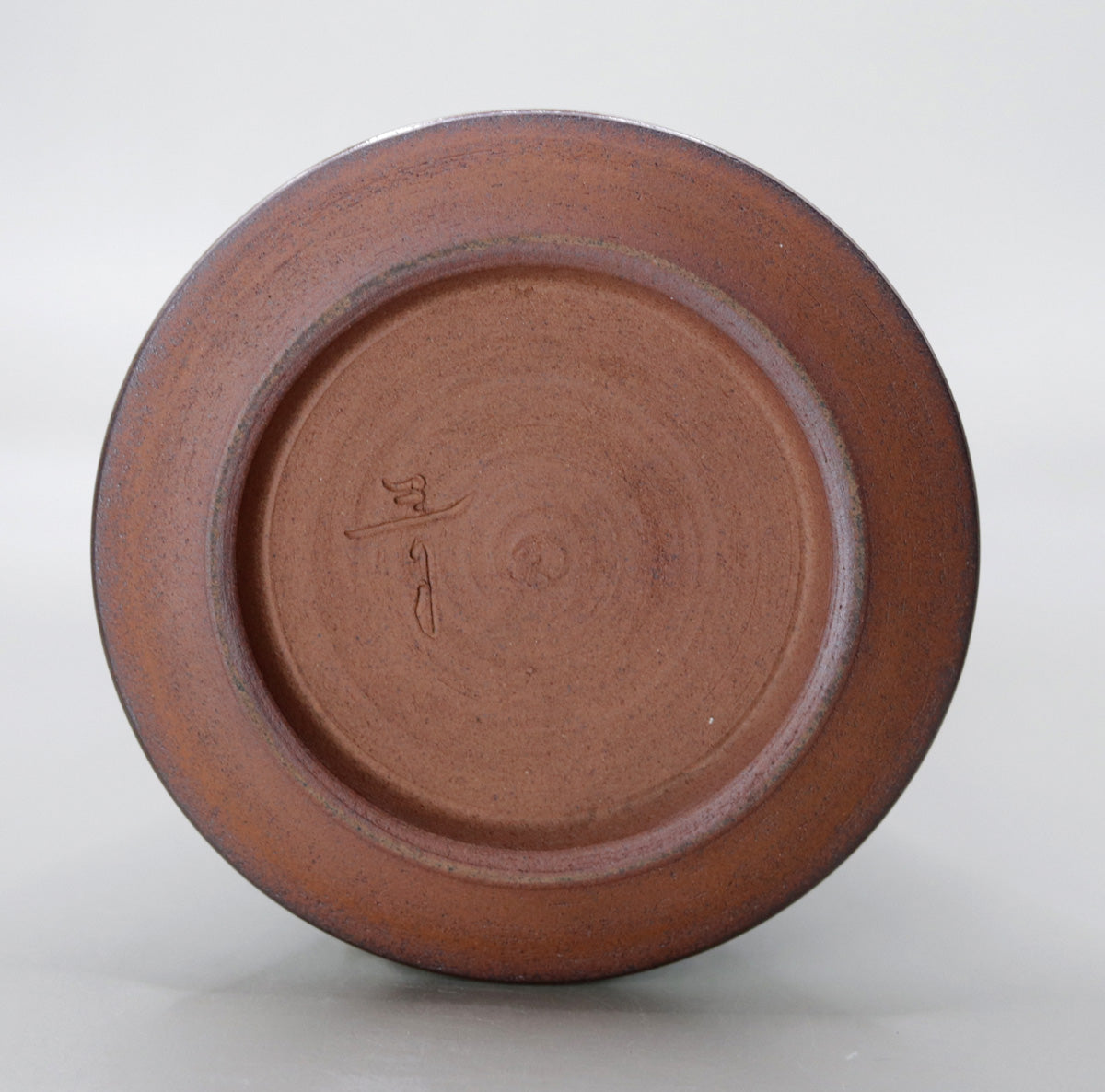
| pedestal | Low, wide cone | It provides both visual stability and resistance to tipping. |
| Glaze tone | Thick glaze with large pale blue and black crackles | It emphasizes the contrast between stillness and movement, and is gorgeous even from a distance. |
3. Production techniques and intentions
As a full member of the Japan Kogei Association, Masao Tagai continues to research thick celadon glazes and crazing. In this piece, he gently twists the body after forming it on the potter's wheel, and then fine-tunes the curves by carving, resulting in a form that has a sense of flow even when the piece is stationary. The thick glaze is adjusted to a high viscosity to prevent excessive dripping, and rapid cooling after firing creates wide fissures on the glaze surface. The piece is then dyed in ink using boiling water, highlighting the lines. These are the key techniques.
4. Historical and cultural background
Trumpet-mouth vases have their origins in the "celestial sphere vases" of the late Ming and early Qing dynasties in China, but the twisting design is a feature of modern Japanese ceramics. By giving a dynamic form to the tranquil material of celadon, this is a modern attempt to bridge the "quiet beauty" of Song Dynasty Longquan celadon and the "dynamic beauty" sought after by Momoyama tea ware.
5. Examples of combinations with flower materials
| season | Recommended flower materials | Points to consider |
|---|---|---|
| spring | A branch of wild cherry blossoms | By following the opening of the rim, the curve and the extension of the branches correspond to each other. |
| summer | Dahlia (single) | The vividness of the petals stands out against the pale blue of the body, creating a cool yet vibrant look. |
| autumn | Watermarked lily | The straight flower stems emphasize the curved surface and create depth in the shadows. |
| winter | Nandina berries | The red berries stand out against the blue glaze and ink lines, creating a dignified atmosphere. |
6. Viewing points
Rhythm of the cracks <br data-end="1326" data-start="1323">When light is shone at an angle, the cracks take on shadows, emphasizing their spiral movement.
Reflected Scenery <br data-end="1381" data-start="1378">The mirror glaze softly reflects the surroundings, and we recommend using it to project the flickering of candles at tea ceremonies.
Changes in the iron rim over time <br data-end="1444" data-start="1441">The silver-gray color of the rim will develop a darker luster with use and handling, deepening the contrast with the pale blue.
This "Celadon Vase" is the pinnacle of modern celadon, with its clear blue color, bold form, and large, crazed lines. Simply placing a single seasonal flower in it will create a light rhythm in the space, and as the crazed lines deepen over the years, a story will unfold alongside the vessel. We hope you will enjoy using it for many years to come and enjoy the changes created by the flowers and light.
Share
-
[I will send it to you quickly and carefully]
We carefully package each product in a way that suits it best.
Also, delivery times vary depending on the piece (vessel, etc.).
Items that already come with a box will be shipped within 1-3 days of the order date.
For items that require a box to be made after your order, it will take approximately 30 days for production to be completed and then shipped.
In either case, once we have confirmed your order, we will contact you by email to inform you of the delivery date.
-
[Requests when purchasing pottery]
Even products that look the same may differ slightly in color, shape, size, etc.
The way the glaze is used, the power of the kiln, the firing method, the season, and the humidity also affect the appearance of the pottery.
Please understand the individuality of each piece of pottery and enjoy the unique warmth of handmade.