


Irabo Tea Bowl by Bunsai Ogawa
Irabo Tea Bowl by Bunsai Ogawa
Couldn't load pickup availability
Width: 12.0cm x 12.0cm Height: 8.0cm
Poetry of the rough soil, skin woven with time - Irabo tea bowl, made by Ogawa Bunsai VI (Kyo)
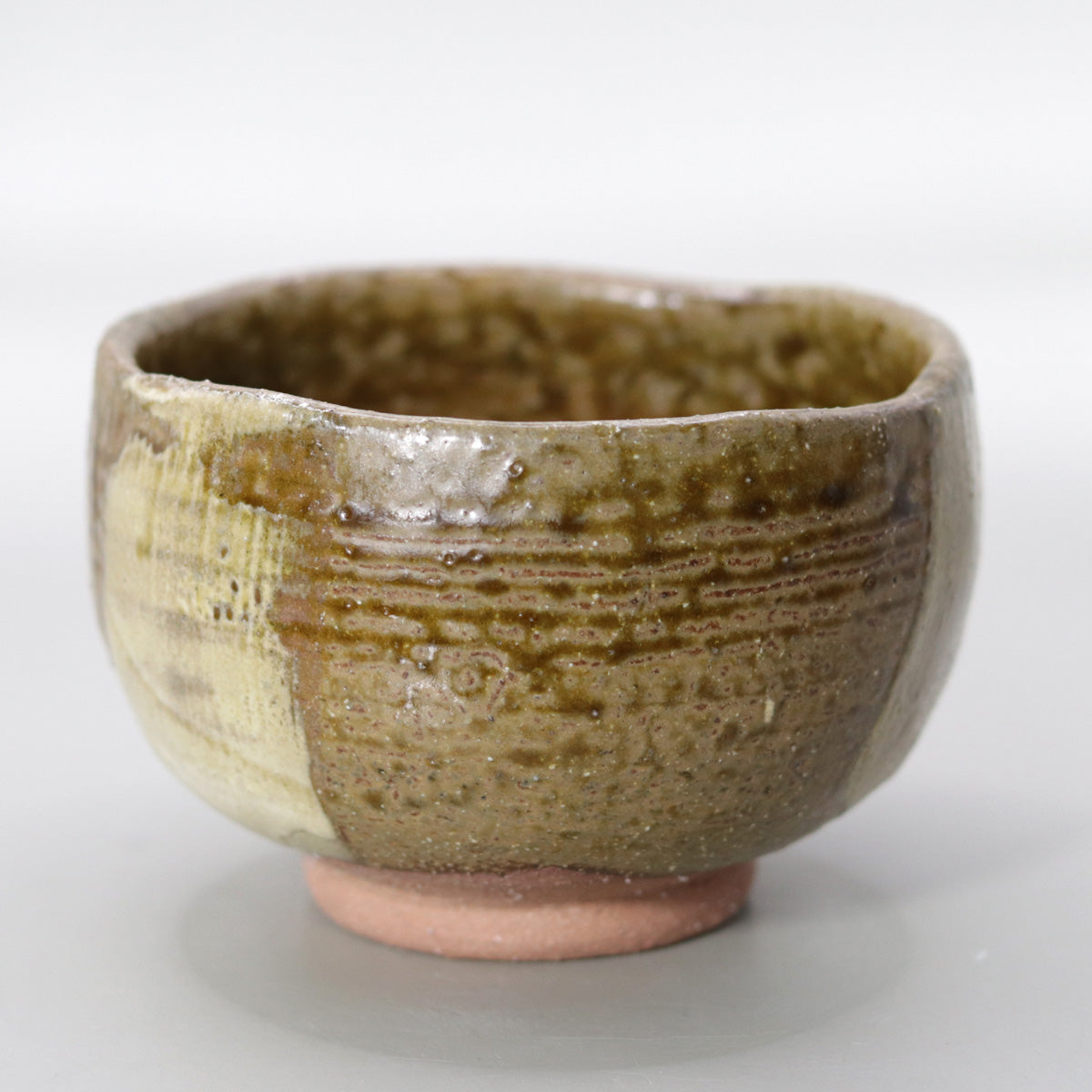
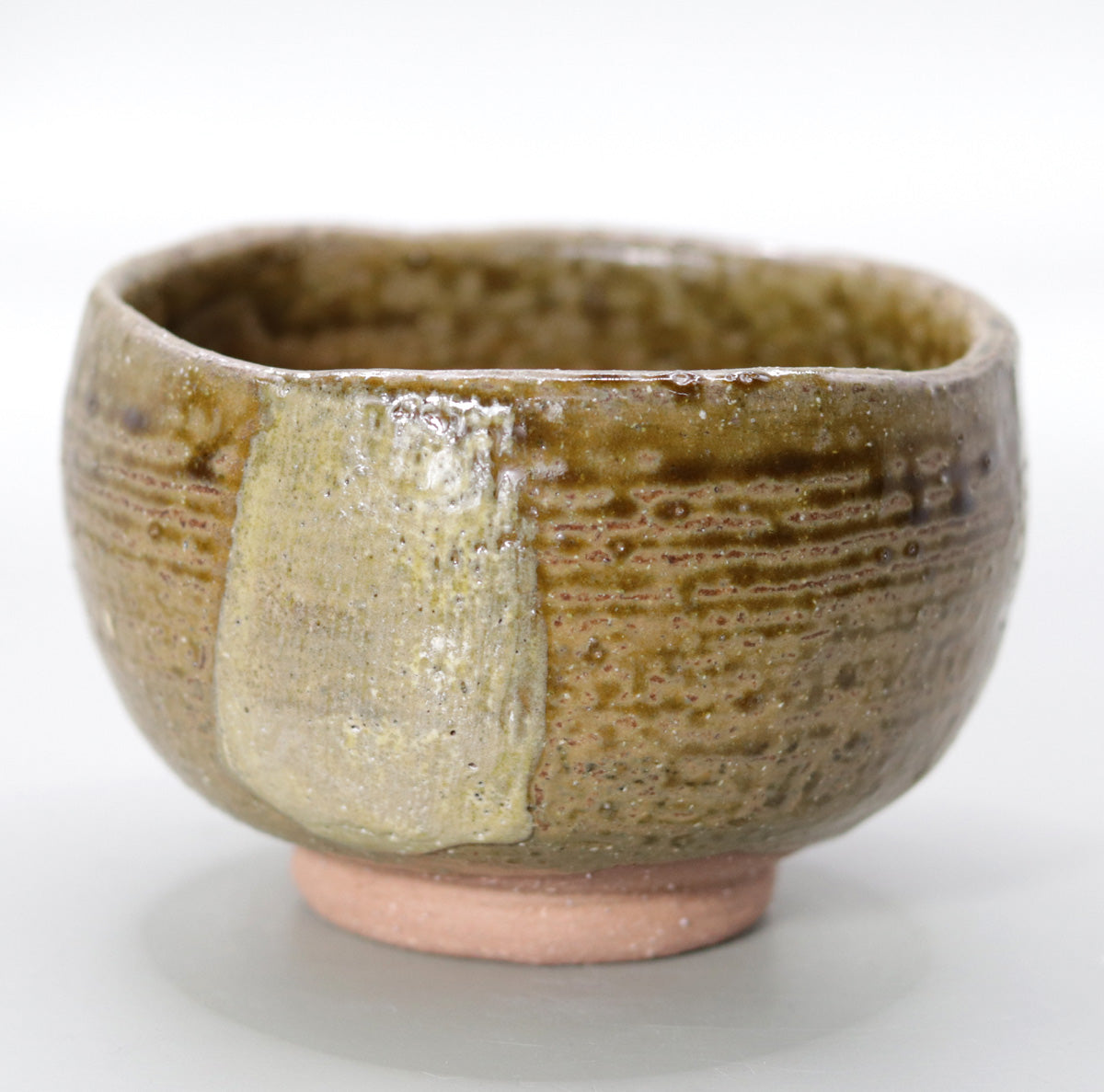
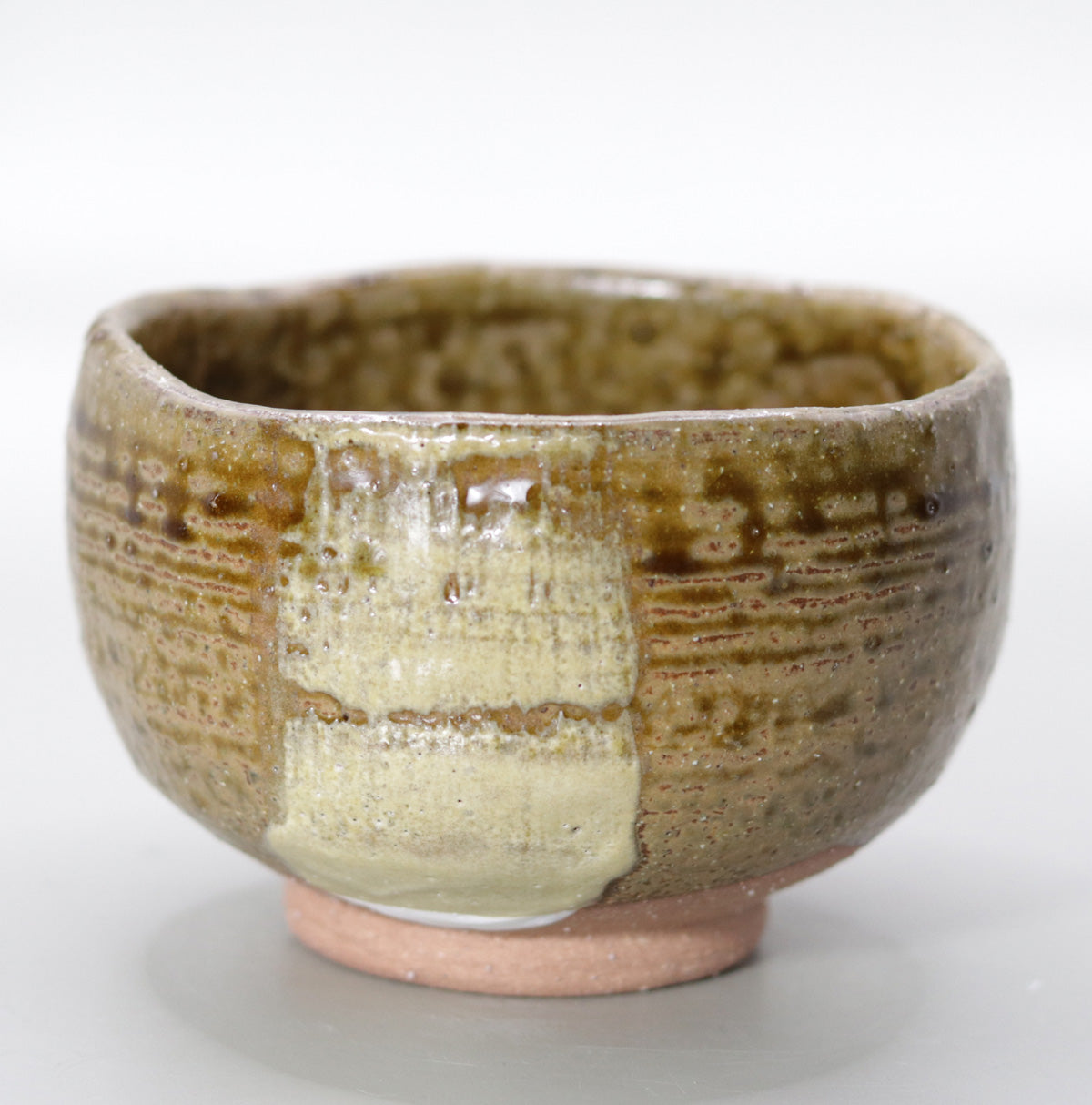
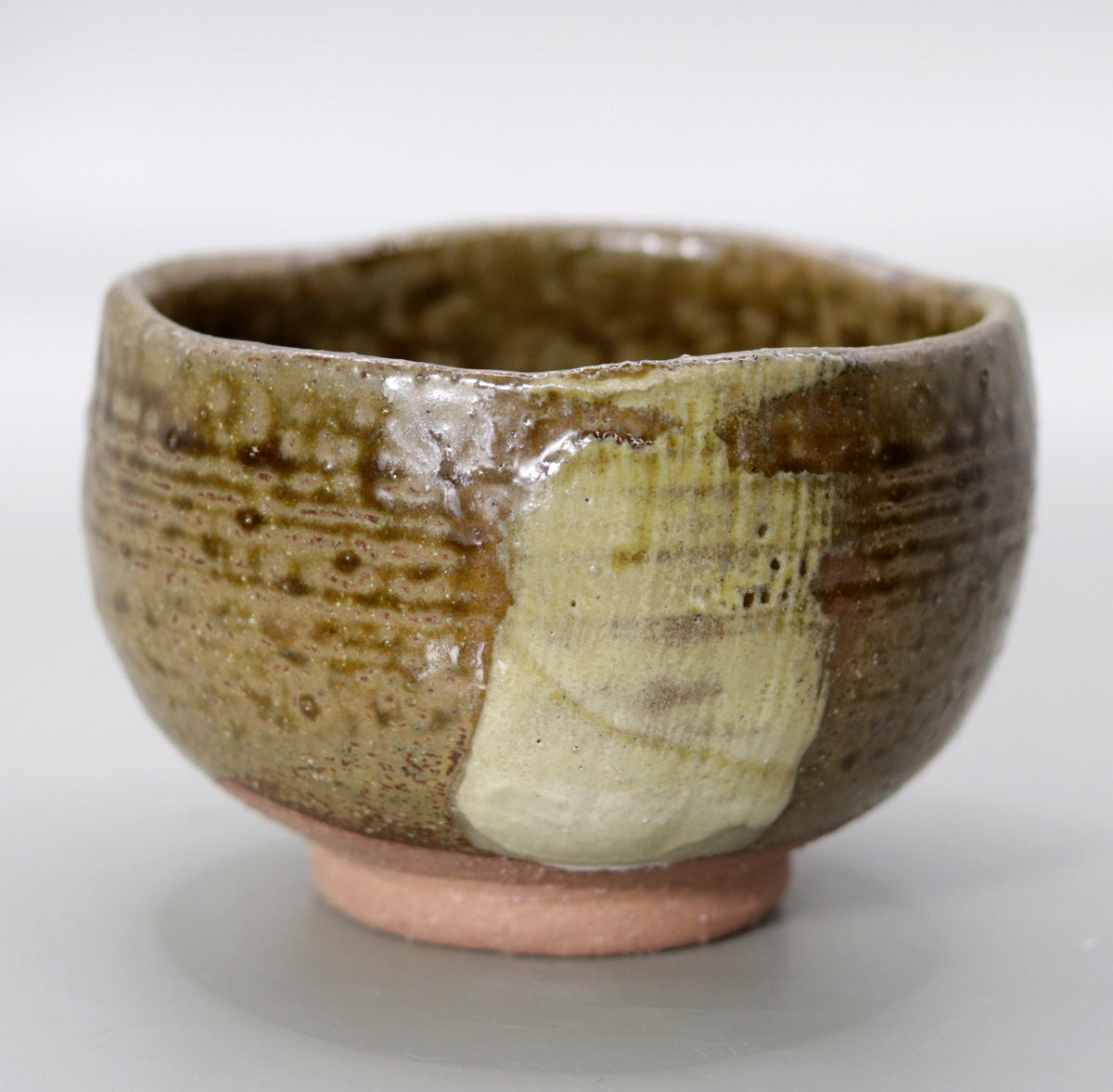
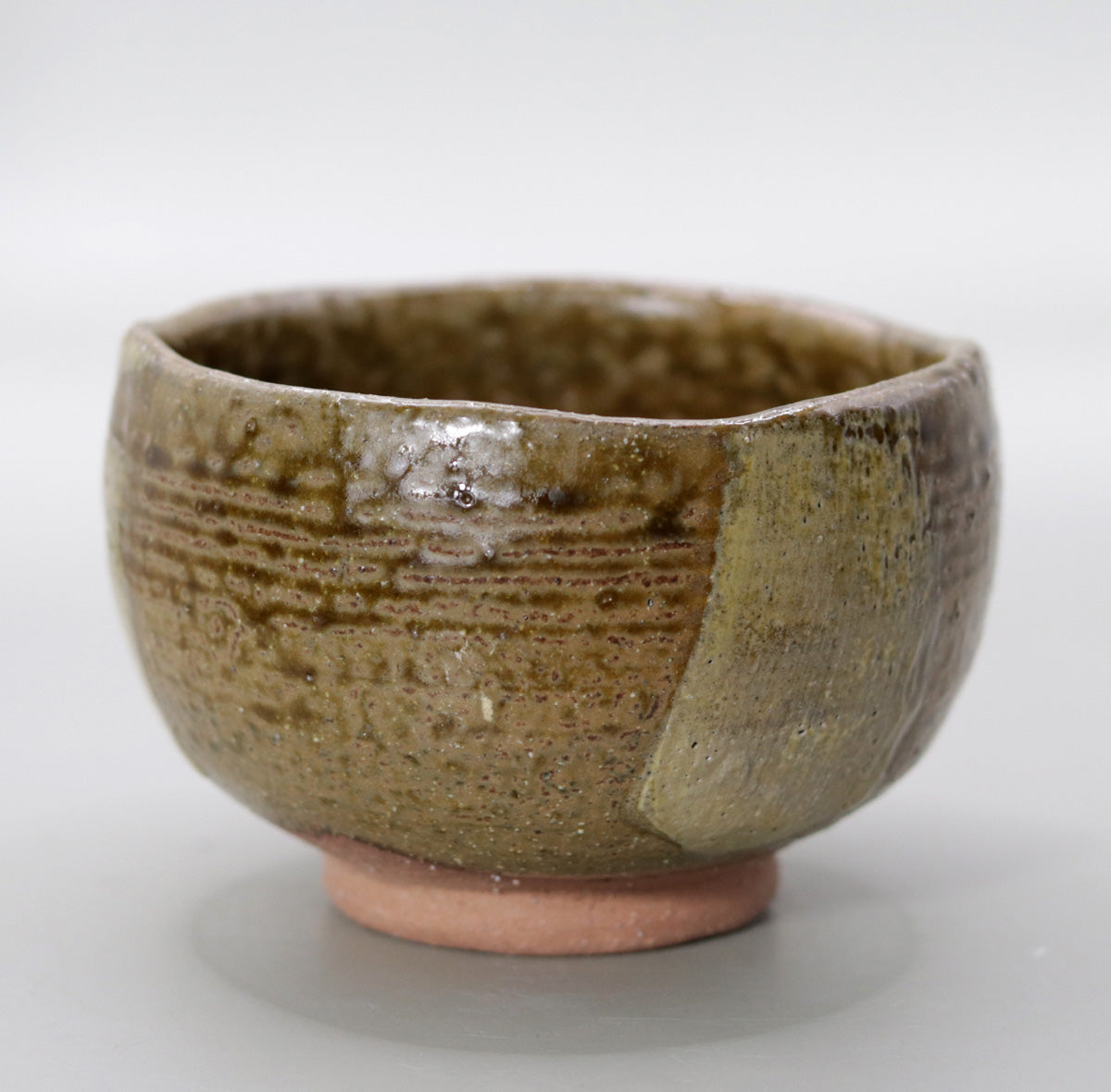
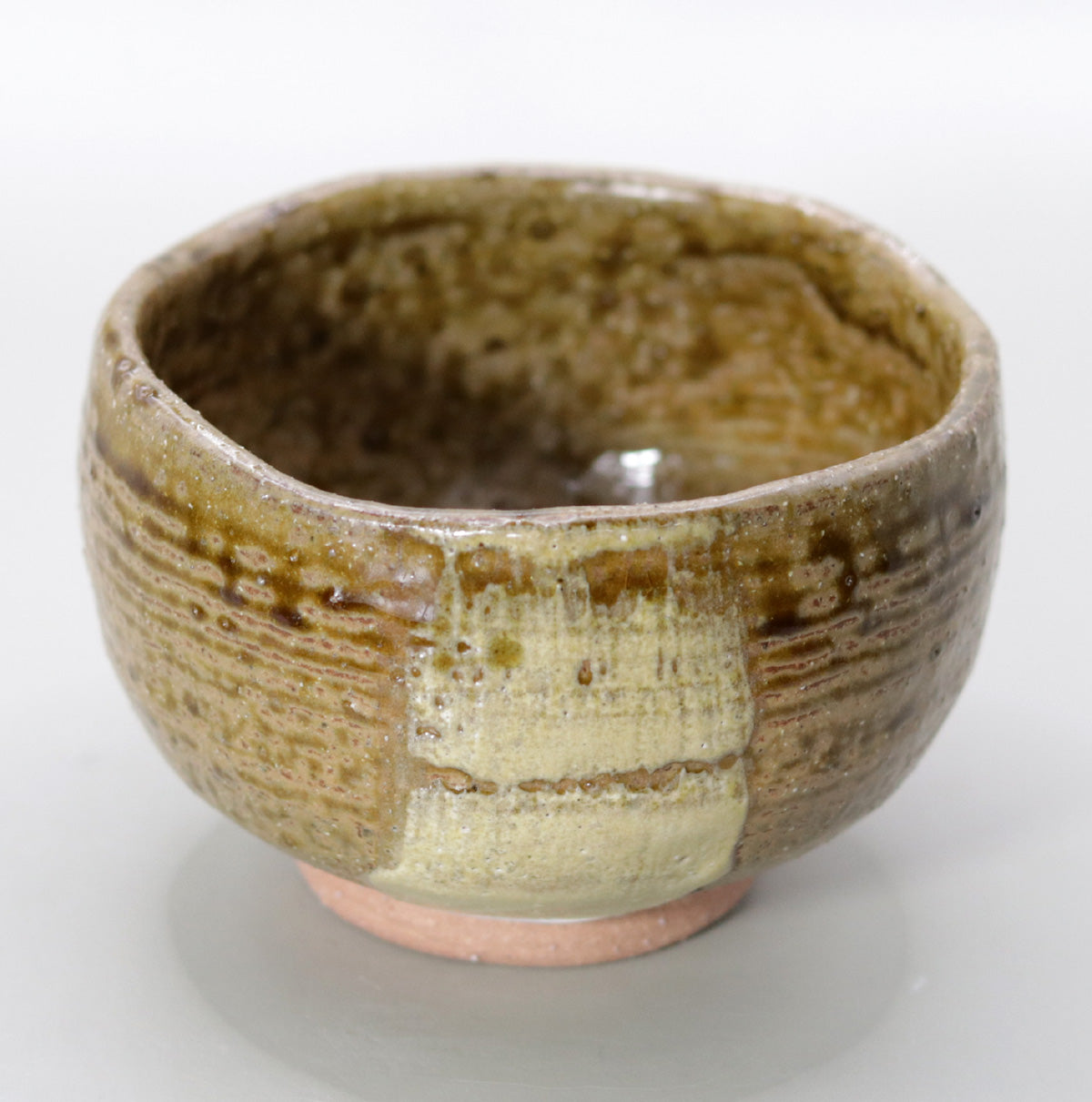
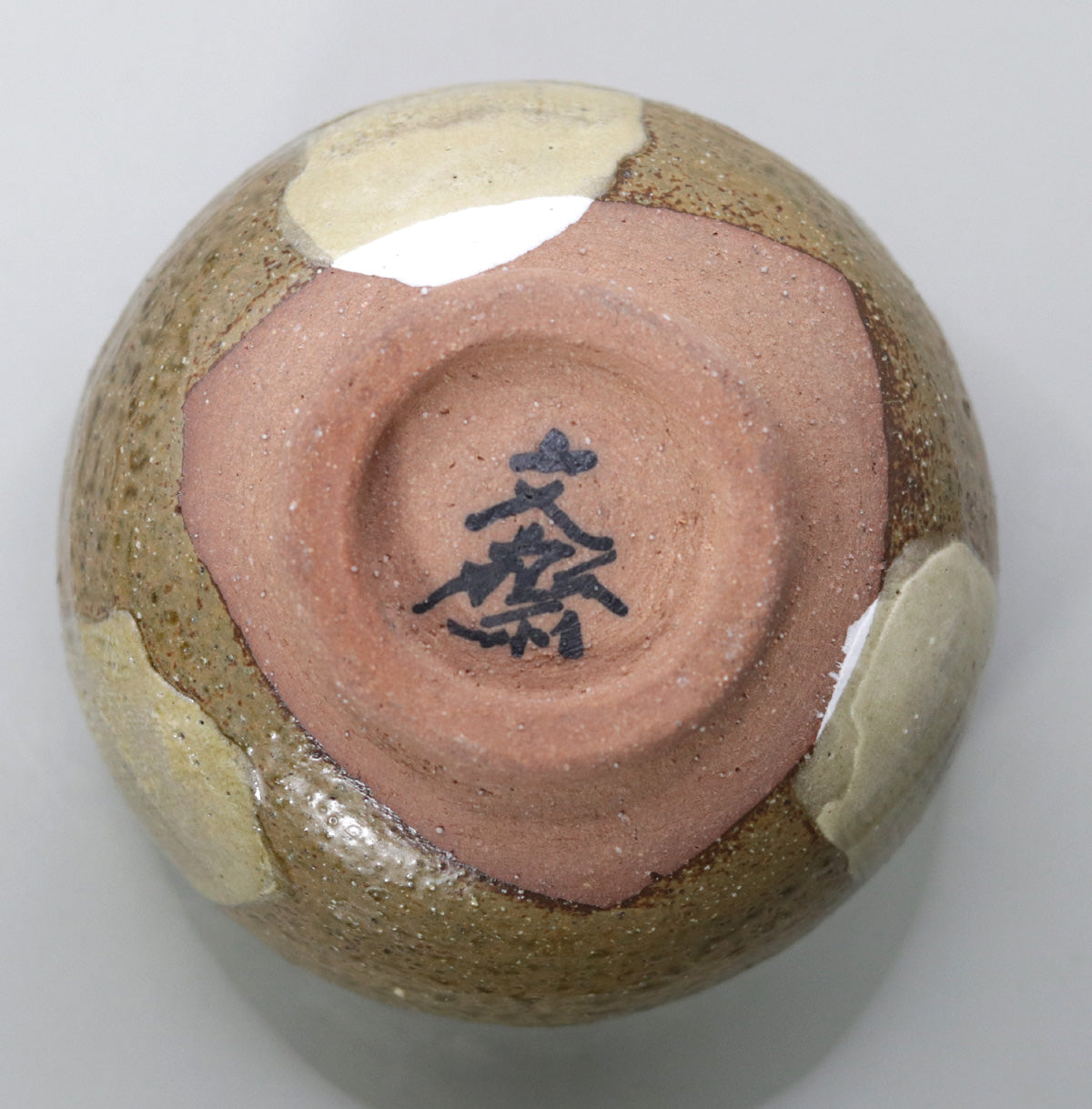
This bowl is an "Irabo" tea bowl made by the sixth generation Ogawa Bunsai (Oki). The clay has a rough yet warm texture, as if the particles of time were sealed in it. The clay is rich in iron, and the ash glaze from firing has seeped in slightly. The flow of the glaze and the traces of the clay overlap in a complex way, revealing the unique rough beauty and ancient elegance of Irabo.
The moment we touch this vessel, we are enveloped in the natural flow of time. The original scenery of the tea ceremony is so alive that it gives the illusion of being held in someone's hands in a centuries-old tea room.
The origins of Irabo and the lineage of tea ware
Irabo ware originated as miscellaneous utensils from the Korean Peninsula, and was first produced in Japan by potters who came to Japan during the Bunroku-Keicho Ware in the late 16th century. Its origins lie in Korean "buncheong ware" and "ash-glazed pottery," and it is characterized by a strong texture achieved by the coarse clay and simple glaze.
This simple, rough texture resonated strongly with the aesthetic sense of tea masters such as Sen no Rikyu, and it came to be highly valued as the ultimate example of "beauty of utility" or "wabi-sabi." In particular, it was known to have been favored by Sakai merchant Tsuda Souki, and some of his vessels remain, becoming known as "Souki Irabo."
The true essence of Irabo lies in its lack of pursuit of perfect shapes or gorgeous glazes. The roughness of the clay itself, the unevenness of the molding, the unevenness of the glaze, and the changes that occur during firing - all of these are accepted as "natural," and beauty is found in them. This poses questions for us as a new aesthetic sense even in the modern era.
"Modern Irabo" woven by Ogawa Bunsai
This "Irabo Tea Bowl" by Ogawa Bunsai (Ko) VI is a bowl that inherits the traditional Irabo design while being reinterpreted for the modern era using unique techniques and aesthetic sense.
The surface of the vessel is engraved with lines that look as if layers of time have accumulated. These are the marks left by the tools used in shaping the vessel on the potter's wheel, but they also serve as decoration, giving the viewer the impression of natural tree rings. The glaze applied on top is sparse in some places, leaving the clay bare in others, creating an exquisite balance between chance and intention.
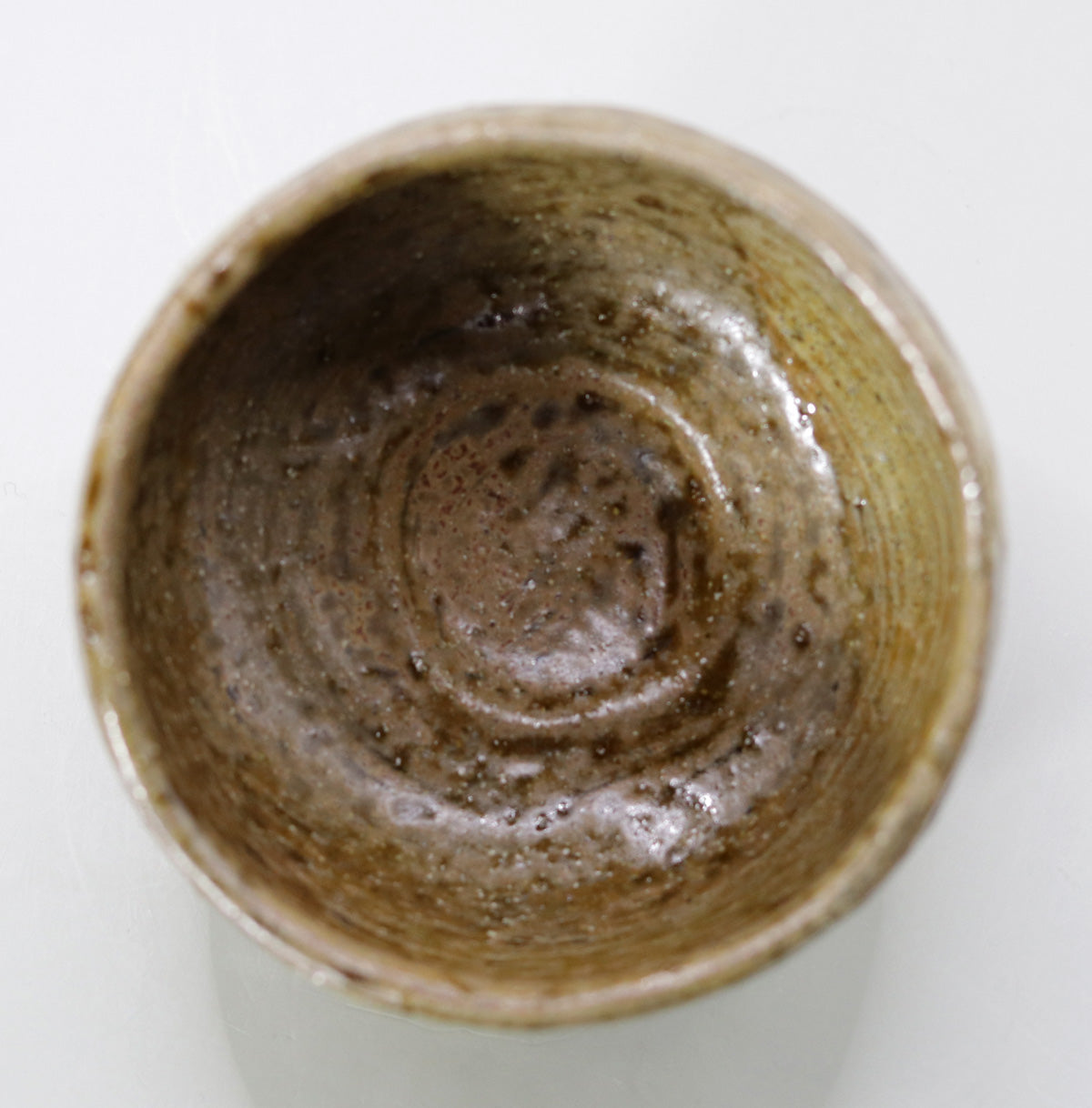
Furthermore, the color of the glaze is not uniform, but rather a gradation from yellowish brown to deep dark brown, creating an appearance that seems to have memorized the temperature changes and air flow during firing. The earth, glaze, and fire—each element shares a moment and is remembered within this small vessel.
The "touch of time" when held in the hand
When you pick it up, you immediately feel its rough surface in your palm. It's not smooth, but it's not unpleasant. Rather, the organic feel, as if the heartbeat of the clay has been preserved, gives it a sensation not found in other tea bowls.
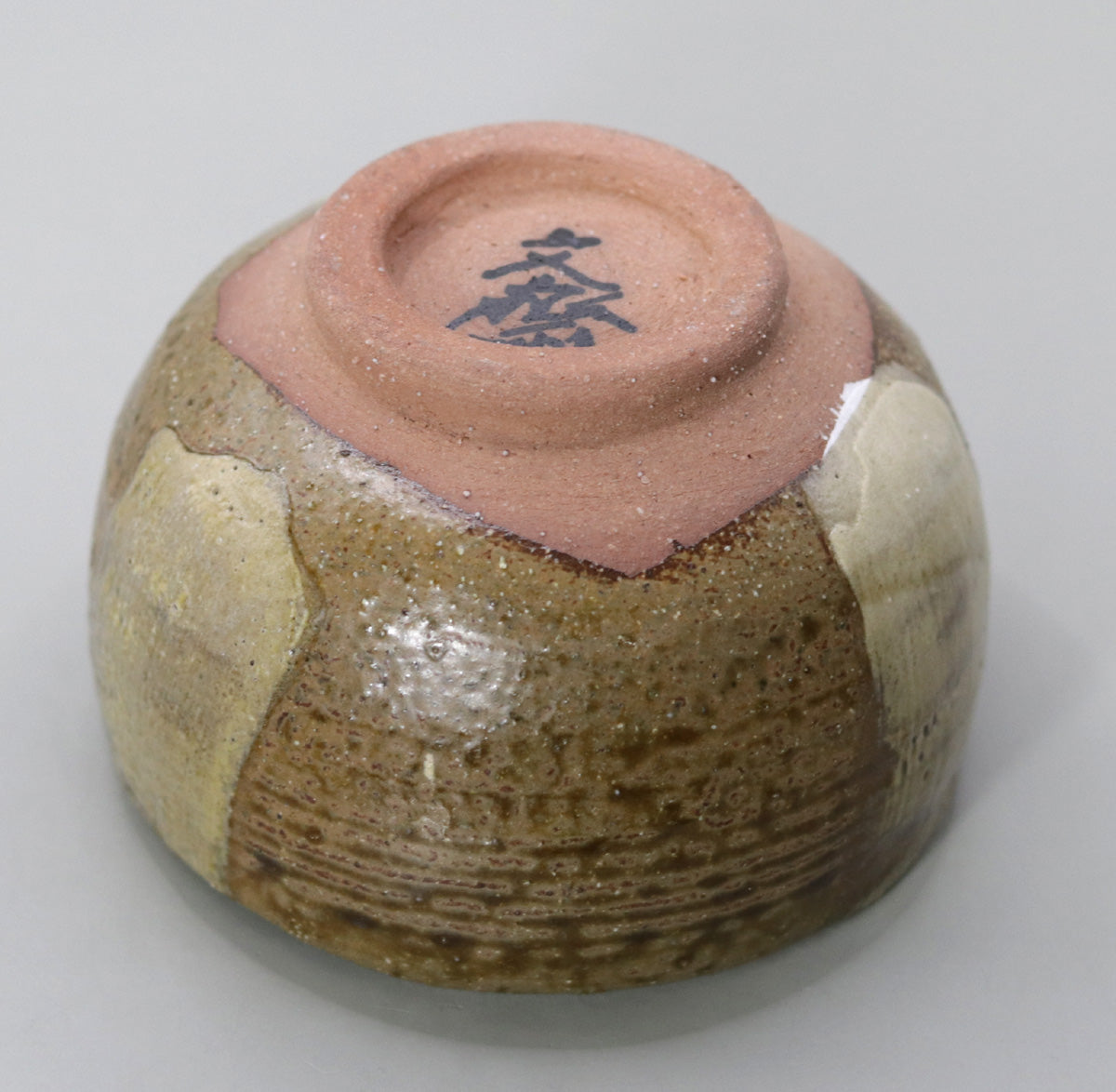
The base is slightly elevated, exposing the red clay of the base, allowing the viewer to appreciate the vitality of the clay itself both visually and sensually. The overall balance is good, it fits comfortably in the hand, and the gentle swaying of the rim creates a softness that seems to change with the wearer's breathing.
A spiritual vessel that connects the pinnacle of wabi to the present day
This "Irabo Tea Bowl" is not simply a reproduction of a traditional style. Through his own aesthetic sense, Bunsai VI has once again breathed new life into the "Irabo" style in modern times.
Ogawa Bunsai, who has pursued a wide variety of forms and color expressions in exhibitions including the Nitten Fine Arts Exhibition and solo exhibitions, has now chosen to take on this simple and strict style. This is a manifestation of his resolve as an artist who reexamines "essential beauty" without relying on elaborate techniques or extravagant designs, and can also be seen as an attempt to rediscover the value of "wabi" with a modern perspective.
A story told by the earth and painted by the fire in a bowl
This Irabo tea bowl has something more fundamental that transcends technique and skill. The breath of the clay, the flow of the glaze, the traces of fire, and the memory of time—all these are intricately intertwined, yet quietly form a single world.
It is unobtrusive, silent, and simply there. Yet it gently touches the sensibilities of those who see it, and deeply touches the hearts of those who hold it. Within that stillness, the spirit of the tea ceremony still pulsates.
Please experience the spirit of "beauty in utility" that has been passed down for hundreds of years through this "Irabo tea bowl."
Even as times change, some things remain constant - feel that certainty in the palm of your hand.
Share
-
[I will send it to you quickly and carefully]
We carefully package each product in a way that suits it best.
Also, delivery times vary depending on the piece (vessel, etc.).
Items that already come with a box will be shipped within 1-3 days of the order date.
For items that require a box to be made after your order, it will take approximately 30 days for production to be completed and then shipped.
In either case, once we have confirmed your order, we will contact you by email to inform you of the delivery date.
-
[Requests when purchasing pottery]
Even products that look the same may differ slightly in color, shape, size, etc.
The way the glaze is used, the power of the kiln, the firing method, the season, and the humidity also affect the appearance of the pottery.
Please understand the individuality of each piece of pottery and enjoy the unique warmth of handmade.