
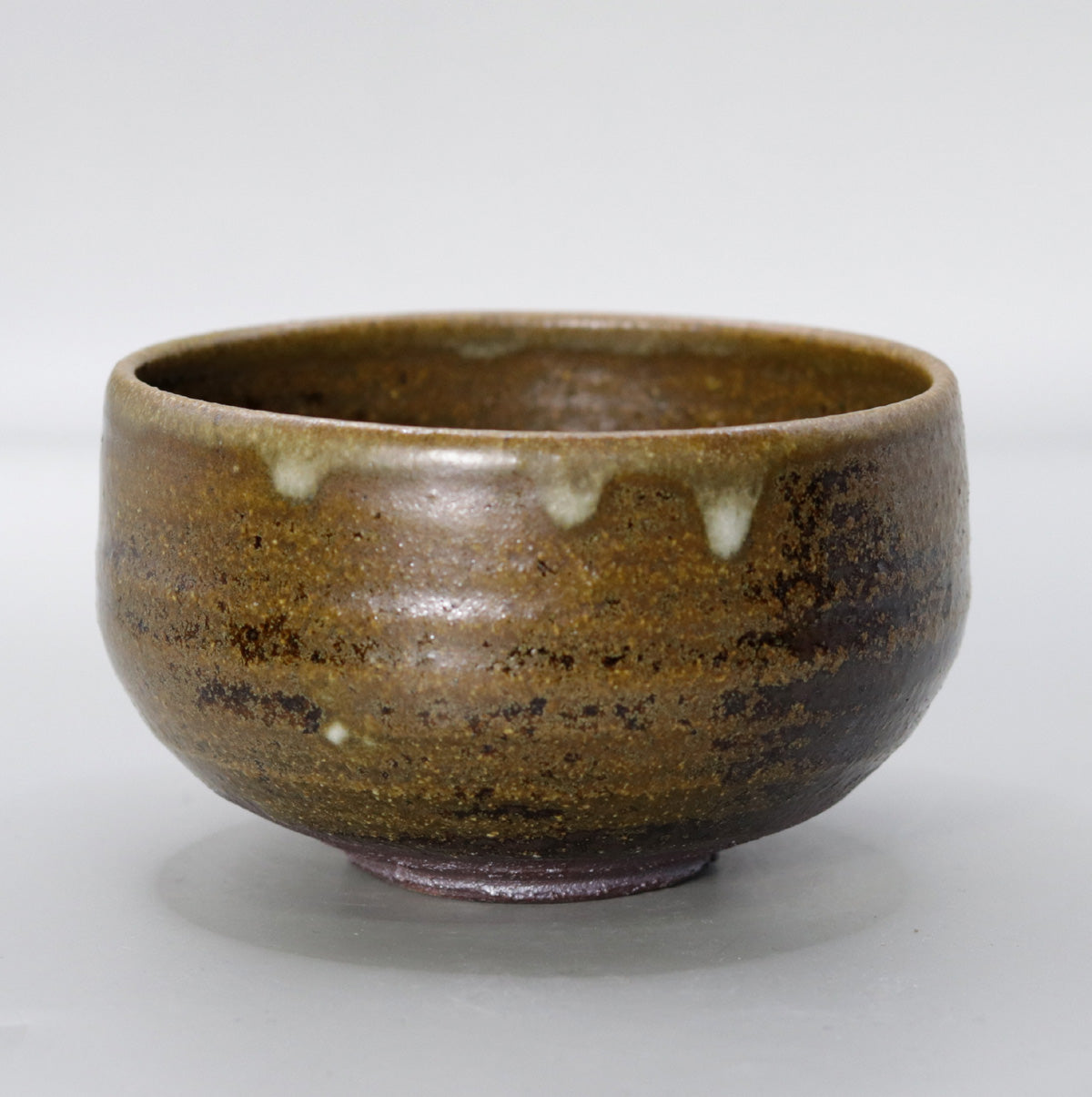
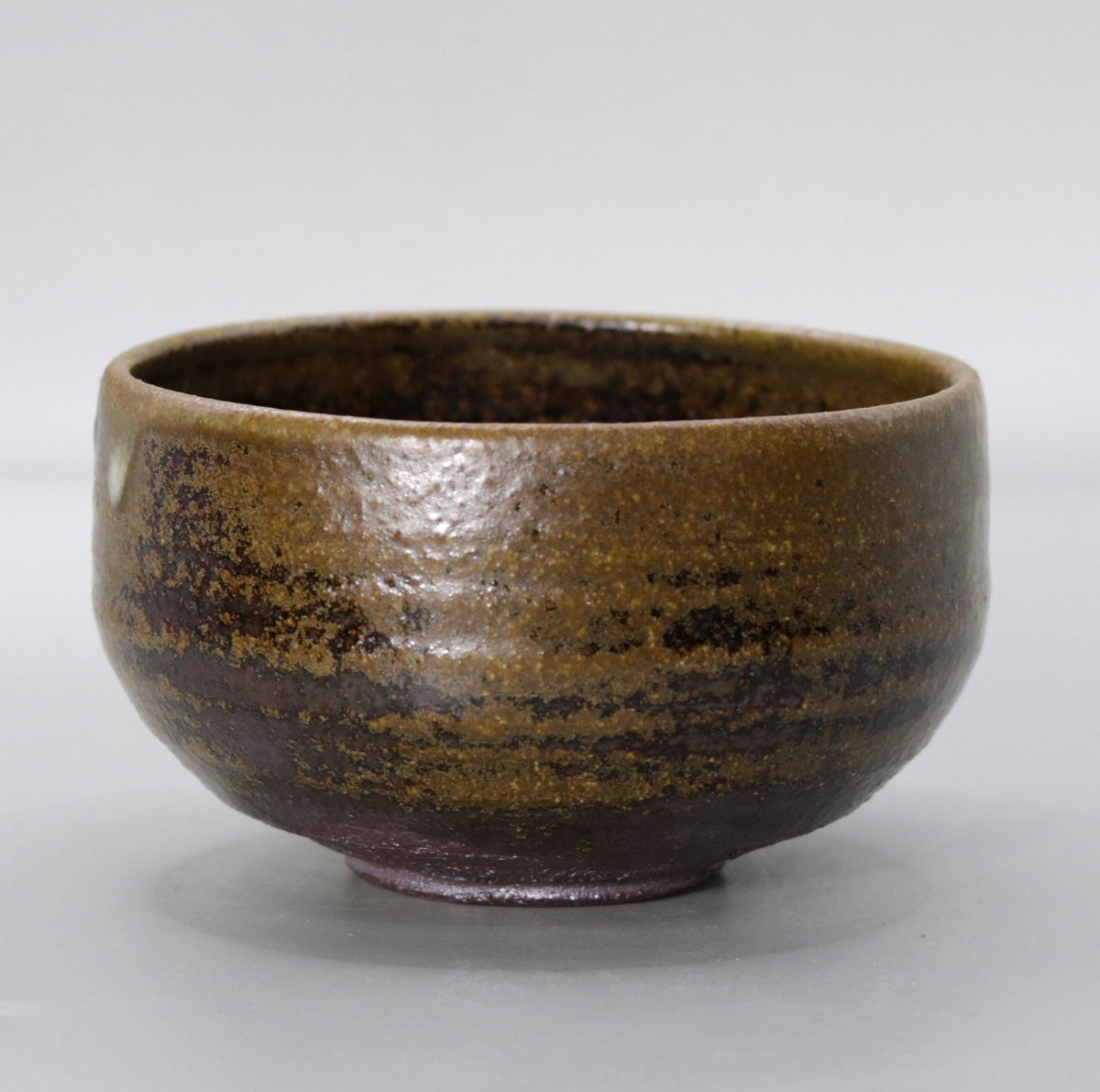
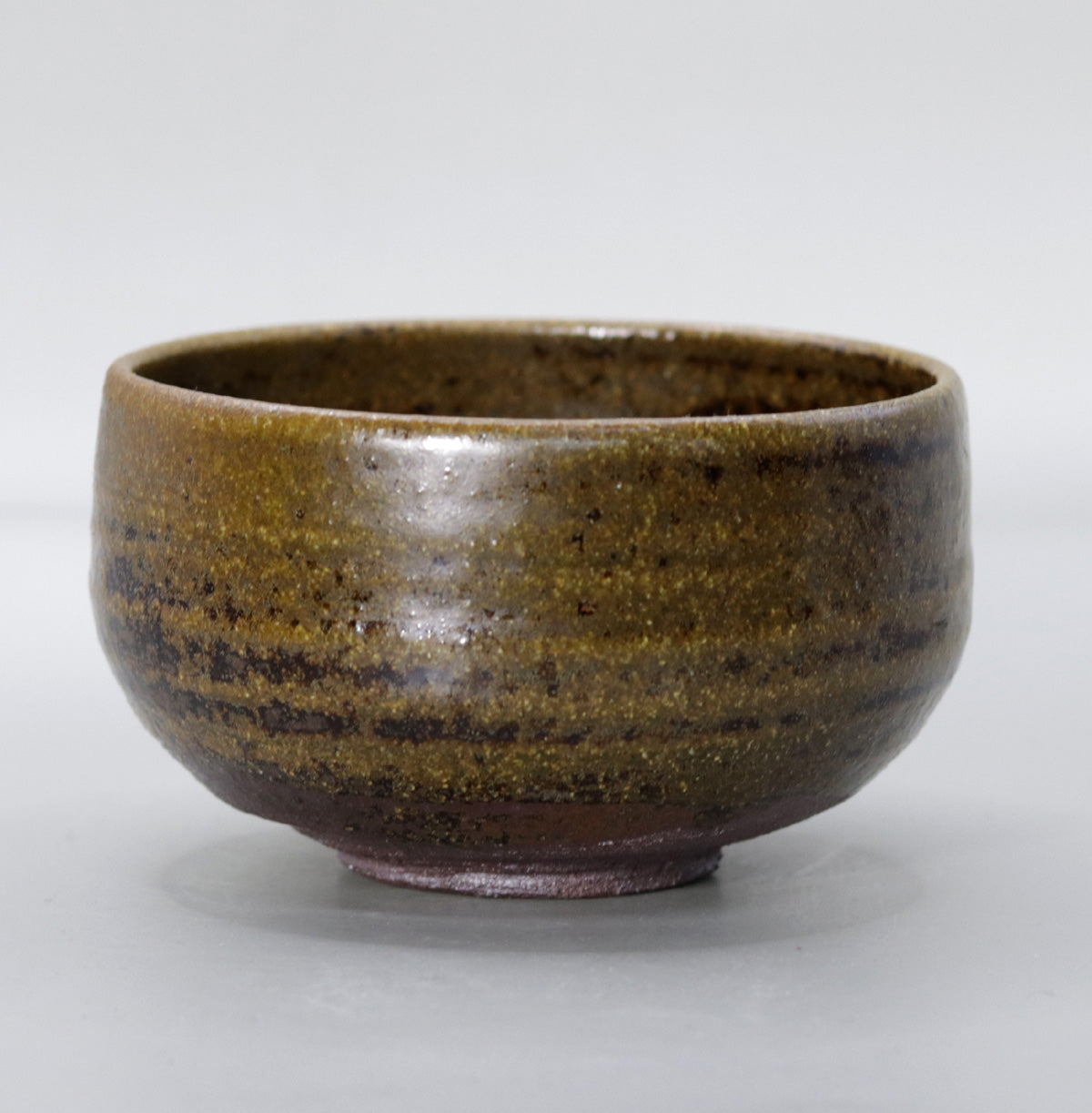
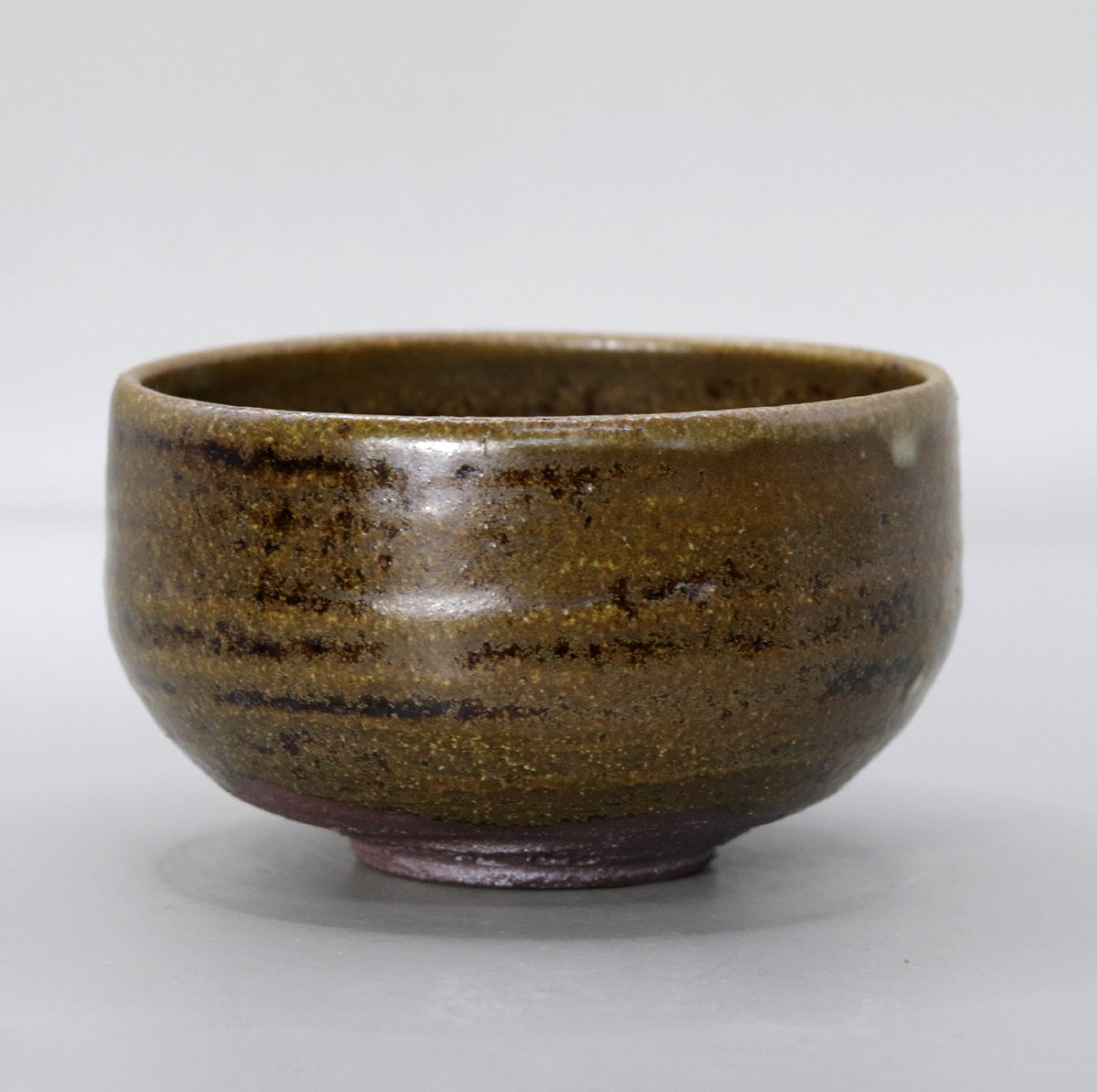
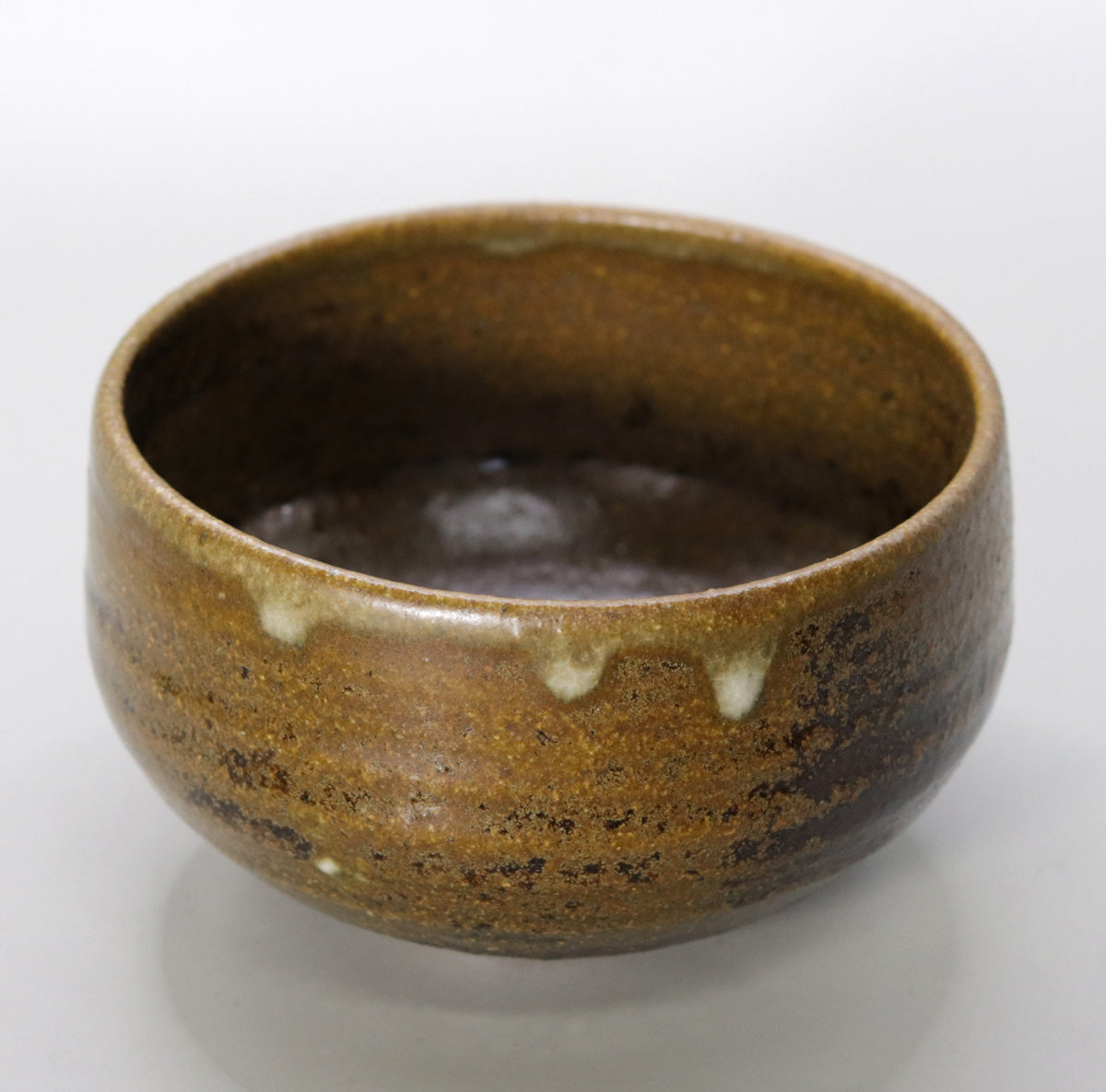
Ash-glazed tea bowl made from clay from the base of the East Pagoda of Yakushiji Temple - By Rakusai Onishi
This work by Onishi Rakusai is a tea bowl made from clay from the base of the 1,300-year-old East Pagoda of Yakushiji Temple, blended with the base clay and glazed with straw ash to create a gentle kiln change effect. Its appearance, which seems to capture the prayers of the ancient pagoda and the land of Yamato in the palm of your hand, makes it a masterpiece that conveys the essence of wabi-sabi to the modern day. Below, we will introduce its appeal in detail from five perspectives.
1. Clay – The rich earthy taste created by the foundation clay
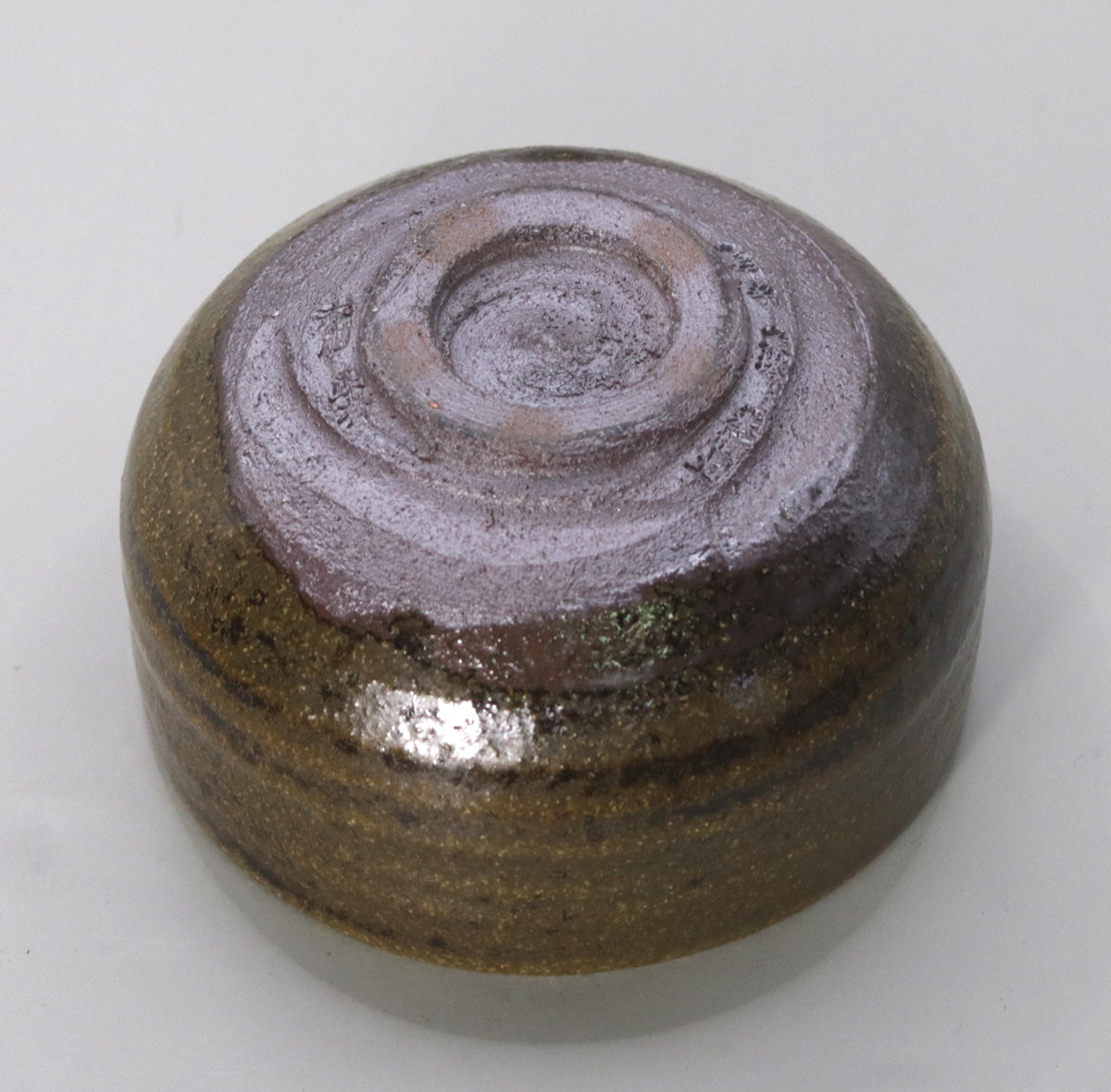
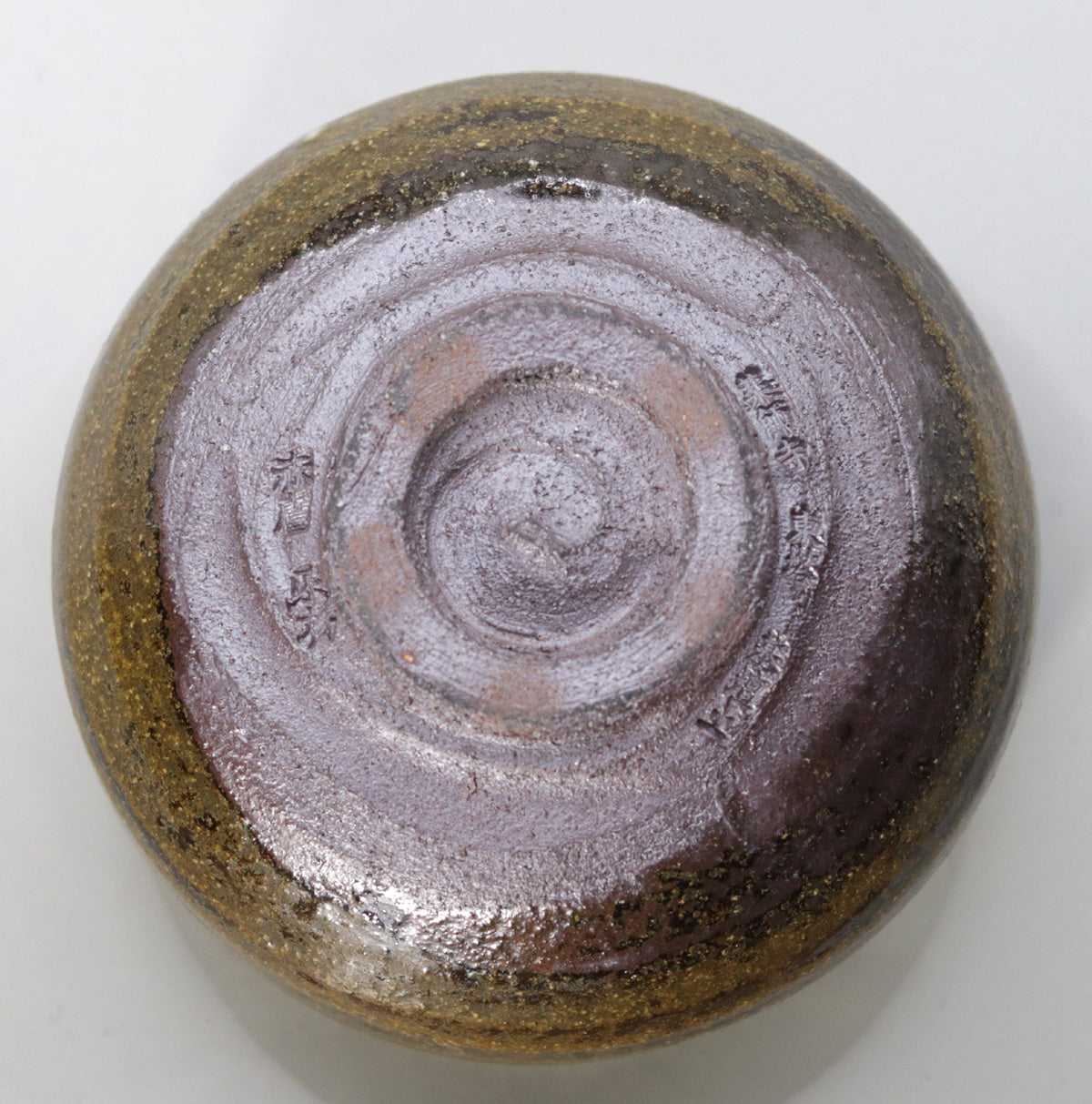
The ancient clay collected during repairs to the base of the East Pagoda of Yakushiji Temple is rich in iron and silica, and over the years has developed fine mineral crystals. By blending this with Shigaraki-style rough clay, the clay is dotted with stardust-like quartz grains, and even after firing, it retains a rough, sandy texture and a subdued reddish-brown color. The reddish-purple color of the clay exposed at the bottom contrasts nicely with the tranquility of the glaze.
2. Ash glaze and kiln change - Milky drops depicting a tranquil landscape
The ash glaze, made primarily from straw ash, is fired at a high temperature to subtly change color from amber-brown to olive, and milky white glaze droplets hang like "Koborehagi" (drops of bush clover) around the rim. These droplets evoke the drops of water before dawn or the morning dew on the tiles of a pagoda, giving the bowl movement and depth.
3. Shape: The refinement of the cylindrical tea bowl and the rhythm of the wheel marks
The rim is slightly curved outwards, and the body is crafted into a nearly vertical cylindrical shape. The subtle wheel marks around the body complement the gentle flow of the ash glaze, creating a visual rhythm reminiscent of the stratification of the foundation stone. The base is carved low, which stabilizes the center of gravity and makes the piece more stable when held in the hand.
4. Ease of use and practicality - Excellent functional beauty with a touch of wabi
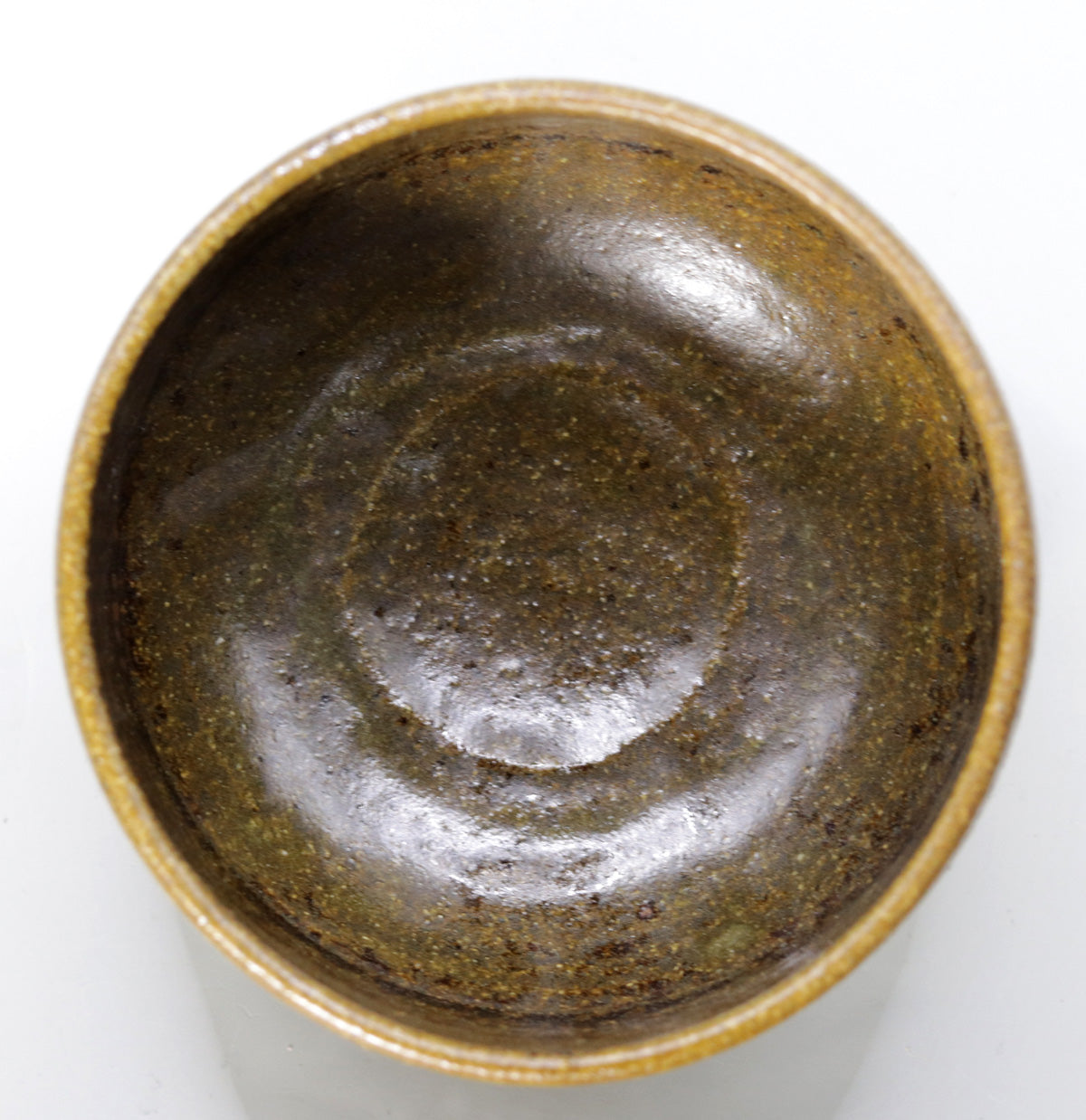
The fine grains on the outer surface provide a comfortable resistance to your fingertips, giving you a sense of security as it stops naturally when you place it in your palm. The ash glaze on the inside has a mirror-like finish, softly highlighting the green of the matcha and making it smooth to the touch of the chasen. The foam is fine, and the matcha rises to the surface with a soft luster.
5. Cultural Significance: A Bowl Reflecting Prayer and Rebirth
The East Pagoda of Yakushiji Temple is a masterpiece of architecture known as "frozen music," and its base is the cornerstone of faith that continues to support the pagoda. Using the base soil for this piece is an act of encapsulating a long history of prayer and rebirth within the tea bowl. The serene scenery of the ash glaze simultaneously evokes the tranquility of Buddhism and the serenity of the earth, creating a "crossroads of time" where the past and present resonate with each other through a cup of matcha tea at a tea ceremony.
Summary
With its light brown ash glaze dripping with milky drops, the sparkle of quartz grains hidden in the clay, and the thousand-year-old prayer spoken of in the clay of the base of the East Pagoda of Yakushiji Temple, Onishi Rakusai's "Yakushiji East Pagoda Base Clay Ash Glazed Tea Bowl" is a gem that combines wabi-sabi and sublimity. When placed at a tea ceremony, guests will savor the tranquility of the ancient pagoda along with the aroma of matcha, and be enveloped in the lingering echoes of quiet prayer.
