
Yakushiji Temple East Pagoda Foundation Clay Iron Glazed Kiln Change Tea Bowl by Rakusai Onishi
Yakushiji Temple East Pagoda Foundation Clay Iron Glazed Kiln Change Tea Bowl by Rakusai Onishi
Couldn't load pickup availability
Width: 12.5cm Height: 7.2cm
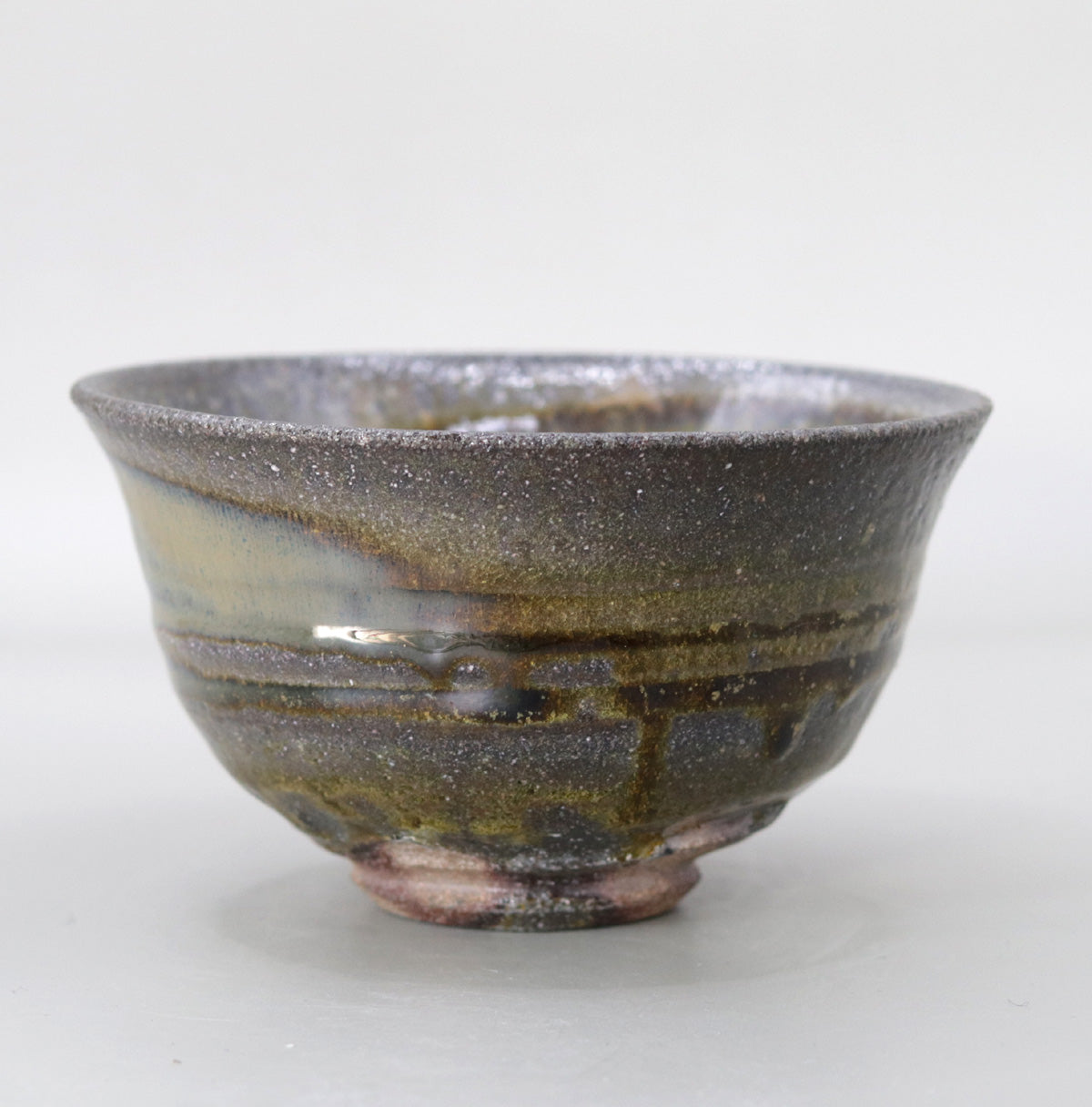
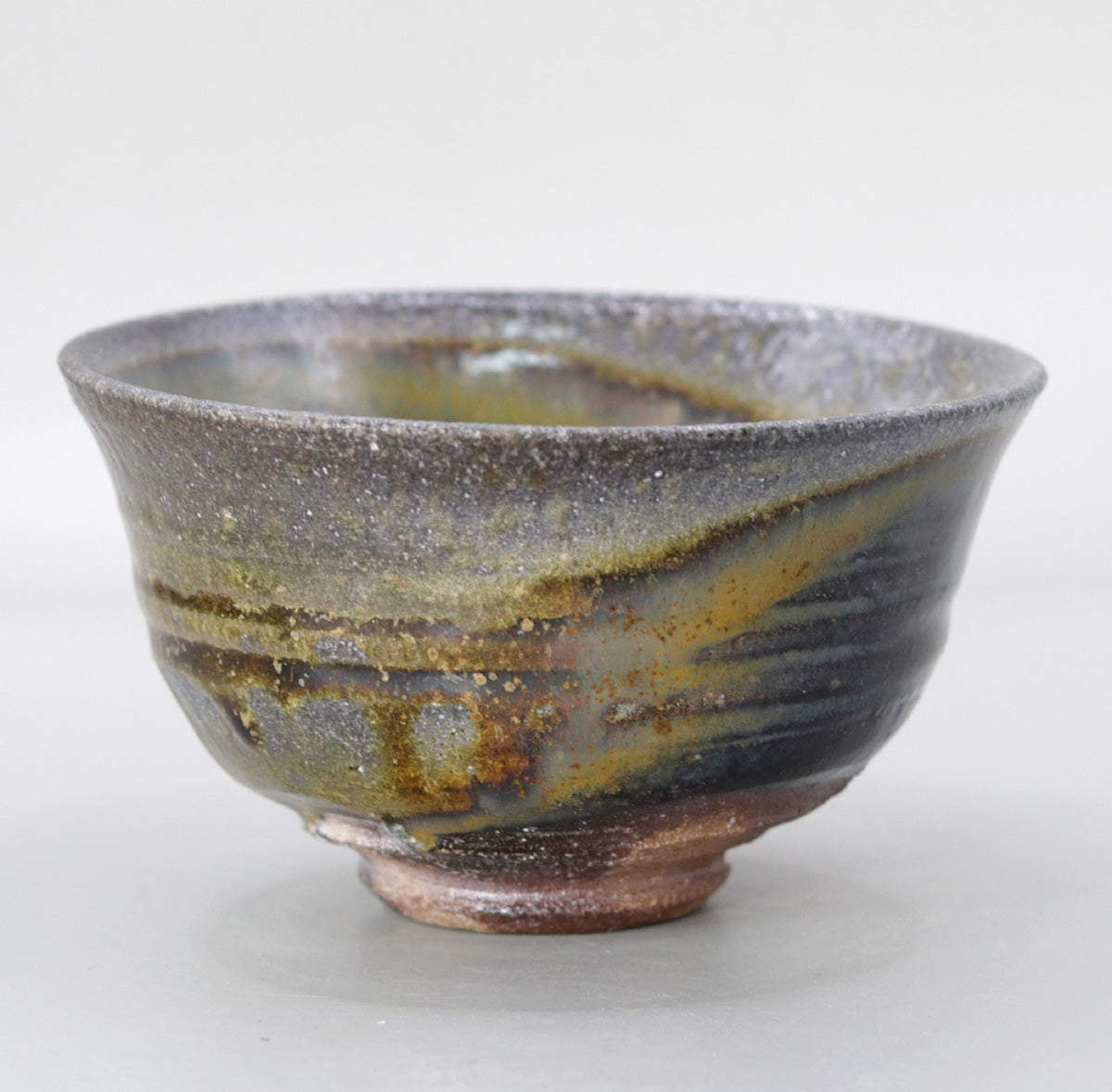
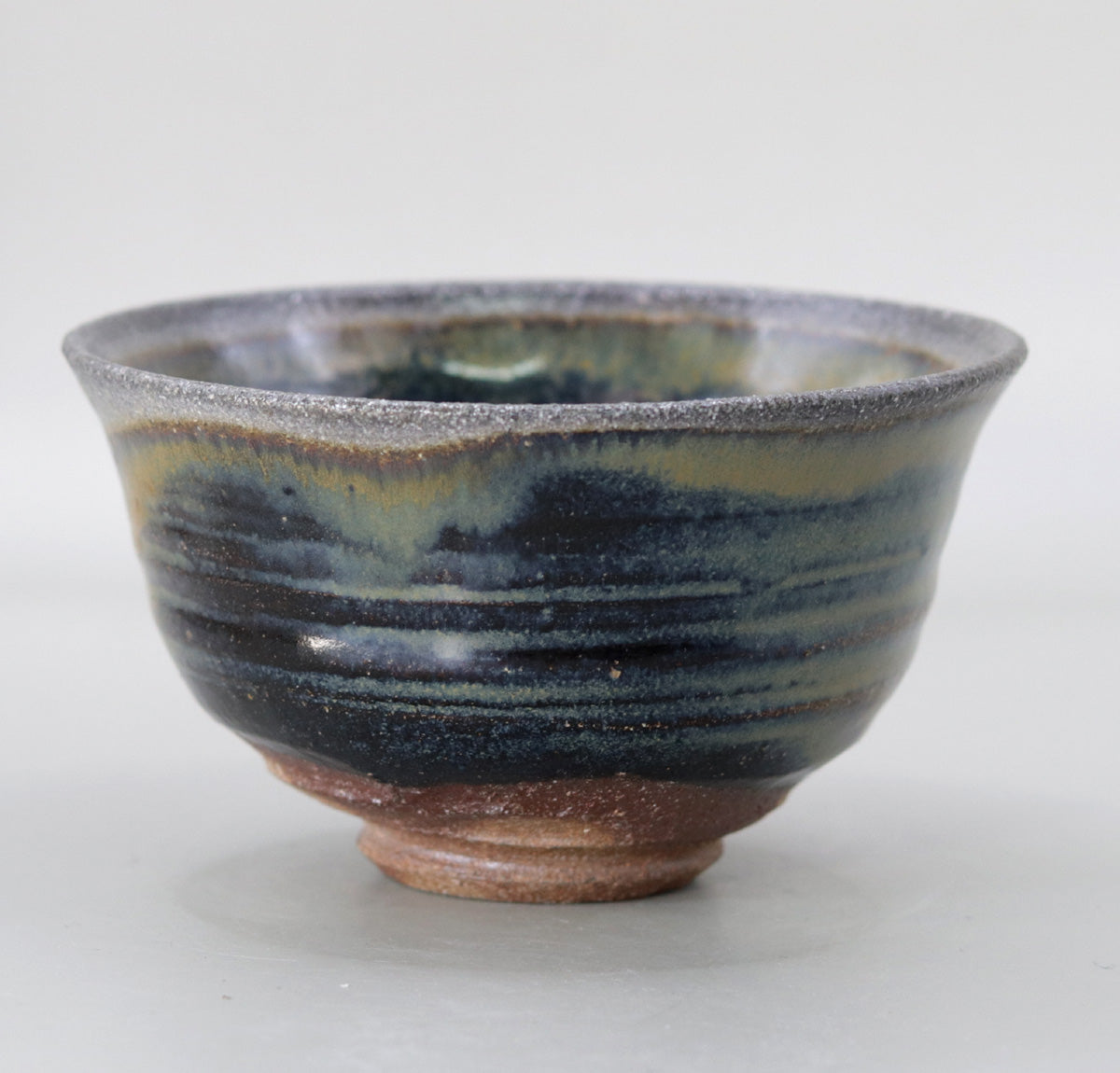
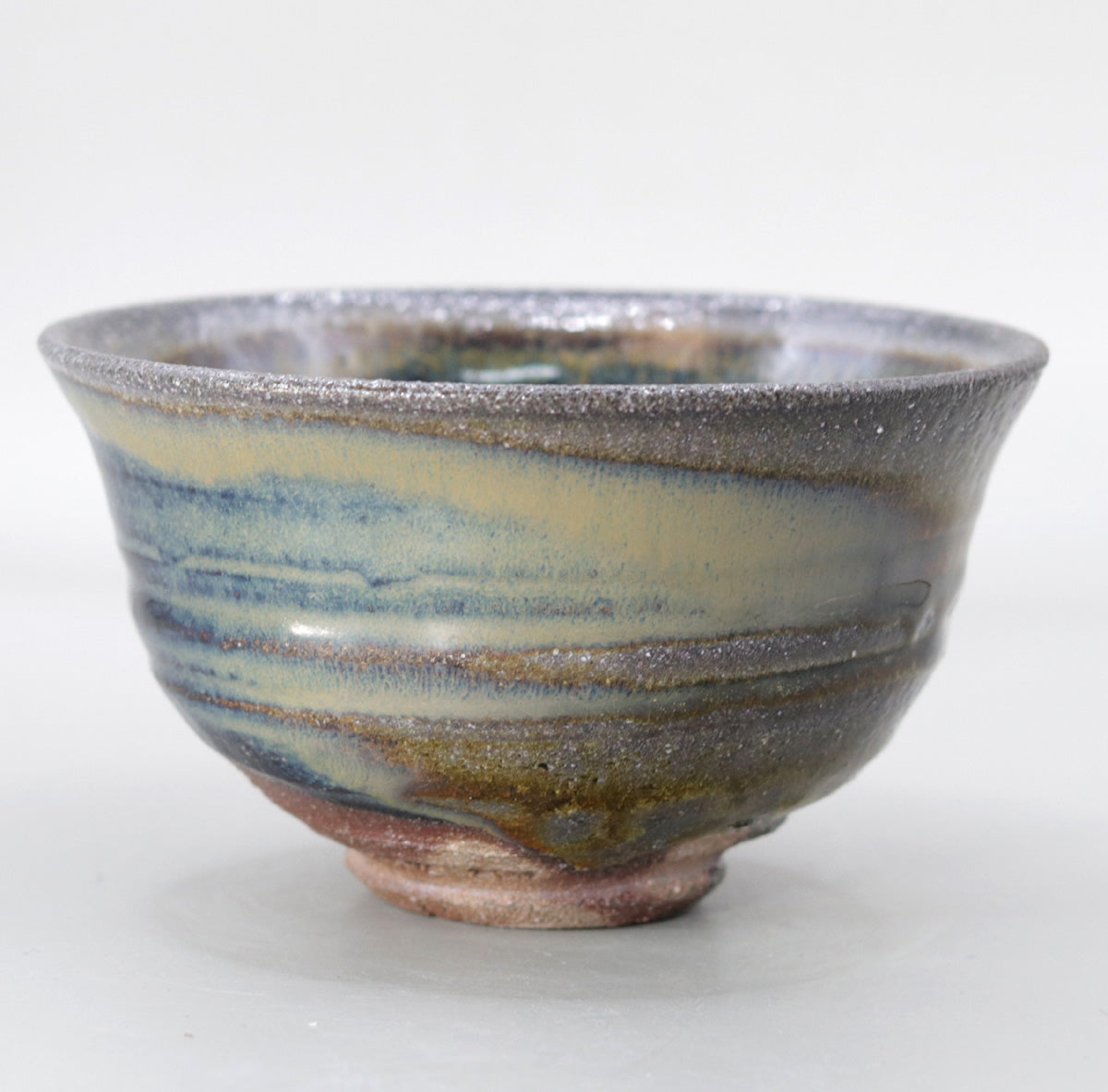
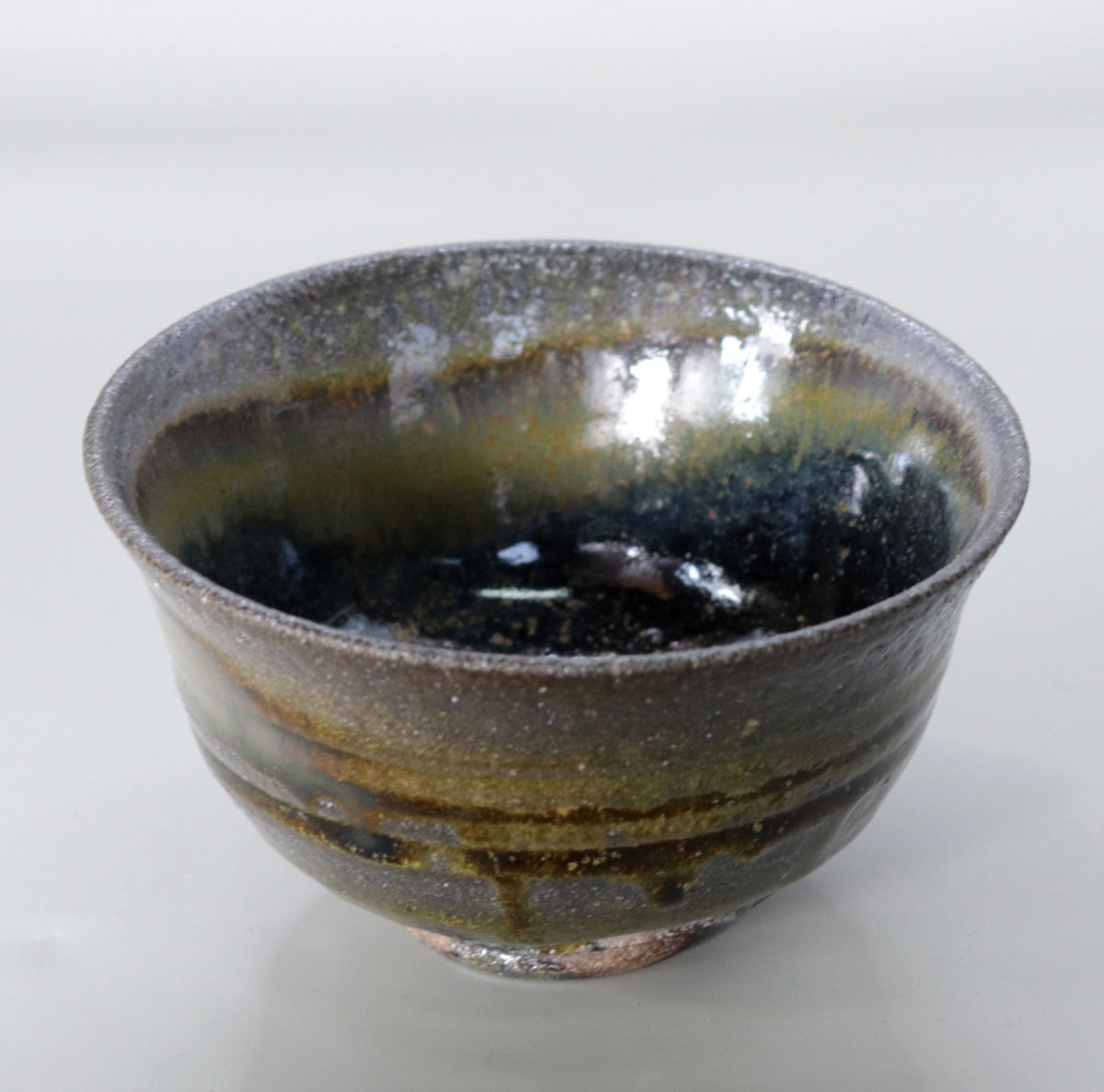
Iron-glazed kiln-change tea bowl made from clay from the base of the East Pagoda of Yakushiji Temple
The East Pagoda of Yakushiji Temple, a famous temple representing the Nara period, is known as the only original pagoda still standing. This work, which was created by mixing old clay obtained during repairs to the base of the pagoda with the clay and then applying an iron glaze to bring out the beauty of kiln changes, is a rare tea bowl in which the interplay of timeless history and the coincidence of fire intersect. Below, we will explain the appeal of this work from five perspectives.
1. Clay - Foundation soil that holds the time of 1,300 years
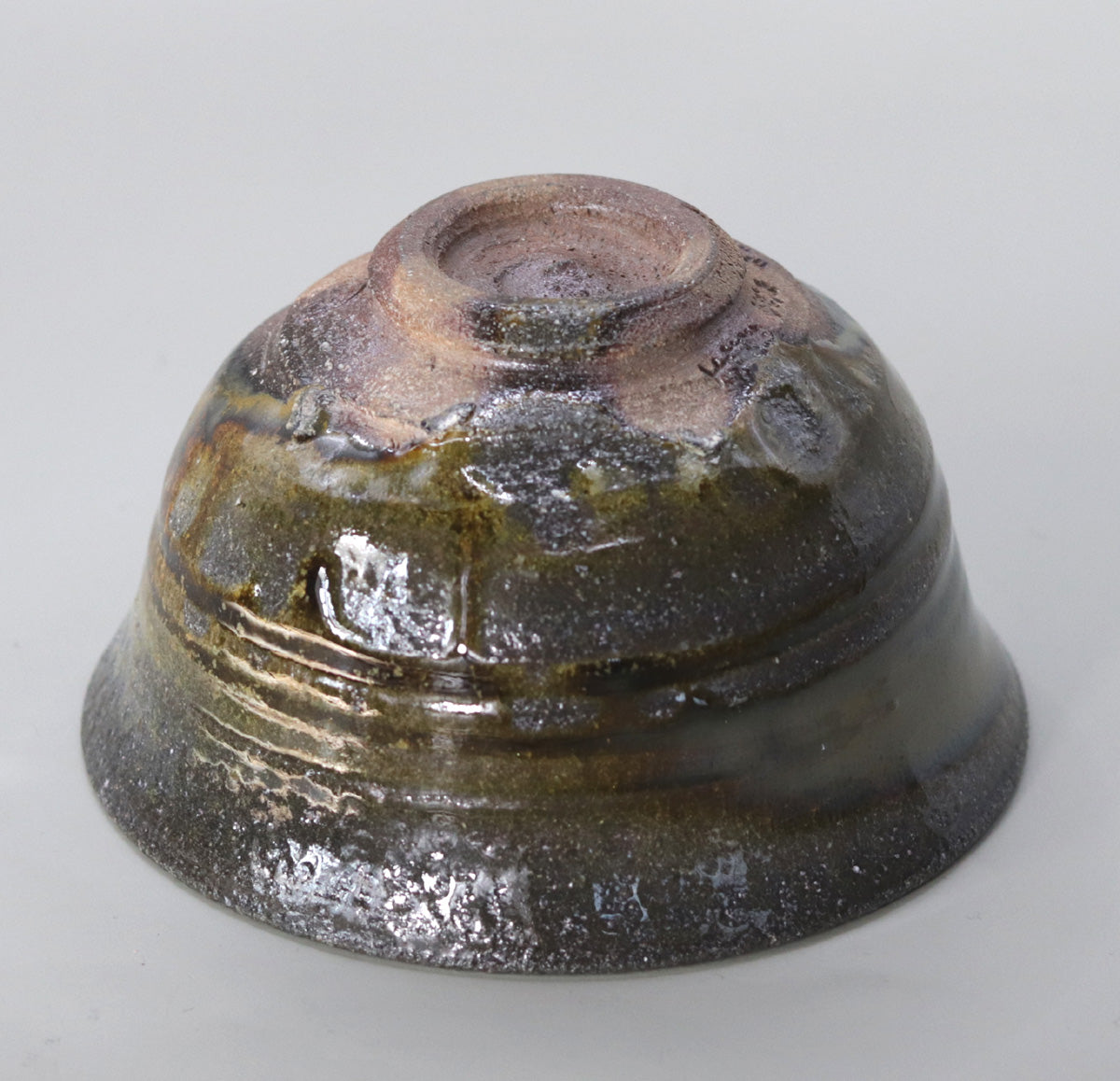
The clay used to make the base of the East Pagoda of Yakushiji Temple is rich in iron and silica, which are unique to the Nara Basin, and over the years, minute minerals have crystallized. Onishi Rakusai blended this ancient clay with Shigaraki clay to accentuate the coarse grain and patina of the earth. Even after firing, the quartz grains in the clay sparkle white, leaving the surface of the piece with a dignified appearance reminiscent of the foundation stones of the pagoda.
2. Iron Glaze and Kiln Change: Scenes of the Earth Painted by Flames
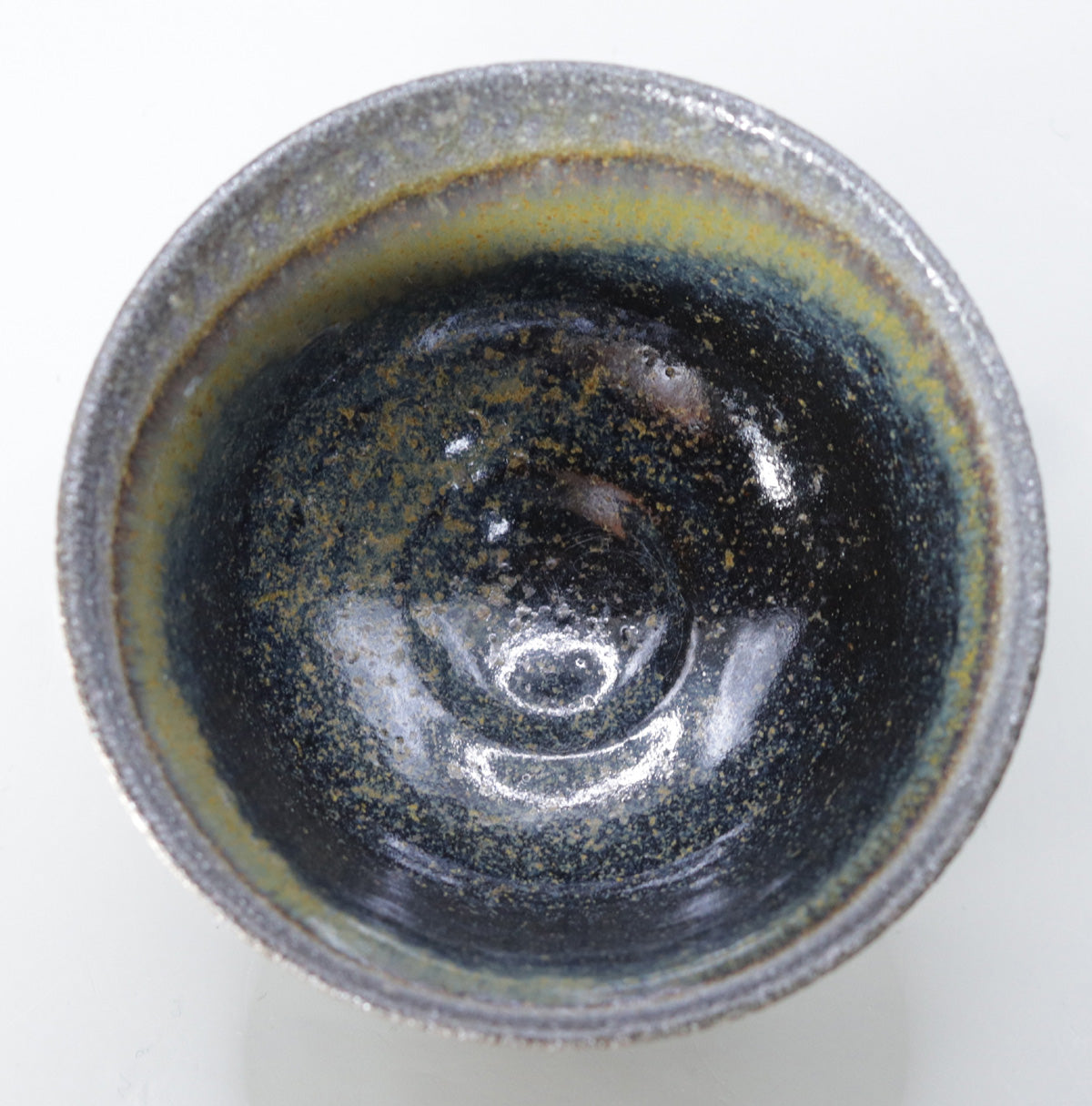
The iron glaze that covers the exterior is fired at a high, reducing temperature, resulting in a complex coloration of dark brown, moss green, and purple gray, and the glassy flow caused by natural ashfall further deepens the scenery. A fluctuating pool of glaze has formed in the center of the body, and when held up to the light, green-brown spots emerge from beneath the inky black. These evoke the mossy stone surfaces and cloudy skies that surround the ancient pagoda, creating a "moving landscape" that changes appearance depending on the viewing angle.
3. Shape and wheel marks: A neat bowl-shaped structure reminiscent of an ancient pagoda
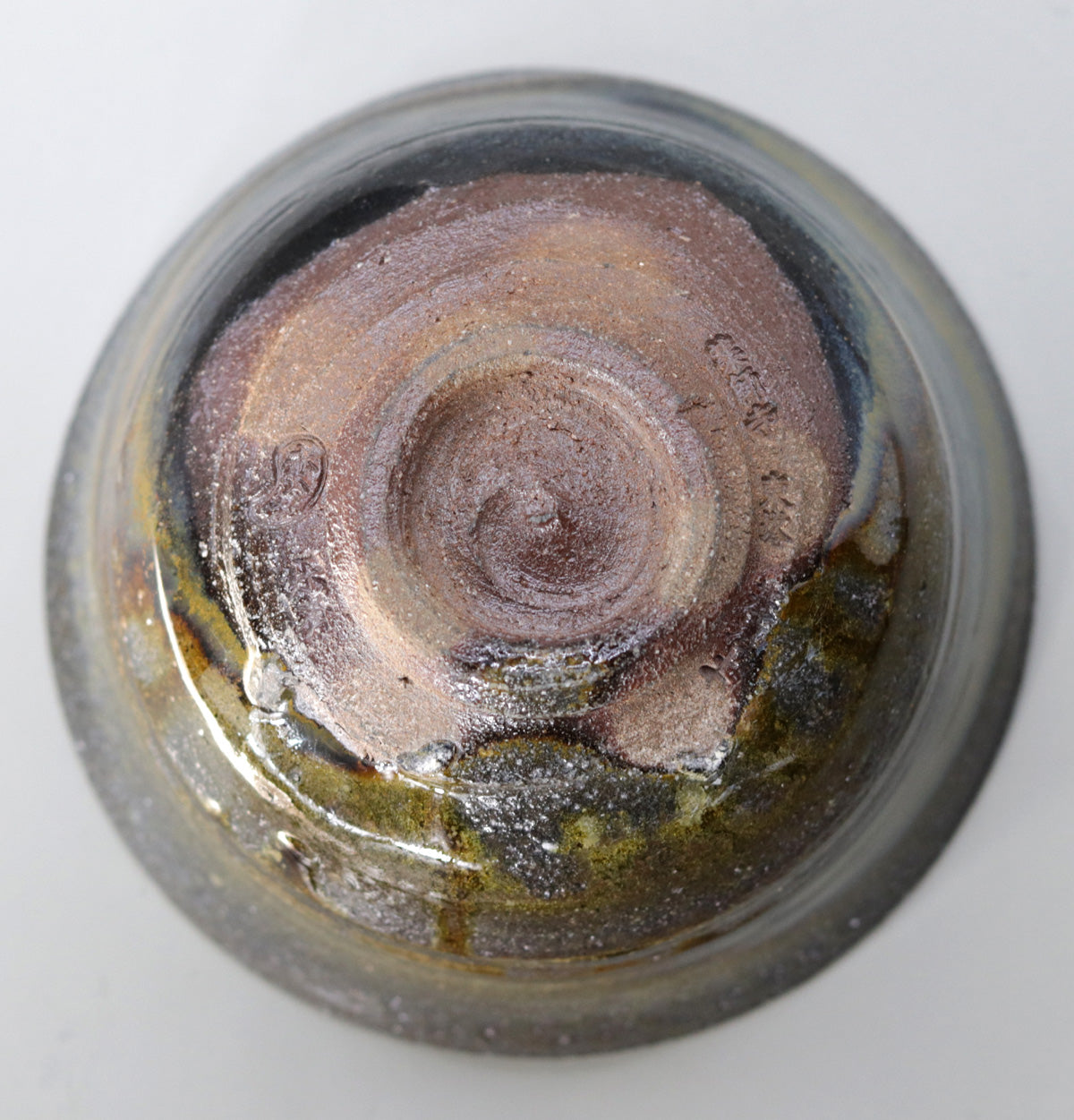
The bowl shape, with its slightly curved rim, seems to reflect the silhouette of the Yakushiji temple's pagoda, which tapers towards the sky. Three stages of wheel marks are carved into the body, which act as boundaries for the flow of glaze, creating a visual rhythm. The foot is small but powerfully carved, revealing the reddish-brown color of the base clay and providing a beautiful contrast with the color of the tatami mats in the tea room.
4. Ease of use and functional beauty: practicality with a touch of wabi
The outer surface has a rough, sandy feel, and when held in the palm of your hand, the pads of your fingers rest naturally on it. The inside is thinly coated with iron glaze, and the fine white crazing softly highlights the green of the matcha. The tea whisk hits it smoothly, and the bubbles are delicate. The gloss of the kiln-transformed glaze reflects the tea surface like a mirror, creating a tranquil atmosphere for the tea ceremony.
5. Cultural Significance: A Bowl of Prayer and Rebirth
The East Pagoda of Yakushiji Temple is a masterpiece of architecture known as "frozen music," and using its foundation soil could be said to be an act of capturing in the tea bowl a time of prayer that has continued for over a thousand years. Furthermore, just as the pagoda was revived after undergoing major renovations in the Reiwa era, this work has also been given a new beauty through the encounter between ancient clay and modern flames. When using this tea bowl at a tea ceremony, the desire for "rebirth" will quietly light up within the drinker.
The ancient pagoda clay, the chance of fire, and Onishi Rakusai's skillful design have combined to create a kiln-change tea bowl that exudes both wabi-sabi and sublimity. When held in the palm of your hand, you can hear the pulse of history pulsating from deep within the rough clay surface, and when you pour matcha tea into it, the glaze pool shimmers like the surface of a lake. This iron-glazed kiln-change tea bowl, made from clay from the base of the Yakushiji East Pagoda, is an exquisite bowl that embodies the spirit of "ichigo ichie" (a once-in-a-lifetime encounter) that the tea ceremony calls for, and eternal prayer.
This piece is made using 100% clay from the Yakushiji Temple grounds, with all impurities thoroughly removed, and is characterized by its clear beauty. The clay has aged over time and is homogeneous, and when fired it acquires a clear luster, and when fired it takes on a gentle color reminiscent of old roofing tiles. Its smooth texture and resistance to warping are also appealing. The story of the clay, which embodies 1,300 years of history, brings a sense of peace every time you hold it in your hands. This is a special piece that combines material, beauty, and spirituality.
Share
-
[I will send it to you quickly and carefully]
We carefully package each product in a way that suits it best.
Also, delivery times vary depending on the piece (vessel, etc.).
Items that already come with a box will be shipped within 1-3 days of the order date.
For items that require a box to be made after your order, it will take approximately 30 days for production to be completed and then shipped.
In either case, once we have confirmed your order, we will contact you by email to inform you of the delivery date.
-
[Requests when purchasing pottery]
Even products that look the same may differ slightly in color, shape, size, etc.
The way the glaze is used, the power of the kiln, the firing method, the season, and the humidity also affect the appearance of the pottery.
Please understand the individuality of each piece of pottery and enjoy the unique warmth of handmade.