


Yakushiji East Pagoda Foundation Clay Yakishime Tea Bowl by Rakusai Onishi
Yakushiji East Pagoda Foundation Clay Yakishime Tea Bowl by Rakusai Onishi
Couldn't load pickup availability
Width: 11.9cm Height: 6.5cm
Yakishime tea bowl made from clay from the base of the East Pagoda of Yakushiji Temple, by Rakusai Onishi
--A bowl of tea that breathes fire into the sacred soil that is 1,300 years old, and tastes the earthy flavor itself--
1. Work summary
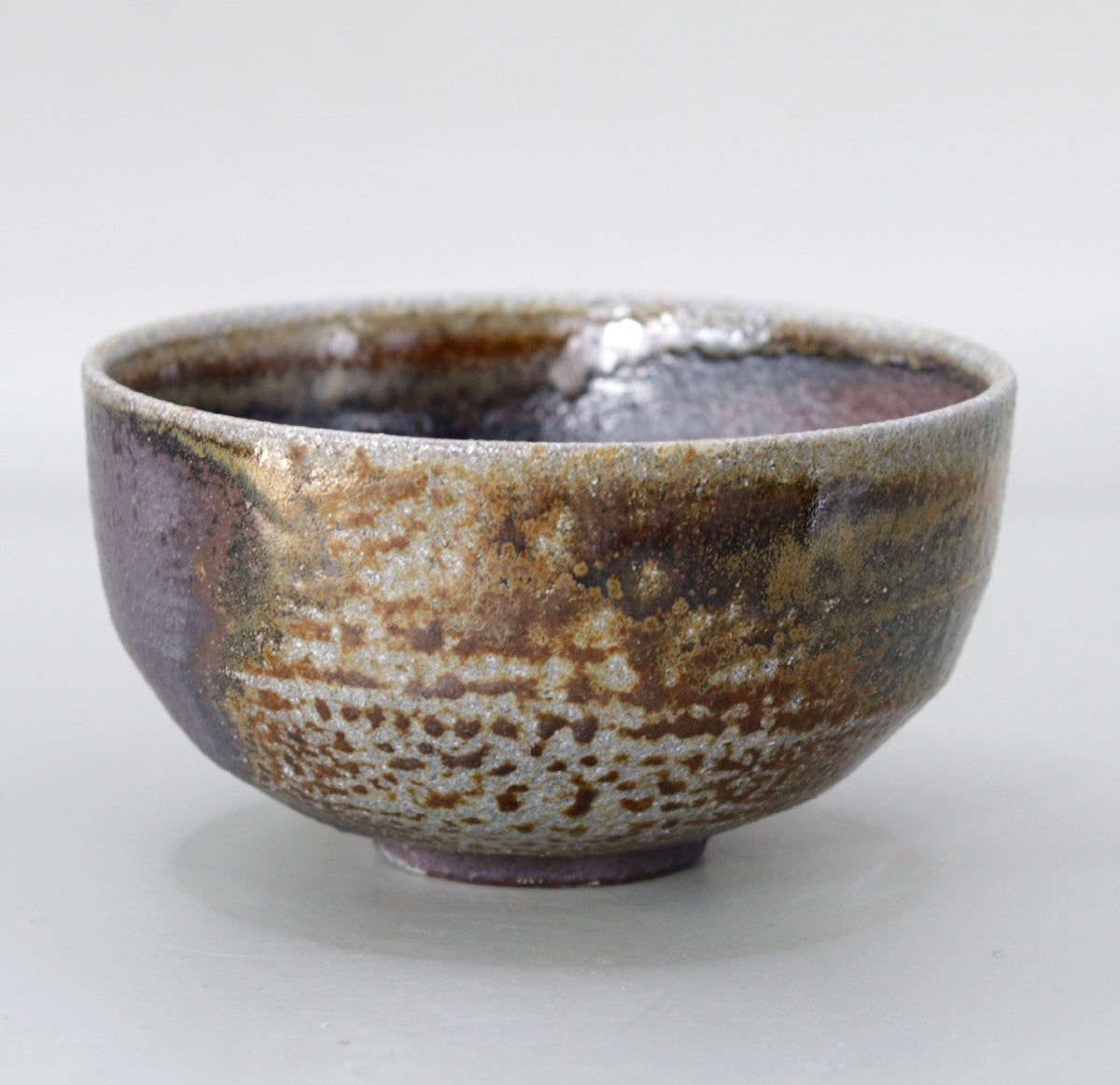
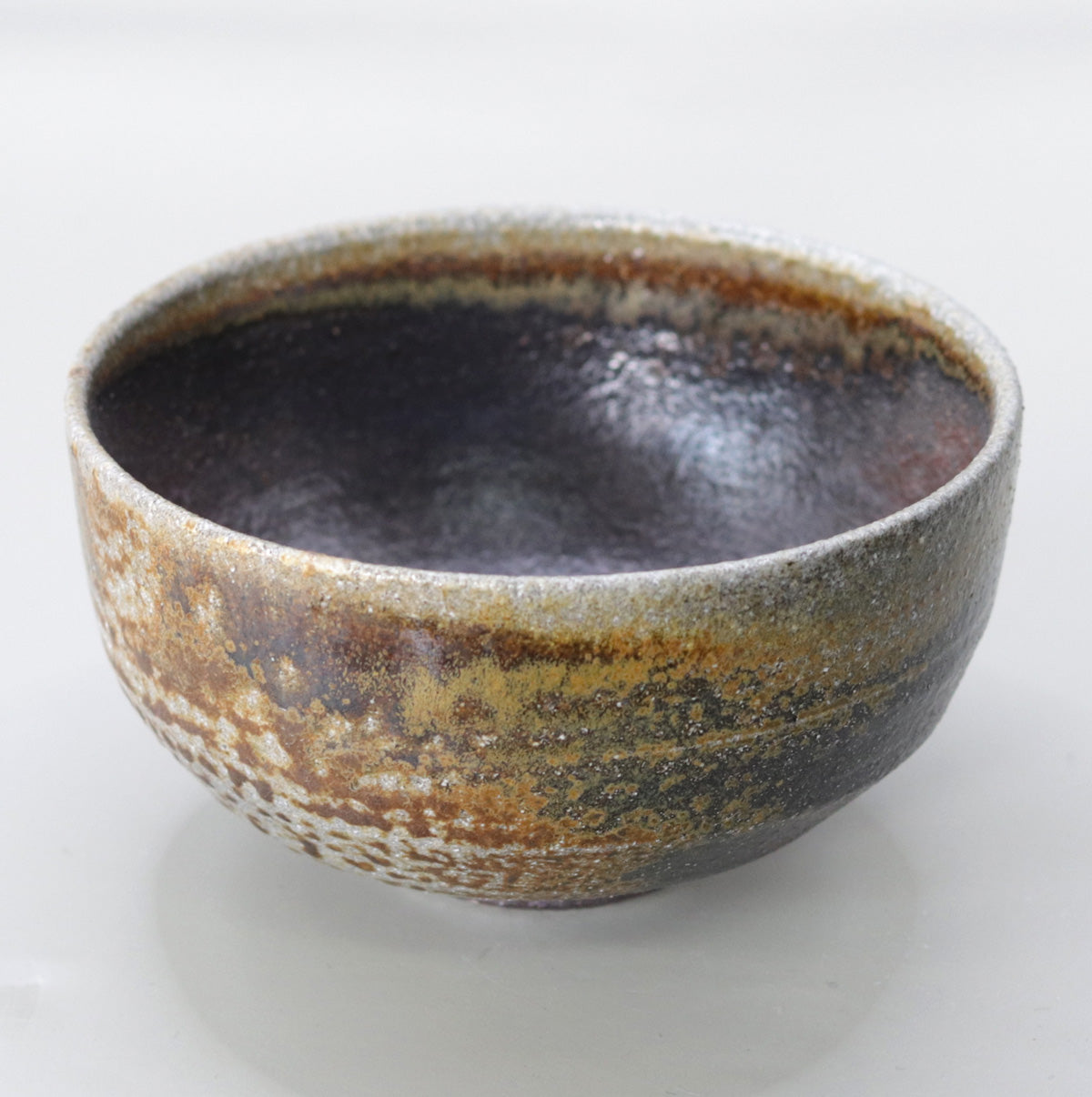
This powerful tea bowl is made from clay from the base of the East Pagoda of Yakushiji Temple, which was harvested during the major repairs of the Reiwa era. It is finished by firing without any glaze, creating a powerful piece. It has a neat cylindrical shape, measuring approximately 12 cm in diameter and 6.5 cm in height, with a slight bulge from the body to the foot, giving the bowl a low, stable center of gravity.
2. Scenery and firing
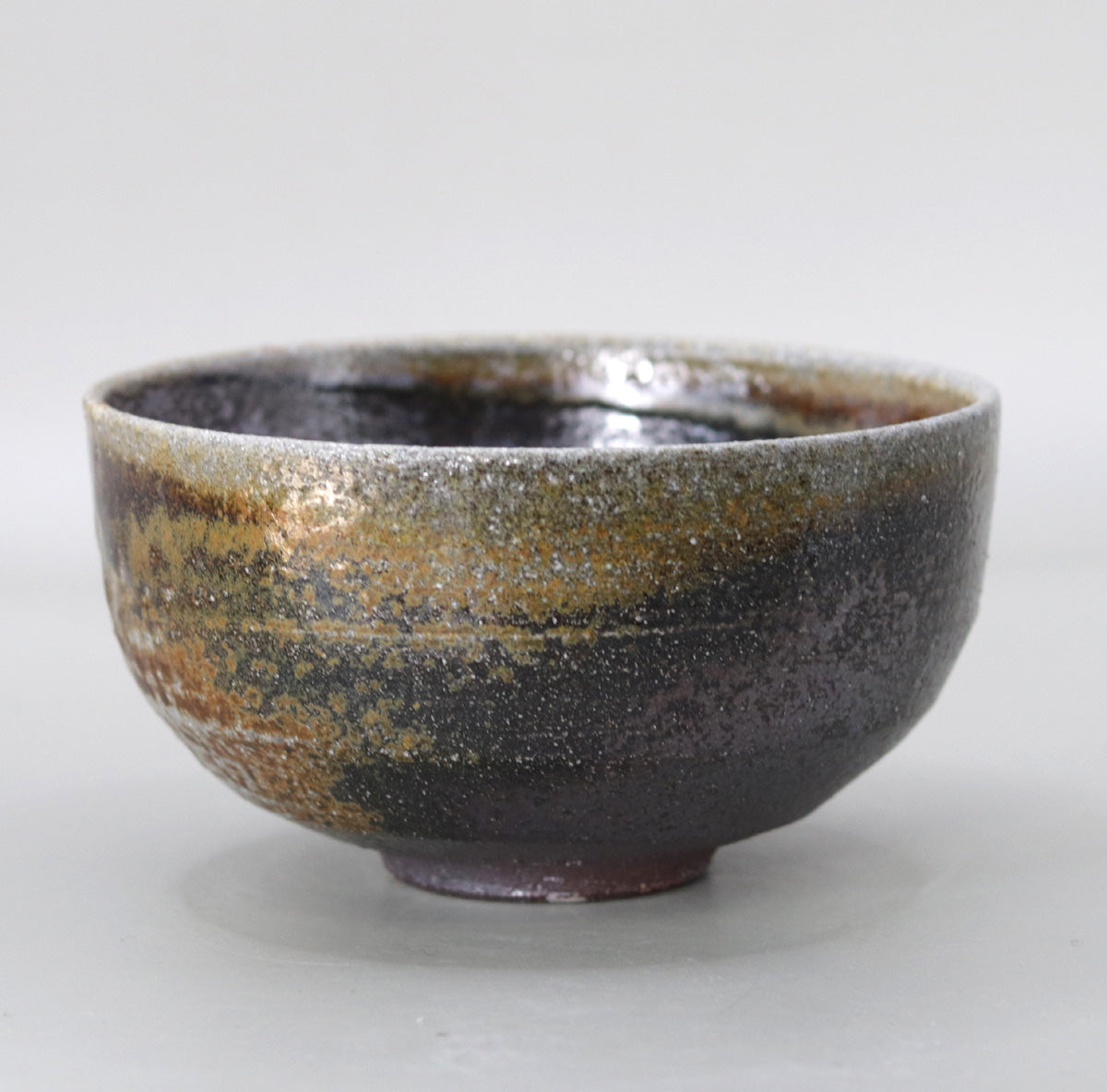
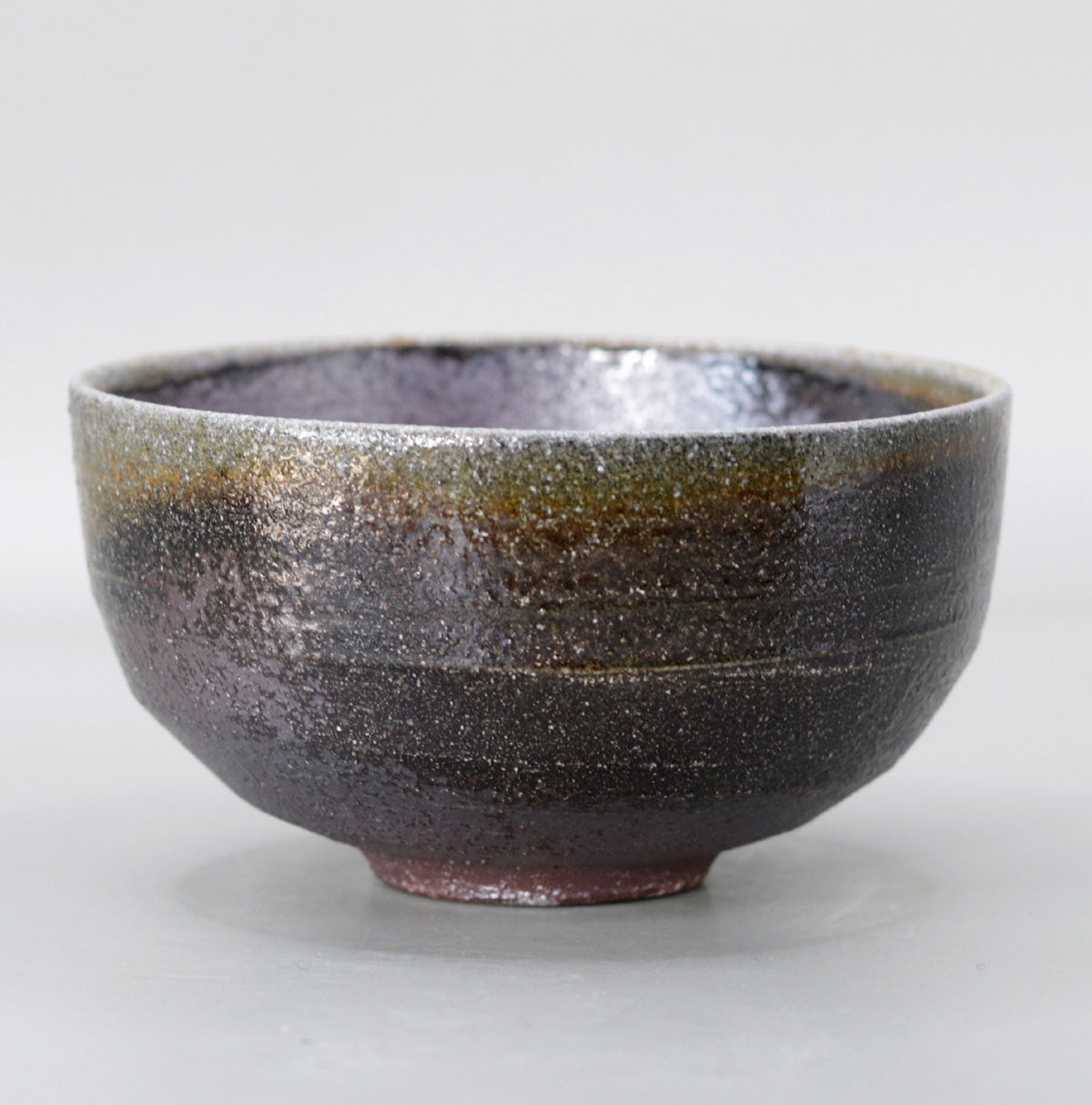
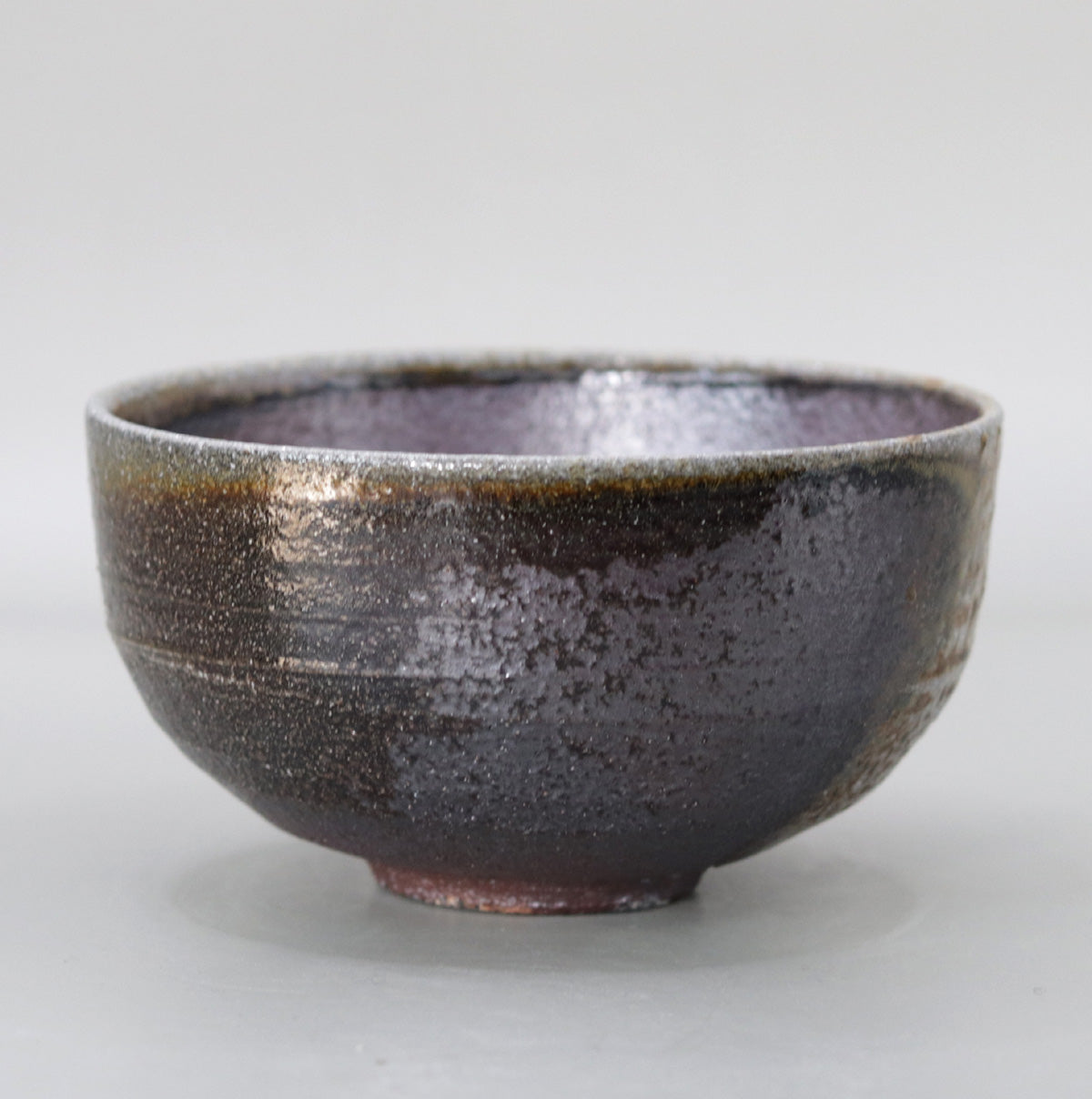
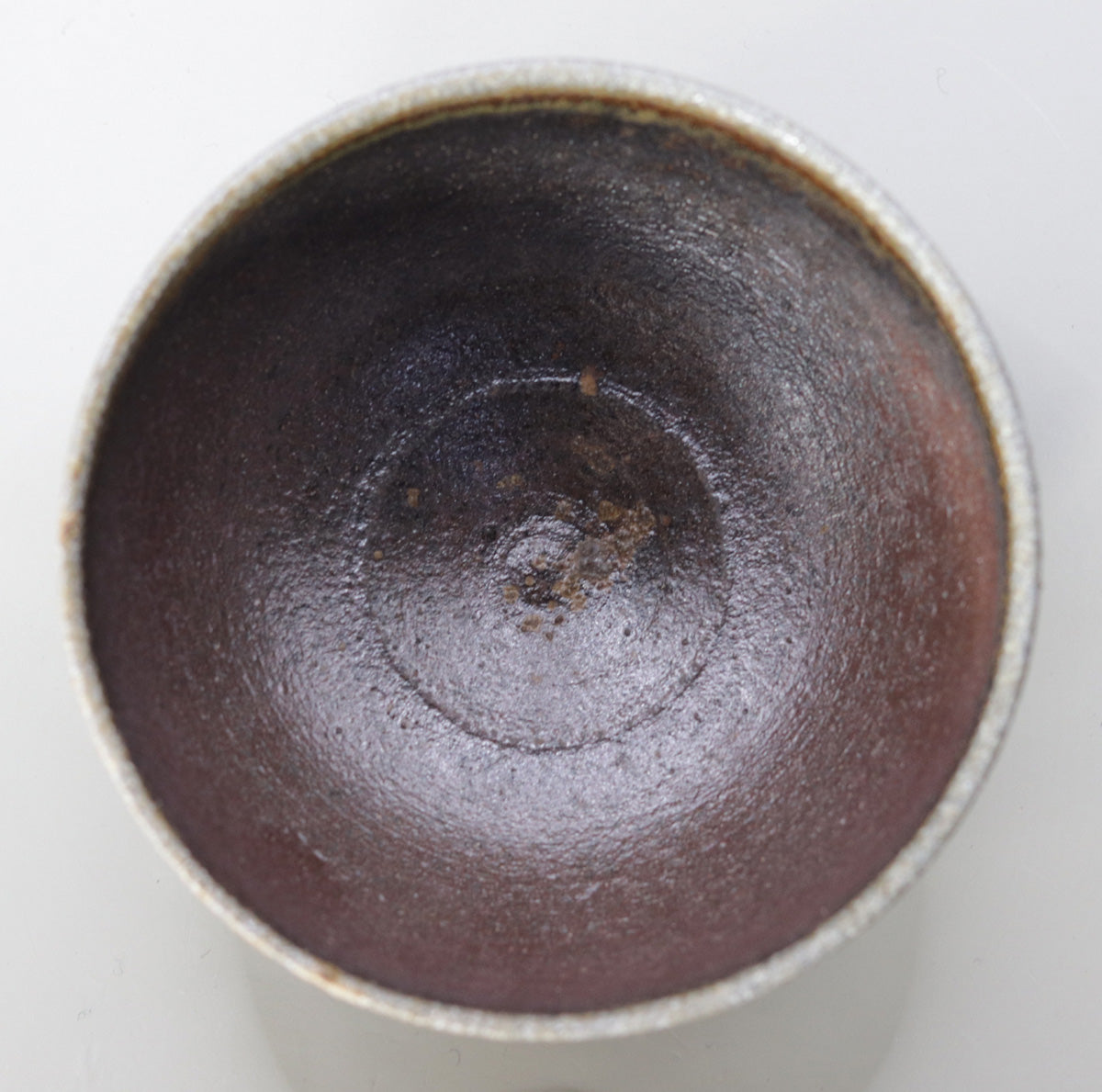
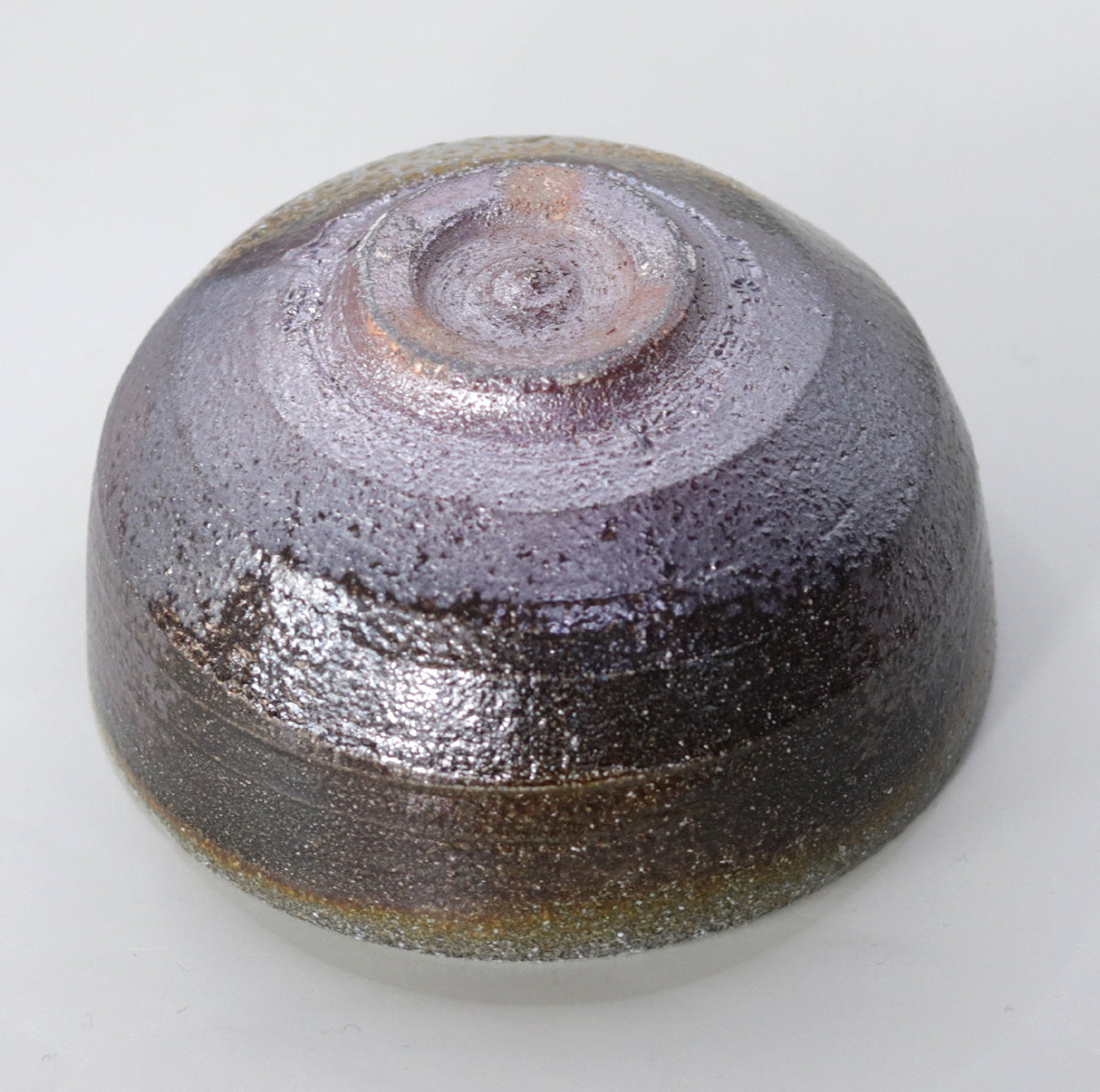
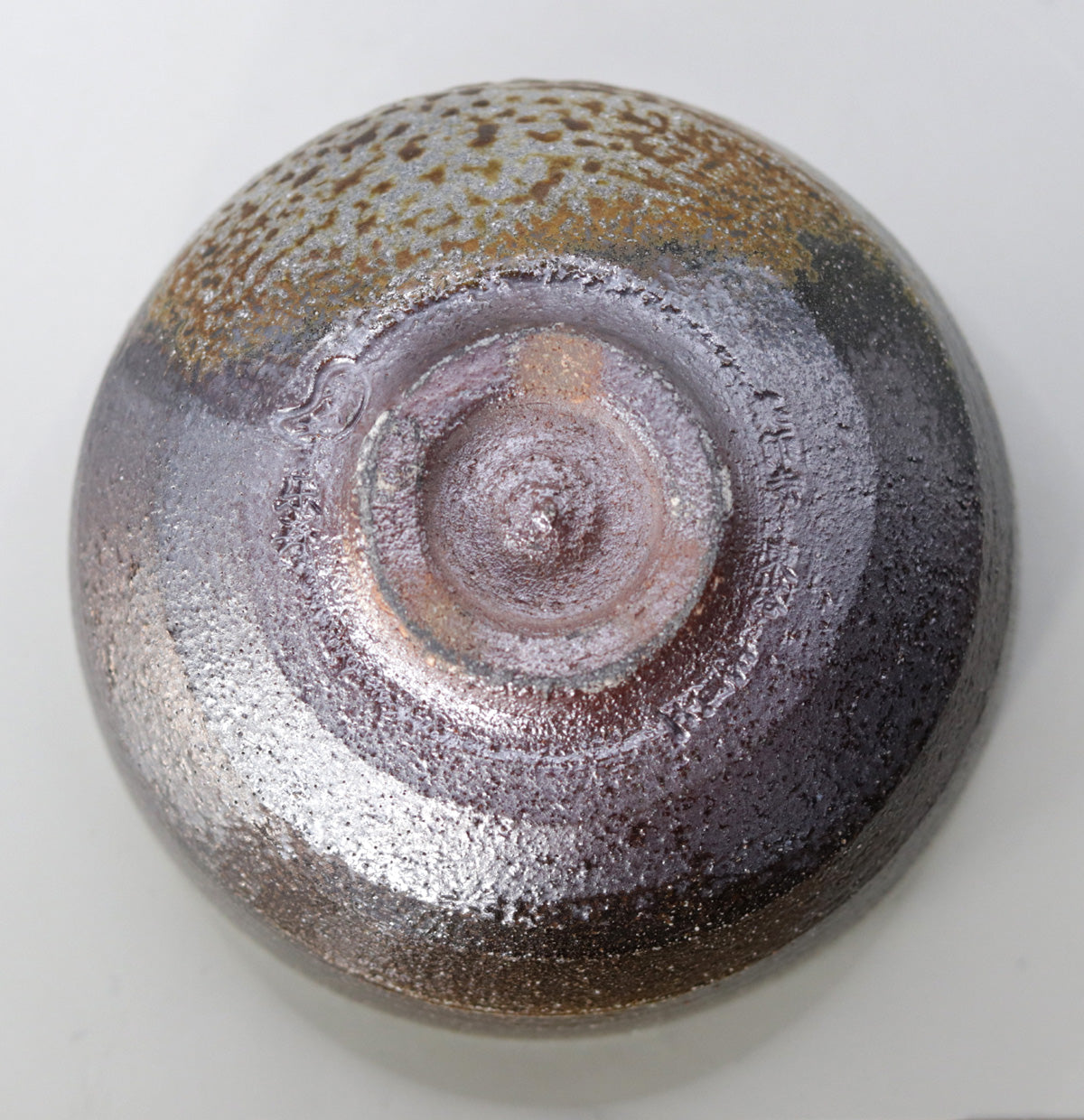
Appearance of the surface <br data-start="266" data-end="269">Pine ash that was blown around during the firing process fell naturally on the surface, and the melted ash created an ash coating that has spread from golden brown to silver-gray. Inside the body, scorching marks from direct exposure to the flames in front of the fire have turned the piece a dark purple color, and the iron contained in the base clay gives it a metallic luster.
Stone pits at the bottom <br data-start="404" data-end="407">Quartz grains, which are unique to the base soil, erupt onto the surface, forming stone pits , with white spots scattered like the Milky Way. This gives the impression of the "breathing of the soil" that is unique to Yakishime.
Inside <br data-start="499" data-end="502">The inside is thinly coated with ash that has turned to glass, giving it a faint glow like the surface of a shallow lake. When you pour matcha into it, the jade green color shines brightly, and the outline of the bubbles stands out clearly.
3. Molding technique
Rough kneading of rough soil : The coarse base soil was mixed with the clay from Mt. Akahada in a 5:5 ratio, preserving the graininess and bringing out the natural breath of the soil.
One-time turning : The wood is turned slightly thick on a potter's wheel, and then the inside and outside are carved out when it is half dry to make it lighter.
Wood-fired kiln firing : Made primarily from red pine, the piece is fired at high temperatures for 48 consecutive hours. The temperature is raised to around 1280°C, and at the end, ash is sprinkled on top and the piece is rapidly cooled, highlighting the natural glaze.
4. The significance of using foundation soil
The East Pagoda of Yakushiji Temple is a masterpiece of the Asuka style, nicknamed "Frozen Music." The clay supporting its base has endured 1,300 years of wind, rain, and people's prayers. Onishi Rakusai, wanting to have the "memories of the clay" and "the coincidences created by fire" felt in the tea room , challenged himself to use this sacred clay for firing. The lack of glaze allows the voice of the clay to resonate, and the "water and greenery" are added only when matcha comes into contact with it, completing the piece - truly a once-in-a-lifetime tea bowl.
5. Arrangements at tea ceremonies
| Seasons and Scenes | Tool group proposal | Purpose |
|---|---|---|
| Cold weather/fireside | Kettle: cylindrical kettle / incense holder: tile lamp (base clay of the East Pagoda of Yakushiji Temple) | The combination of earth and fire accentuates the solemnity of the hearth fire. |
| Hazy Moonlit Night (Uzukiyo no tanashi) | Kettle: Open-wood kettle / Hanging "Moonless Heart" | The grayish silver-gray color evokes the image of moonlight, deepening the mysteriousness of the night story. |
| Nagori tea ceremony (late autumn) | Kettle: Flat round kettle / Incense holder: Onigawara | The withered skin tone echoes the tranquility of autumn and reflects the lingering emotion of the past. |
6. Weight and mouthfeel
When you hold it in your hand, the grainy outer skin feels rough and clings to your fingers, and the heat is gradually transferred to it. The rim is carved to be thin, and it feels surprisingly smooth on the lips. When you sip the matcha, the slight amount of iron unique to the yakishime clay adds depth to the sweetness, leaving a long-lasting aftertaste.
7. Summary
This "Yakishime Tea Bowl Made from the Base of the East Pagoda of Yakushiji Temple" embodies a unique scene where the memory of the earth that has supported the pagoda overlaps with the coincidences of fire, ash, and wind. Touch it in your palm and feel the pulse of the clay, and taste it in your mouth and feel the nectar of iron - this is a tea bowl that offers such a multi-layered experience. Please cherish the texture that changes over time during your tea ceremony, and enjoy the reflection of the eternity of the sacred clay in a sip of tea.
This piece is made using 100% clay from the Yakushiji Temple grounds, with all impurities thoroughly removed, and is characterized by its clear beauty. The clay has aged over time and is homogeneous, and when fired it acquires a clear luster, and when fired it takes on a gentle color reminiscent of old roofing tiles. Its smooth texture and resistance to warping are also appealing. The story of the clay, which embodies 1,300 years of history, brings a sense of peace every time you hold it in your hands. This is a special piece that combines material, beauty, and spirituality.
Share
-
[I will send it to you quickly and carefully]
We carefully package each product in a way that suits it best.
Also, delivery times vary depending on the piece (vessel, etc.).
Items that already come with a box will be shipped within 1-3 days of the order date.
For items that require a box to be made after your order, it will take approximately 30 days for production to be completed and then shipped.
In either case, once we have confirmed your order, we will contact you by email to inform you of the delivery date.
-
[Requests when purchasing pottery]
Even products that look the same may differ slightly in color, shape, size, etc.
The way the glaze is used, the power of the kiln, the firing method, the season, and the humidity also affect the appearance of the pottery.
Please understand the individuality of each piece of pottery and enjoy the unique warmth of handmade.