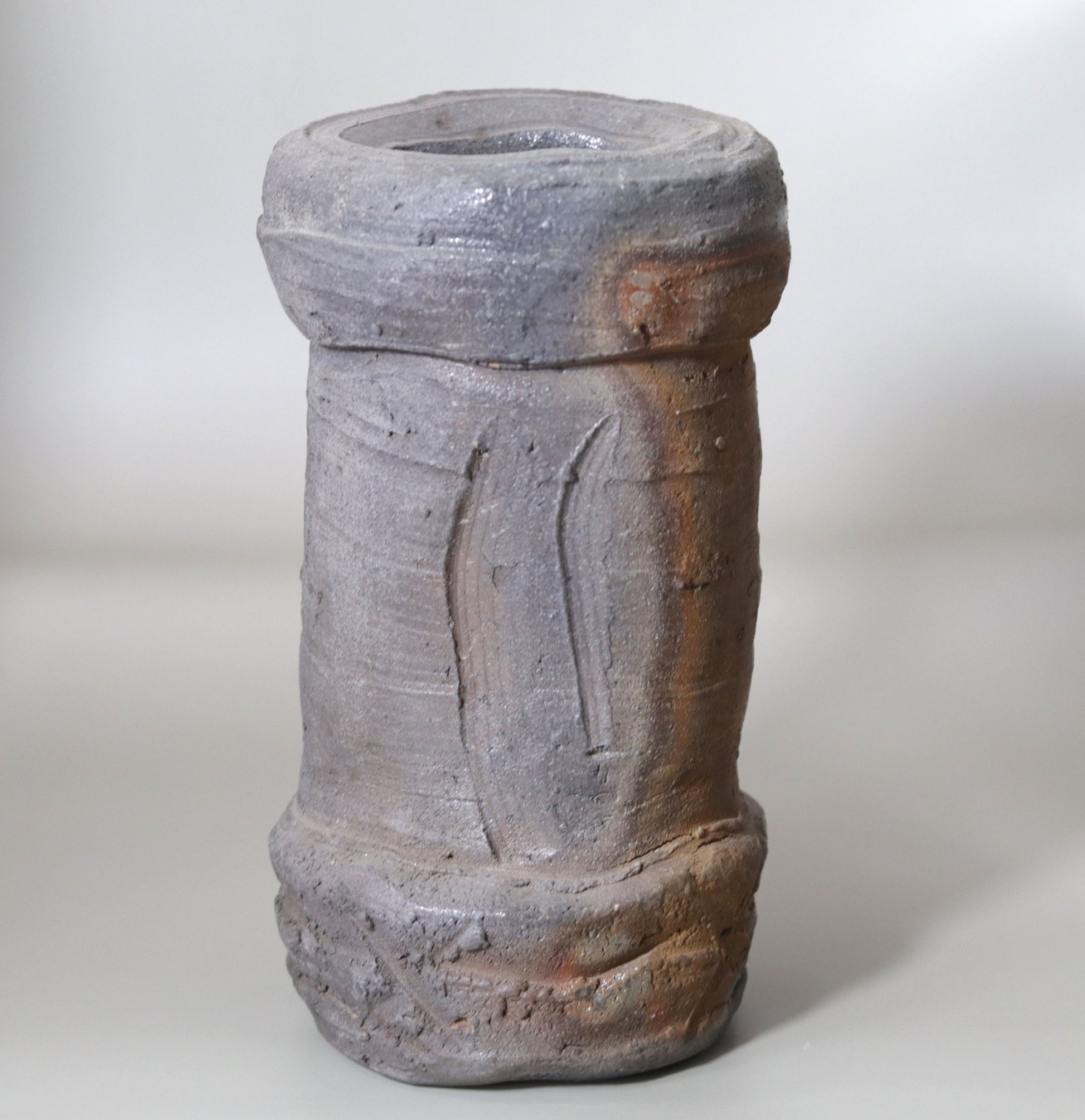
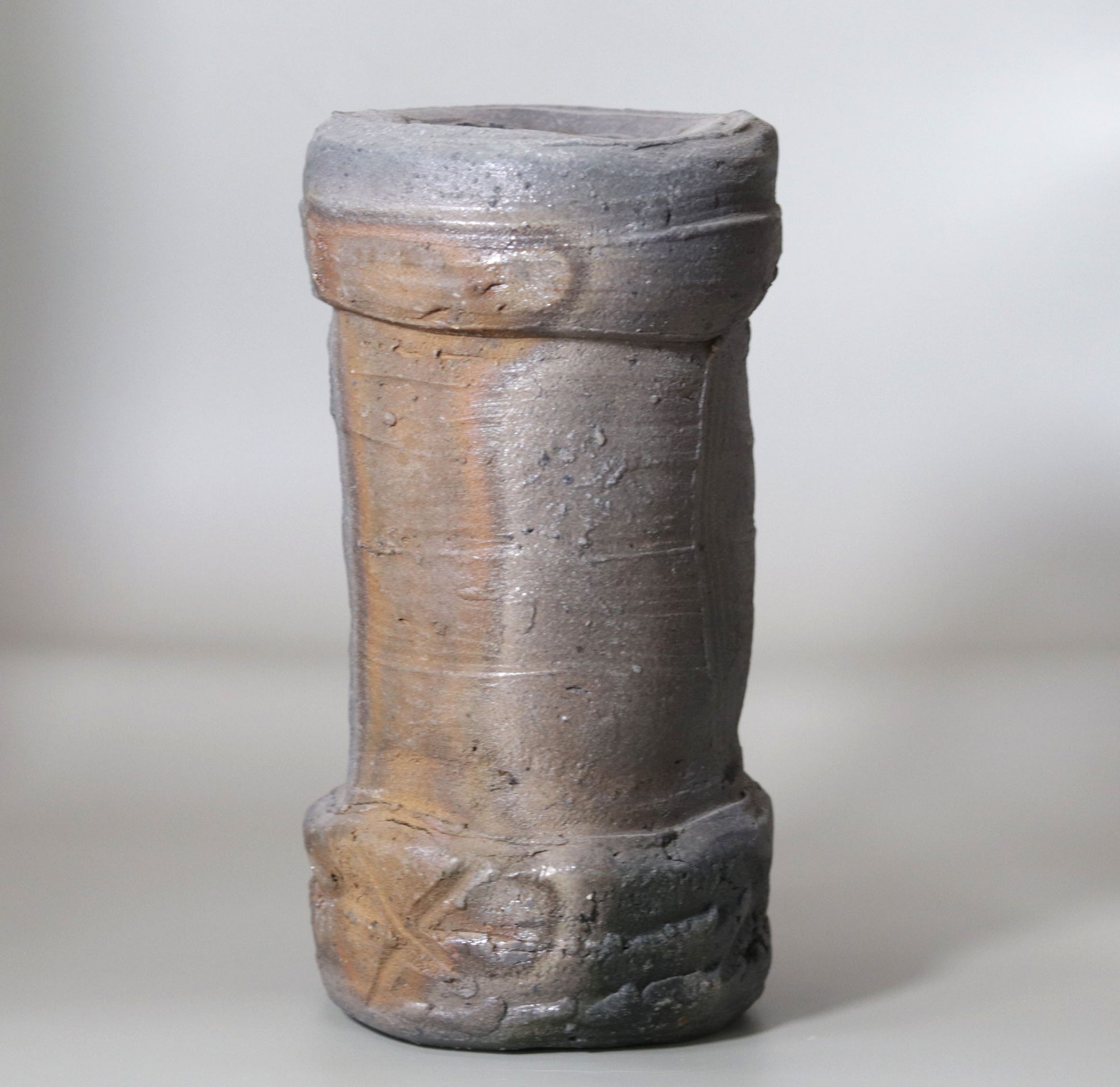
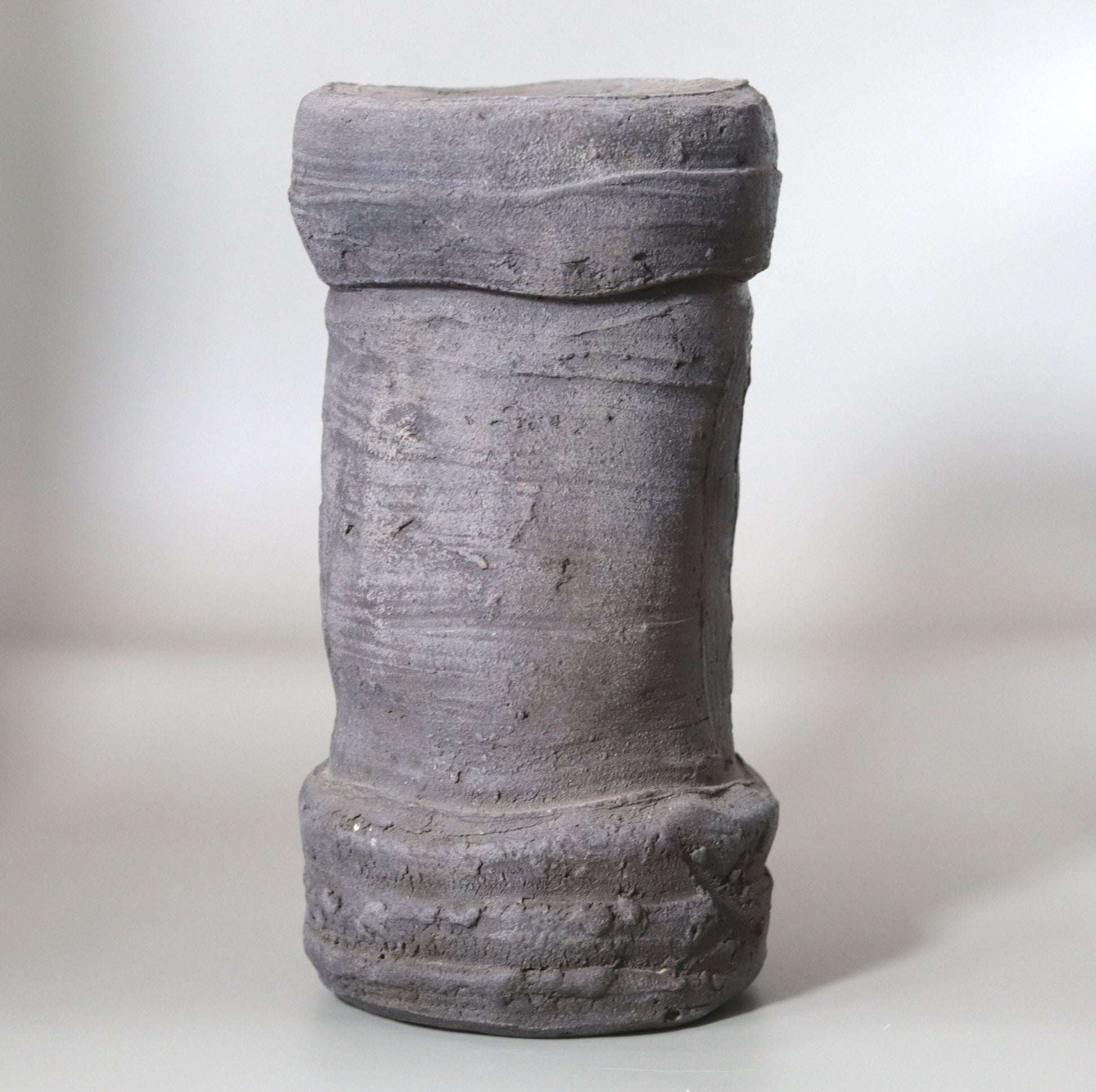
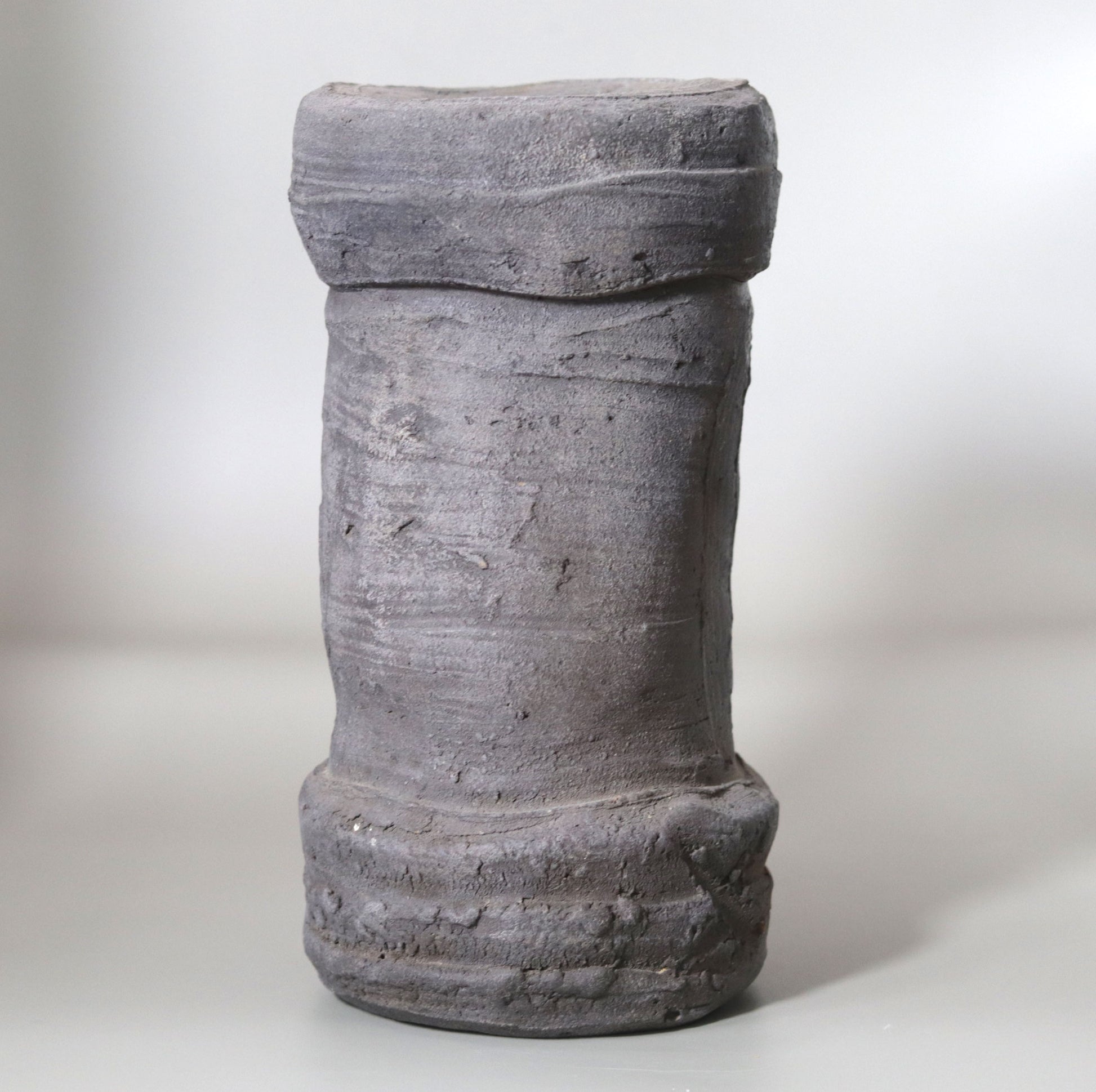
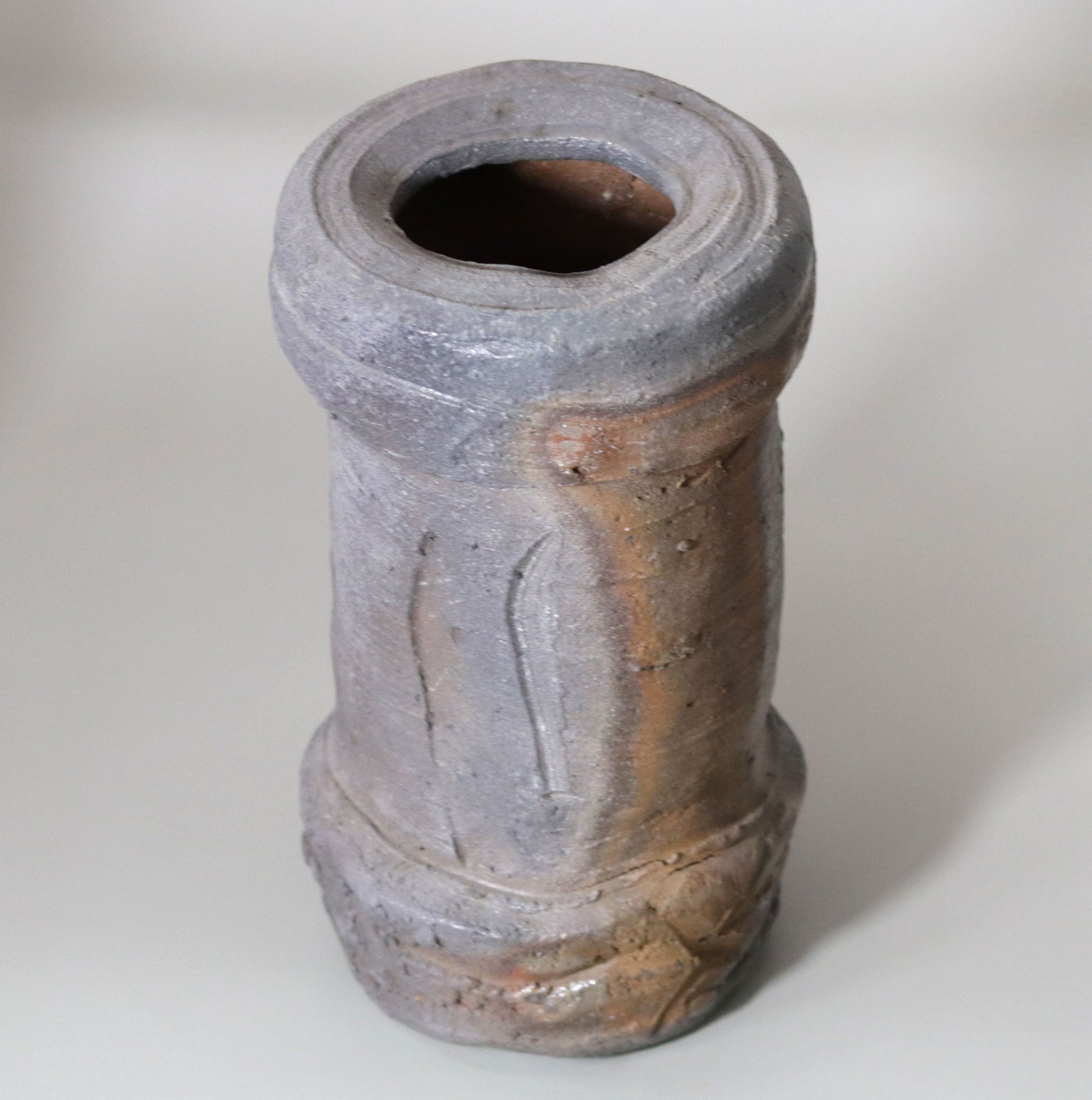
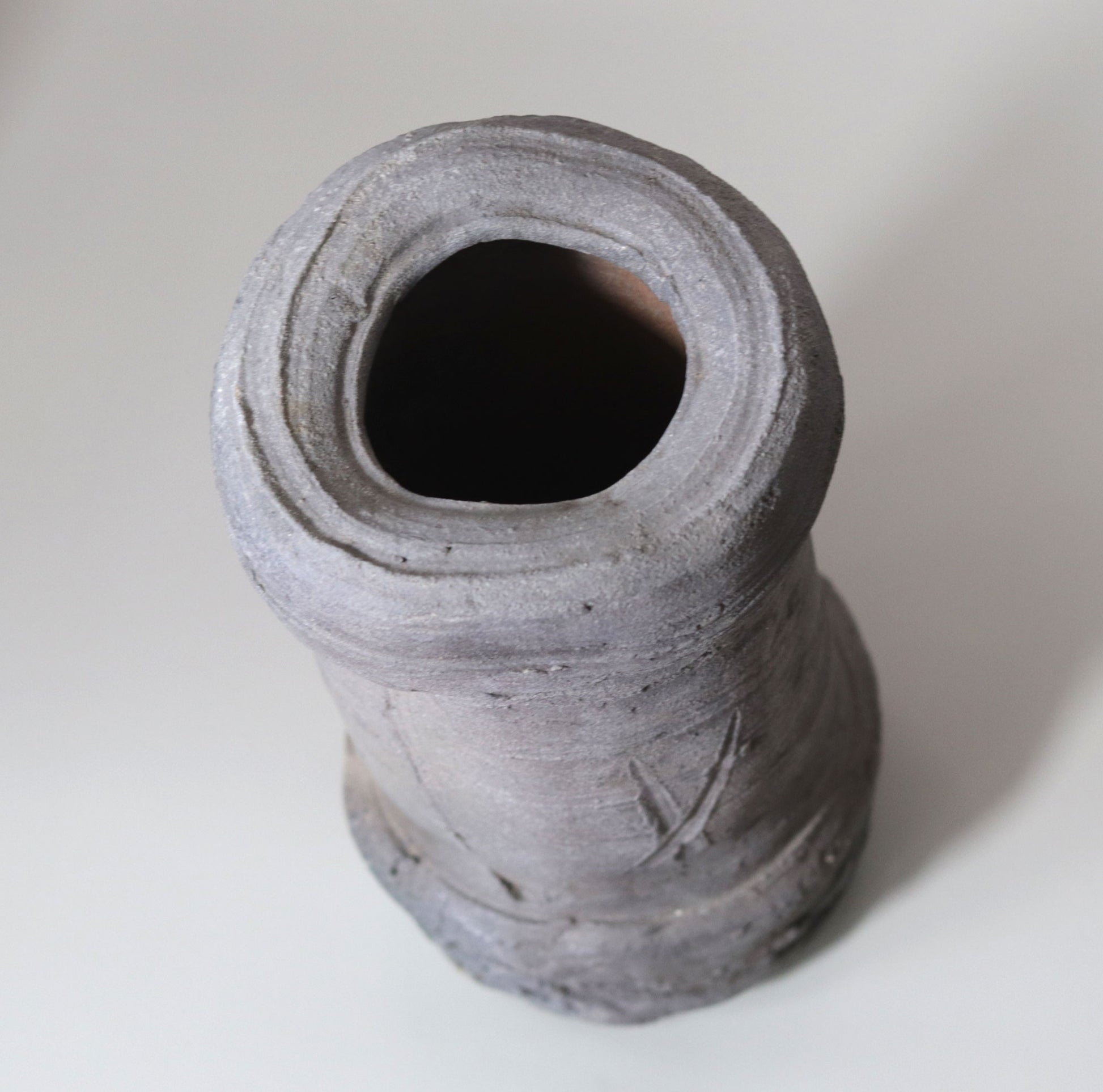
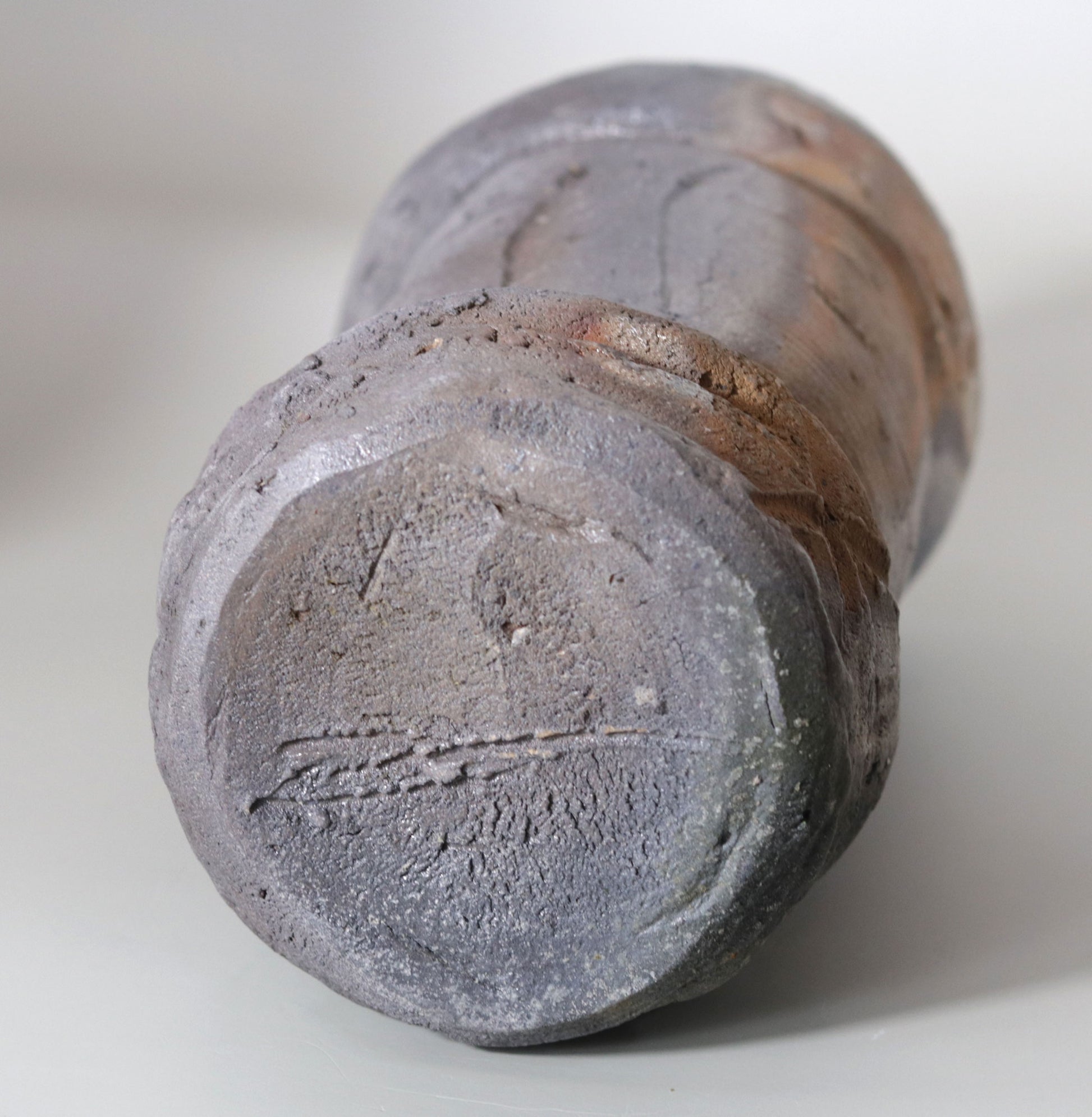
Magnetic vase by Nishihata Tadashi
Magnetic vase by Nishihata Tadashi
Couldn't load pickup availability
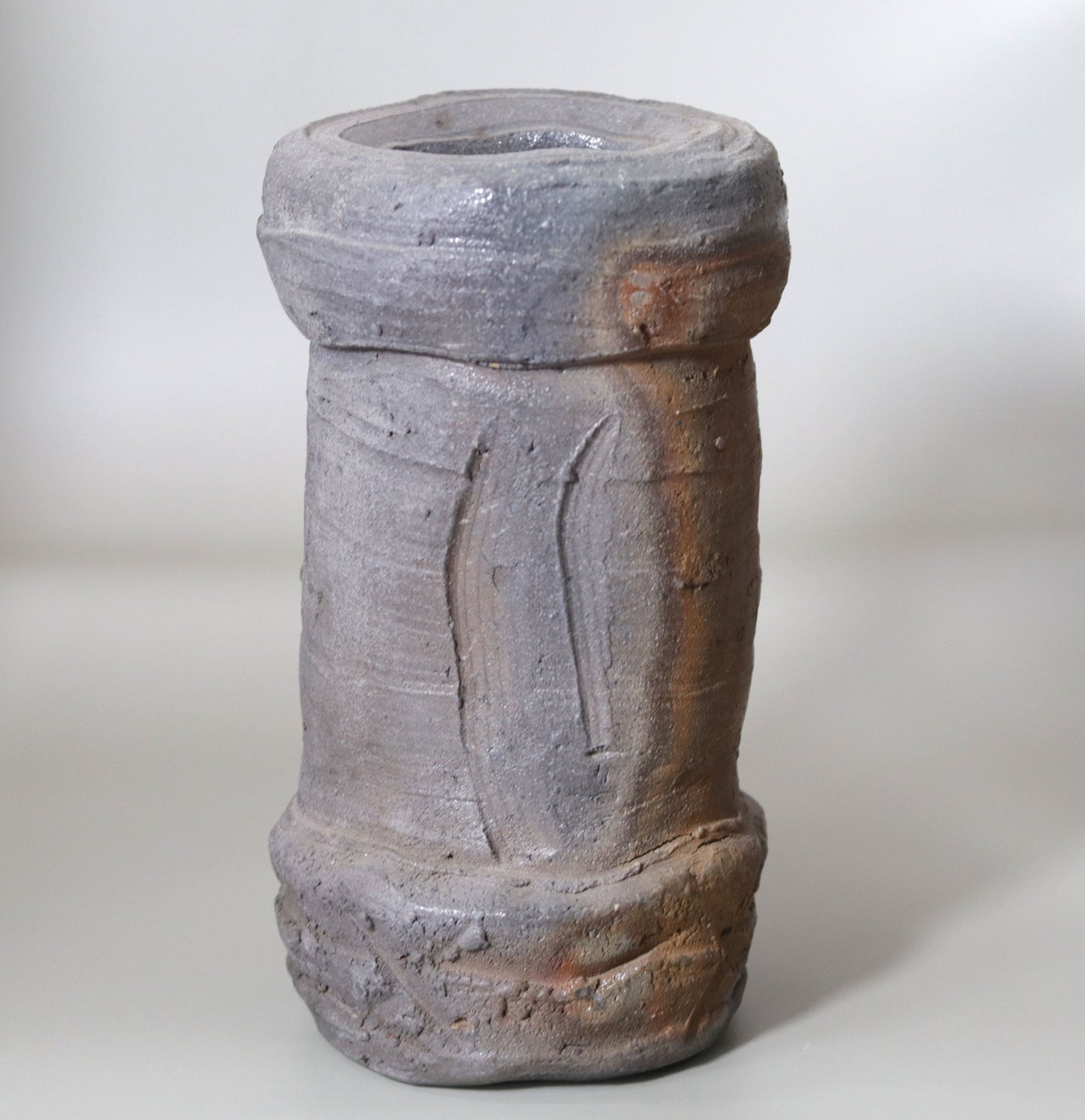
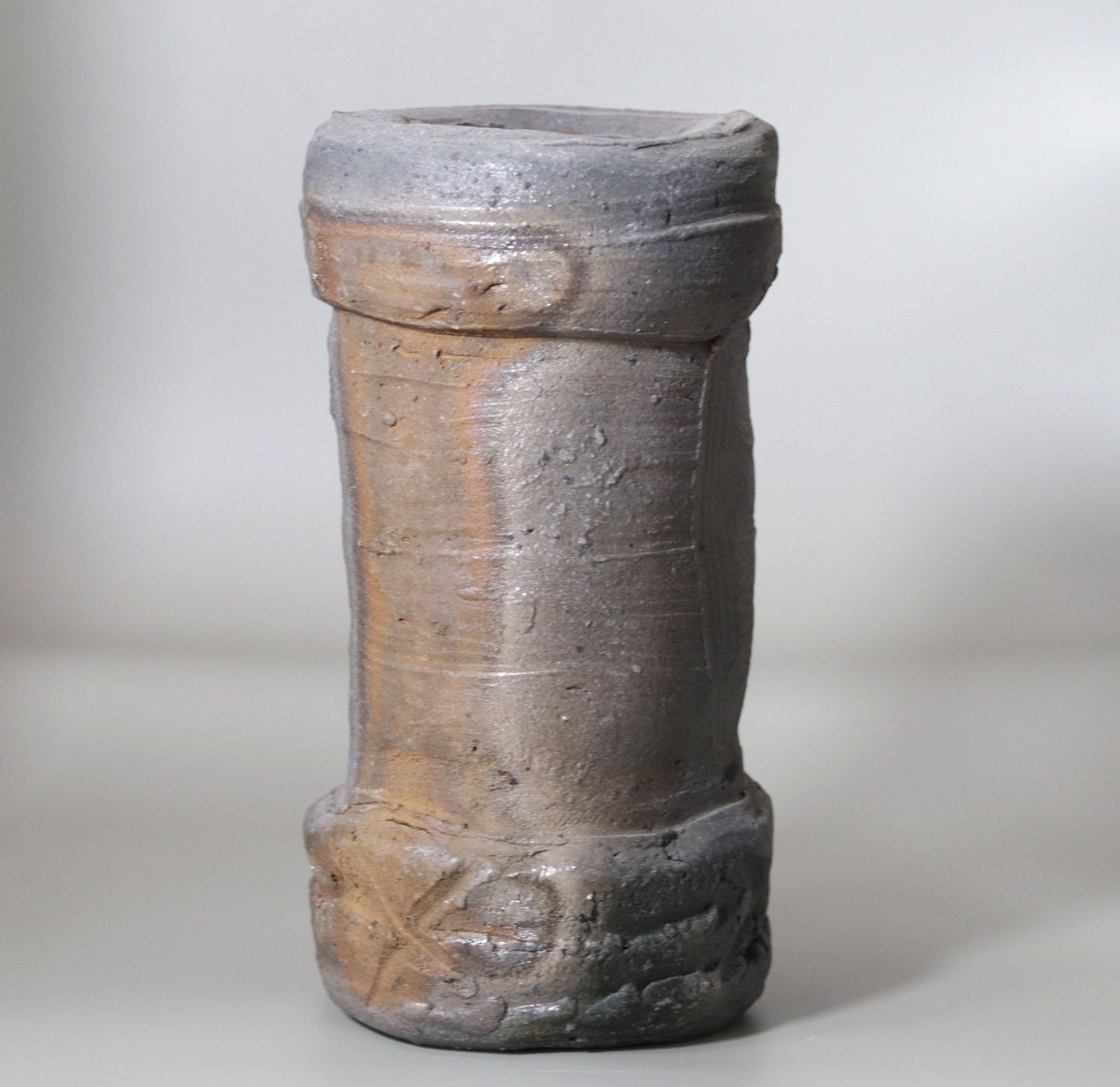
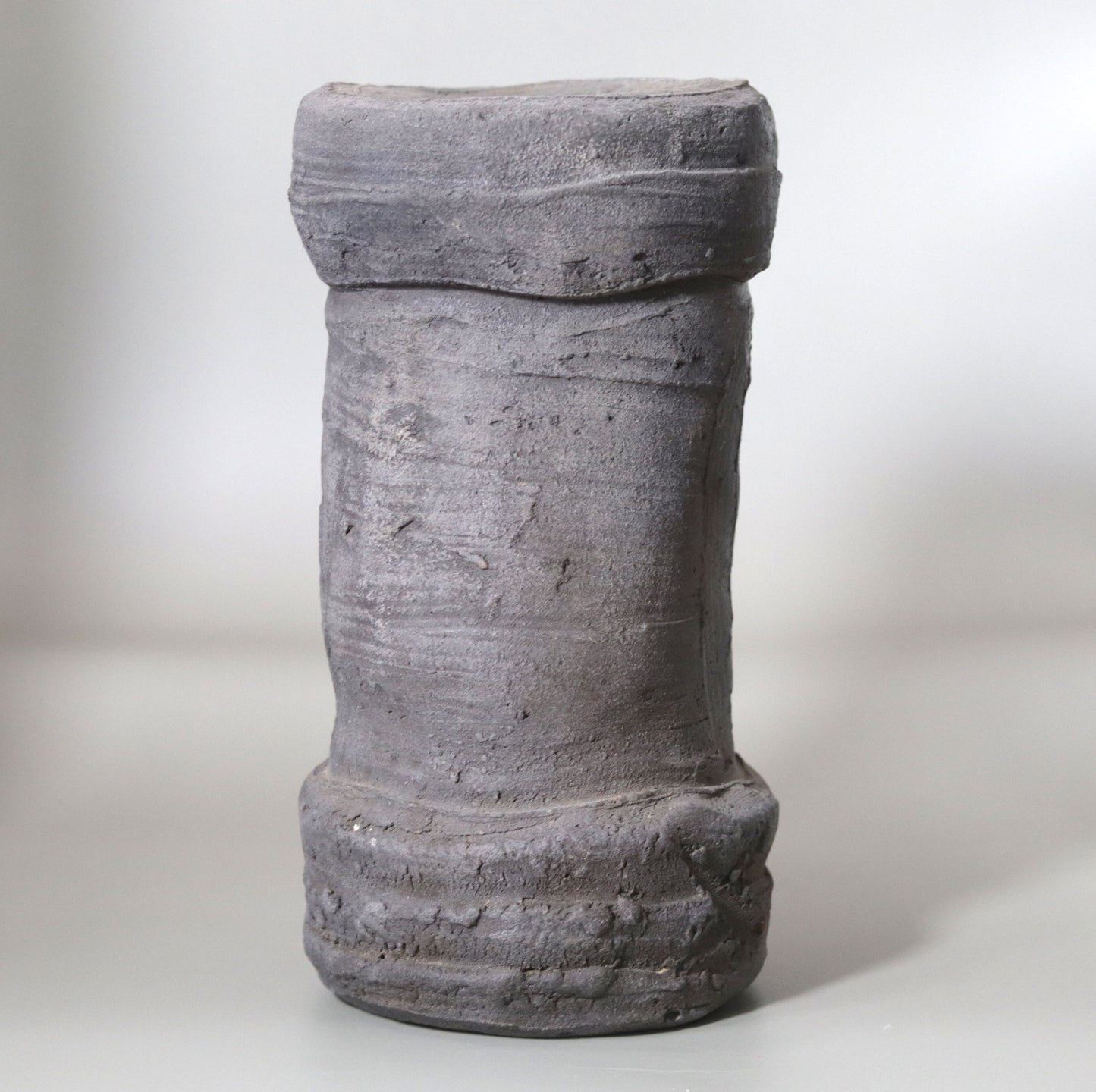
Height: 19.2cm Width: 10.8cm Depth: 10.8cm
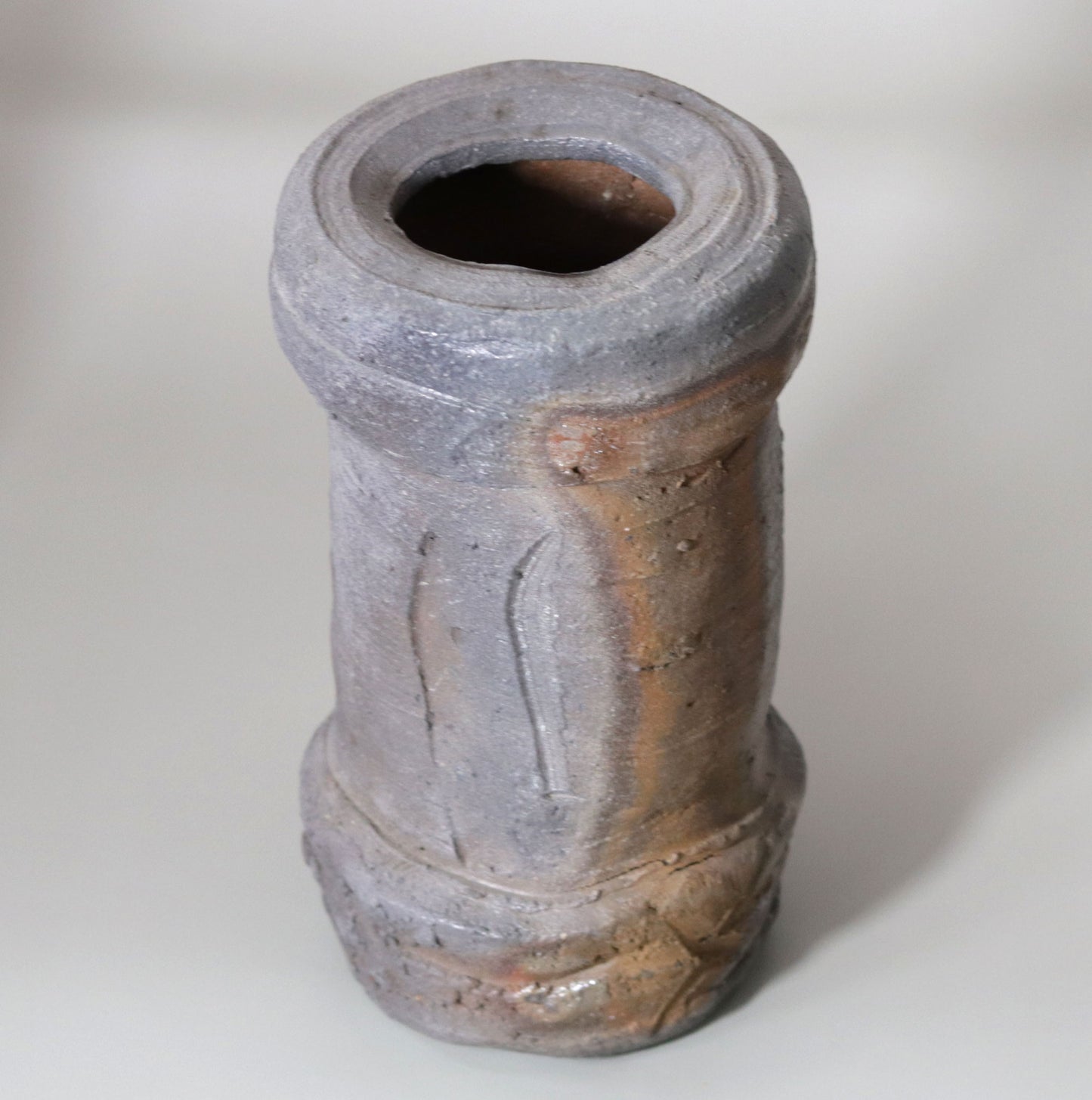
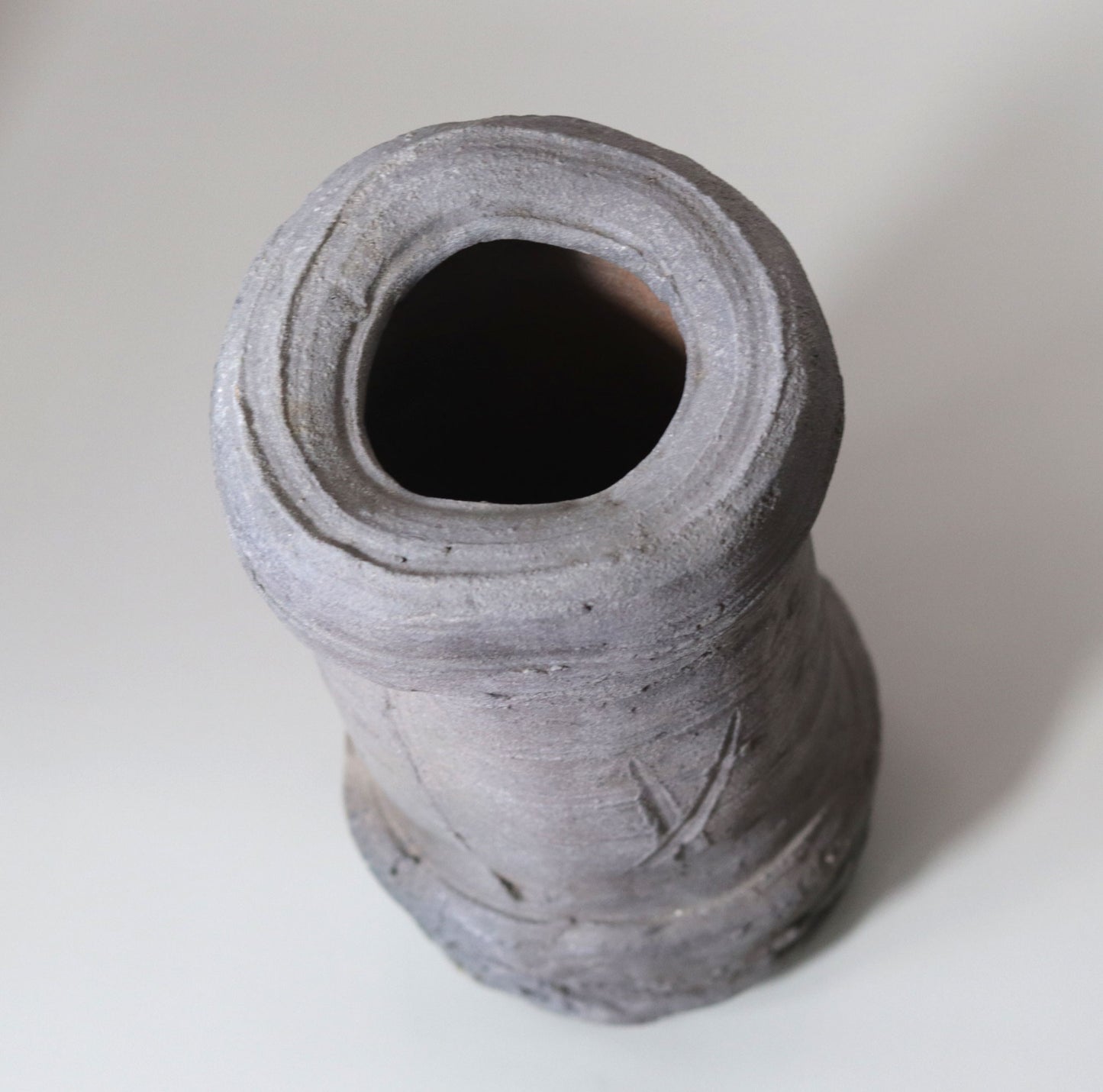
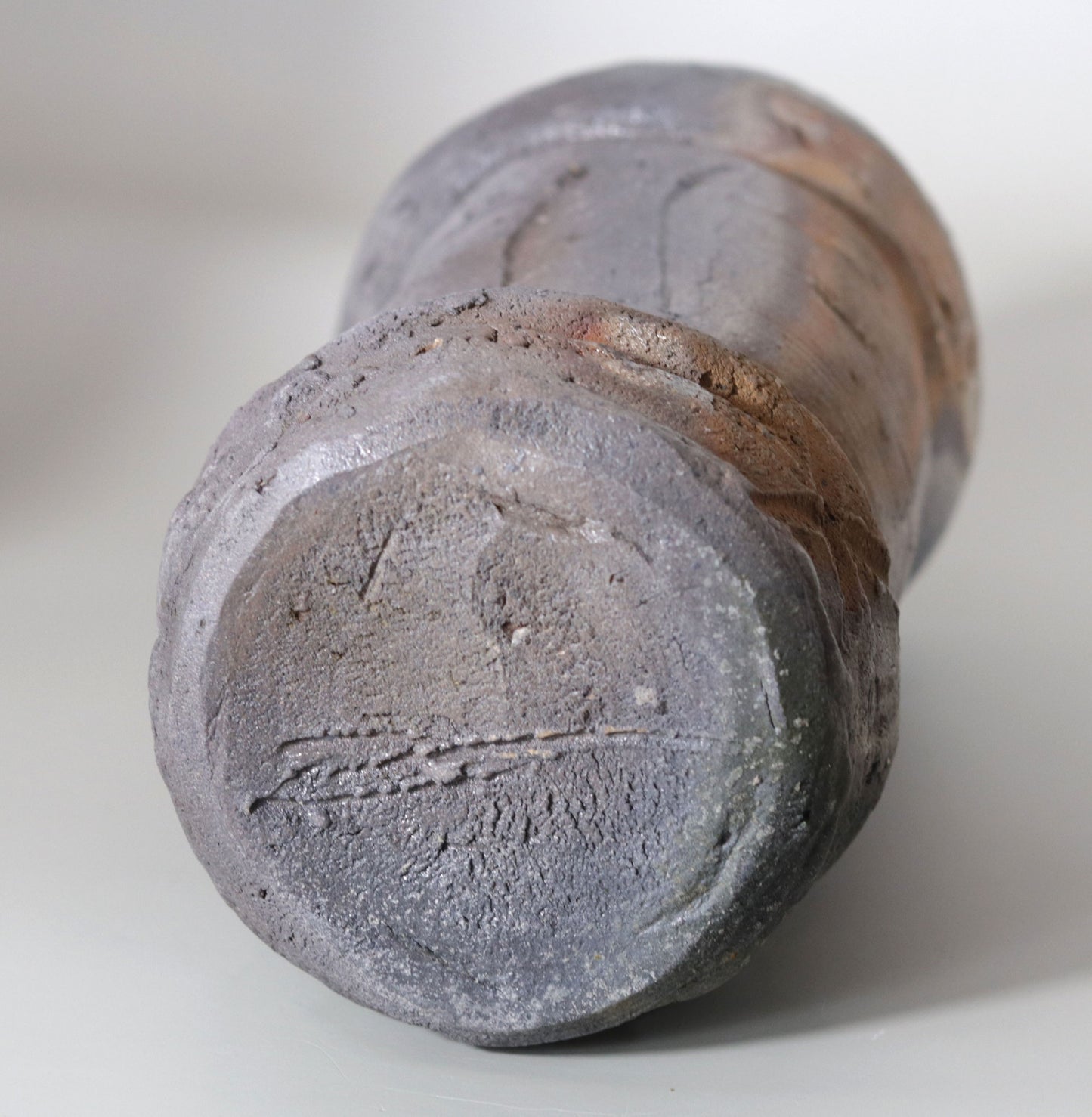
Tanba kiln-changed vases are vessels used in the world of tea ceremonies to hold flowers, and among these, they are works of art with a particularly unique beauty. Kiln-change refers to the phenomenon in which the work is usually buried in ash during firing, and then the surface is fired in a glass-like color such as black, blue, or gray through reduction firing, resulting in a distinctive appearance. This kiln-change technique creates a unique appearance that makes no two pieces the same.
The charm and beauty of kiln change
The greatest appeal of Tamba Kiln-changed Vase is the beauty of the kiln changes that occur during firing. The glass-like black, blue, and gray colors that appear on the surface can be described as art created by nature. The unique patterns and color changes that occur when the piece is fired while buried in ash capture the hearts of viewers and offer a beauty that never gets old. This vase is a work of art that allows you to enjoy its one-of-a-kind scenery.
The role of flower vases in the world of tea ceremony
In the world of tea ceremony, a vessel for arranging flowers is called a "hana-ire." At a tea ceremony, after the kaiseki meal, guests leave their seats and step onto the benches in the garden until the after-session begins, which is called "nakadachi." A tea ceremony that includes this nakadachi is considered a formal tea ceremony, and while calligraphy and paintings are hung in the tokonoma alcove at the first session, flowers are displayed at the after-session. At tea ceremonies that omit nakadachi or at large tea ceremonies, a "shosho-ori" ceremony is held, where a hanging scroll and a flower vase are both displayed in the tokonoma alcove.
The presence and beauty of Tamba kiln-fired vases
Tanba kiln-fired vases have an overwhelming presence, along with the unique beauty of the kiln-fired ware. The glassy black, blue, and gray colors give the entire vase a complex look that captivates the viewer. Arranging flowers in them further enhances their beauty, creating a special atmosphere.
The idea of "use is beauty" and practicality
The Tamba Kiln-fired Vase is a work that embodies the idea of "use is beauty." By using it, you can enjoy both its functionality and beauty at the same time. It will make your tea ceremony experience even more special, and you will be captivated by its beauty every time you use it. While modern crafts are increasingly deviating from the idea of "use is beauty," this vase is a rare work that continues to uphold that idea.
Craftsmanship and artistry
This vase is a masterpiece that brings together the outstanding technique and artistry of a skilled artisan. Utilizing the kiln-changing technique, the firing technique that maximizes its beauty is the result of Mr. Nishibata's many years of experience and hard work. Holding it in your hands will allow you to feel both the tradition and innovation of Tamba ware.
Creating a special moment
Tanba kiln-fired flower vases create an even more special atmosphere during tea ceremonies and other special occasions. Their unique beauty and presence bring a special atmosphere to tea ceremonies and provide a sense of comfortable satisfaction. You will be captivated by their beauty and functionality every time you use them.
Lasting Value
This vase will retain its beauty over time. The more you use it, the more its texture will improve, and you will gradually grow to love it more and more. It is sure to become a treasured item that you can use for a long time.
Tamba Kiln-Vase is a supreme work of art that beautifully combines the tradition of Tamba ware with modern techniques. Its serene beauty and presence will make your tea ceremony moment even more special. It also combines beauty as an object with practicality, allowing you to enjoy its charm in any situation.
Tadashi Nishibata Biography
Born on February 24, 1948. Started making pottery in 1969. 1976. Hyogo Prefectural Exhibition Encouragement Award. 1986. Selected for the Japan Traditional Crafts Exhibition for the first time. 1988. Selected for the Japan Traditional Crafts Exhibition. Japan Traditional Crafts Exhibition. Japan Crafts Association President's Award. 1989. Selected for the Japan Ceramic Art Exhibition. Nogawa Memorial Award, Handon no Kai. 1991. Selected for the Japan Traditional Crafts Exhibition. Selected for the Japan Ceramic Art Exhibition. Grand Prize at the Tea Ceremony Forms Exhibition. 1992. Selected for the Japan Traditional Crafts Exhibition. Excellence Award at the Tea Ceremony Forms Exhibition. Hyogo Prefecture Emerging Artist Encouragement Award. Invited to exhibit at the NHK-sponsored Paris - 100 Contemporary Japanese Ceramics Exhibition. Excellence Award at the Tea Ceremony Forms Exhibition. 1993. Selected for the Japan Traditional Crafts Exhibition. Solo exhibition at Sogo Hiroshima store. Kyoto Chemin. 1994. Selected for the Japan Traditional Crafts Exhibition. Solo exhibition at Nihonbashi Mitsukoshi Main Store. 1995. Selected for the Japan Traditional Crafts Exhibition. Solo exhibition at Sogo Hiroshima store. 1996. Selected for the Japan Traditional Crafts Exhibition. Awarded the Excellence Award at the Tea Ceremony Design Exhibition, solo exhibition at Nihonbashi Mitsukoshi Main Store
1997 Encouragement Award at the Tea Ceremony Design Exhibition 1998 Selected for the Japan Traditional Crafts Exhibition Solo exhibition at Mitsukoshi Nihonbashi Main Store Selected for the Japan Traditional Crafts Exhibition 2000 Solo exhibition at Mitsukoshi Nihonbashi Main Store Solo exhibition at Mitsukoshi Fukuoka 2001 Selected for the Japan Traditional Crafts Exhibition 2002 Solo exhibition at Mitsukoshi Nihonbashi Main Store Solo exhibition at Gallery Dojima 2003 Solo exhibition at Touchingston, USA 2004 Grand Prize at the Tea Ceremony Design Exhibition at Sogo Hiroshima 2005 Exhibited at the Akashi City Museum of Culture and Hyogo Ceramics Exhibition Purchase of Akadobedai, Hyogo Ceramic Art Museum Solo exhibition at Gallery Dojima, Mitsukoshi Nihonbashi Main Store 2006 Grand Prize at the Tea Ceremony Design Exhibition Selected for the Japan Traditional Crafts Exhibition at the Museum of Fine Arts, Boston and the New York Japan Society Gallery Solo exhibition at Yokohama Takashimaya Touchingston, USA Father and Son Exhibition at Matsuyama Takashimaya Toshunkai Exhibition, Sogo Yokohama. Encouragement Award at the Tea Ceremony Art Exhibition. Selected for the Japan Traditional Crafts Exhibition in 2008. Selected for the Japan Traditional Crafts Exhibition. Solo Exhibition, Yokohama Takashimaya, Mitsukoshi Nihombashi, Santa Fe, Touchingston, USA. Toshunkai Exhibition, Funabashi, Seibu, Sogo Hiroshima. Invited to the Japanese Ceramics Exhibition in 2009. Solo Exhibition, Gallery Dojima, Sendai Mitsukoshi, 2010. Sogo Kobe. Exhibited in the Musee Tomo Grand Prize Exhibition, Contemporary Tea. Solo Exhibition, Yokohama Takashimaya, Touchingston, USA. Invited to the Japanese Ceramics Exhibition. Solo Exhibition, Joan B. Marvis, New York, USA. Invited to the Japanese Ceramics Exhibition in 2013. Exhibited in the "Contemporary Famous Bowls" exhibition at the Musee Tomo, Kanmi Kikuchi Memorial. Solo Exhibition, Mitsukoshi Nihombashi, Santa Fe, Touchingston, USA. Gallery Miyazaki, Sogo Kobe, Chiba Sogo, 2014. Solo Exhibition, Mitsukoshi Nihombashi, 2015. Received the Hyogo Prefecture Cultural Award in 2016. Exhibited at Higashihiroshima City Museum of Art for "Ceramics that Color Our Lives - Food Ware" Exhibited at Joan B. Marvis' 40th Anniversary Exhibition in 2017.
2018 Solo Exhibition at Nihonbashi Mitsukoshi Main Store
Share
-
[I will send it to you quickly and carefully]
We carefully package each product in a way that suits it best.
Also, delivery times vary depending on the piece (vessel, etc.).
Items that already come with a box will be shipped within 1-3 days of the order date.
For items that require a box to be made after your order, it will take approximately 30 days for production to be completed and then shipped.
In either case, once we have confirmed your order, we will contact you by email to inform you of the delivery date.
-
[Requests when purchasing pottery]
Even products that look the same may differ slightly in color, shape, size, etc.
The way the glaze is used, the power of the kiln, the firing method, the season, and the humidity also affect the appearance of the pottery.
Please understand the individuality of each piece of pottery and enjoy the unique warmth of handmade.