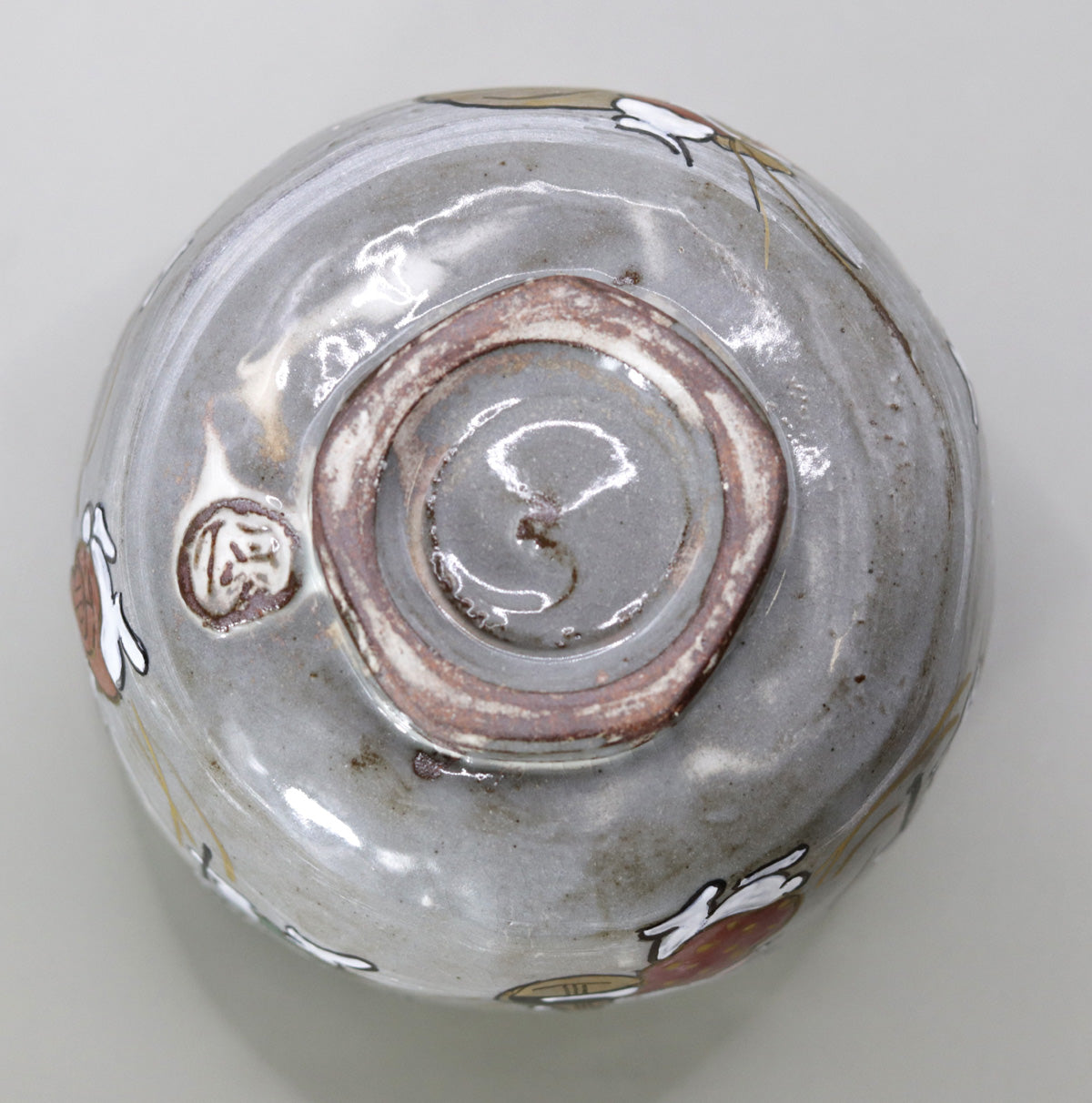
Seven Lucky Gods Rabbit Tea Bowl by Okada Yu
Seven Lucky Gods Rabbit Tea Bowl by Okada Yu
Couldn't load pickup availability
Width: 11.5cm Height: 8.5cm
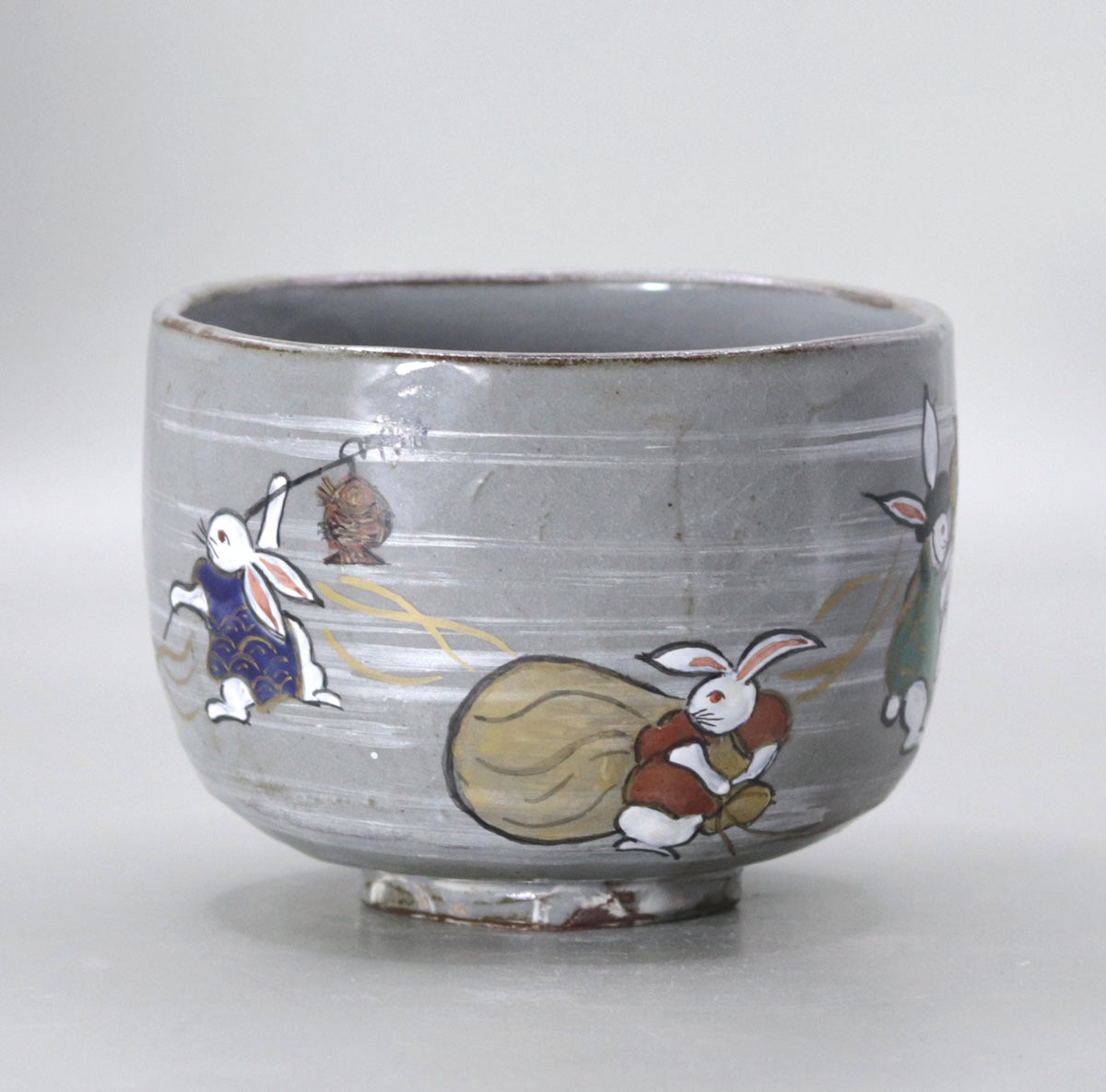
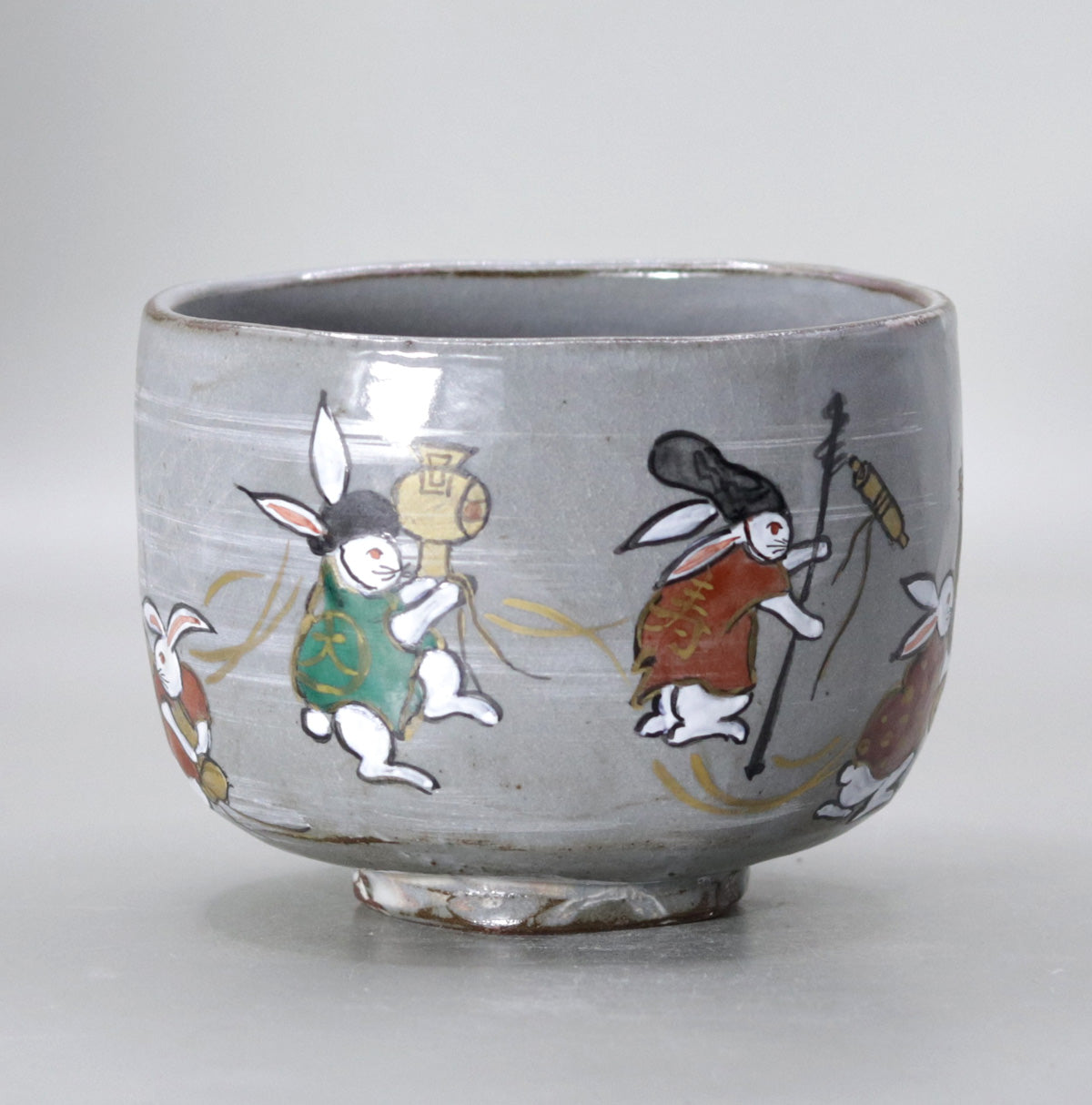
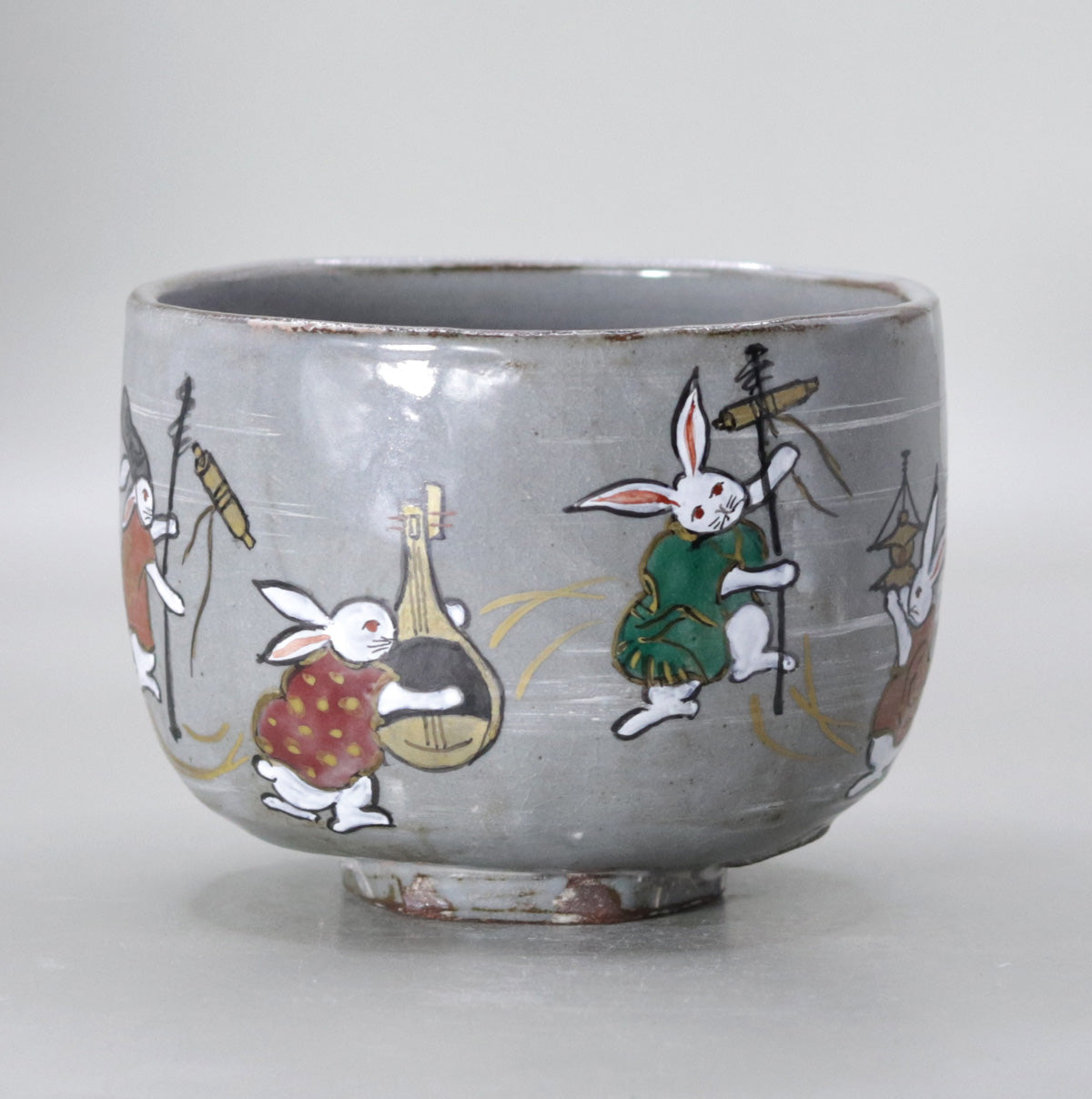
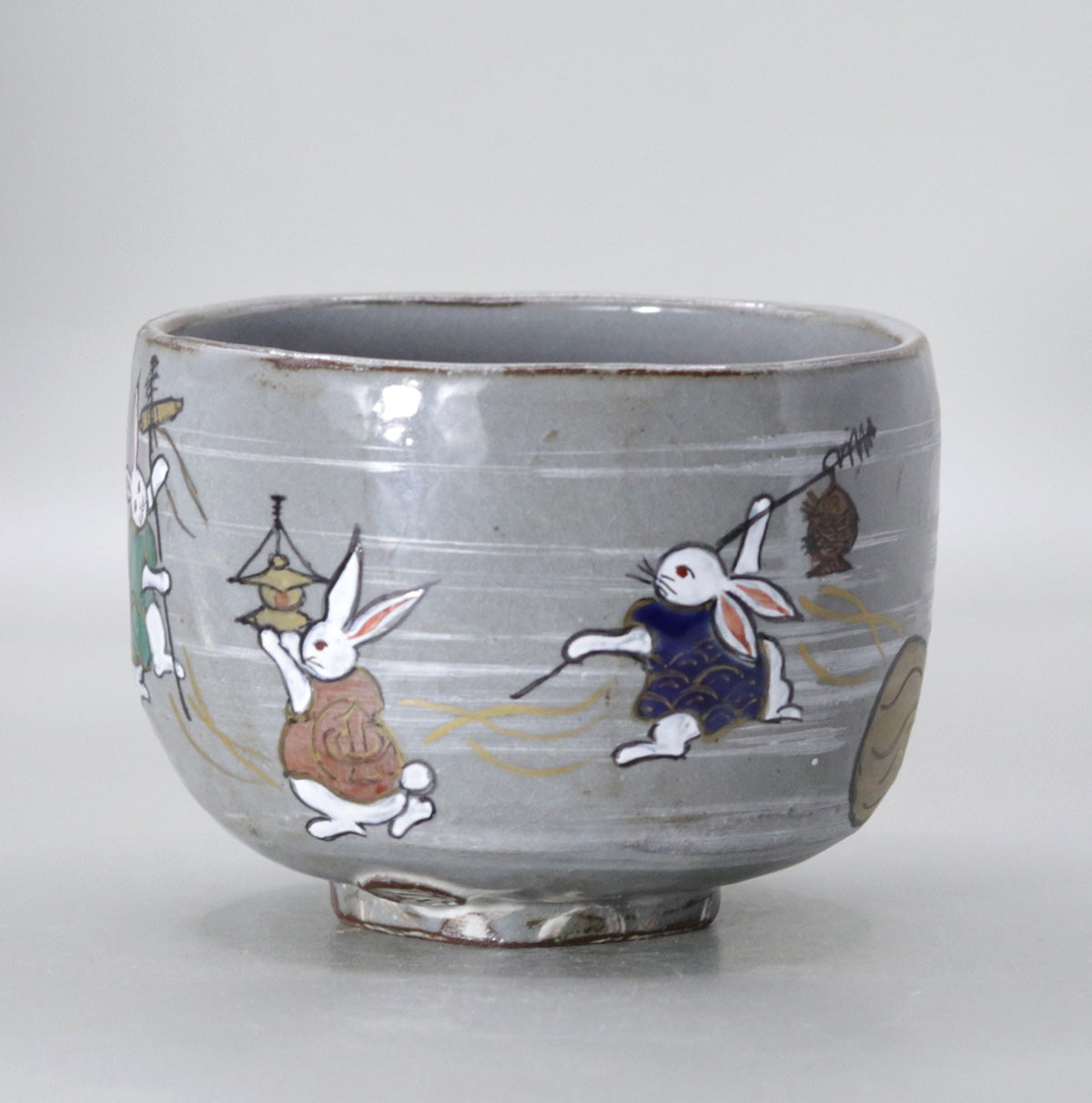
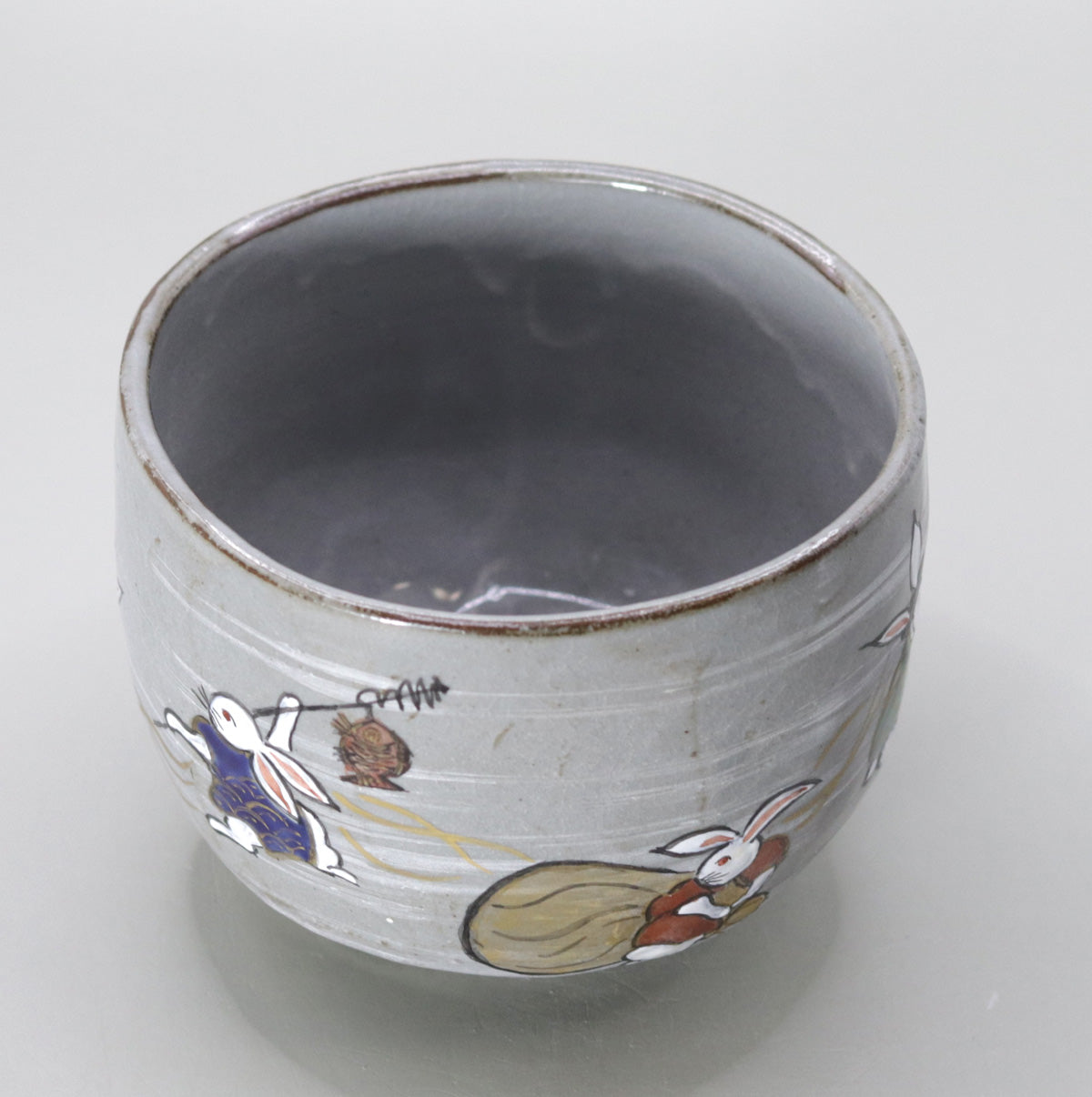
Seven Lucky Gods Rabbit Tea Bowl (Shichifukujin Rabbit Tea Bowl) by Okada Masaru - "A bowl with a leaping rabbit, wrapped in the auspicious wind, that brings good fortune."
The concept of the work: The Seven Lucky Gods transformed into rabbits
This playful tea bowl depicts the procession of the Seven Lucky Gods, beloved since ancient times as "boats that bring good fortune," in the form of adorable rabbits. Rabbits are considered messengers of the moon and are also symbols of leaps forward, prosperity of descendants, and good fortune. Adding to this the protection of the Seven Lucky Gods creates a double auspiciousness that lifts the hearts of those who see it.
Design highlights
| Seven Lucky Gods | Rabbit costume and belongings | Symbolic Good Fortune |
|---|---|---|
| Ebisu | Green robes, eboshi hats, and a fishing rod for sea bream | Prosperous business and bountiful catch |
| Daikokuten | Red coat, magic mallet and large bag | Abundant harvest and wealth |
| Bishamonten | Navy blue robe, holding a pagoda | Protection from misfortune and luck in games |
| Benzaiten | Purple robes, Shinobue instead of Biwa | Artistic achievement and wealth |
| Fukurokuju | Wearing a yellow robe and carrying a scroll, he represents longevity | Popularity and longevity |
| Jurojin | Wearing a brown robe and carrying a cane and a peach | healthy long life |
| Hotei-son | Zhu Yi carrying a large bag | Tolerance and fertility |
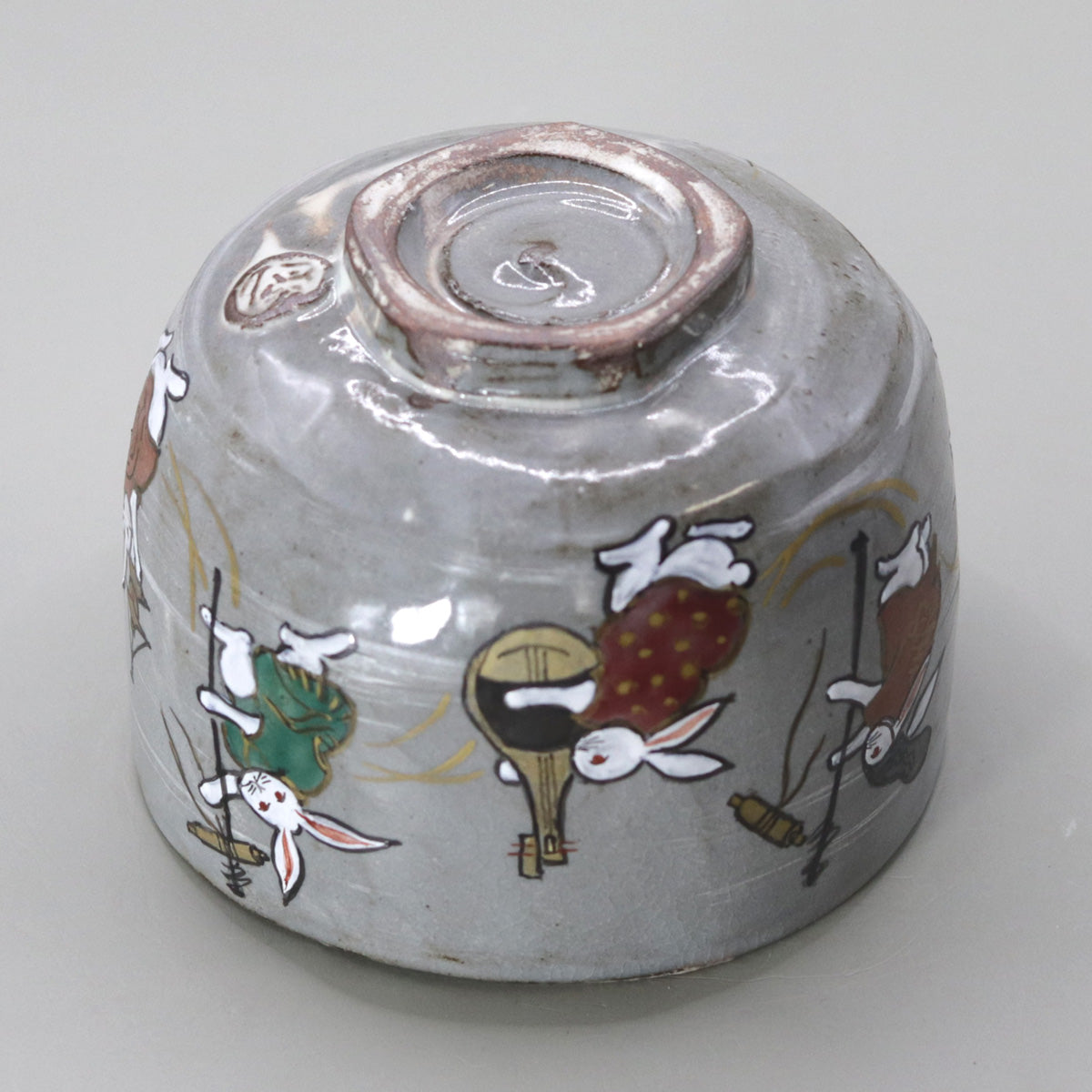
The rabbits are rhythmically depicted around the outside of the body, joyfully parading. Golden flowing lines of wind connect the rabbits, emphasizing the dynamism of the procession. Thin ridges surround the rabbits, evoking the "path" of moonlight on a dark road.
The beauty of color and brushwork
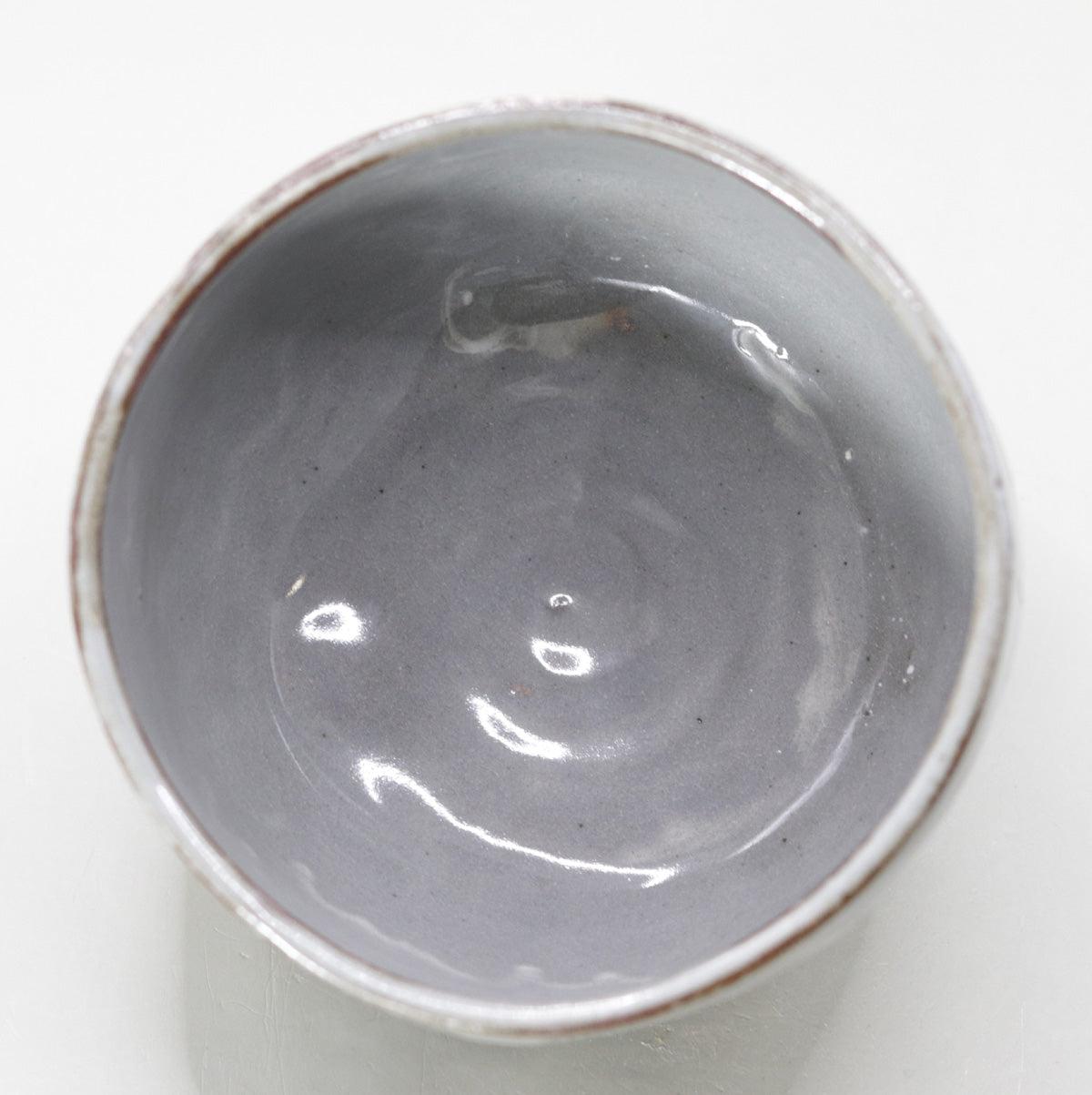
The white, vermilion, green, and navy blue overglaze paint stands out vividly against the subdued grayish glaze. The outlines are drawn with shades of ink, and the patterns on the robes are subtly dotted with gold, shining faintly under the tea ceremony lights. The cuteness of the piece is accentuated by the refined and elegant brushwork of Kyoto ware painting.
Key points of the design
The slightly low base gives a sense of stability while also making the overall silhouette appear light.
The horizontal ridges on the body provide a good grip for the fingers and guide the color of the water outwards.
The slight distortion of the rim gives the handle a soft accent, suggesting the leaping of a rabbit.
Auspicious background
The Seven Lucky Gods are representative of the pictures of blessings and good fortune that were popular among the common people from the end of the Muromachi period to the beginning of the Edo period. On the other hand, rabbits are widely featured in picture scrolls and toys, including the "Choju Giga," and are considered lucky charms that represent leaps and leaps. This work combines the two, creating a "small lucky boat" that brings playfulness and celebratory spirit to the modern tea ceremony.
Combination and usage
| scene | Interest | One-liner performance |
|---|---|---|
| Early spring thin tea | Perfect for the New Year's "Hatsugama" (first tea ceremony). The contrast between the pale ash glaze and the painted design makes the green of the matcha stand out even more. | Pair it with a gorgeous tea caddy and a tea scoop decorated with gold lacquer to create a cheerful atmosphere. |
| Children's festivals | This is a celebration of wishes for the growth of family members, such as on Boys' Day and Girls' Day. The leaping rabbit symbolizes a leap into the future. | The dried sweets are accompanied by chitoseame candy and helmet-shaped rakugan, making it a celebratory tea ceremony for parents and children. |
| Celebration gifts | It is an ideal gift for housewarmings, weddings, etc., that conveys good fortune and leaps forward. | It will be appreciated if you include a strip of paper with the message "Good Fortune" in the gift box. |
Conclusion
A procession of Seven Lucky Gods rabbits leaping in the moonlight - behind the heartwarming scene of the Seven Lucky Gods Rabbit Tea Bowl lies the ancient Japanese desire for good fortune, longevity, and progress. Every time you place the bowl in your palm and slowly turn it, the rabbits will dash off in a new direction, bringing cheerful good fortune to your tea ceremony.
Share
-
[I will send it to you quickly and carefully]
We carefully package each product in a way that suits it best.
Also, delivery times vary depending on the piece (vessel, etc.).
Items that already come with a box will be shipped within 1-3 days of the order date.
For items that require a box to be made after your order, it will take approximately 30 days for production to be completed and then shipped.
In either case, once we have confirmed your order, we will contact you by email to inform you of the delivery date.
-
[Requests when purchasing pottery]
Even products that look the same may differ slightly in color, shape, size, etc.
The way the glaze is used, the power of the kiln, the firing method, the season, and the humidity also affect the appearance of the pottery.
Please understand the individuality of each piece of pottery and enjoy the unique warmth of handmade.