


Straw ash-glazed Tatsuta River tea bowl by Kosai Miyagawa
Straw ash-glazed Tatsuta River tea bowl by Kosai Miyagawa
Couldn't load pickup availability
Height: 7.5cm Width: 12.5cm
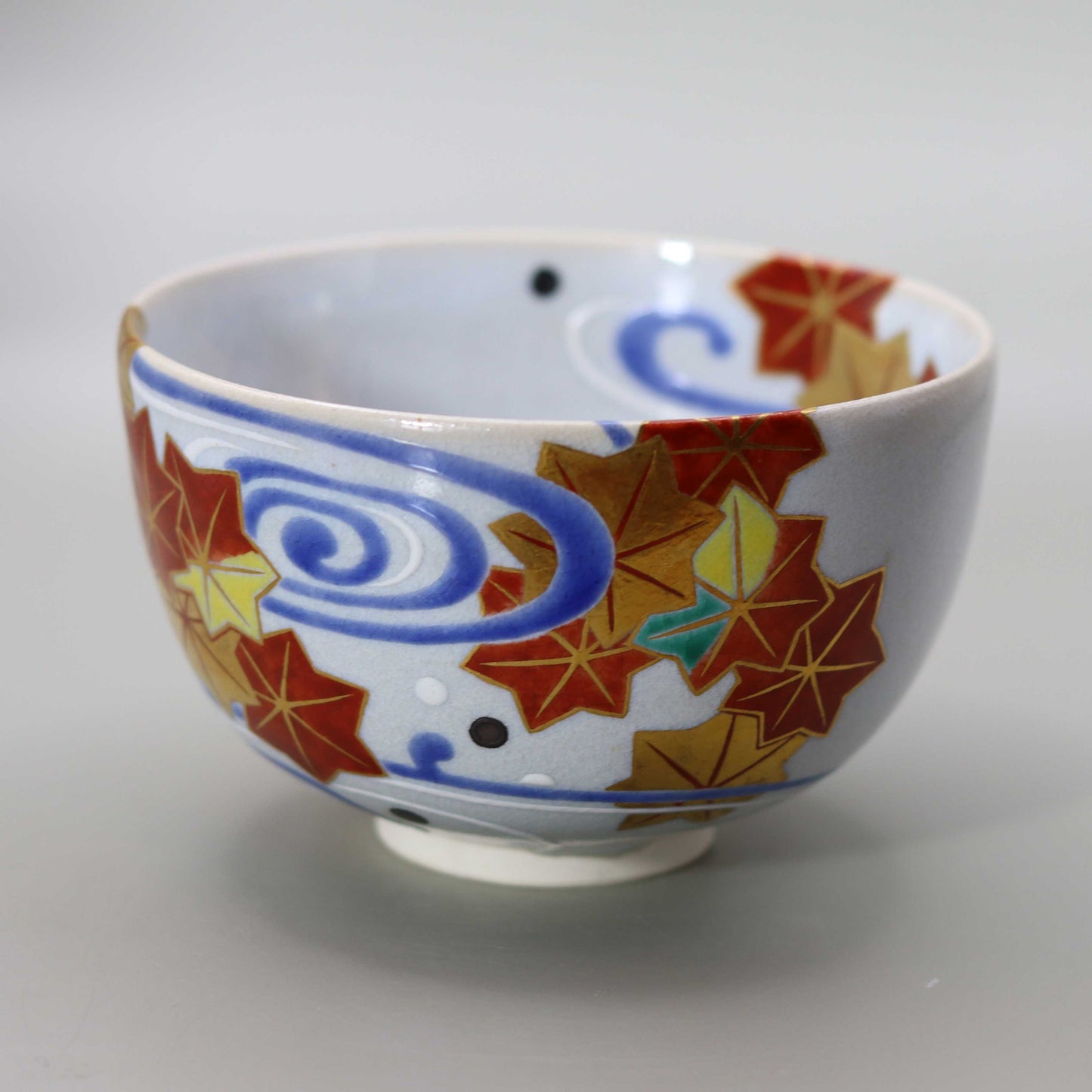
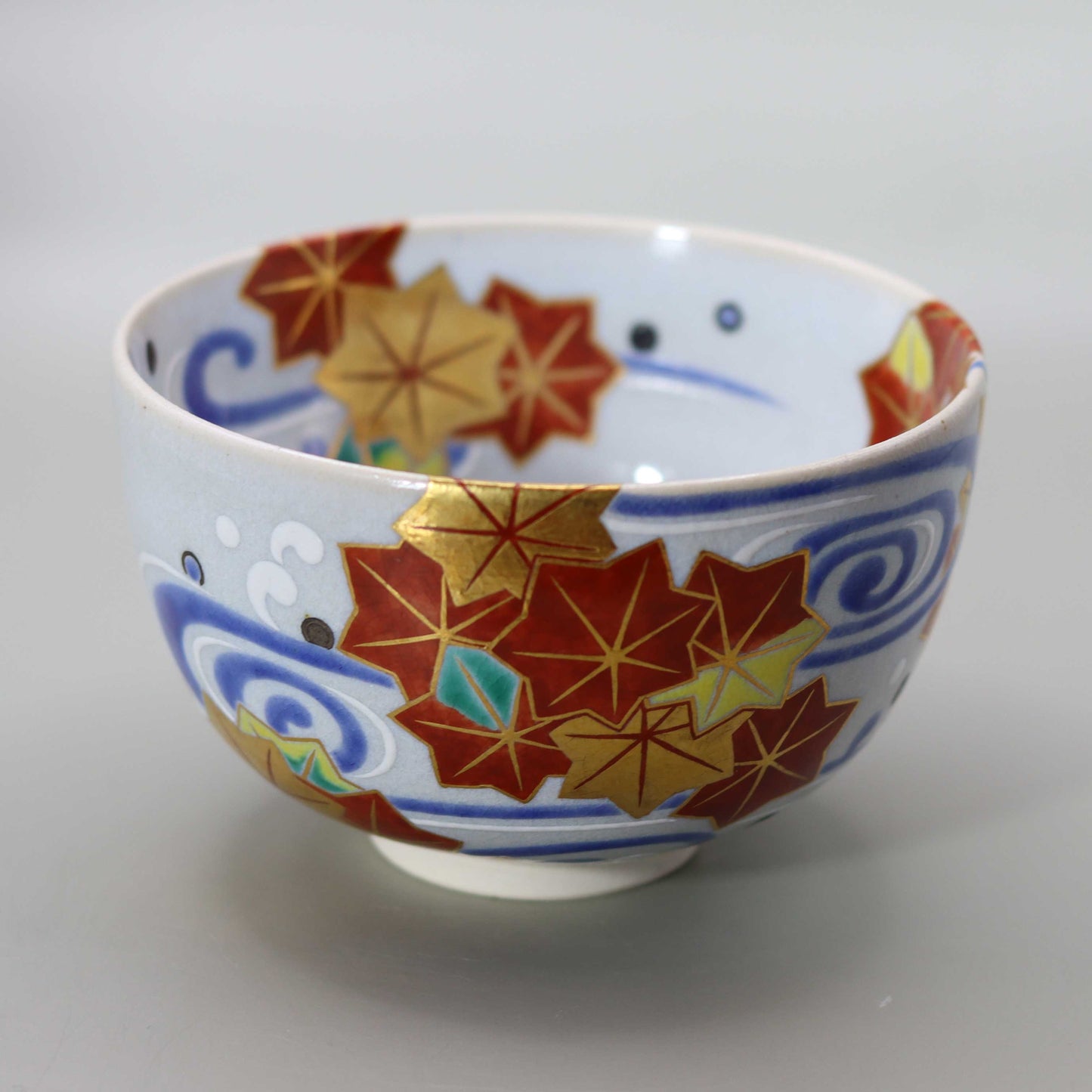
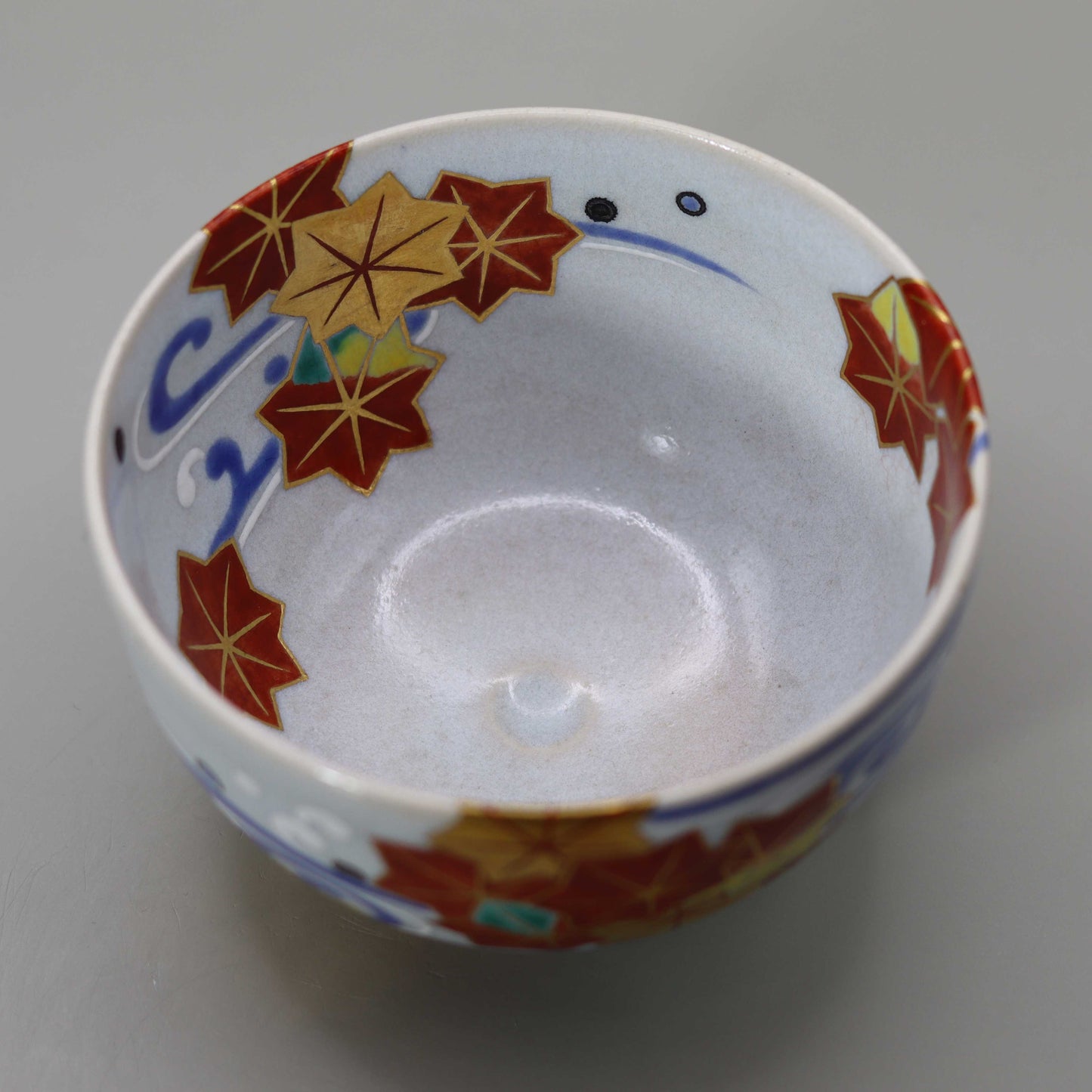
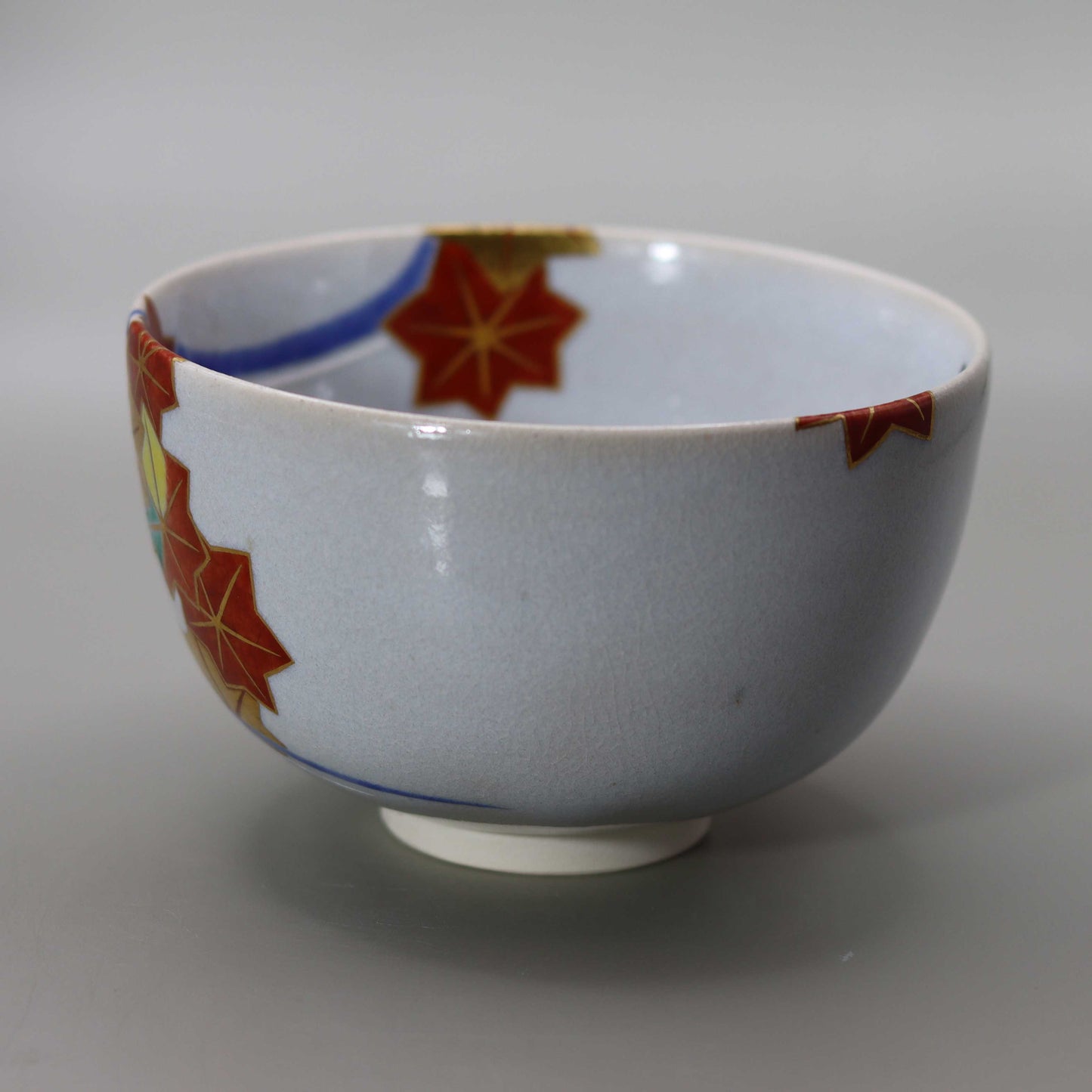
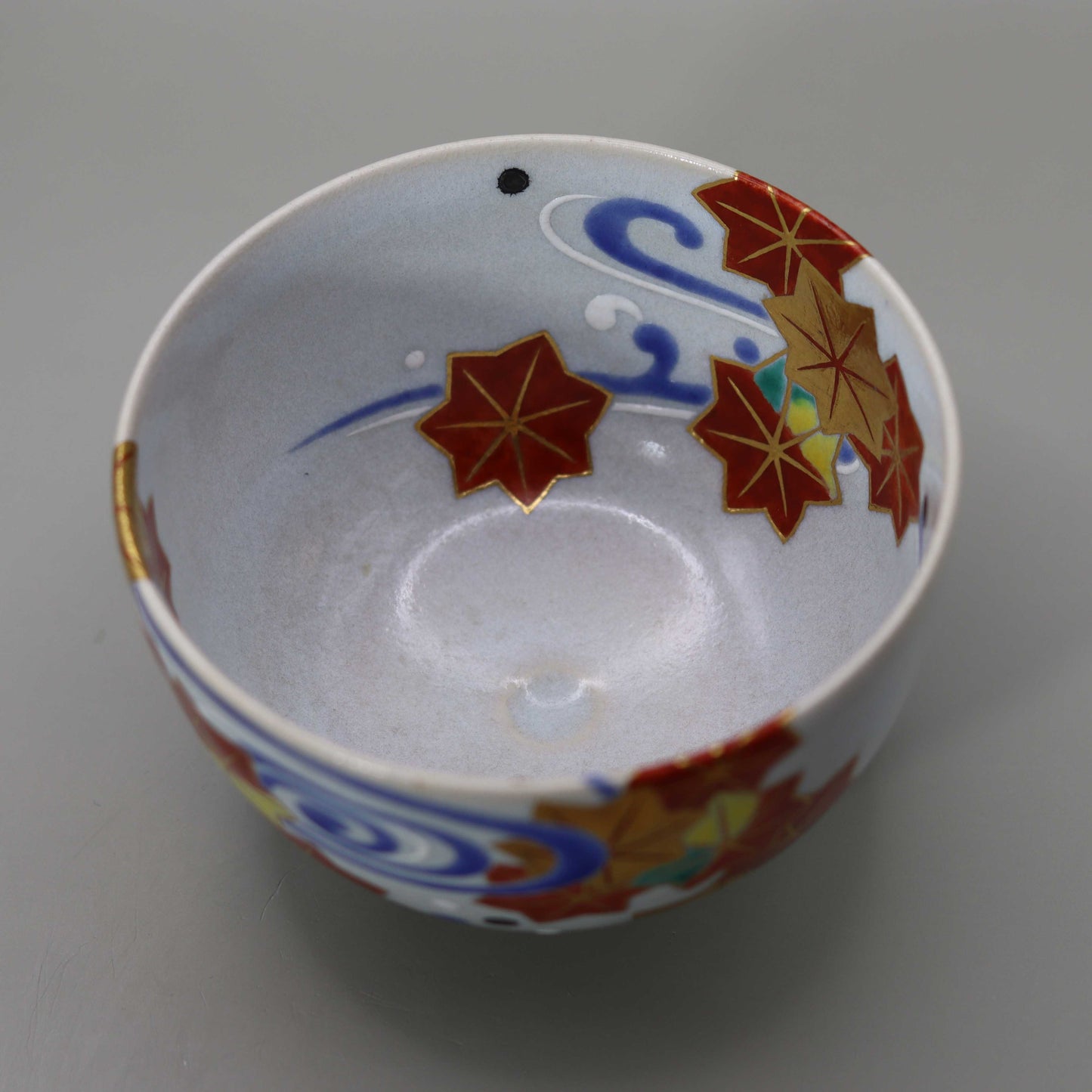
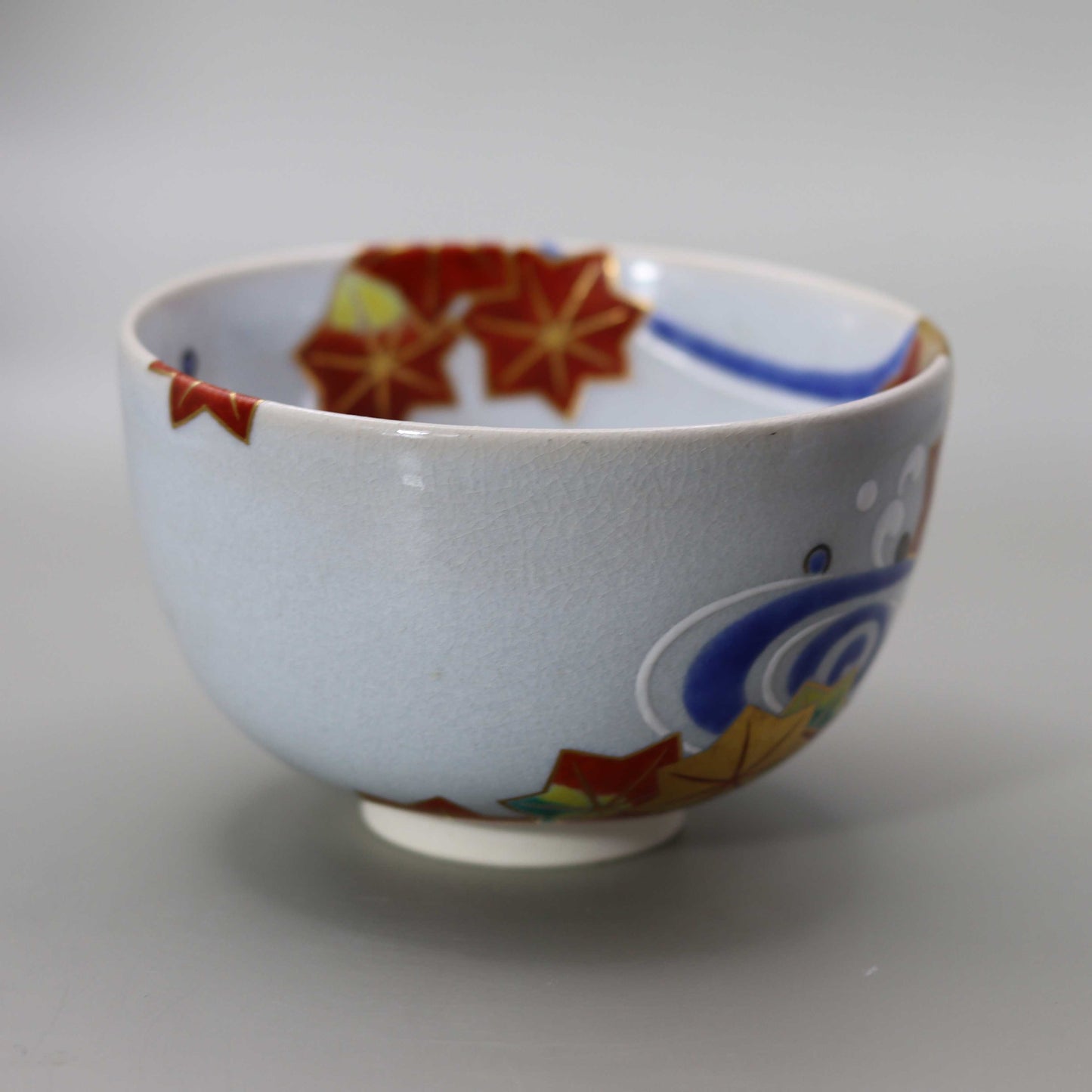
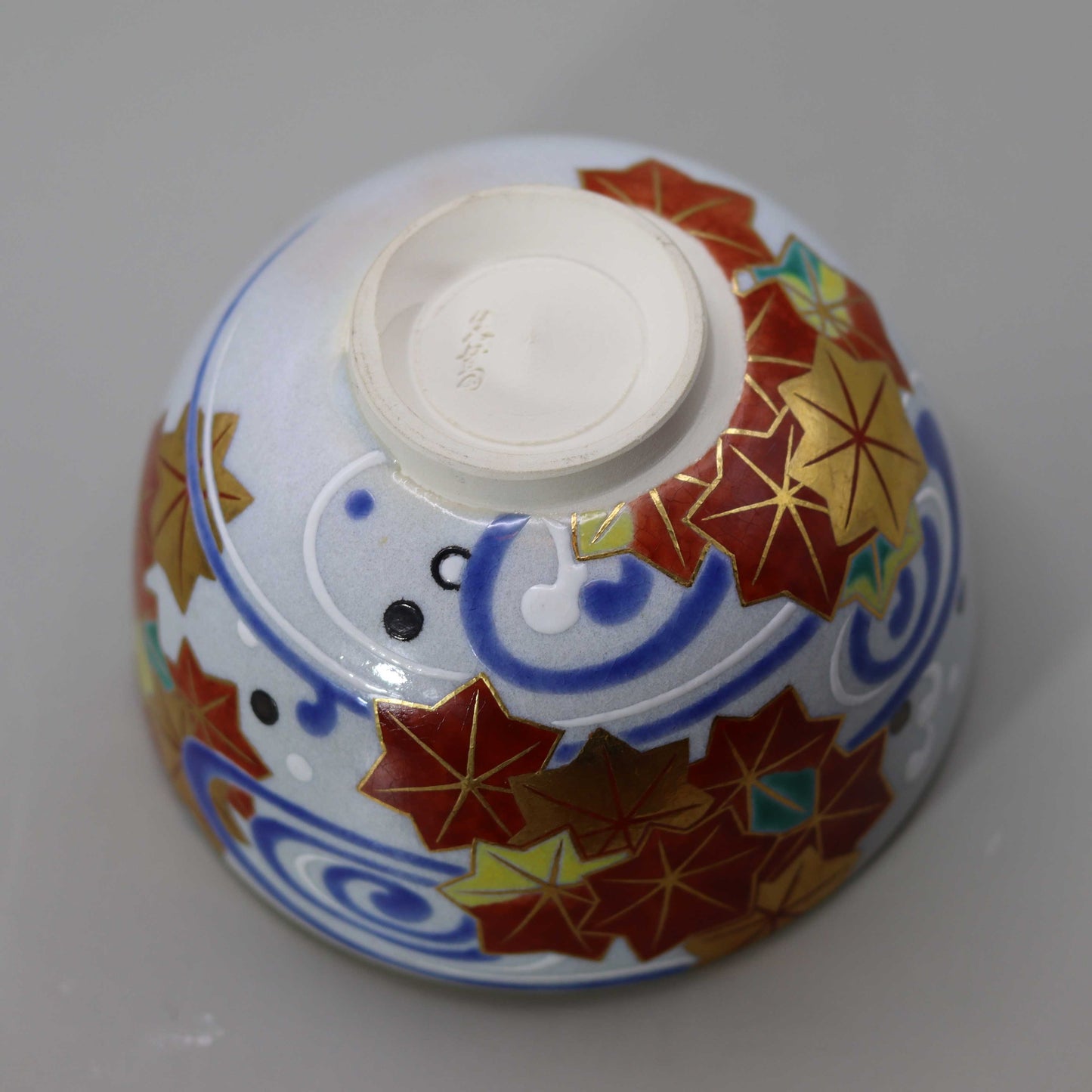
The "Straw Ash Glazed Tatsuta River Tea Bowl by Miyagawa Kosai" depicts autumn foliage and flowing water, a symbol of autumn, and is one of Japan's most representative designs reflecting the four seasons. The Tatsuta River has been known as a famous spot for viewing autumn leaves since ancient times, and was even featured in poems by Heian period poets Ariwara no Narihira and Noin Hoshi. This tea bowl beautifully captures the beauty of the Tatsuta River's autumn leaves and flowing water, enhanced by the Miyagawa Kosai family's unique straw ash glaze. The soft, slightly bluish glaze on the surface of the tea bowl adds further depth to the design of the autumn leaves and flowing water, richly embodying the aesthetics of the tea ceremony.
Tatsuta River and Autumn Foliage: A Scenic Spot Inspired by Ancient Poetry
The Tatsuta River is a beautiful river flowing through Nara Prefecture and has long been known as a famous spot for viewing autumn leaves. The Heian period poet Ariwara no Narihira's poem, "A thousand leaves fall from the sky, even in the age of the gods, Tatsuta River, crimson red, how the water dries up," expresses the beauty of the river as autumn leaves dance down its surface. As this poem suggests, the Tatsuta River holds a special place in Japanese culture as a symbol of autumn, and autumn leaves have been widely used as an important motif to evoke seasonal feelings and emotions. The autumn leaves of the Tatsuta River depicted on this tea bowl truly capture this poetic landscape. Red leaves are scattered across a flowing water pattern, appearing to flow across the indigo river surface. The contrast between the vibrant red of the leaves and the deep blue of the river visually evokes the changing of the seasons. This design not only represents the essence of autumn, but is also widely used in the world of tea ceremony as a design that allows for seasonal enjoyment throughout the year.
The symbolism of autumn leaves and flowing water - reflecting the transition of autumn
Autumn leaves are an important motif in Japanese culture, symbolizing change and the passing of the seasons. The maple flower's meanings include "cherished memories," "beautiful change," and "modesty," which express the transience and beauty of autumn leaves. The maple leaves on the tea bowl evoke the beauty of nature and the fleeting nature of time and the seasons. Flowing water, meanwhile, is a symbolic element in tea ceremony utensils that expresses movement and flow. Flowing water suggests the constant flux of time and life, conveying both the stillness and strength inherent within. This tea bowl depicts autumn leaves scattering on the river's surface and blending into the flowing water, evoking a connection between nature and humans and a profound aesthetic sense that is expressed through the changing seasons.
Straw Ash Glaze Technique - The Uniqueness of the Miyagawa Kosai Family
The straw ash glaze is a special glazing technique passed down through generations of the Miyagawa Kosai family. This glaze has been carefully preserved by the head of the Makuzu ware family for many years and is a hallmark of the Miyagawa family's pottery. The use of straw ash glaze gives the entire tea bowl a plump, milky white sheen, resulting in a unique texture that combines warmth and elegance. In particular, the straw ash glaze imparts a mellow texture to the surface of this tea bowl, enhancing the design of the autumn leaves and flowing water. The color of this glaze changes subtly depending on the clay and firing conditions, revealing a variety of expressions, from a warm reddish hue to a cool bluish-white. This diverse range of expressions gives Makuzu ware pieces a unique charm, further enhancing their beauty as tea ceremony utensils.
The tradition of Makuzu ware - the history and techniques of the Miyagawa family
The origins of Makuzu ware date back to the Jokyo era (1684-1687) when Yukan Miyagawa Kobee Masakazu opened a kiln in Kyoto. Later, Miyagawa Chozo V established a kiln in Makuzugahara (now Maruyama Park) and popularized the brand. Chozo inherited the techniques of Nonomura Ninsei and specialized in replicating Ninsei's work. His works using straw ash glazes were particularly highly acclaimed and became a signature technique of the Miyagawa family. The current Miyagawa Kosai VII continues to preserve the traditions of Makuzu ware while incorporating modern sensibilities into his creations. Throughout its long history, the Miyagawa family has made significant contributions to Japanese ceramic culture through the production of sencha tea utensils and other tea ceremony implements. Makuzu ware is held in numerous museums and private collectors both in Japan and abroad, and its beauty and craftsmanship are internationally acclaimed. This piece beautifully captures the beauty of autumn leaves and flowing water, two of Japan's signature autumn scenes. The scenery depicted in Ariwara no Narihira's poem, set against the autumn foliage of the Tatsuta River, comes vividly to life in this tea bowl, with the autumn leaves and flowing water motif bringing a seasonal feel to the tea ceremony. The Miyagawa family's straw ash glaze technique gives the entire vessel a warmth and elegance, allowing you to feel the spirit of the tea ceremony and the natural beauty of Japan when using this tea bowl. This tea bowl, which combines the long tradition of Makuzu ware with the outstanding skills of the Miyagawa Kosai family, embodies the depth and beauty of Japanese ceramic culture and is highly acclaimed both at home and abroad.
Share
-
[I will send it to you quickly and carefully]
We carefully package each product in a way that suits it best.
Also, delivery times vary depending on the piece (vessel, etc.).
Items that already come with a box will be shipped within 1-3 days of the order date.
For items that require a box to be made after your order, it will take approximately 30 days for production to be completed and then shipped.
In either case, once we have confirmed your order, we will contact you by email to inform you of the delivery date.
-
[Requests when purchasing pottery]
Even products that look the same may differ slightly in color, shape, size, etc.
The way the glaze is used, the power of the kiln, the firing method, the season, and the humidity also affect the appearance of the pottery.
Please understand the individuality of each piece of pottery and enjoy the unique warmth of handmade.