


Blue gourd vase Masao Tagai
Blue gourd vase Masao Tagai
Couldn't load pickup availability
Width: 20.8cm x 20.8cm Height: 18.5cm
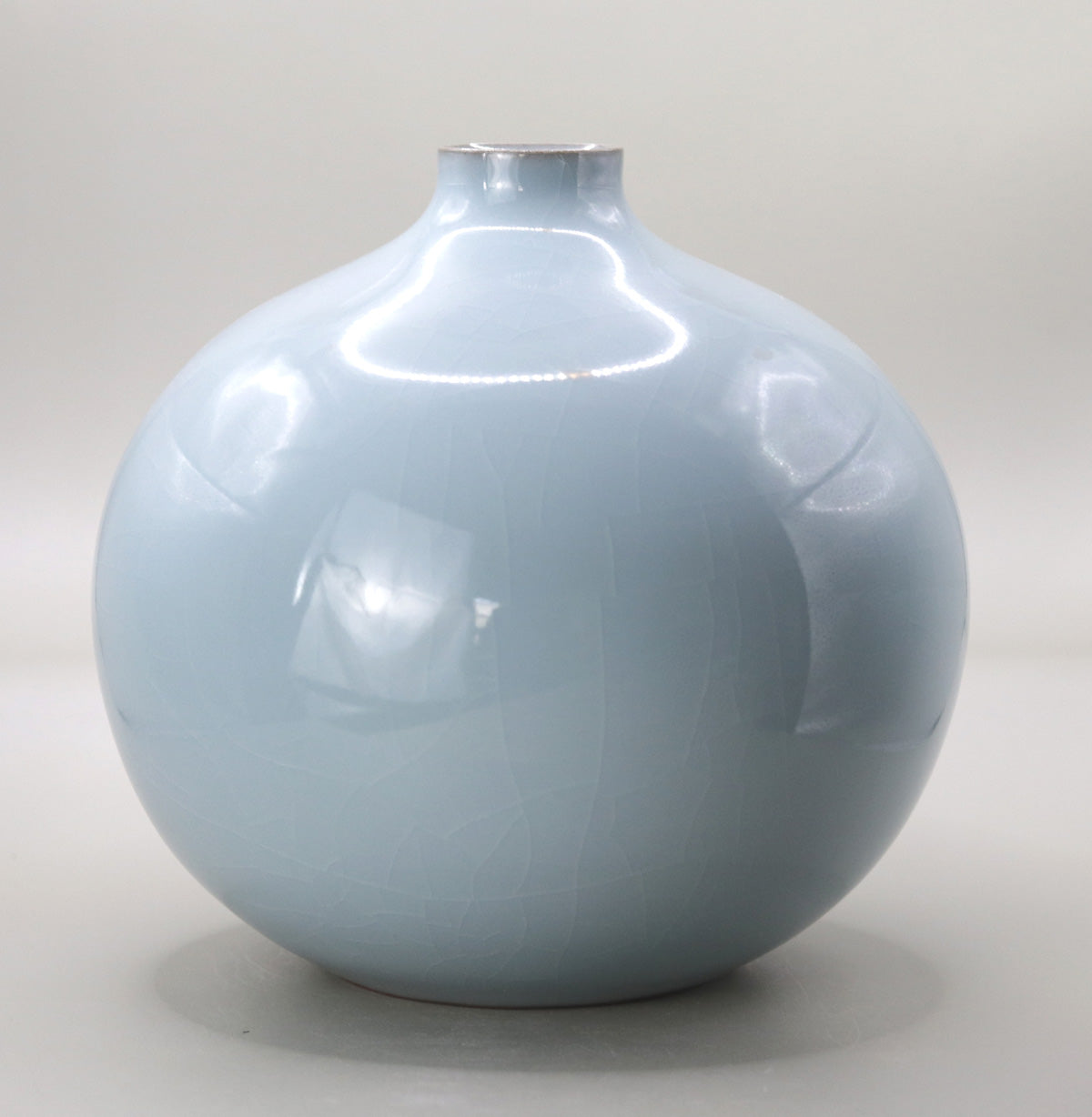
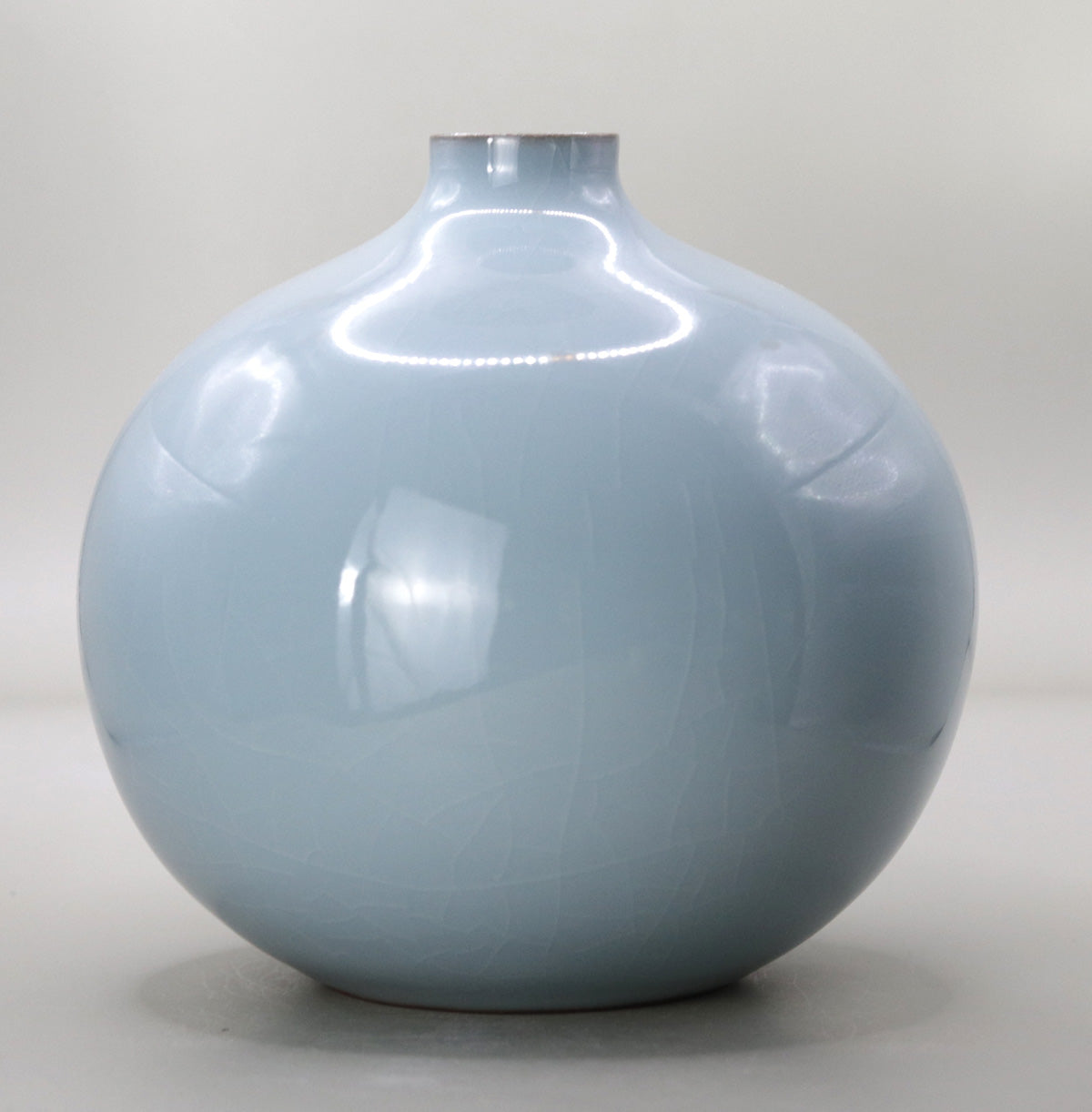
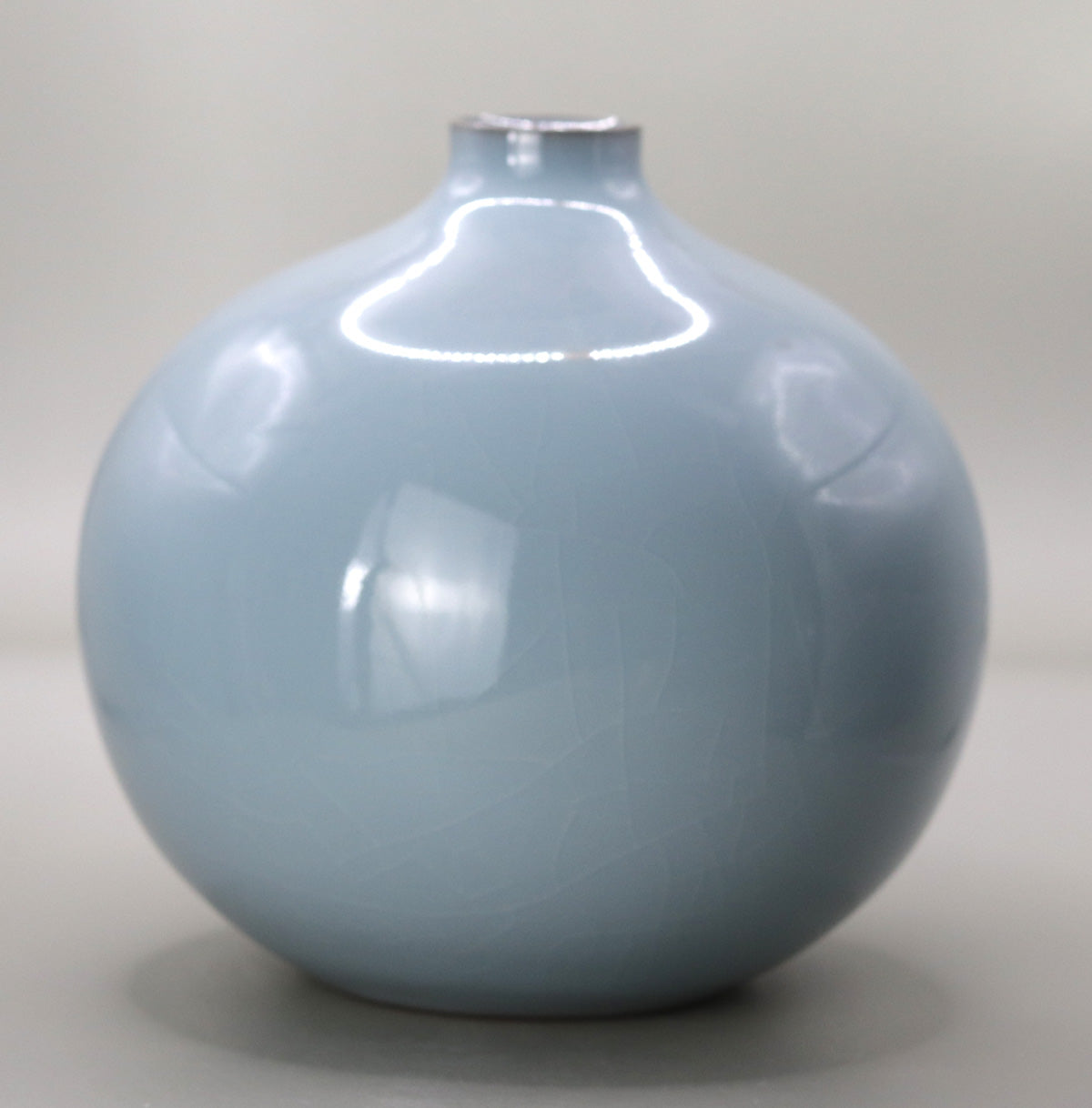
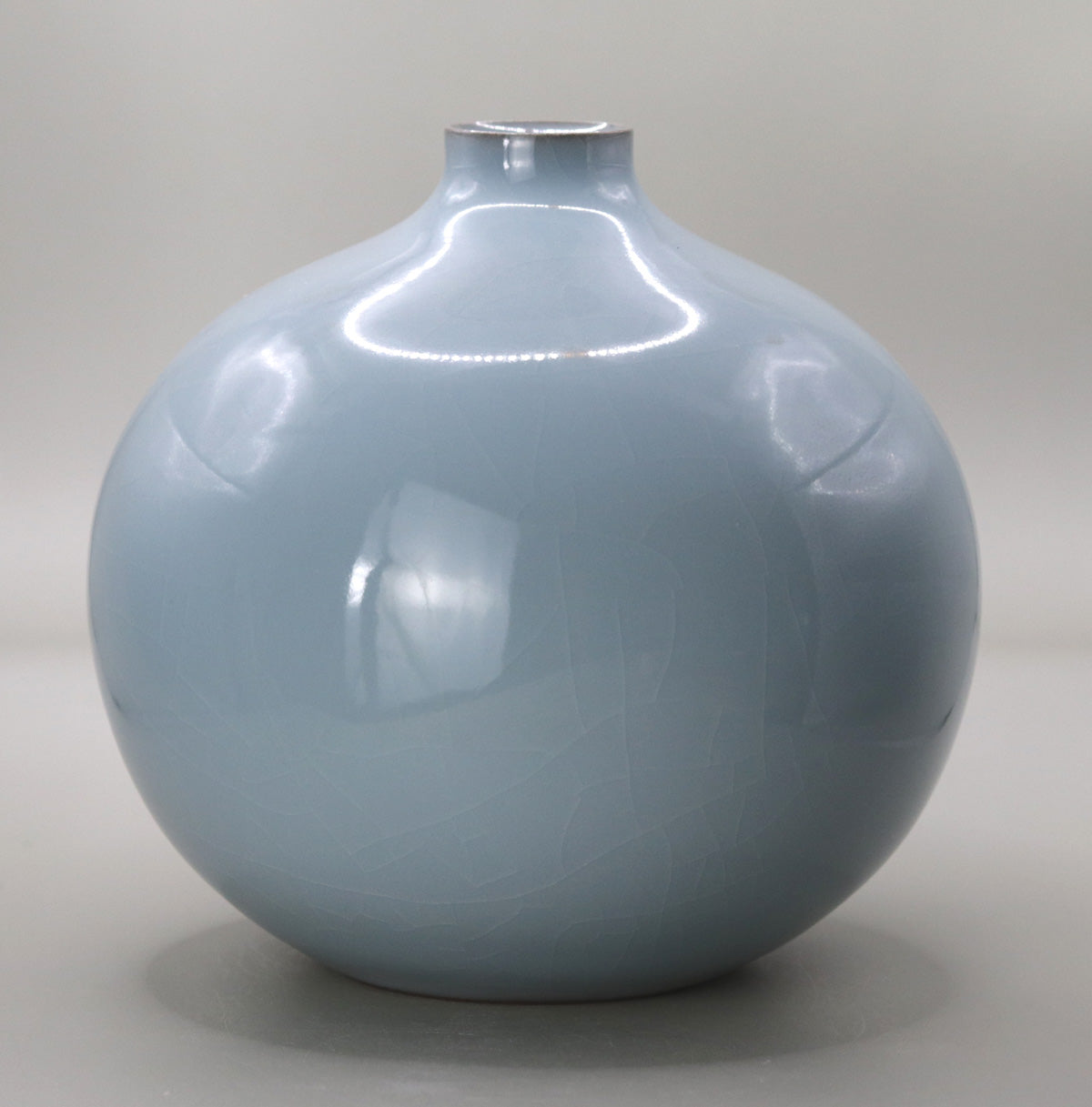
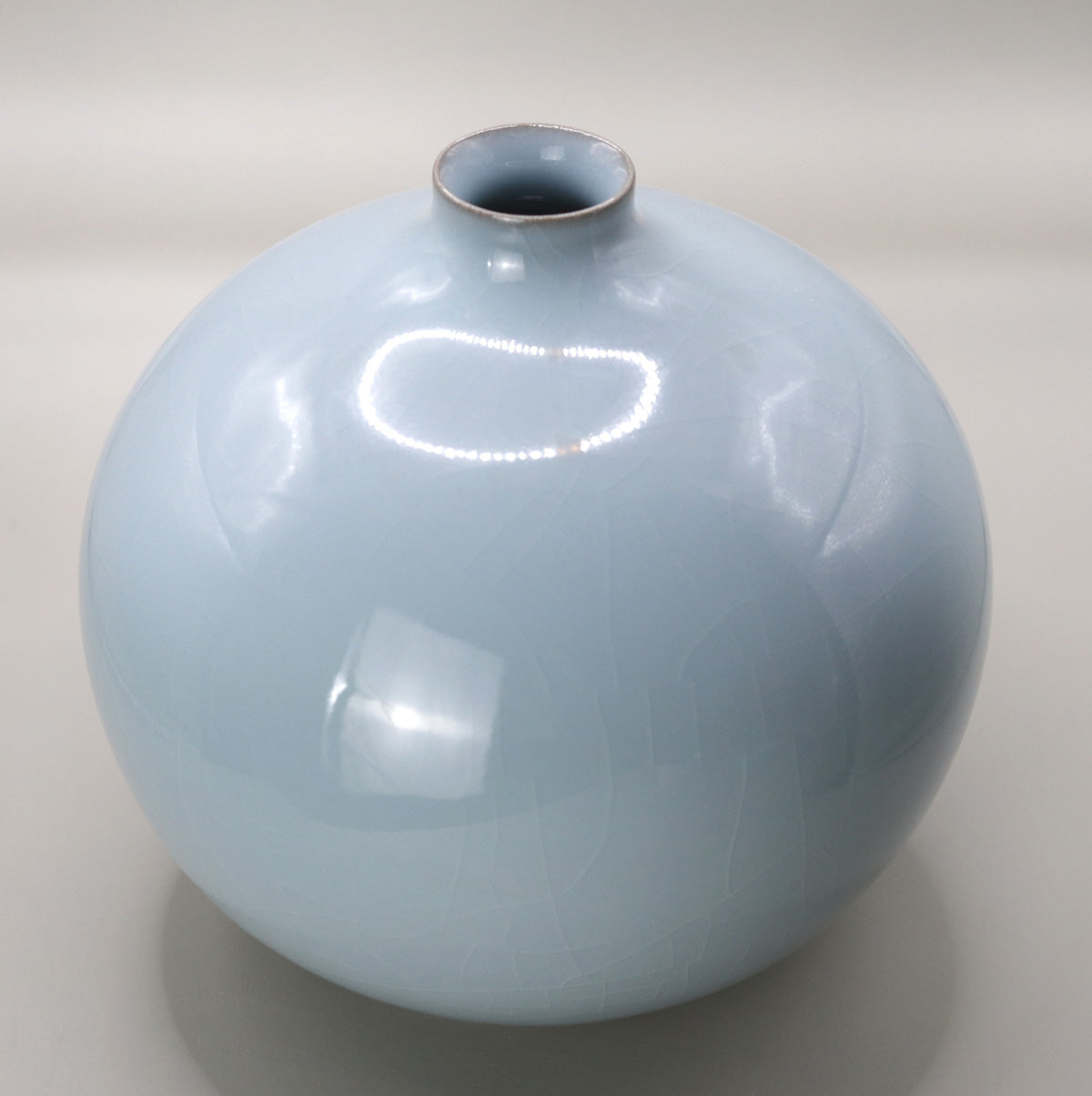
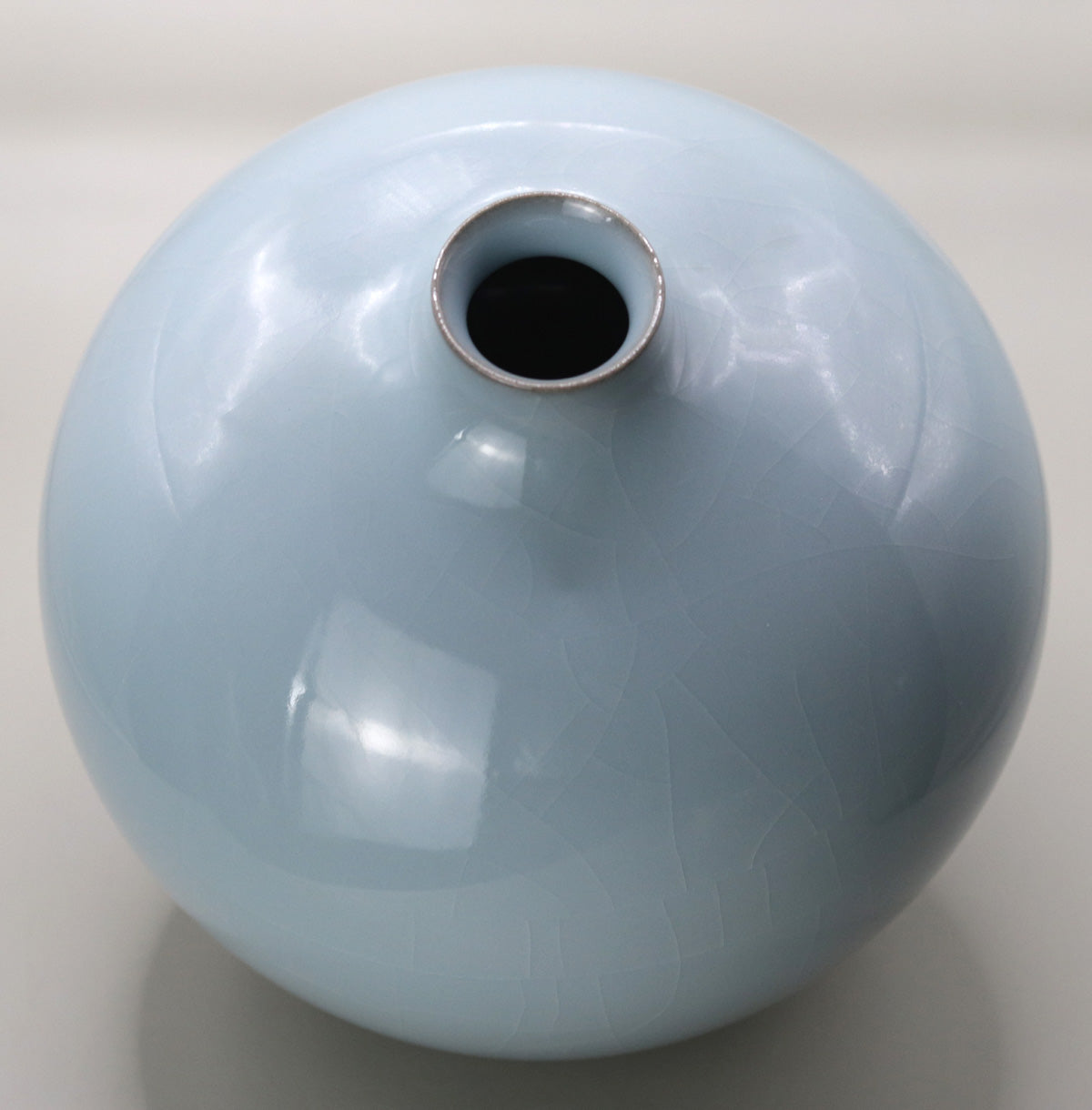
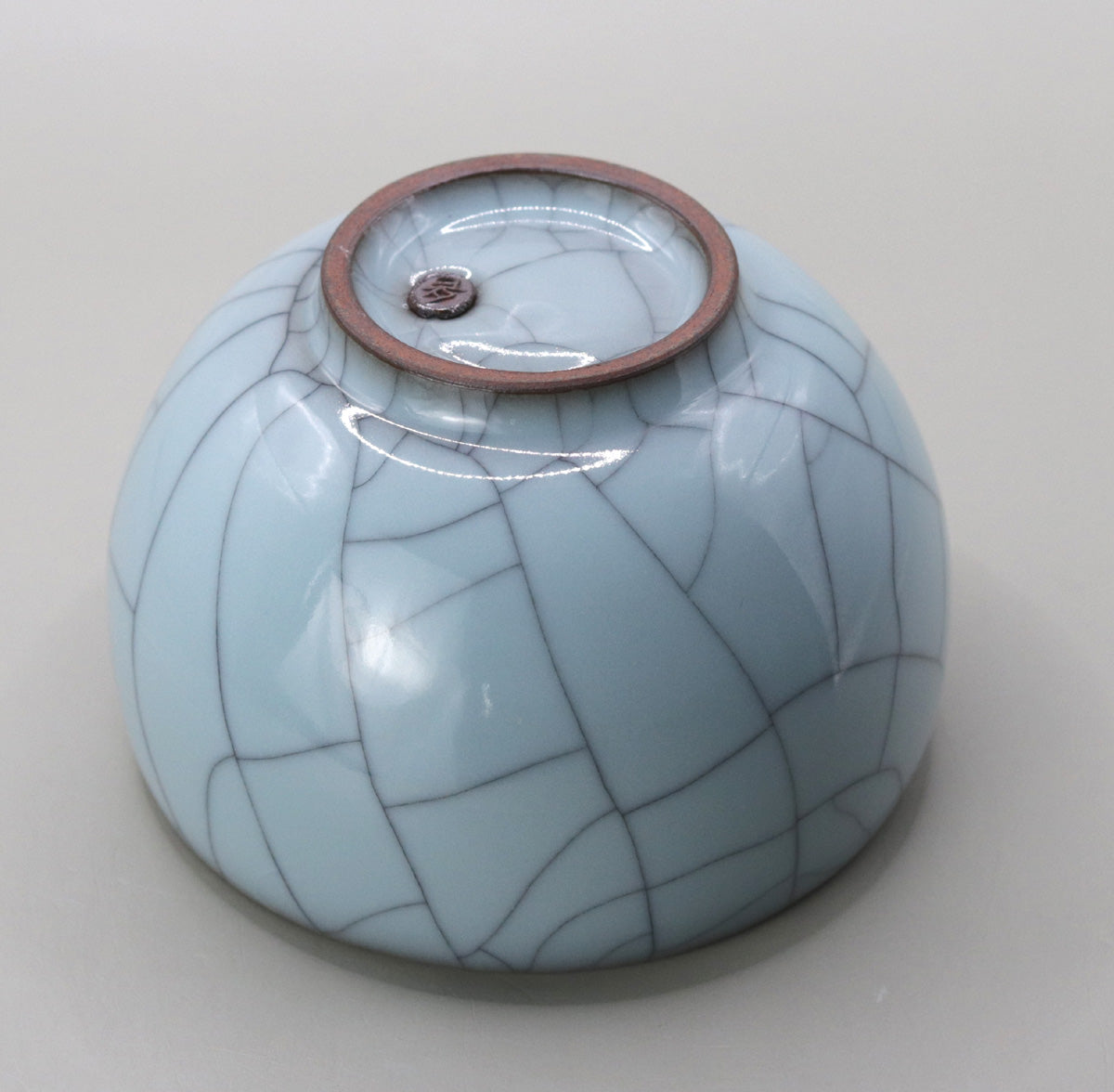
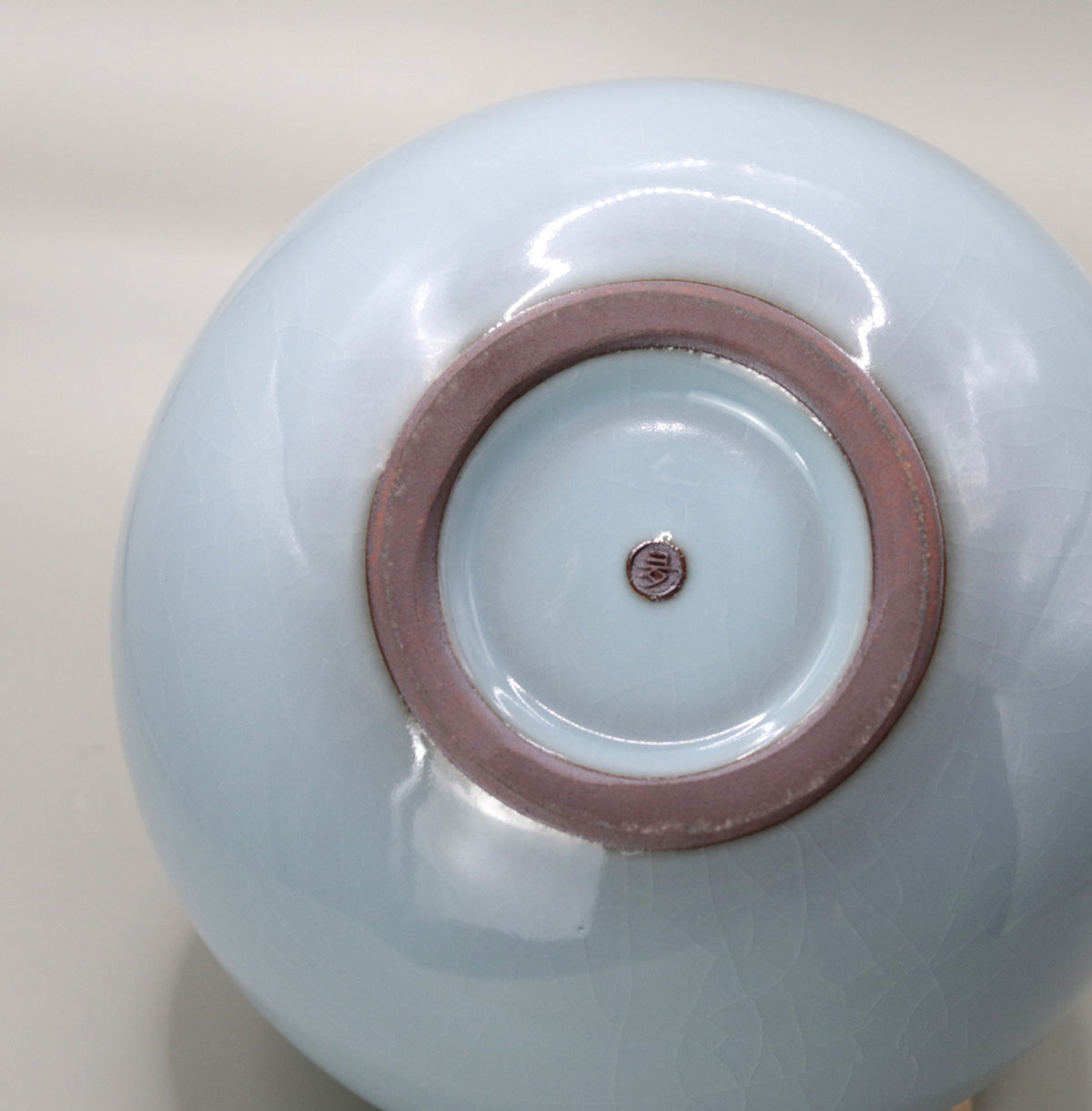
This piece is a round, pot-shaped vase entirely covered in a soft, sky-blue celadon glaze. The generous, spherical body is contrasted with a tightly drawn rim, highlighting the tension and tension inherent in the vessel's body. Within the highly transparent, thick glaze, subtle "ice cracks" run like a mesh, and when light hits them, the faint shadows of the cracks emerge from the depths. This piece truly exudes the clarity of the air after rain, combining with the mysterious beauty that classical celadon is known for.
Round pot shape
The body is nearly a perfect sphere, and its lines constantly change depending on the angle from which it is viewed. The reflections created by the continuous curves softly reflect the surrounding scenery, capturing the shadows of the tea room and the hanging scrolls in the alcove, making the vessel itself function as a "mirror of space."
Narrow neck and fore edge <br data-start="441" data-end="444">The rim is slightly curved outwards, revealing a dull silver-gray colour derived from the iron. This is the result of the "iron rim" technique, in which a very thin layer of glaze is applied and then light oxidation is added towards the end of the firing. This tightens the generosity of the pale blue, and aims to naturally draw the eye upward when flowers are inserted.
Adjusting the glaze
By using a "reduction process" that suppresses iron powder and converts it to an oxidized state in the final stage of firing, a pure blue color without any reddish tinge is achieved.
Difference in shrinkage between the clay and glaze layer
Feldspar is blended into the clay, giving it a slightly higher expansion coefficient than the glaze. Rapid cooling after firing causes the glaze surface to crack finely, creating a uniform pattern of cracks and indentations.
Mirror finish
After firing, the piece is lightly reheated at a low temperature to remelt the glassy surface of the glaze and enhance its luster. This results in a mirror-like surface that easily captures indoor light, enhancing the reflection of the vase.
history
Celadon was passed down through the Six Dynasties Yuezhou kilns, the Northern Song Ru kilns and Guan kilns, and the Southern Song Longquan kilns, and its pure light blue color has been praised as "heavenly blue." The prototype of the spherical vase can be found in the celestial sphere vase (tenkyuhei) favored in the late Ming and early Qing dynasties. However, this work has a low neck and is crafted to a scale that is suitable for use as a Japanese alcove decoration or in tea ceremonies. Tagai Masao has combined the pure serenity of Song celadon with the wabi (a single flower) aesthetic of the Japanese tea ceremony, reinterpreting it as a minimalist vase that blends into contemporary spaces.
Viewing
Depth of the glaze layer <br data-start="1456" data-end="1459">When strong oblique light is shone on it, the ice cracks and intrusions appear faintly through the glass layer, creating a three-dimensional effect that is reminiscent of peering into the deep sea.
Reflected Scenery <br data-start="1527" data-end="1530">The spherical surface reflects its surroundings, so the appearance changes depending on the position of the lighting and hanging scroll. At a tea ceremony, it is fun to bring the light of a candle or lantern close to it and project a flickering light.
Changes over time <br data-start="1610" data-end="1613">The color of the crazing changes slightly due to the influence of flower water and humidity, and you can enjoy watching the blue change to a calm, dull color over time.
This "Celadon Vase" combines the tranquil luster of the celadon glaze with the spaciousness of its round vase shape, making it a masterpiece that bridges the gap between the aesthetics of wabi-sabi and modern minimalism. Thanks to the firing control techniques cultivated over many years by Masao Tagai, the translucent blue and the ice-crazing craze coexist in exquisite balance, embodying the "art of blank space" that is completed only when a flower is placed inside. We hope you will enjoy adding a flower in each season and nurturing your own floral story alongside the scenery reflected on the surface of the vase.
Share
-
[I will send it to you quickly and carefully]
We carefully package each product in a way that suits it best.
Also, delivery times vary depending on the piece (vessel, etc.).
Items that already come with a box will be shipped within 1-3 days of the order date.
For items that require a box to be made after your order, it will take approximately 30 days for production to be completed and then shipped.
In either case, once we have confirmed your order, we will contact you by email to inform you of the delivery date.
-
[Requests when purchasing pottery]
Even products that look the same may differ slightly in color, shape, size, etc.
The way the glaze is used, the power of the kiln, the firing method, the season, and the humidity also affect the appearance of the pottery.
Please understand the individuality of each piece of pottery and enjoy the unique warmth of handmade.