


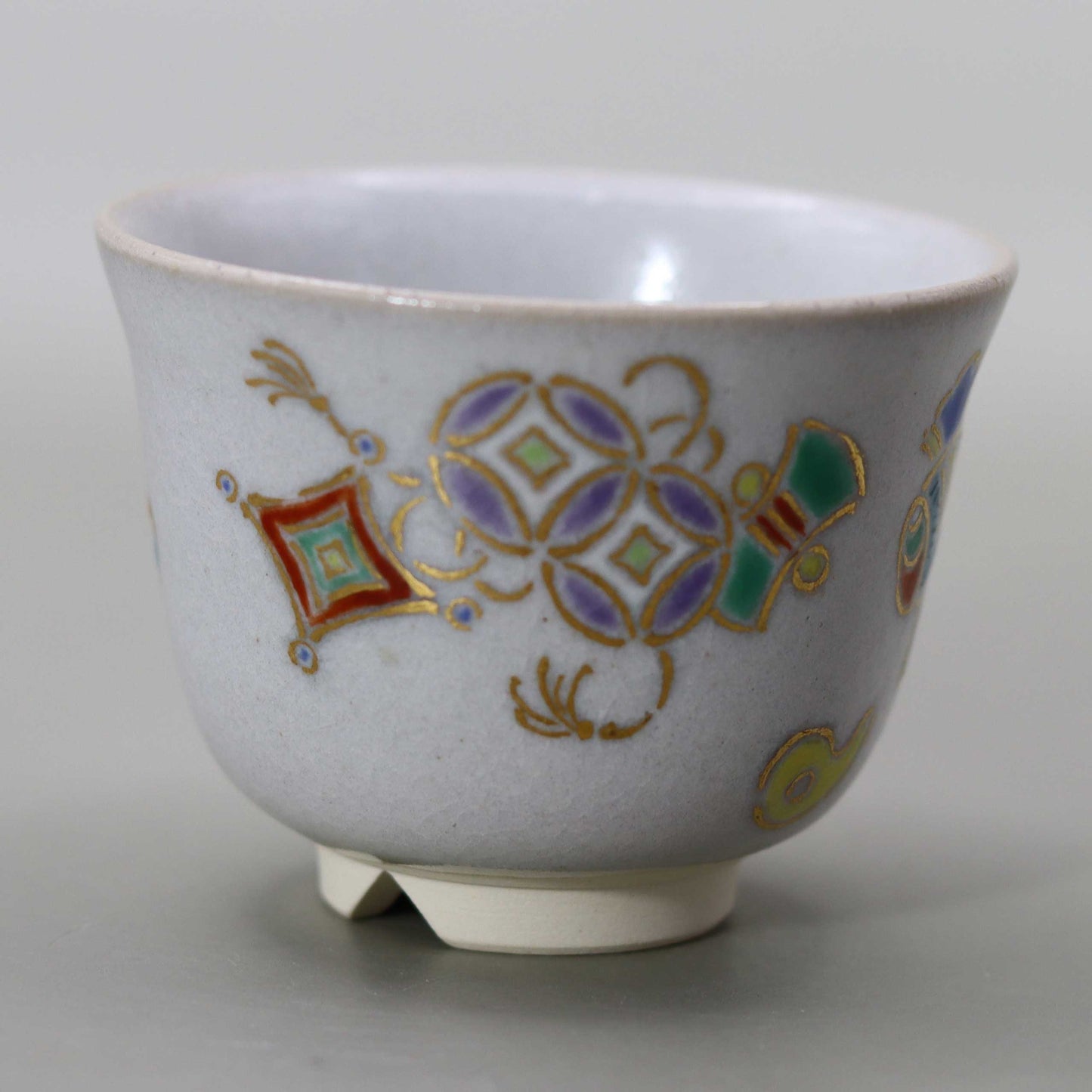
Straw Ash Glazed Treasure Cup by Kosai Miyagawa
Straw Ash Glazed Treasure Cup by Kosai Miyagawa
Couldn't load pickup availability
Height: 4.5cm Width: 6.0cm
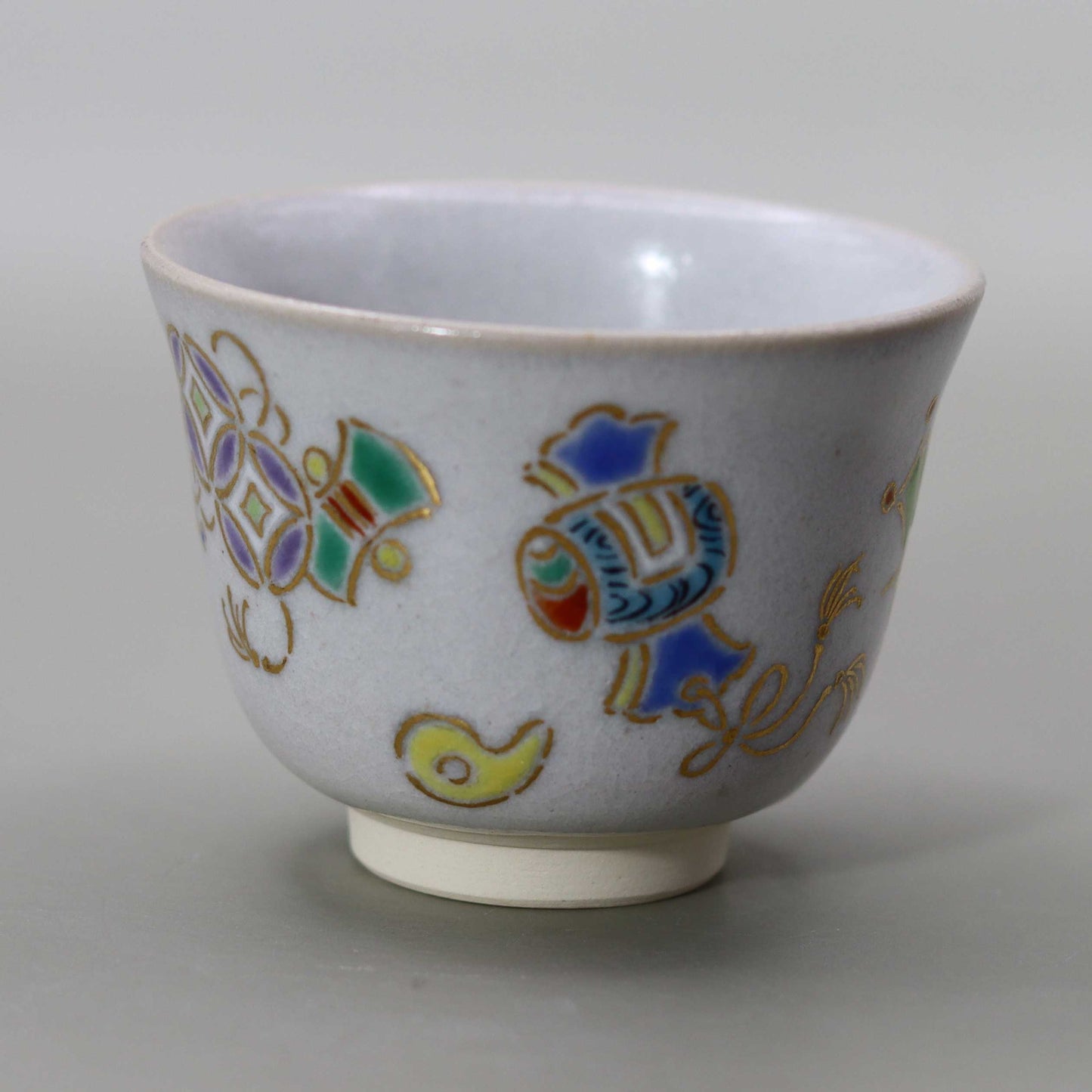
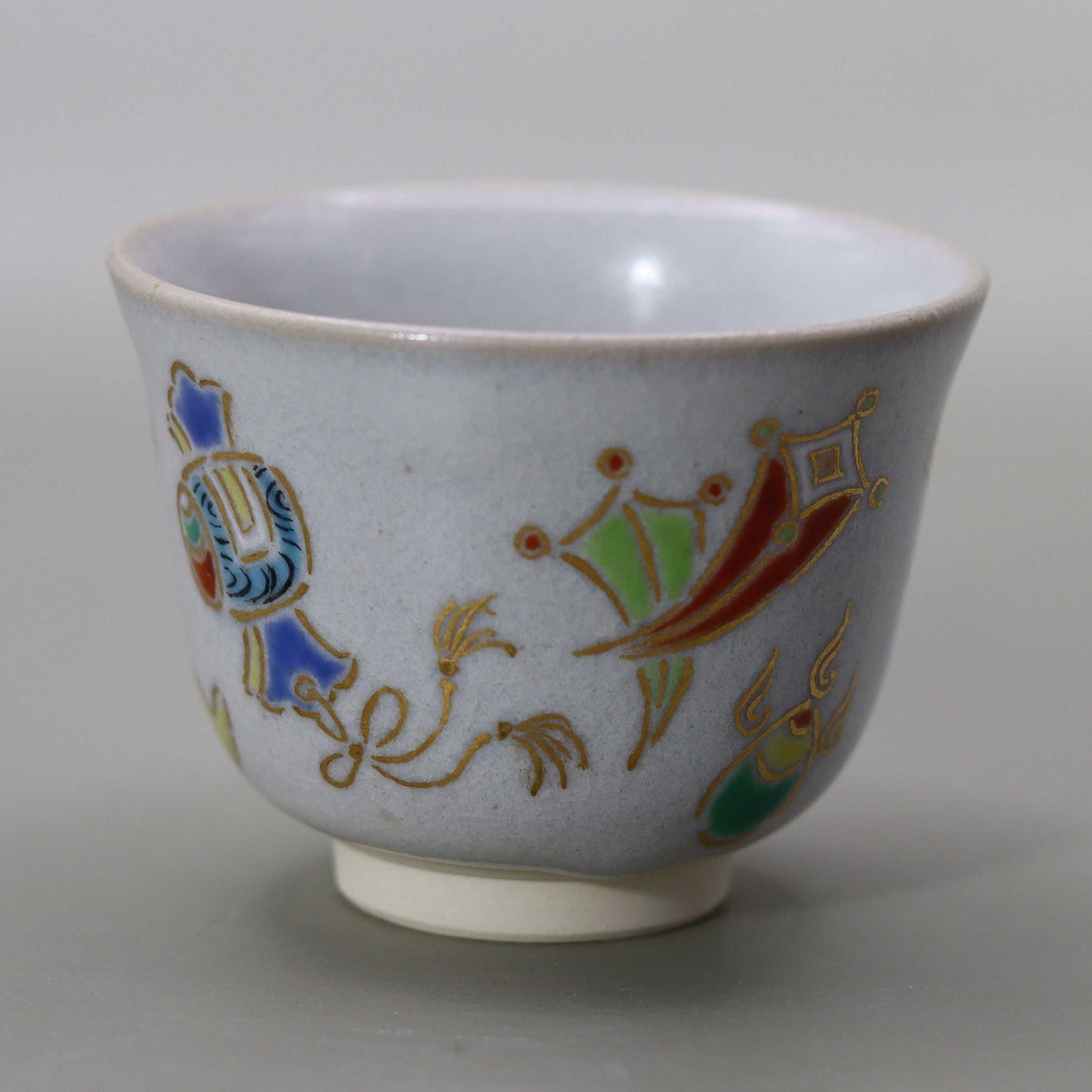
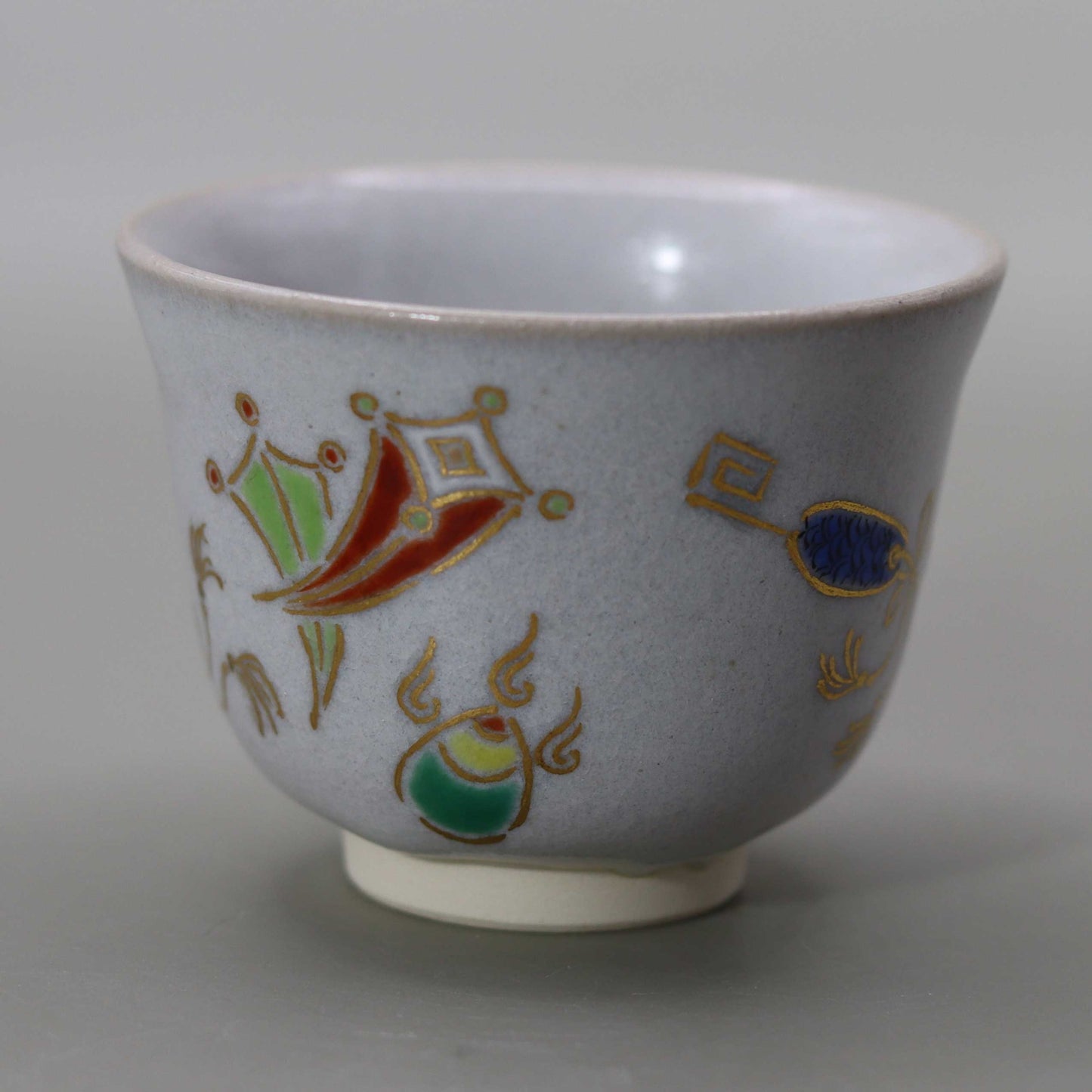
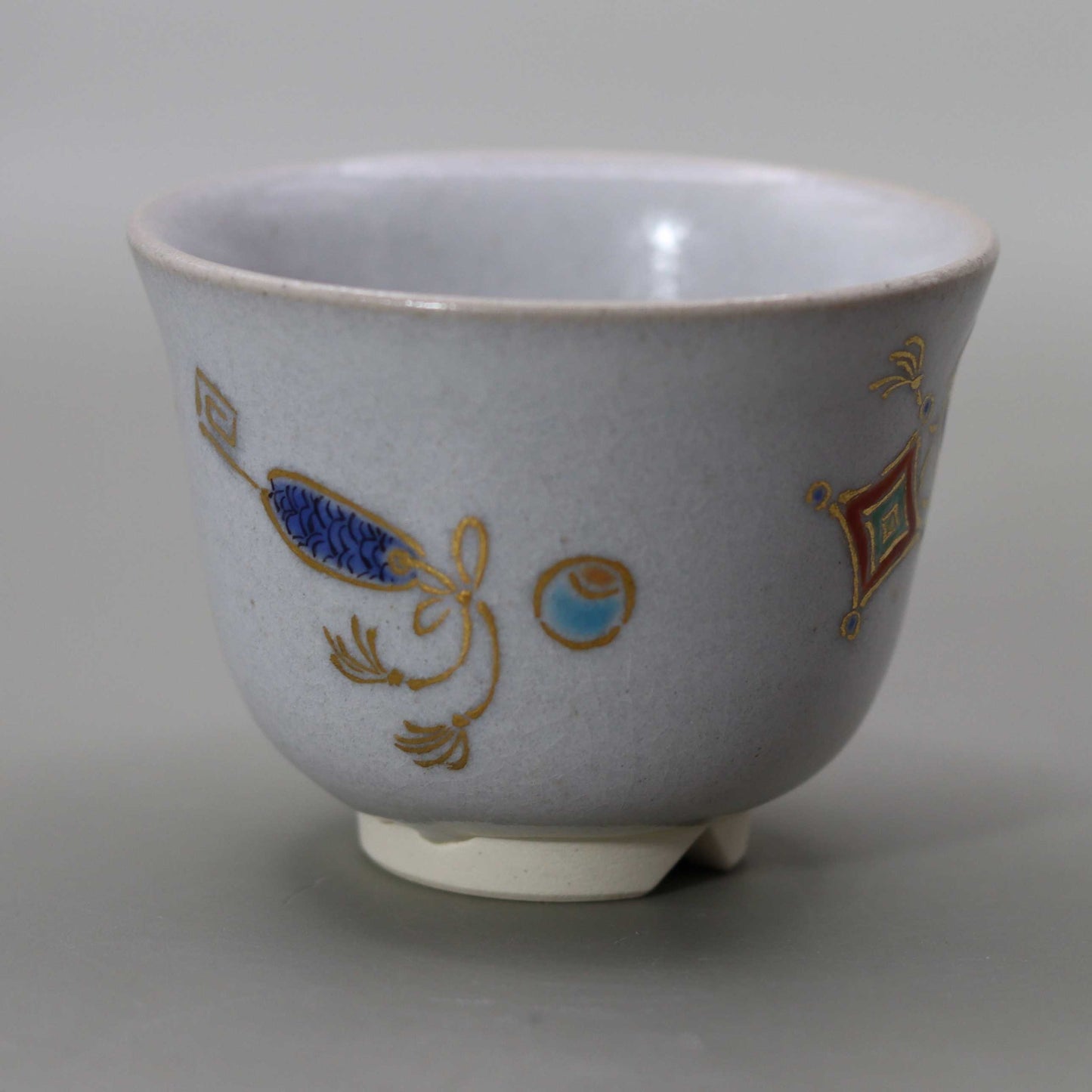
The "Straw Ash Glazed Treasure Cup" is a work of art decorated with the traditional Japanese auspicious pattern of "treasures," depicting various treasures that bring good fortune. The treasure pattern originated from the ancient Chinese "eight treasures" and "miscellaneous eight treasures," and was introduced to Japan during the Muromachi period, where it was adapted to Japanese tastes and became popular. In Japan, it is often used on formal wear and tea ceremony utensils, and has become a beloved symbol of good fortune.
The origin and significance of the treasure motif
Treasure motifs are a collection of motifs that ancient people used to symbolize wealth and good fortune, such as the magic mallet, hidden raincoat, and gold bag. Although these motifs vary depending on the era and region, they have all been treasured as auspicious symbols of happiness and prosperity. Treasure motifs bring together a variety of auspicious objects, each with its own symbolic meaning. For example, it is said that if you shake the magic mallet, you will get what you want, and it was used as an auspicious motif because it strikes enemies. Additionally, cloves, weights, gold bags, and jewels are also important elements that symbolize health, wealth, wisdom, and happiness.
・Uchide no Kozuchi : A magic hammer said to be held by Issun-boshi and Daikokuten, one of the Seven Lucky Gods. Legend has it that by swinging it, you can grow taller or get what you want.
・Invisible raincoat and hidden hat : Both are mythical items that make the wearer invisible, and there are legends related to Tengu and immortals.
・Jewel : A ritual implement in esoteric Buddhism, it is said that if you obtain one, any wish will come true. A flame is drawn from the jewel, symbolizing abundance and infinite possibilities.
These motifs, collected together as "treasures," are not merely decorative, but are meaningful designs that are imbued with the belief that they will bring good fortune to the wearer.
Miyagawa Kosai family straw ash glaze
The Miyagawa Kosai family's "Straw Ash Glaze Treasure Cup" uses the "straw ash glaze" that has been passed down through generations of the Miyagawa family. Straw ash glaze is a traditional Kyoto ware technique, a soft, milky-white glaze with a bluish tinge. When applied to the entire vessel, it creates a unique, warm finish. This glaze has been used by successive generations of Makuzu ware masters, and the technique has been passed down for over 200 years. Due to the characteristics of the glaze, its color can change depending on the clay and firing temperature, sometimes exhibiting a warm reddish hue or a cool bluish-white color. Straw ash glaze was also used by Nonomura Ninsei, the founder of Kyoto ware, and the first head of the Miyagawa family, Miyagawa Chozo, was particularly skilled in this technique. Chozo further developed the technique and established it as an iconic Makuzu ware technique.
The techniques and history of Makuzu ware
Makuzu ware embodies the traditional techniques of Kyoto ware, and works using straw ash glaze are especially highly acclaimed. This glaze has been carefully passed down through successive heads of the Miyagawa family and has been used in Makuzu ware's most representative pieces. Pieces using straw ash glaze are characterized by a soft, milky white luster, and its elegant texture is one of Makuzu ware's greatest charms. The Miyagawa family's Makuzu ware originated during the Jokyo era (1684-1687) of the Edo period, when Yukan Miyagawa Kobee Masakazu moved to Kyoto and began making pottery in front of Chion-in Temple. His descendants each operated a kiln called "Rakuya," and the fifth generation of the Chobei family saw the emergence of the master craftsman Miyagawa Chozo. He opened a kiln in Higashiyama Makuzugahara (now Maruyama Park), spreading the name of Makuzu ware. Later, under the craftsmanship of the first Makuzu Kozan, who moved to Yokohama, Makuzu ware gained international recognition. Today, Miyagawa Kosai, the seventh generation of the Makuzu family, continues the tradition and continues to pass on the techniques of Makuzu ware to the present day. His works are highly acclaimed both in Japan and abroad, and are housed in the Victoria & Albert Museum and the Permanent Mission of Japan to UNESCO. The "Straw Ash Glazed Treasure Sake Cup" is a beautiful fusion of auspicious treasure motifs and the traditional techniques that the Miyagawa family is proud of. This sake cup blends historical motifs with modern ceramic techniques, and is imbued with the power to inspire feelings of richness and happiness every time it is used.
Share
-
[I will send it to you quickly and carefully]
We carefully package each product in a way that suits it best.
Also, delivery times vary depending on the piece (vessel, etc.).
Items that already come with a box will be shipped within 1-3 days of the order date.
For items that require a box to be made after your order, it will take approximately 30 days for production to be completed and then shipped.
In either case, once we have confirmed your order, we will contact you by email to inform you of the delivery date.
-
[Requests when purchasing pottery]
Even products that look the same may differ slightly in color, shape, size, etc.
The way the glaze is used, the power of the kiln, the firing method, the season, and the humidity also affect the appearance of the pottery.
Please understand the individuality of each piece of pottery and enjoy the unique warmth of handmade.