


Iron-painted Kochi Matsushima flat sake cup by Kosai Miyagawa
Iron-painted Kochi Matsushima flat sake cup by Kosai Miyagawa
Couldn't load pickup availability
Height: 3.0cm Width: 9.5cm
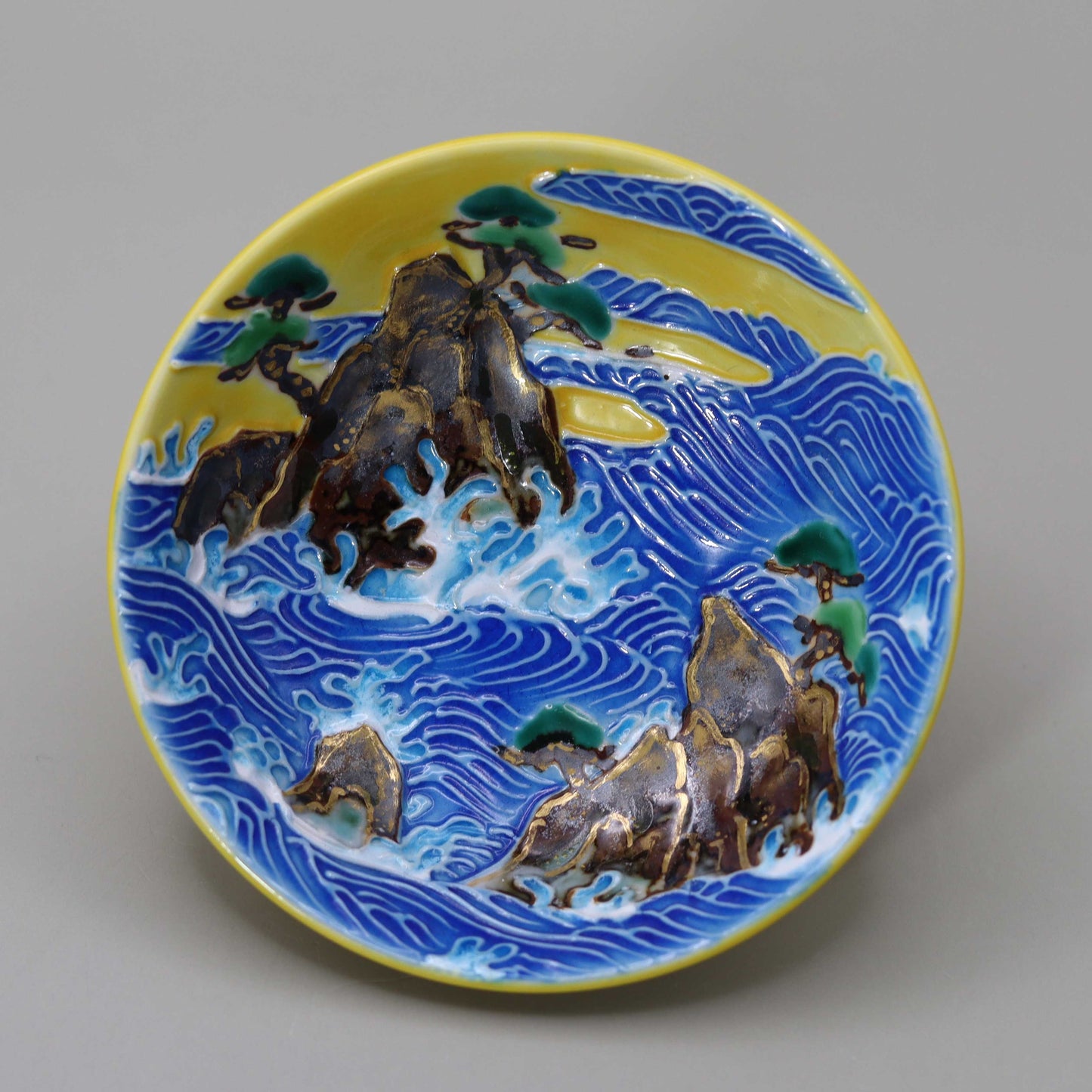
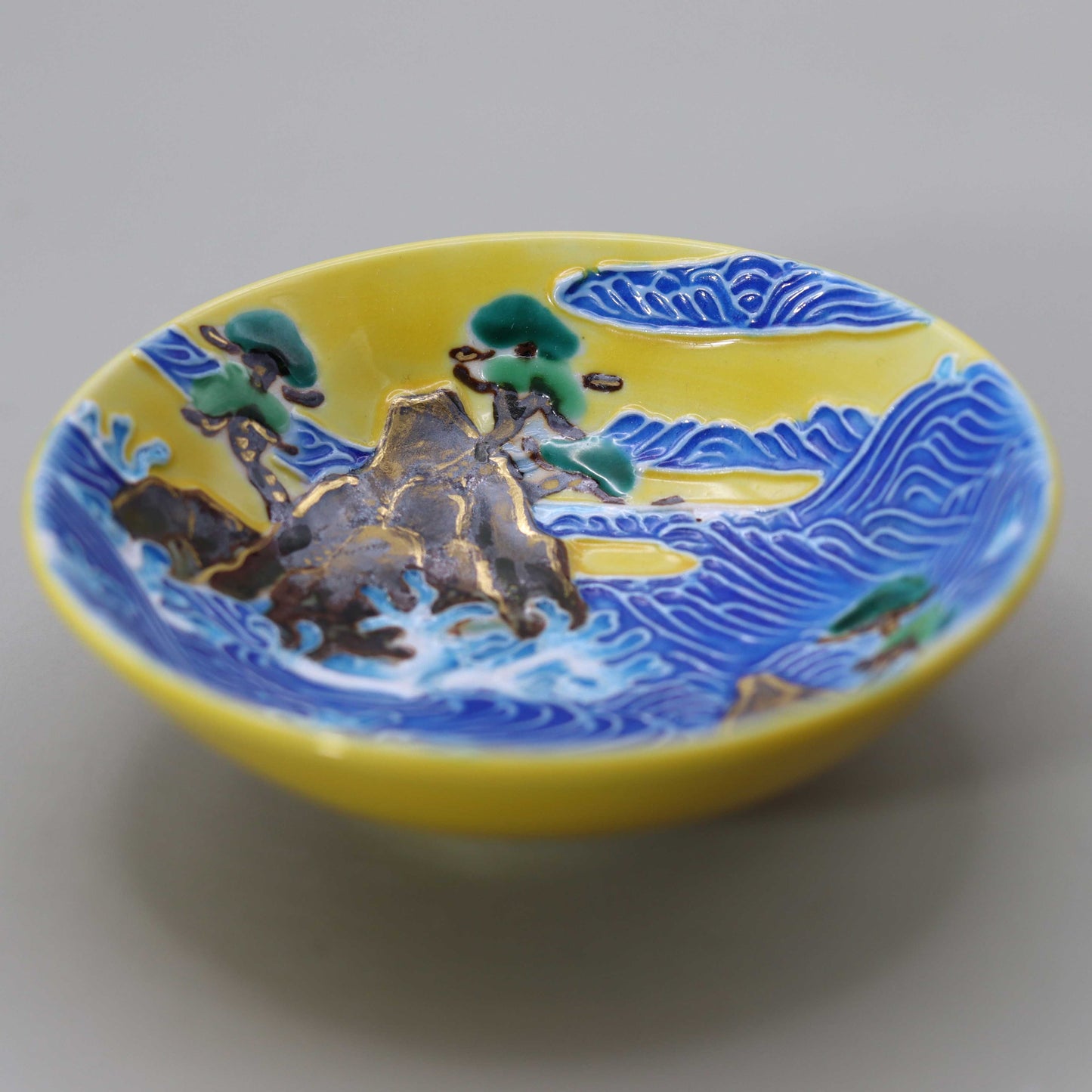
The "Iron-painted Kochi Matsushima Flat Sake Cup" is an elegant piece depicting the beautiful scenery of Matsushima, created using Miyagawa Kosai's traditional iron-painting techniques. When sake is poured into this flat sake cup, the way it appears to be swaying with the waves is truly beautiful, evoking in the viewer the calm sea of Matsushima and nature. The numerous islands floating in Matsushima Bay and their gentle waves are depicted with powerful touches of iron-painting, creating a piece that unites Kyoto pottery with Japanese nature.
Iron painting techniques
Iron painting is a technique of painting patterns using pigments containing iron. This pigment has been used since ancient times as it can be collected from a wide area. The pigment is also called oniita or mizuuchi, and became popular in China along with the development of porcelain. This technique is one of the most universal painting techniques, and its appeal lies in its strength and simplicity, as it produces black and brown colors through the oxidation of iron. The "Iron Painted Kochi Matsushima Hirasakazu" depicts the scenery of Matsushima using this technique, symbolically expressing the natural beauty of the sea and islands.
Kochi and Kyo-yaki
The word "Koshi" refers to the area around present-day Vietnam, and was given this name by a dynasty in mainland China. Koshi ware was favored by tea masters and developed into one of the most important techniques in Kyoto ware. Miyagawa Kosai's "Iron-painted Koshi Matsushima Flat Sake Cup" continues this tradition, combining the vibrant colors and intricate painting characteristic of Koshi with the profound feeling of iron painting to create a work that truly represents the pinnacle of artistry.
The symbolism and charm of Matsushima
Matsushima refers to the 260 or so islands scattered around Matsushima Bay in Miyagi Prefecture. Its beautiful scenery is considered one of Japan's three most scenic spots and has fascinated people since ancient times. Formed approximately 5,000 years ago by tectonic movements and rising sea levels at the end of the ice age, Matsushima Bay is a miraculous landscape created by nature. The Matsushima scene depicted on the sake cup depicts a small island floating in the sea and a tranquil natural landscape embraced by the waves, creating a refreshing feeling that makes you feel as if you are actually there.
The techniques and history of Makuzu ware
Even among Kyoto ware, Makuzu ware encompasses a particularly diverse range of techniques, utilizing numerous traditional techniques such as Ninsei and Kenzan copies, overglaze painting, blue and white porcelain, iron painting, and gold lacquer. Makuzu ware, which skillfully combines these techniques, is highly acclaimed for both its color and texture. The "Iron-painted Kochi Matsushima Flat Sake Cup" also utilizes traditional techniques while possessing a modern aesthetic, combining the strength of iron painting with the delicate colors of Kochi. The Miyagawa family has a history of over 330 years in the pottery industry, having been producing pottery in Kyoto since around 1680. It began when the first generation, Miyagawa Kobee Masakazu, moved from Sakata County, Omi Province, to Kyoto and began his pottery business in front of Chion-in Temple. For generations, the Miyagawa family has produced tea ceremony and sencha tea utensils, crafting pottery to meet the needs of the times. Miyagawa Kosai's "Iron-painted Kochi Matsushima Flat Sake Cup" is a work that embodies the techniques and sensibilities cultivated over a long history.
International Recognition and Outlook
The appeal of Makuzu ware is highly acclaimed not only in Japan, but also overseas, in countries such as the United States, the United Kingdom, France, and China. The "Iron-painted Koshi Matsushima Hirasakazu" is a work that combines the traditional techniques of Kyoto ware with the beauty of Japanese landscapes, and its beauty is widely known beyond borders. It is due to the appeal of works such as these that Makuzu ware, which combines the elegance and delicate techniques of Kyoto, continues to be loved by pottery fans around the world.
Share
-
[I will send it to you quickly and carefully]
We carefully package each product in a way that suits it best.
Also, delivery times vary depending on the piece (vessel, etc.).
Items that already come with a box will be shipped within 1-3 days of the order date.
For items that require a box to be made after your order, it will take approximately 30 days for production to be completed and then shipped.
In either case, once we have confirmed your order, we will contact you by email to inform you of the delivery date.
-
[Requests when purchasing pottery]
Even products that look the same may differ slightly in color, shape, size, etc.
The way the glaze is used, the power of the kiln, the firing method, the season, and the humidity also affect the appearance of the pottery.
Please understand the individuality of each piece of pottery and enjoy the unique warmth of handmade.