
Plover incense container by Miyagawa Kosai
Plover incense container by Miyagawa Kosai
Couldn't load pickup availability
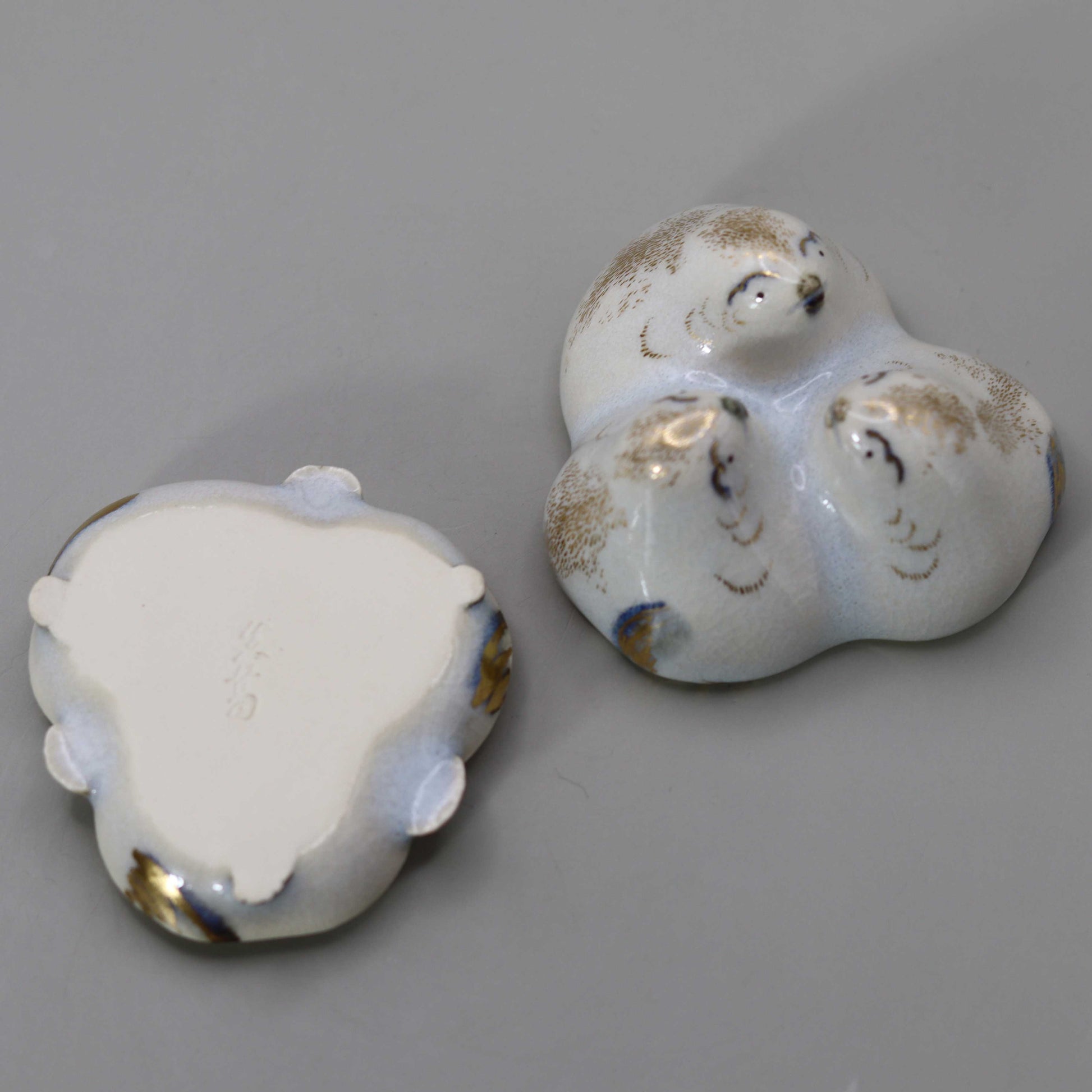
Height: 4.5cm Width: 6.0cm x 6.0cm
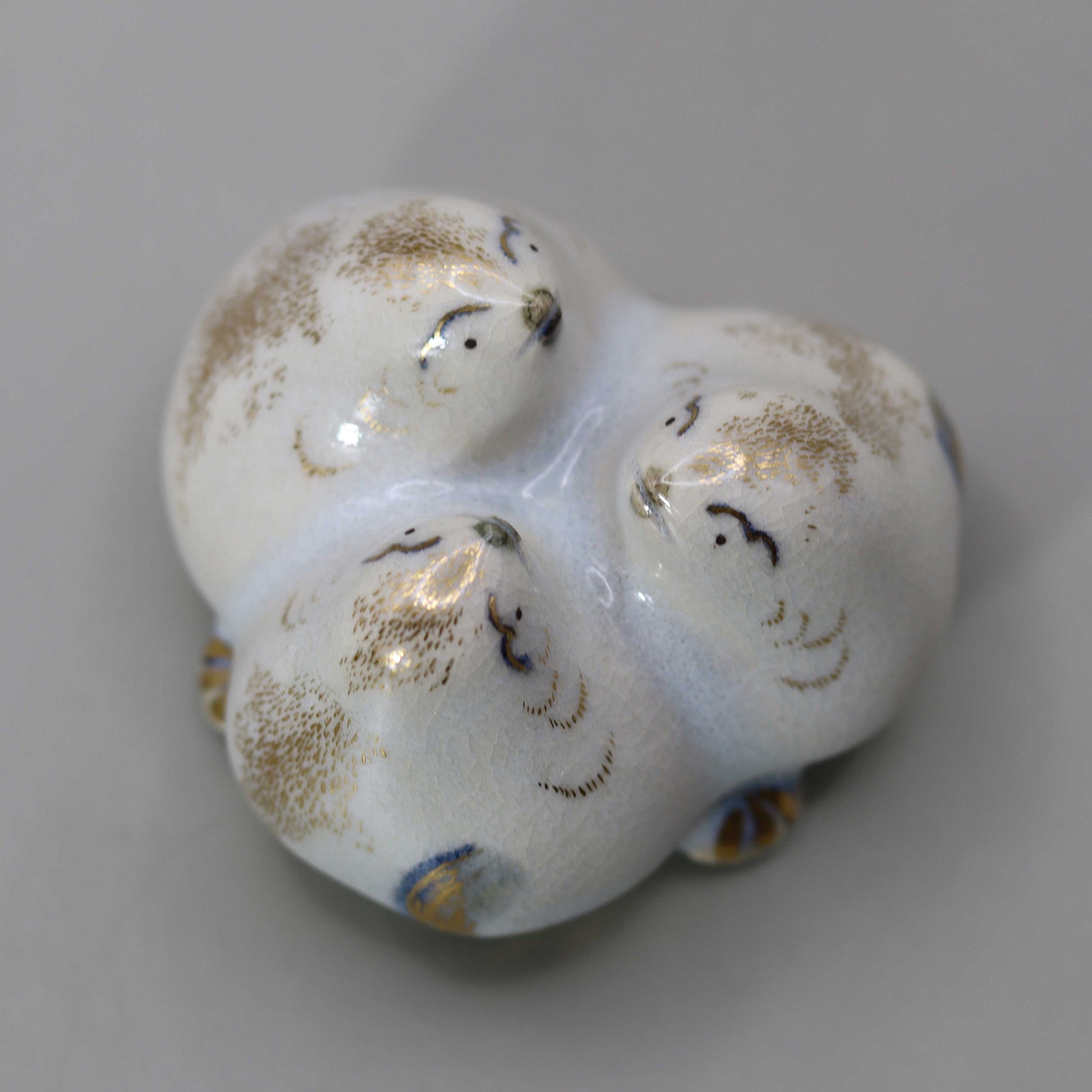
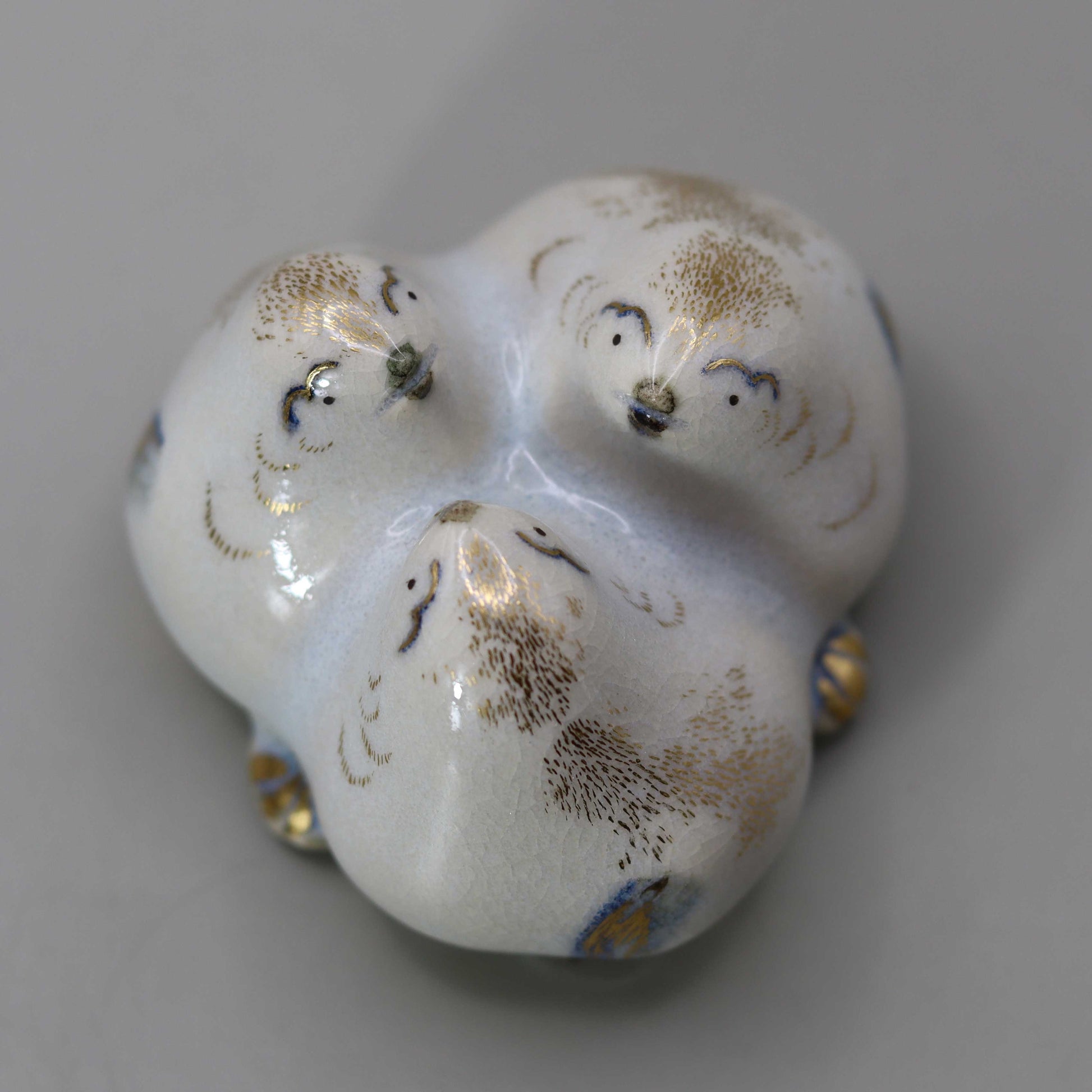
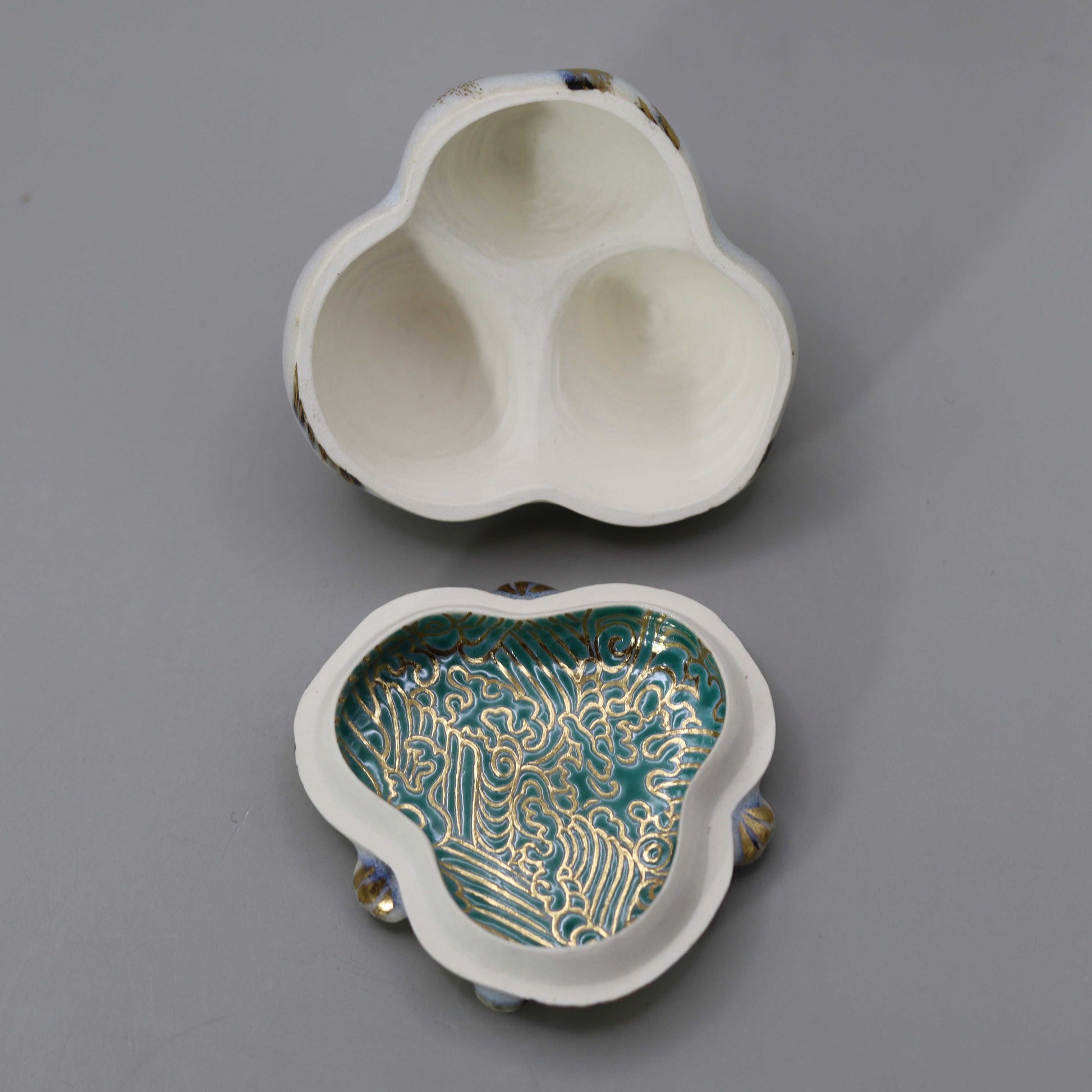
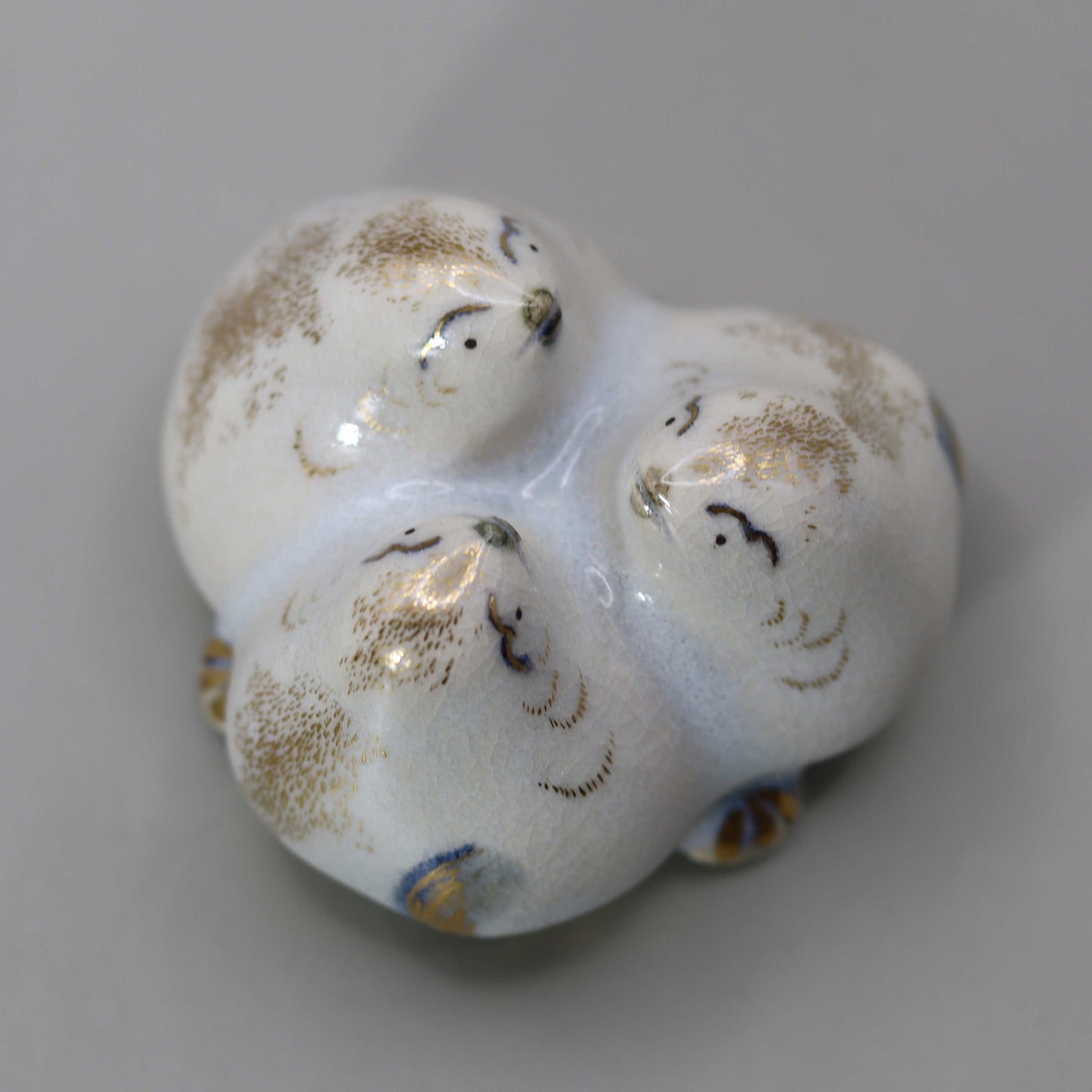
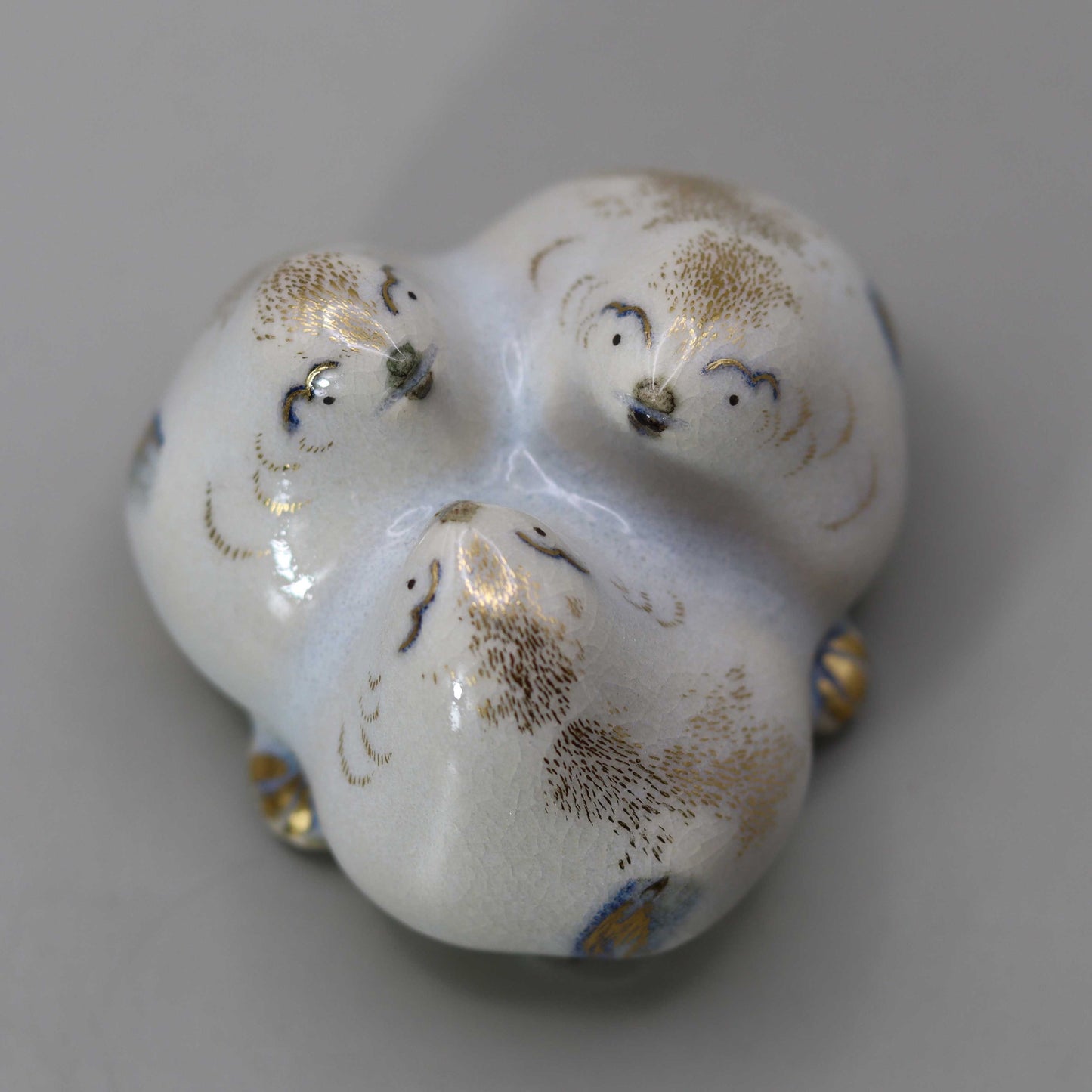
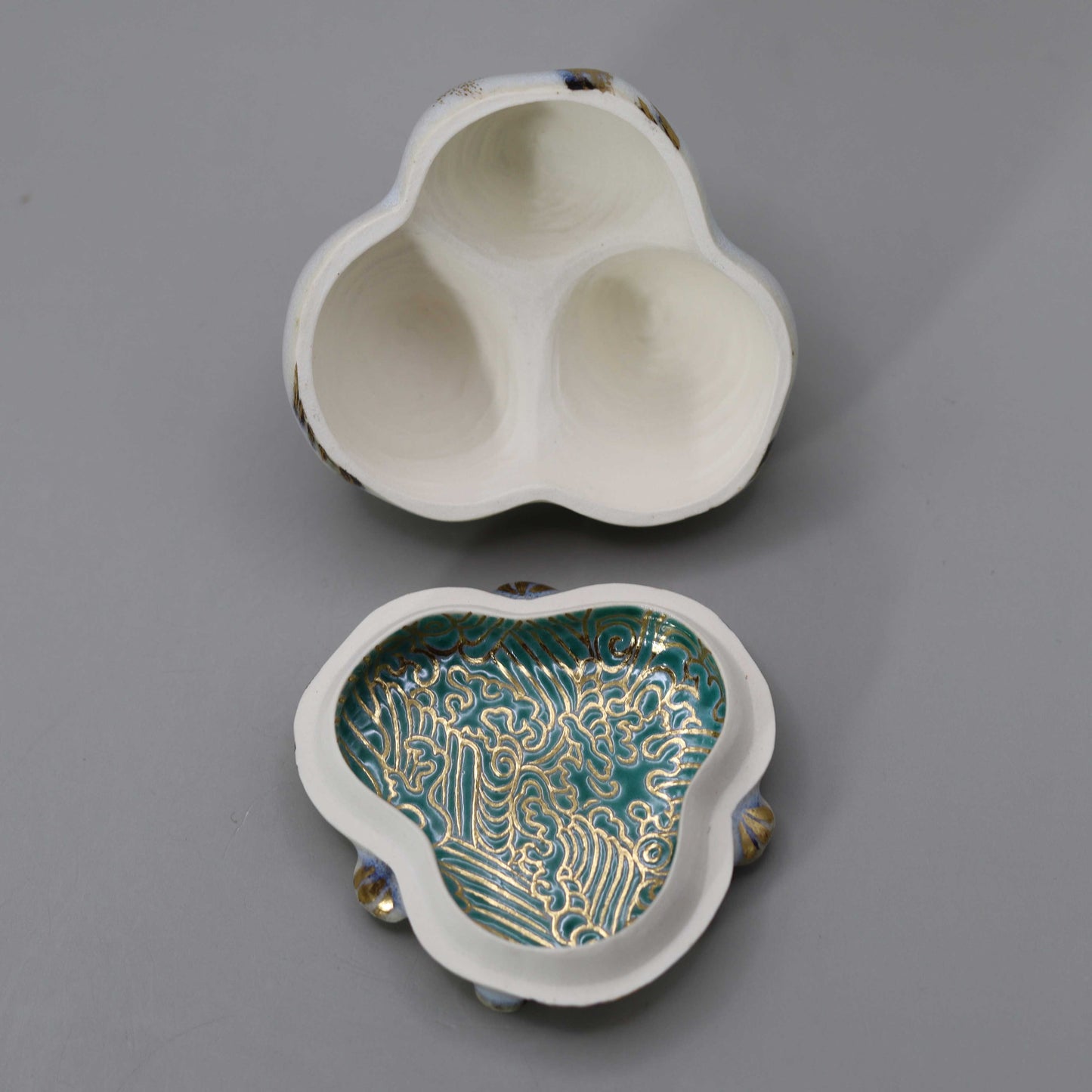
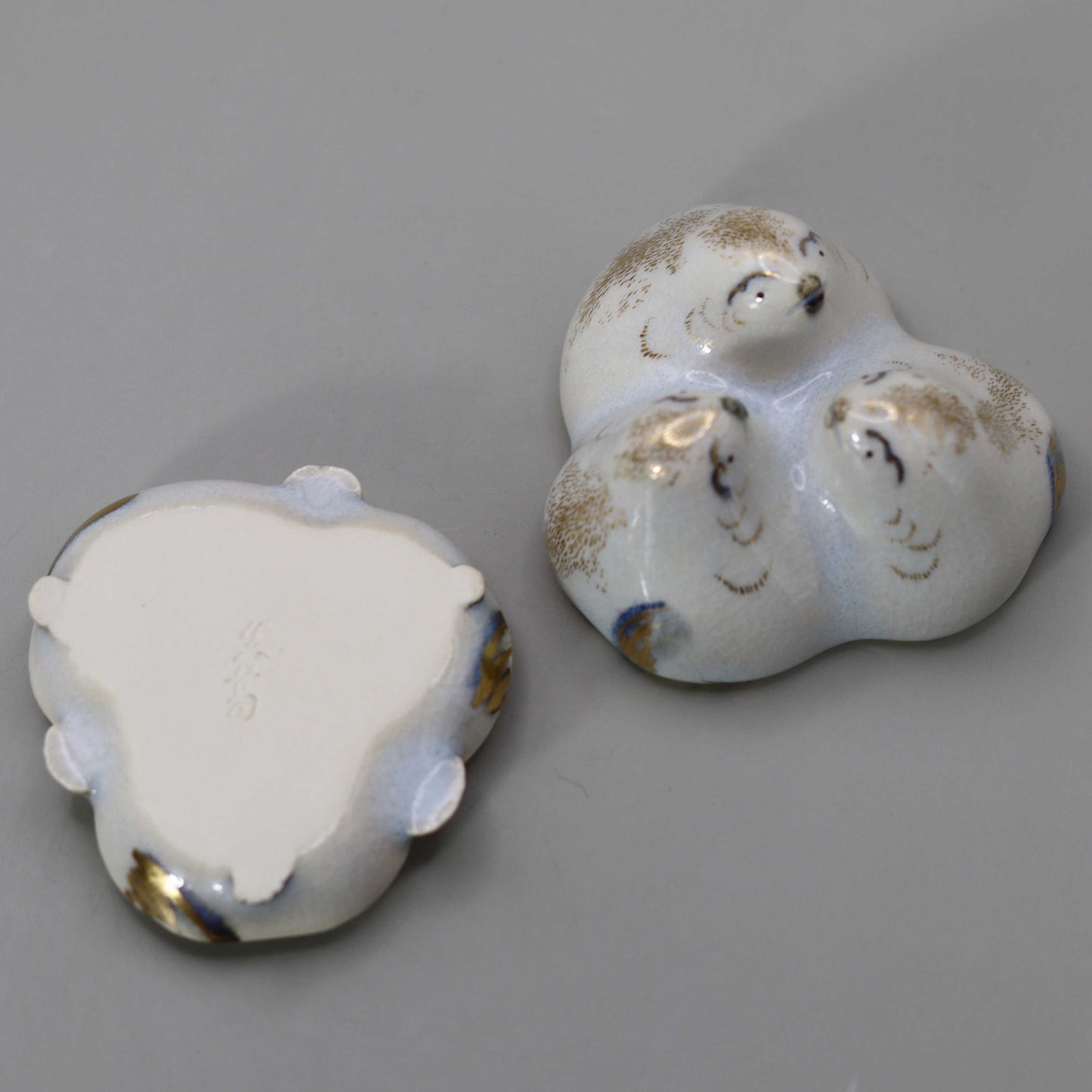
The "Chidori Incense Container Miyagawa Kosai" is a particularly elegant and refined piece among incense containers. An incense container is a container for storing incense used in the charcoal preparation step in the tea ceremony, and its decoration and shape reflect the host's taste and aesthetic sense at the tea ceremony. As the charcoal preparation step is often omitted in modern tea ceremonies, incense containers are often displayed in the alcove, where they are placed alongside seasonal flowers, flower vases, hanging scrolls, and other items, becoming objects of visual appreciation. More than simply a practical tool, incense containers play an important role in enhancing the aesthetic elements of the tea room.
The chidori design and its symbolic meaning
The plover is a symbol of good fortune that has long been a beloved part of Japanese culture, and the "Chidori Incense Container Miyagawa Kosai" incorporates this traditional motif. The plover is a small bird that lives near water. Its appearance has long been depicted in waka and poetry, and it has also been widely used as a motif. The image of the plover leaping over the waves is considered a symbol of overcoming rough seas together, and it embodies wishes for marital harmony and the safety of the home. This motif of the plover has been used since the Manyo period and is deeply familiar to Japanese people. Furthermore, the plover also carries the meaning of "prayers for victory" and "safety for the home." The image of the plover flying through the waves is a symbol of overcoming difficulties, and it embodies a strong desire to overcome the rough seas of life together. While this "Chidori Incense Container" is auspicious, the adorable plover design exudes a modest yet elegant charm.
The aesthetic role of the Chidori incense container in the tea ceremony
The "Chidori Incense Container by Miyagawa Kosai" plays an important role in tea ceremonies. It is not only used during the charcoal preparation, but also displayed alongside a flower vase or hanging scroll in the alcove when the charcoal preparation is omitted, expressing the host's taste and sensibility. The chidori motif of this incense container enhances the aesthetic balance of the entire tea room and leaves a deep impression on viewers. The chidori pattern, in particular, reflects the sense of the seasons, allowing viewers to enjoy the seasonal charm of tea ceremonies throughout the year. Chidori-adorned incense containers are ideal for tea ceremonies that evoke the changing seasons, such as spring and autumn, and evoke the beauty of nature and the cycle of the seasons. In the tea ceremony, the selection of an incense container reflects the host's consideration and sensitivity for the tea ceremony. This piece exudes a dignified elegance while remaining beautiful and in harmony with nature.
The history of Makuzu ware and the traditions of the Miyagawa family
The "Chidori Incense Container by Miyagawa Kosai" is a work born from the rich tradition of Makuzu ware. The history of Makuzu ware dates back to the Jokyo era (1684-1687), when the Miyagawa family began producing pottery in front of Chion-in Temple in Kyoto. The Miyagawa family subsequently inherited the techniques of Kyoto ware and focused on creating tea ceremony and sencha tea utensils. In particular, the first Miyagawa Kosai, while continuing the tradition of Kyoto ware, developed Makuzu ware into a unique style, establishing the style of the Kosai family that would follow. This "Chidori Incense Container" embodies the Miyagawa family's long history and the traditional techniques of Makuzu ware. Miyagawa Kosai's techniques, passed down through the generations, have continued to refine the beauty of Makuzu ware, creating works that embody the spirit of the tea ceremony over his more than 330-year history of pottery making. Miyagawa Kosai continues to create works that combine beauty and practicality in tea ceremony utensils, and this piece is an example of that.
Overseas reputation and influence of Miyagawa Kosai
In recent years, Makuzu ware has been highly acclaimed not only in Japan but also overseas. Miyagawa Kosai's works are collected in various countries, including the United States, the United Kingdom, France, and China, stimulating growing interest in the tea ceremony and traditional Japanese culture. His works are particularly well-received in international museums, including the Victoria & Albert Museum in London and the Permanent Mission of Japan to UNESCO in Paris, demonstrating his artistic and technical excellence. While based on the traditions of the tea ceremony, the "Chidori Incense Box by Miyagawa Kosai" possesses a universal appeal that resonates with modern sensibilities. While utilizing the traditional chidori motif, its design possesses a refined beauty befitting modern tea ceremonies, making it beloved by many across borders. This piece combines practicality as a tea ceremony utensil with value as a work of art. The auspiciousness of the chidori design harmonizes with the graceful design, making it not only an important addition to a tea room or alcove, but also deeply moving to its viewers. Furthermore, this incense container, which embodies the traditions of Makuzu ware and the techniques of Miyagawa Kosai, not only embodies the spirit of the tea ceremony, but will also shine as a special presence in everyday life. The "Chidori Incense Container," which holds auspicious symbols such as prayers for the safety of the home and good fortune, is more than just a tool; it is a work of art with cultural significance, and its value will be passed down through generations.
Share
-
[I will send it to you quickly and carefully]
We carefully package each product in a way that suits it best.
Also, delivery times vary depending on the piece (vessel, etc.).
Items that already come with a box will be shipped within 1-3 days of the order date.
For items that require a box to be made after your order, it will take approximately 30 days for production to be completed and then shipped.
In either case, once we have confirmed your order, we will contact you by email to inform you of the delivery date.
-
[Requests when purchasing pottery]
Even products that look the same may differ slightly in color, shape, size, etc.
The way the glaze is used, the power of the kiln, the firing method, the season, and the humidity also affect the appearance of the pottery.
Please understand the individuality of each piece of pottery and enjoy the unique warmth of handmade.