
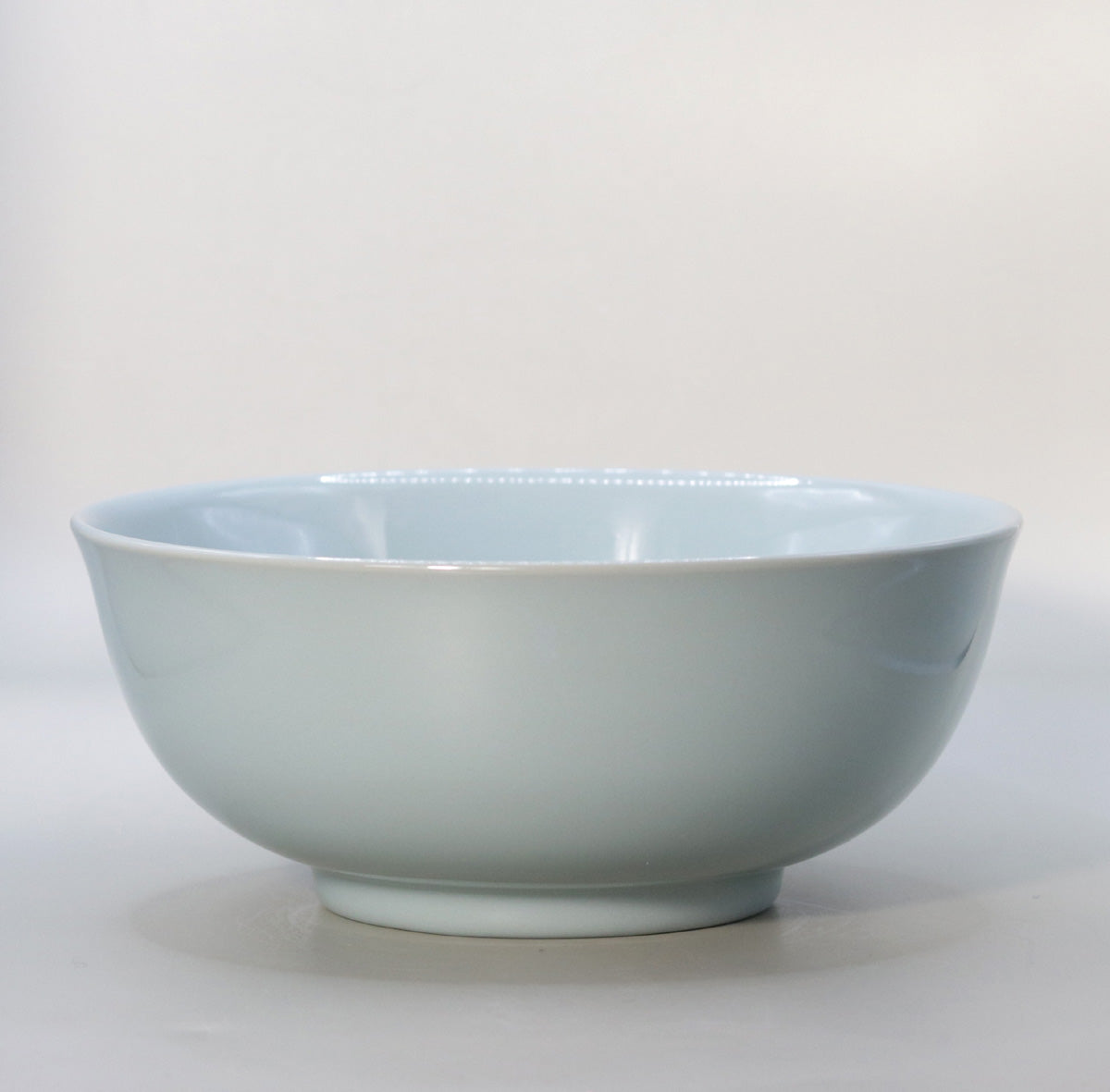
Blue porcelain bowl, Suwa Sozan
Blue porcelain bowl, Suwa Sozan
Couldn't load pickup availability
Width: 20.3cm Height: 8.5cm
Pure vessels that reflect the aesthetics of Longquan of the Southern Song Dynasty
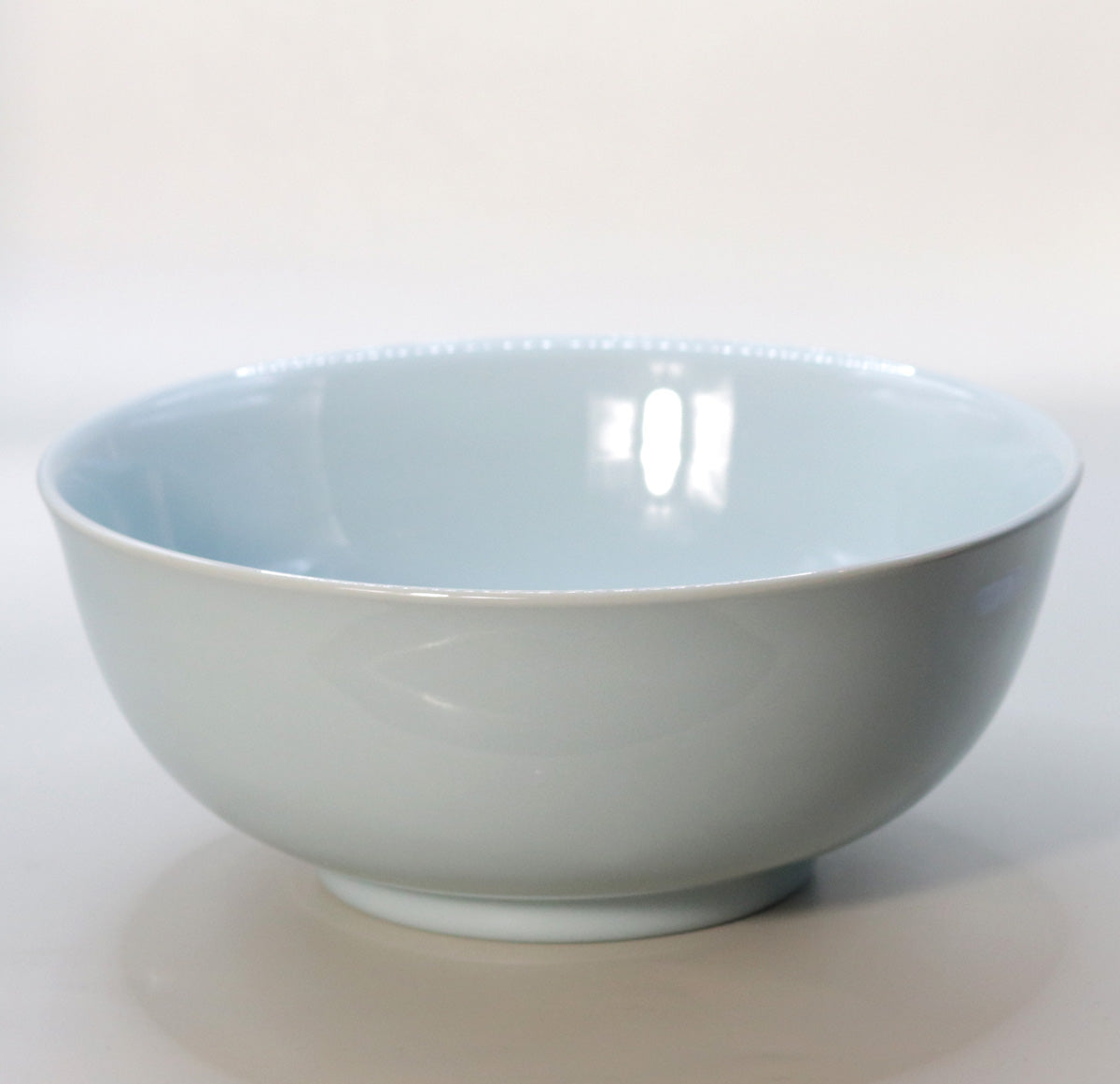
The "Celadon Tanban Bowl" is a work that was reconstructed by the fourth generation Suwa Sozan, based on the shape and glaze of Kinuta celadon, which was perfected at the Longquan kiln during the Southern Song Dynasty in China, in a form that is in line with the aesthetics of Japanese life and spiritual culture.
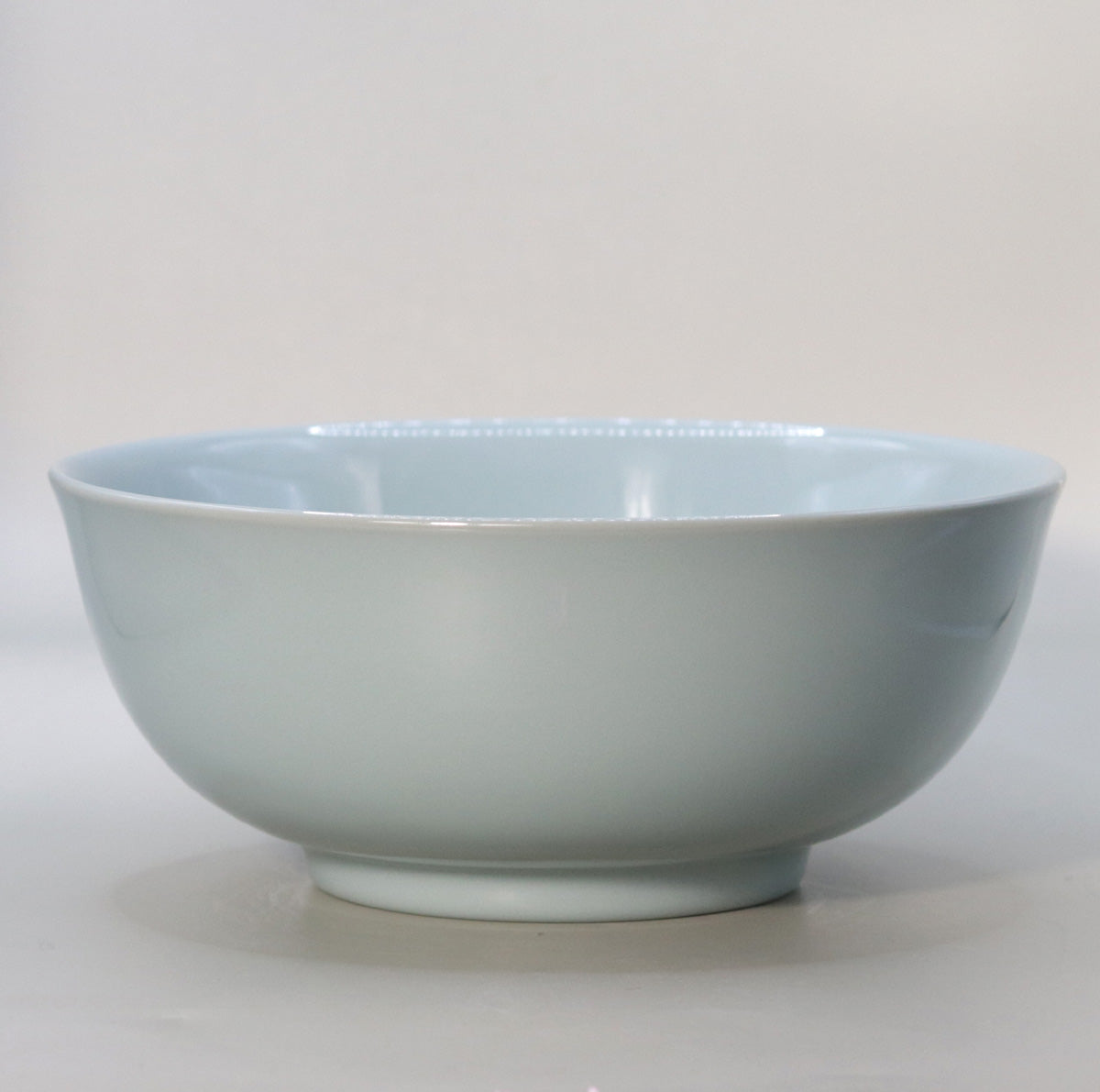
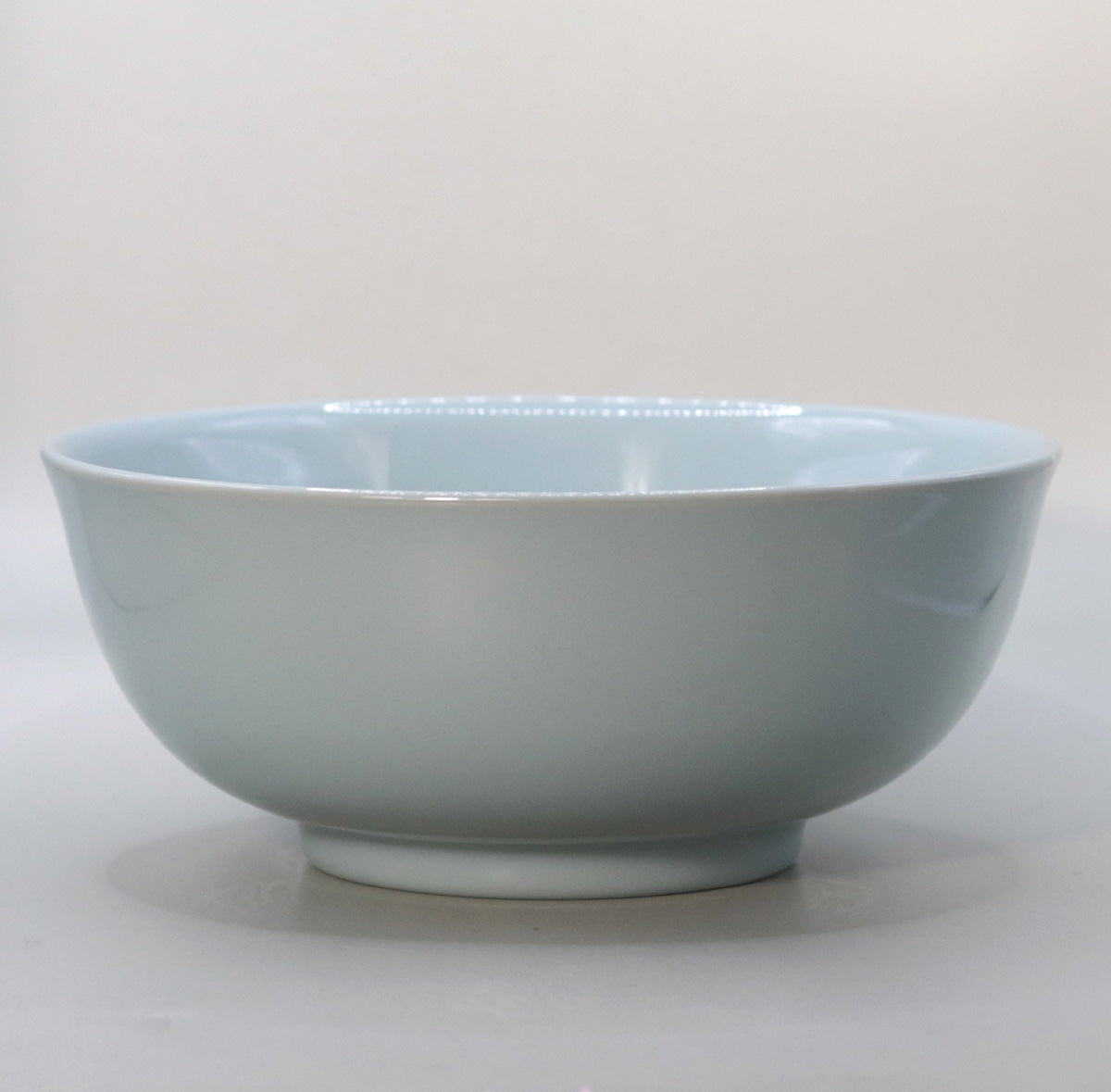
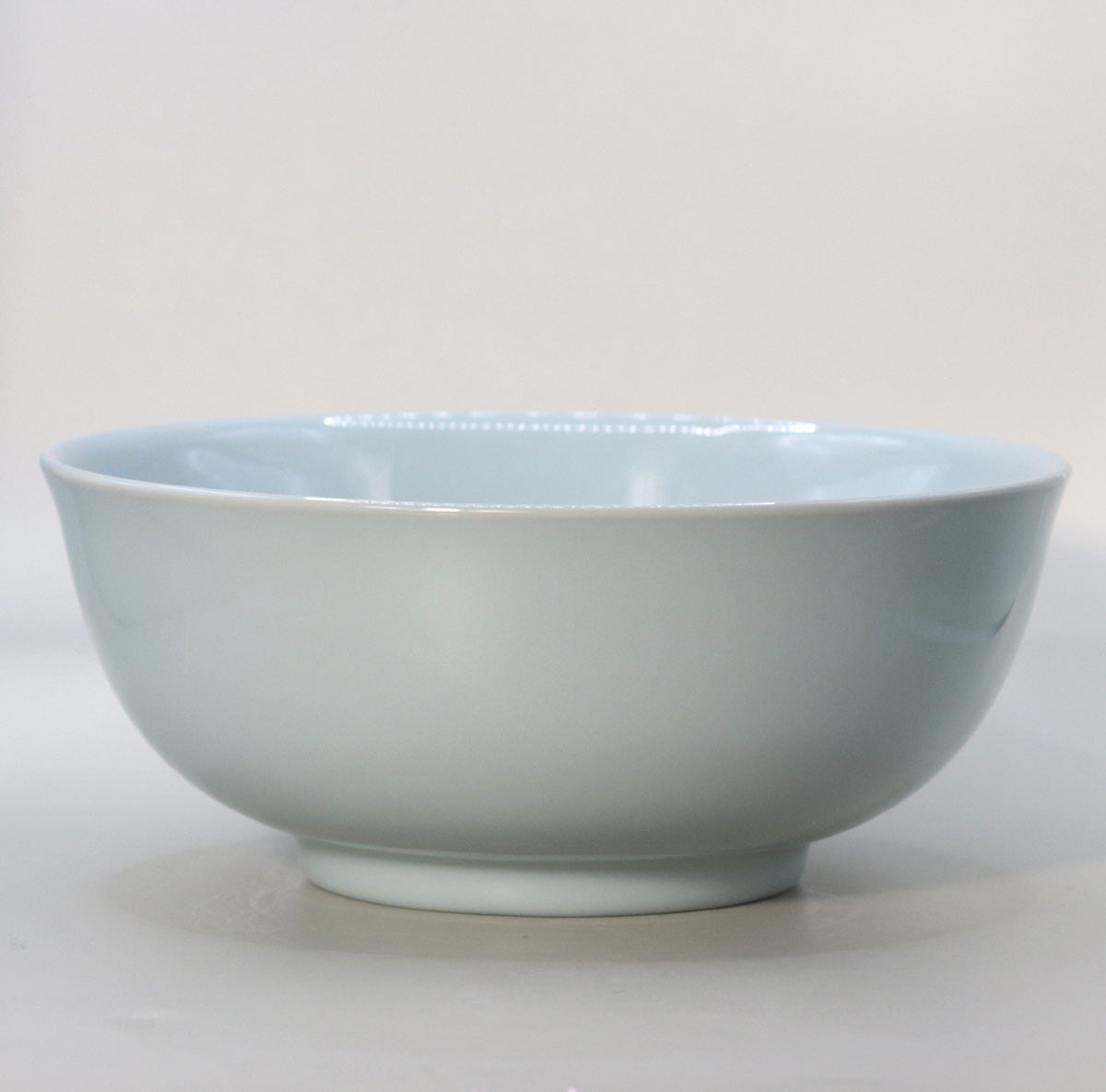
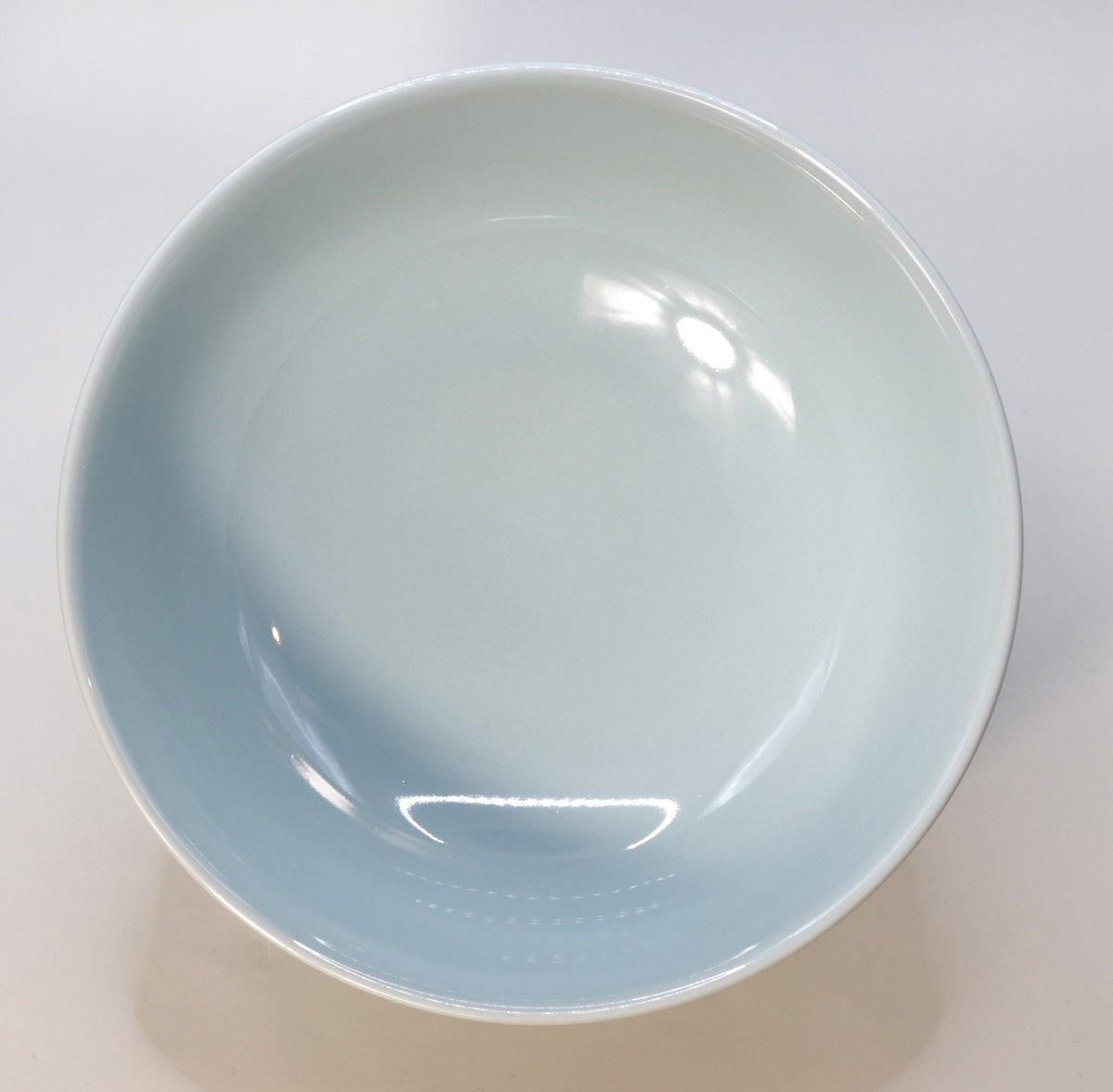
As you can see at a glance from the photograph, the greatest features of this piece are its tranquil, clear glaze color and the gently flaring, curved rim . The elegant bowl shape is imbued with a supple, restrained beauty of curve, making it truly one of the sayings that "tableware is both the beauty of utility and the symbol of the beauty of tranquility."
The tranquil appearance of Tantan
The shape of this piece is "hatazori," meaning that the rim opens slightly outward , and its structure combines visual lightness with practicality.
The hatan style was also frequently used in Song dynasty celadon ware, and its opening is known for enhancing the function of the vessel while also creating a sense of spaciousness . This bowl, created by Suwa Sozan, has an extremely smooth flow from the shoulder to the body, achieving a distortion-free, well-balanced form overall .
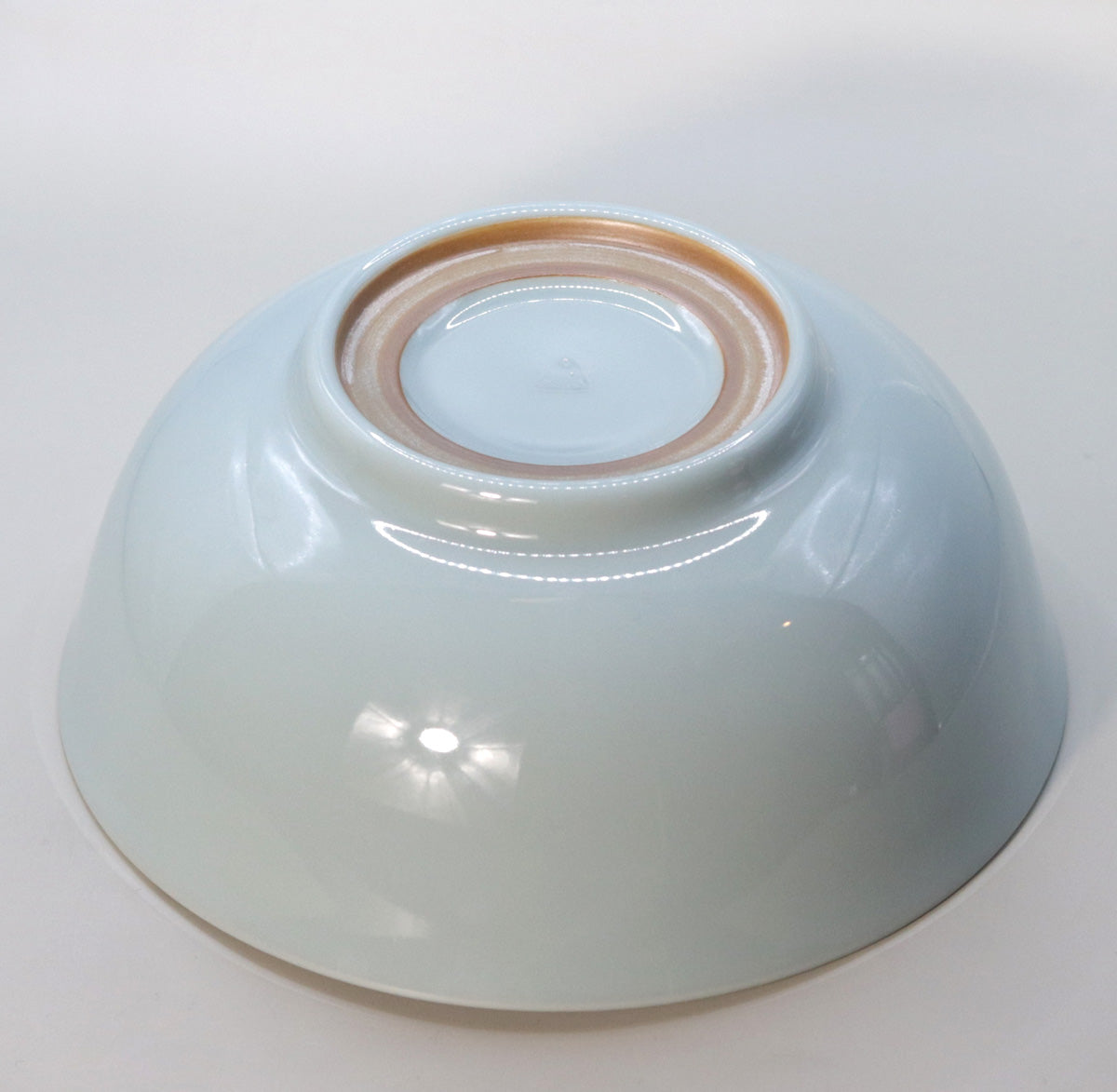
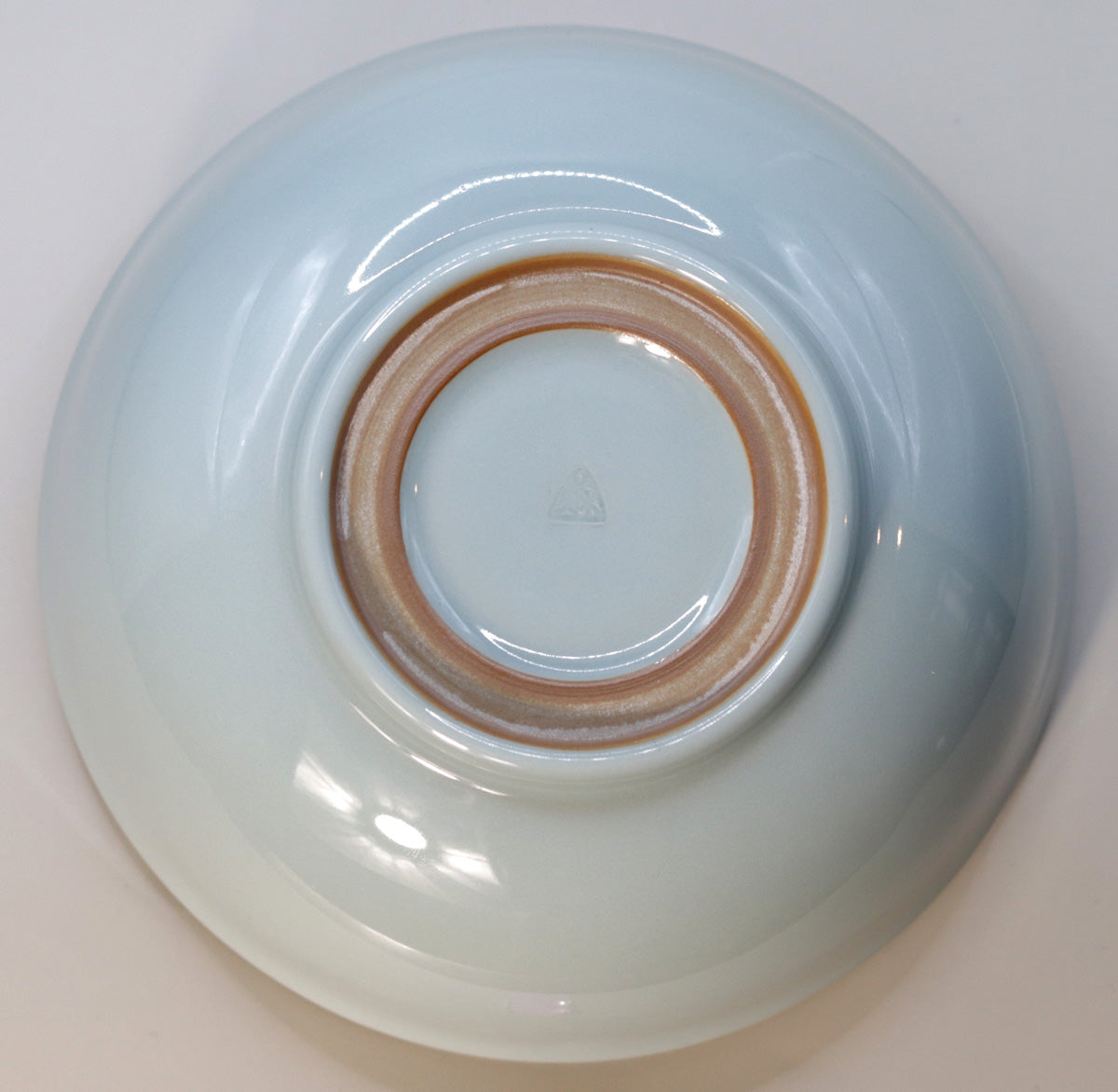
The base of the vessel has a firm base, which gives the bowl a sense of dignity and stability when placed on the surface, while also creating a light, airy impression, as if the entire bowl is floating slightly. This "floating center of gravity" is the technical key to achieving both serenity and elegance in the world of celadon porcelain.
The beauty of celadon glaze - "The light of jade" inherited from the first Sozan
Celadon is originally a general term for ceramics that are colored blue-green by reduction firing due to trace amounts of iron in the glaze. During the Song Dynasty in China, celadon was particularly praised for its "jade-like color" and was beloved as ware for the imperial court.
The glaze applied to this piece belongs to the lineage of "Sozan Celadon," which was perfected by the first Suwa Sozan after approximately 25 years of trial and error. The translucent pale blue-green color changes appearance depending on the viewing angle and lighting conditions, sometimes appearing like pale blue porcelain and sometimes taking on a jade-like luster.
The glaze covers the entire bowl evenly, with an extremely thick application that leaves no rungs or unevenness on the surface. In particular, the glaze accumulates slightly on the curved rim, creating a shading of light that gives the bowl a "breathing" feel, almost giving it life .
The beauty of utility and tea ceremony utensils
This tanban bowl can be used as a serving bowl or a serving bowl at tea ceremony or traditional Japanese cuisine ceremonies, and it also looks beautiful with a single flower floating in it, or it can be used quietly as a sweets dish, bringing an air of elegance to any occasion .
The shape of the edge of the bowl not only has a visual effect of making the mouth of the bowl appear wider, but also contributes to its practicality by allowing the bowl to rest comfortably in the hand and making it easy to serve . This bowl can be said to be an attempt to reconstruct the "beauty of utility" inherent in celadon porcelain, harmonizing it with modern living spaces .
Celadon: inheriting history and heading towards the future
Kinuta celadon is a type of pottery that reached the pinnacle of technique and aesthetics in the Longquan kilns of the Southern Song dynasty, and was highly valued, particularly among the imperial court and literati, as a vessel symbolizing spirituality in place of bronze ware. It later made its way to Japan through the Yuan and Ming dynasties, where it developed its own unique value by linking with the aesthetic sense of the tea ceremony.
The first Suwa Sozan, while carrying on this tradition, had the lofty ambition of recreating Kinuta celadon in the Japanese porcelain culture, and produced numerous celadon pieces from the Meiji to Showa periods. Successive generations of Sozans have continued to experiment, and to this day, the fourth generation of Sozans have maintained their stance as creators who stand at the crossroads of celadon tradition and innovation .
This piece, "Celadon Tanban Bowl," is also an extension of that lineage, but has been perfected as a vessel that is in tune with modern sensibilities and the lifestyle of the user .
Sublime beauty dwelling in silence
The "Celadon Edged Bowl" is a masterpiece that, while based on the aesthetics of Southern Song celadon, recreates a tranquil and profound beauty for the modern era through the unique sculptural sense and glaze control of Suwa Sozan IV.
The blue is as clear as the heavenly blue sky, and the world seems to be reflected within the vessel. The bowl is filled with a clear depth within , as if the stillness of the universe has been condensed into the vessel. It calms the mind of the viewer and brings a moment of tranquility and coolness to the hands of those who touch it.
Share
-
[I will send it to you quickly and carefully]
We carefully package each product in a way that suits it best.
Also, delivery times vary depending on the piece (vessel, etc.).
Items that already come with a box will be shipped within 1-3 days of the order date.
For items that require a box to be made after your order, it will take approximately 30 days for production to be completed and then shipped.
In either case, once we have confirmed your order, we will contact you by email to inform you of the delivery date.
-
[Requests when purchasing pottery]
Even products that look the same may differ slightly in color, shape, size, etc.
The way the glaze is used, the power of the kiln, the firing method, the season, and the humidity also affect the appearance of the pottery.
Please understand the individuality of each piece of pottery and enjoy the unique warmth of handmade.