


Raku tea bowl with pine by Kosai Miyagawa
Raku tea bowl with pine by Kosai Miyagawa
Couldn't load pickup availability
Height: 9.5cm Width: 12.0cm
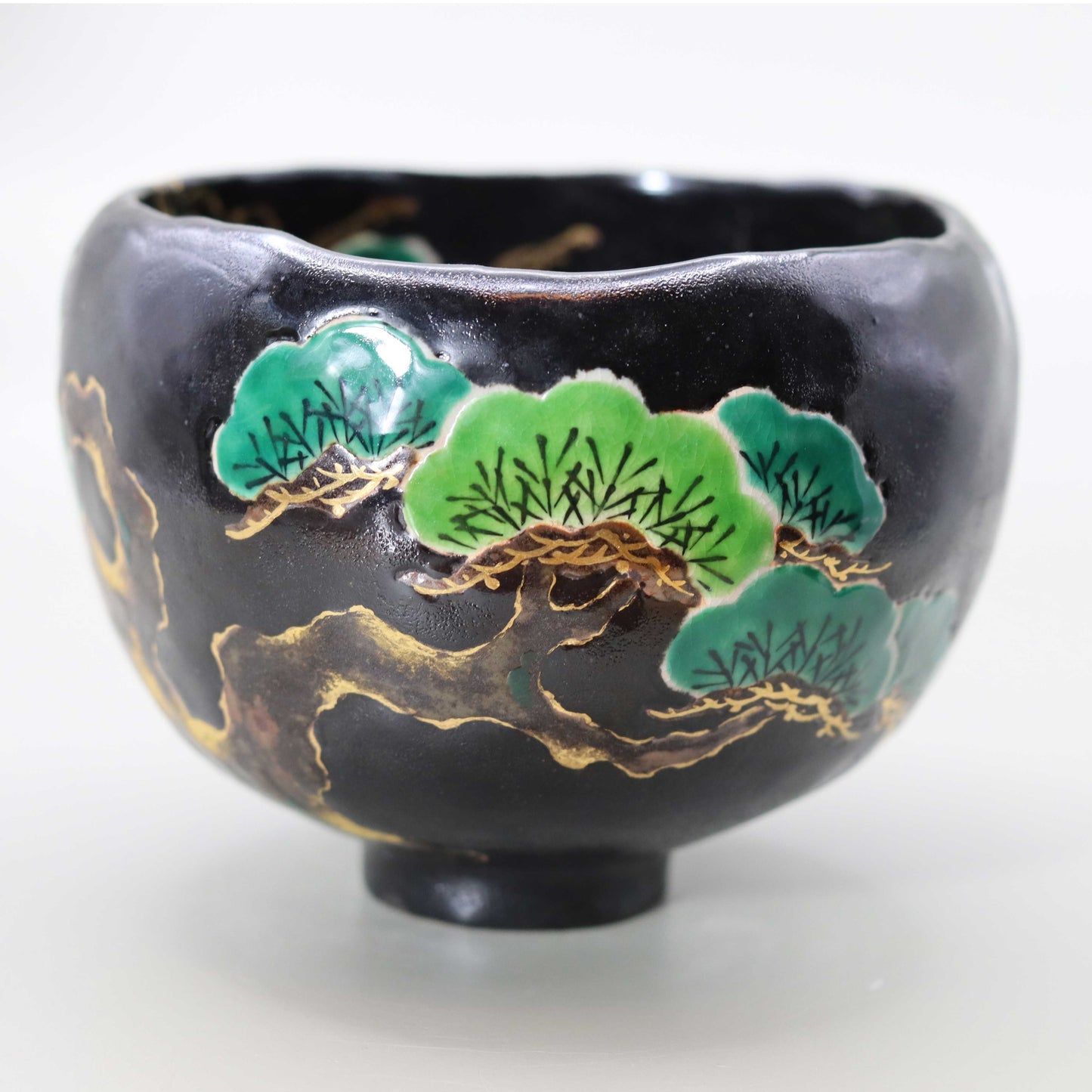
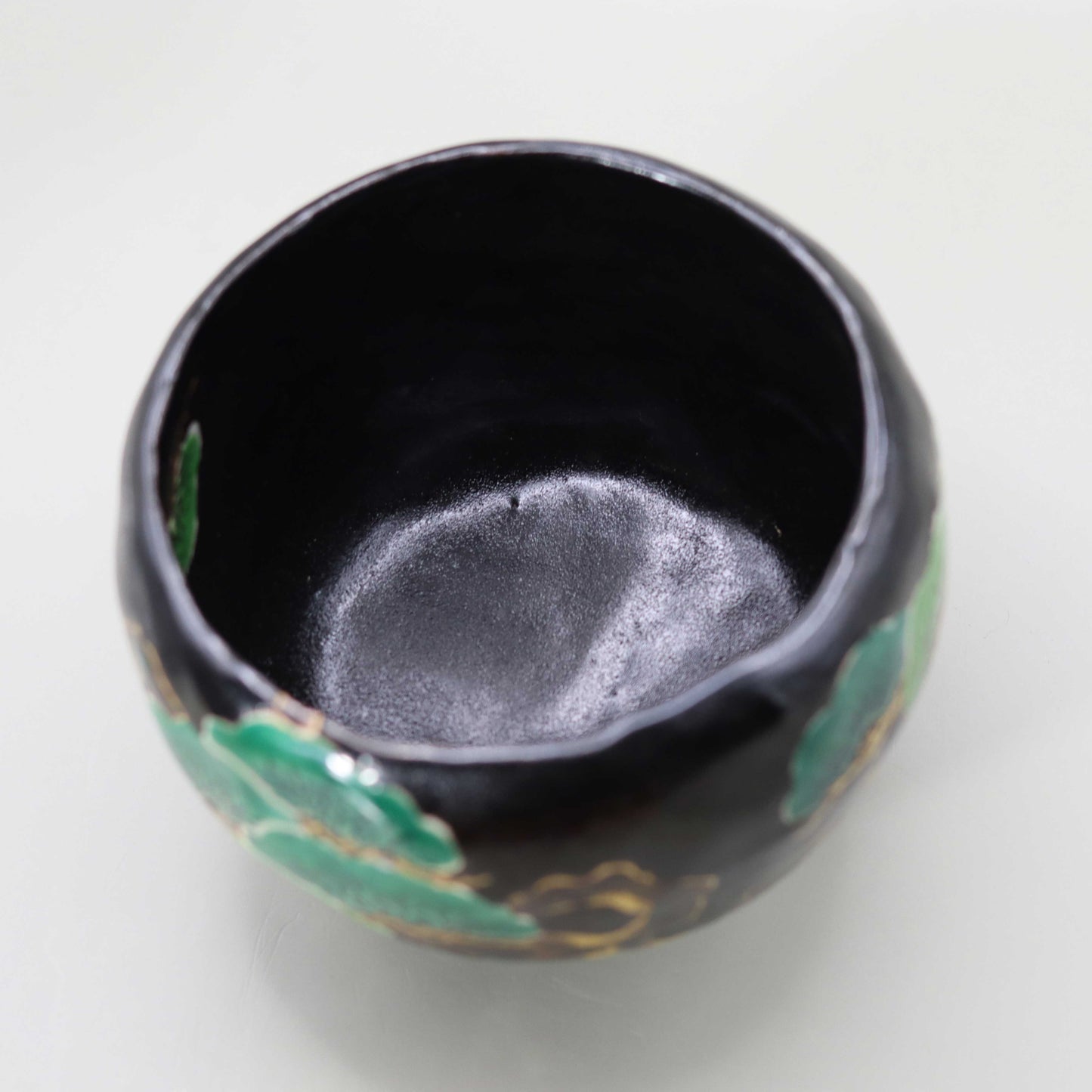
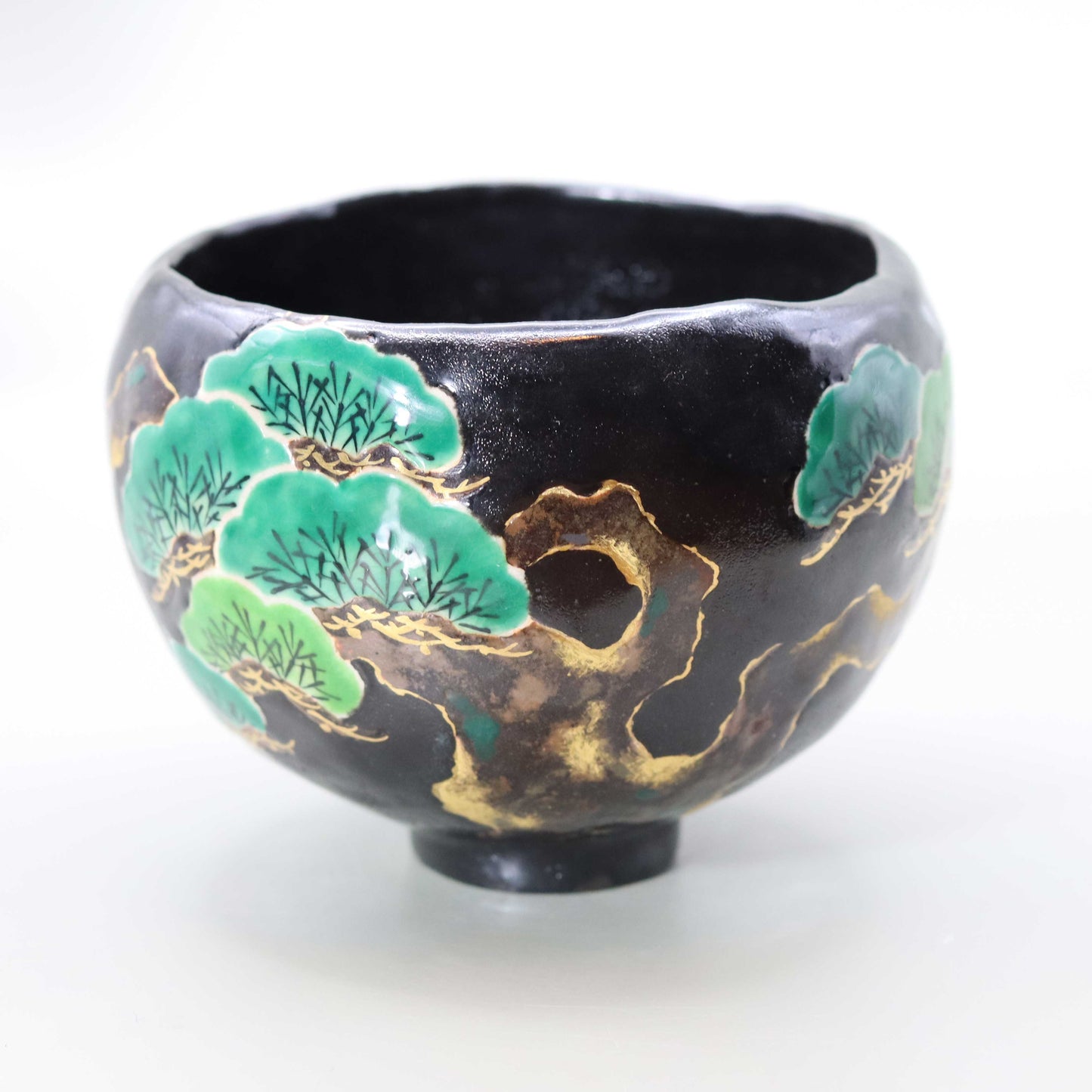
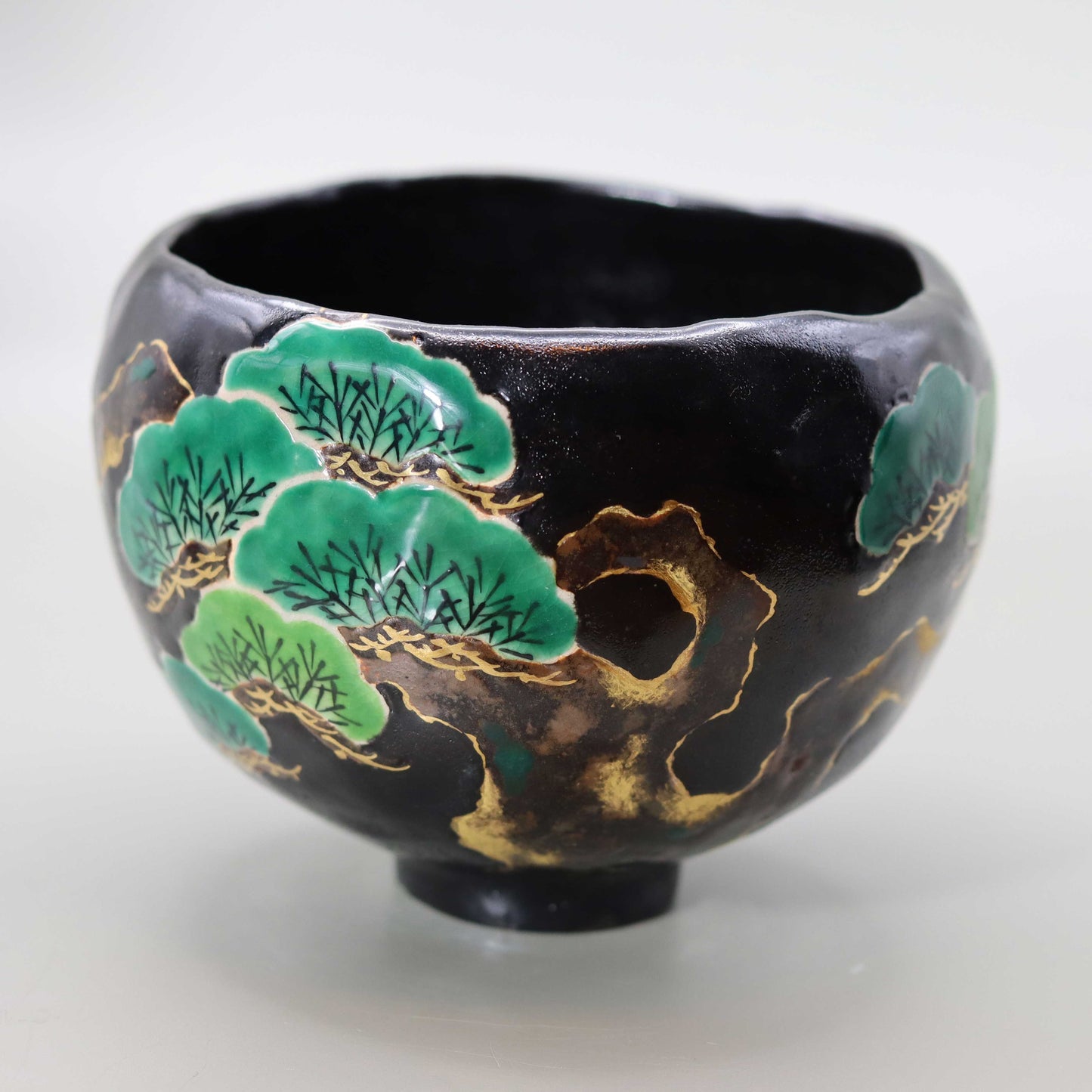
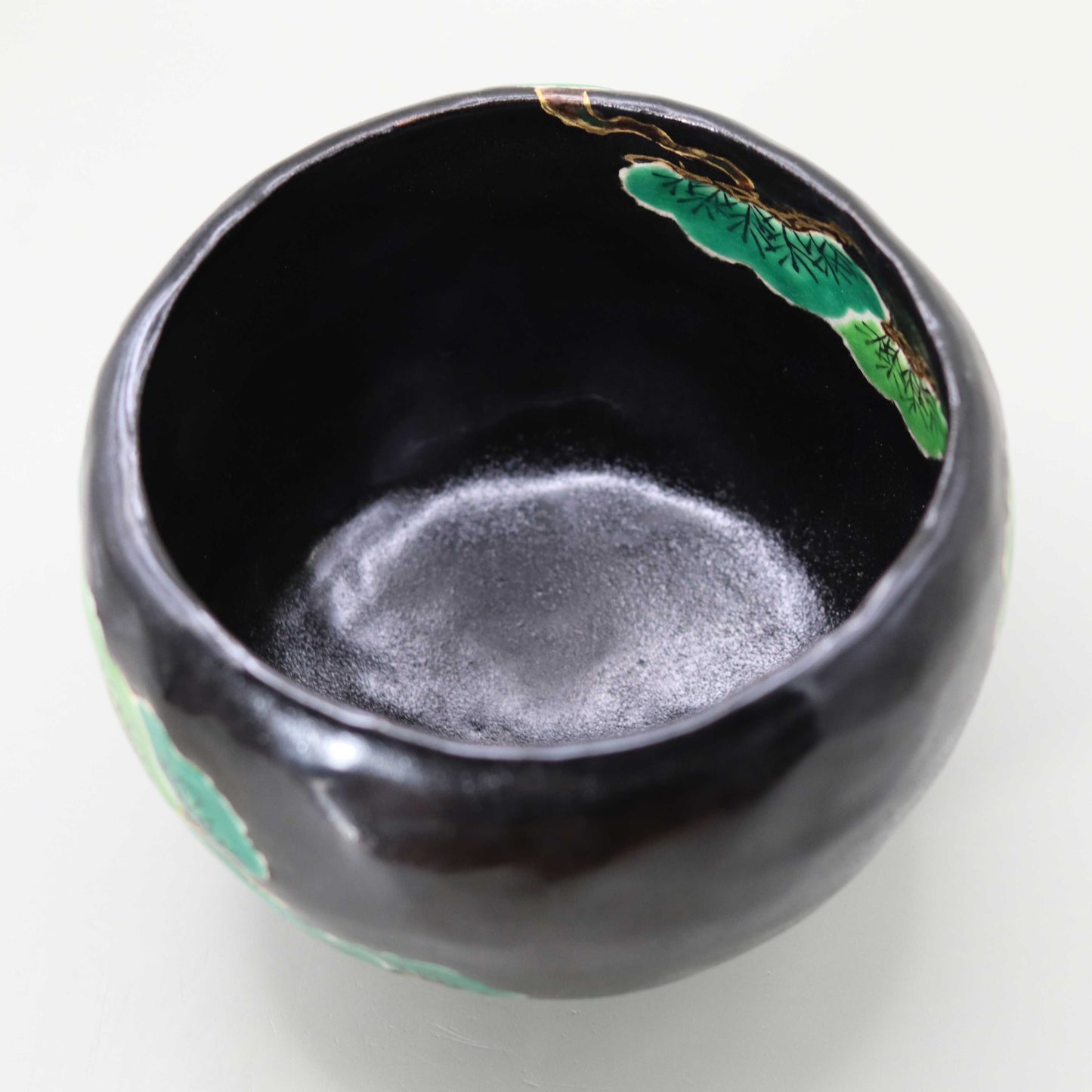
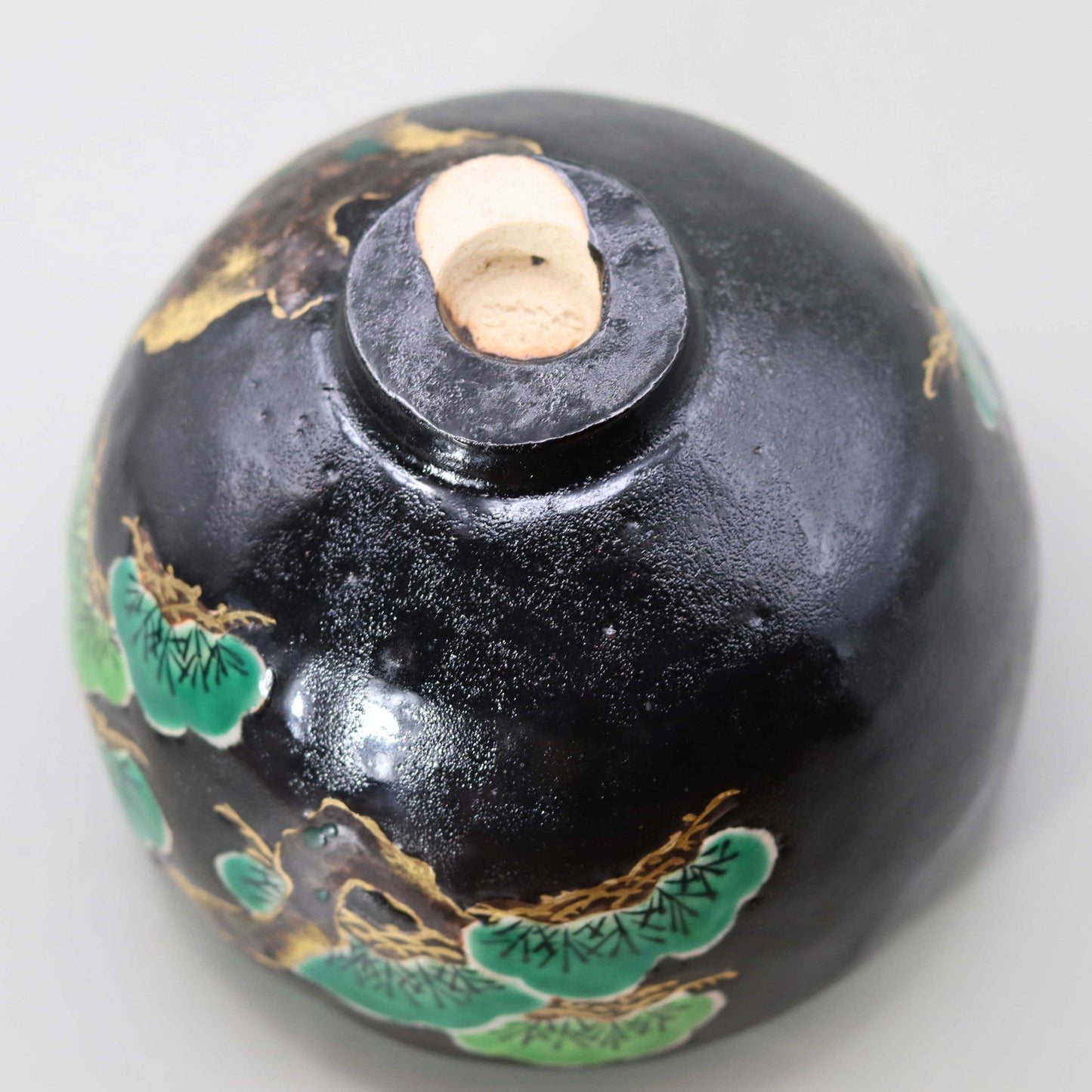
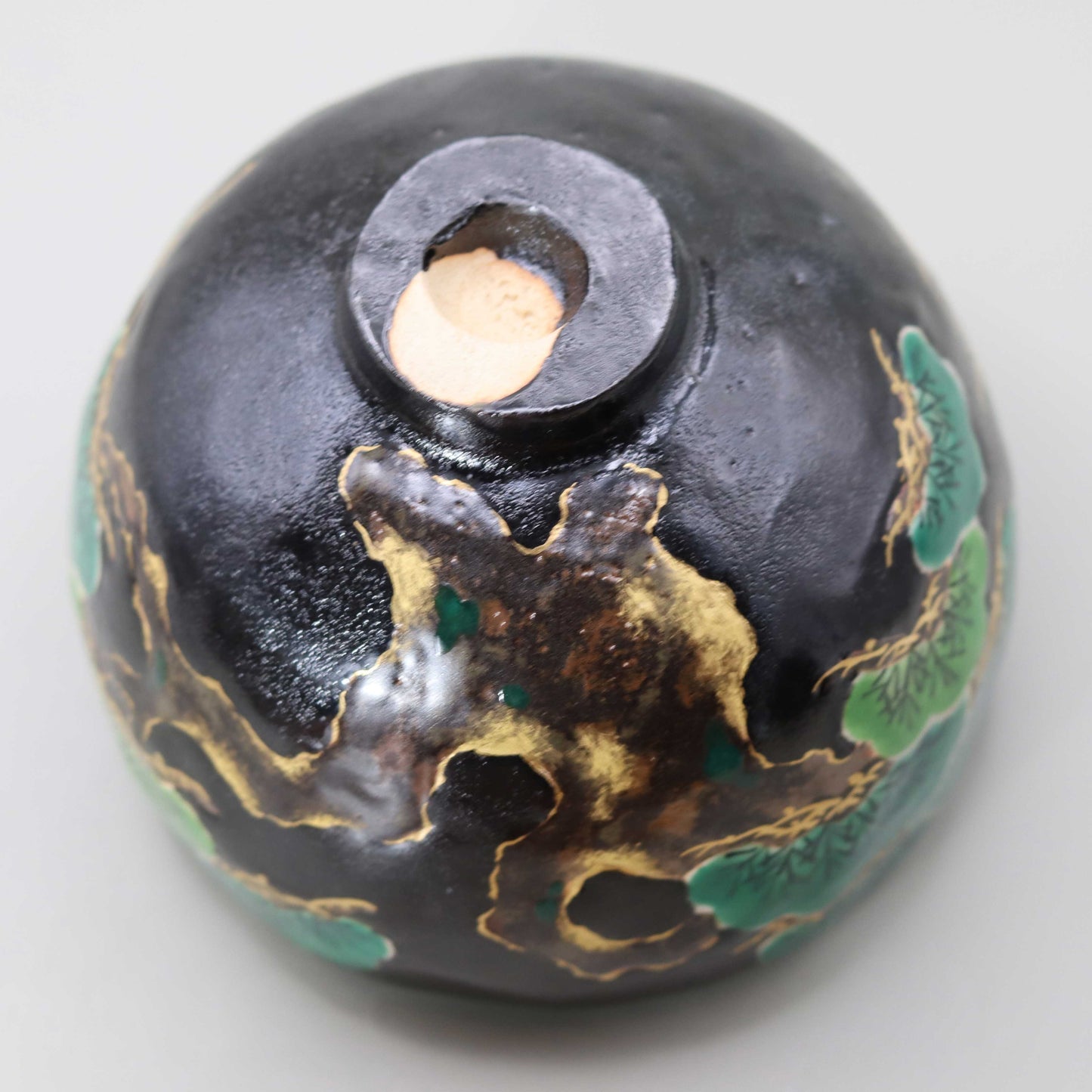
The "Black Glazed Hand-Formed Pine Tea Bowl by Miyagawa Kosai" is a sublime piece that beautifully combines traditional Japanese aesthetics with the Miyagawa family's time-honored techniques. This tea bowl was crafted using the hand-formed technique, and its hemispherical shape fits comfortably in the hand. The deep color of the black glaze enhances the ease and beauty of the bowl, further enhancing the feel of the bowl when held. The surface of the tea bowl is adorned with a bold pine tree design, and its powerful pattern not only makes a visual impact, but also enhances its elegance as a tea ceremony utensil.
Pine symbolism and its cultural background
Pine trees have long held a special place in Japanese culture, and are considered sacred trees, as well as symbols of chastity and longevity. In Japan, pine trees have been believed to be "divine trees" and to contain divine powers. As seen in the custom of kadomatsu (New Year's decorations), pine trees are used to welcome the New Year, and are revered as symbols of longevity and immortality. Pine trees are also considered the most auspicious of the "pine, bamboo, and plum" tree, and their indomitable vitality and strength make them a symbol of joyful events and longevity.
It is an evergreen tree that remains lush even in the harsh winter, and its strength and durability are the reasons why it symbolizes longevity and immortality. During Japan's Heian period, the pine tree began to be featured in many documents and works of art as a symbol of good fortune, and has continued to be a beloved motif in the tea ceremony and in crafts ever since. The pine tree has a special presence in the world of tea ceremony, and the solemnity and vitality that a painting of a pine tree brings to the silence of a tea room evokes a deep spiritual feeling in the user.
A masterful combination of hand-formed pottery and black glaze
The "Black Glazed Hand-Formed Pine Tea Bowl" is made using the hand-forming technique, and is characterized by the natural shape that is born from being made by hand. Hand-forming is a technique in which the potter's movements and touch are reflected directly in the work, giving it the warmth that can only be achieved by hand. The shape of the tea bowl is somewhat simple, yet calculated to fit perfectly in the user's hand. This technique values not only aesthetic beauty but also practical usability, making it an important element in the world of tea ceremony.
The black glaze, which is rich in iron and fired at high temperatures, develops a deep black color. The surface of this black glaze shows various expressions depending on the amount of light, and one of its charms is the way the texture changes when you hold the tea bowl. The black glaze is also an ideal background color to highlight the vibrant green of matcha in the tea ceremony, and its color brings a tranquil atmosphere to the tea ceremony.
Pine paintings and their meanings
The pine tree on this tea bowl is painted with bold brushstrokes, and its powerful lines are eye-catching. The curves of the pine branches and leaves express the natural beauty of nature, and their movement is felt vividly. The pine tree is not only a symbol of longevity and immortality, but its powerful vitality is also seen as representing indomitable spirit and strength.
The pine tree design surrounds the tea bowl, showing a different expression each time the bowl is turned. In the tea ceremony, the act of turning the tea bowl while preparing tea is important, and the pine tree design provides a visual treat during this process. Also noteworthy is the way the pine needles are depicted; even after falling, the two leaves remain connected at the base, making them a symbol of inseparability and a symbol of marital harmony and bonding.
The history of Makuzu ware and the traditions of the Miyagawa family
Miyagawa Kosai, who made this tea bowl, is a descendant of a Kyoto family that has been making Makuzu ware for generations, with a history spanning over 330 years. The origins of Makuzu ware date back to the Jokyo era (1684-1687) of the Edo period, when the first Miyagawa Kobee Masakazu opened a kiln in Kyoto. Since then, the Miyagawa family has passed down their pottery techniques for generations, producing a variety of crafts, including tea utensils and sencha tea utensils.
In particular, the technique of using "straw ash glaze" is one of the most representative features of Makuzu ware. Straw ash glaze is made using the ash remaining after burning firewood, creating a translucent appearance and a deep color. This glaze has been passed down through the Miyagawa family for over 200 years, and every piece that uses it has a high aesthetic value. The harmony between the black glaze and straw ash glaze can be seen in this "Black Glazed Hand-Formed Pine Tea Bowl," and its beauty is immediately apparent.
Miyagawa Kosai and his contemporary reputation
As the seventh generation head of the Makuzu family, Miyagawa Kosai continues to preserve the tradition while creating modern tea utensils and crafts. Miyagawa family works are highly acclaimed both in Japan and abroad, and are housed in numerous museums, including the Victoria & Albert Museum in London and the Permanent Mission of Japan to UNESCO in Paris. Recently, Miyagawa family works have also gained a large following in the United States, Europe, and China, and are beloved worldwide as symbols of traditional Japanese beauty. The "Black Glazed Hand-Formed Pine Tea Bowl by Miyagawa Kosai" combines the warmth of hand-forming, the depth of the black glaze, and the powerful pine tree design, creating a true masterpiece of tea utensils. Its beautiful shape and texture not only play an important role in the world of tea ceremony, but also evoke a deep spiritual and natural beauty in the viewer. This tea bowl, embodying the traditions and techniques passed down by the Miyagawa family for over 330 years, is highly valued not only as a tea utensil but also as a work of art, and is sure to continue to be beloved by many people for years to come.
Share
-
[I will send it to you quickly and carefully]
We carefully package each product in a way that suits it best.
Also, delivery times vary depending on the piece (vessel, etc.).
Items that already come with a box will be shipped within 1-3 days of the order date.
For items that require a box to be made after your order, it will take approximately 30 days for production to be completed and then shipped.
In either case, once we have confirmed your order, we will contact you by email to inform you of the delivery date.
-
[Requests when purchasing pottery]
Even products that look the same may differ slightly in color, shape, size, etc.
The way the glaze is used, the power of the kiln, the firing method, the season, and the humidity also affect the appearance of the pottery.
Please understand the individuality of each piece of pottery and enjoy the unique warmth of handmade.