


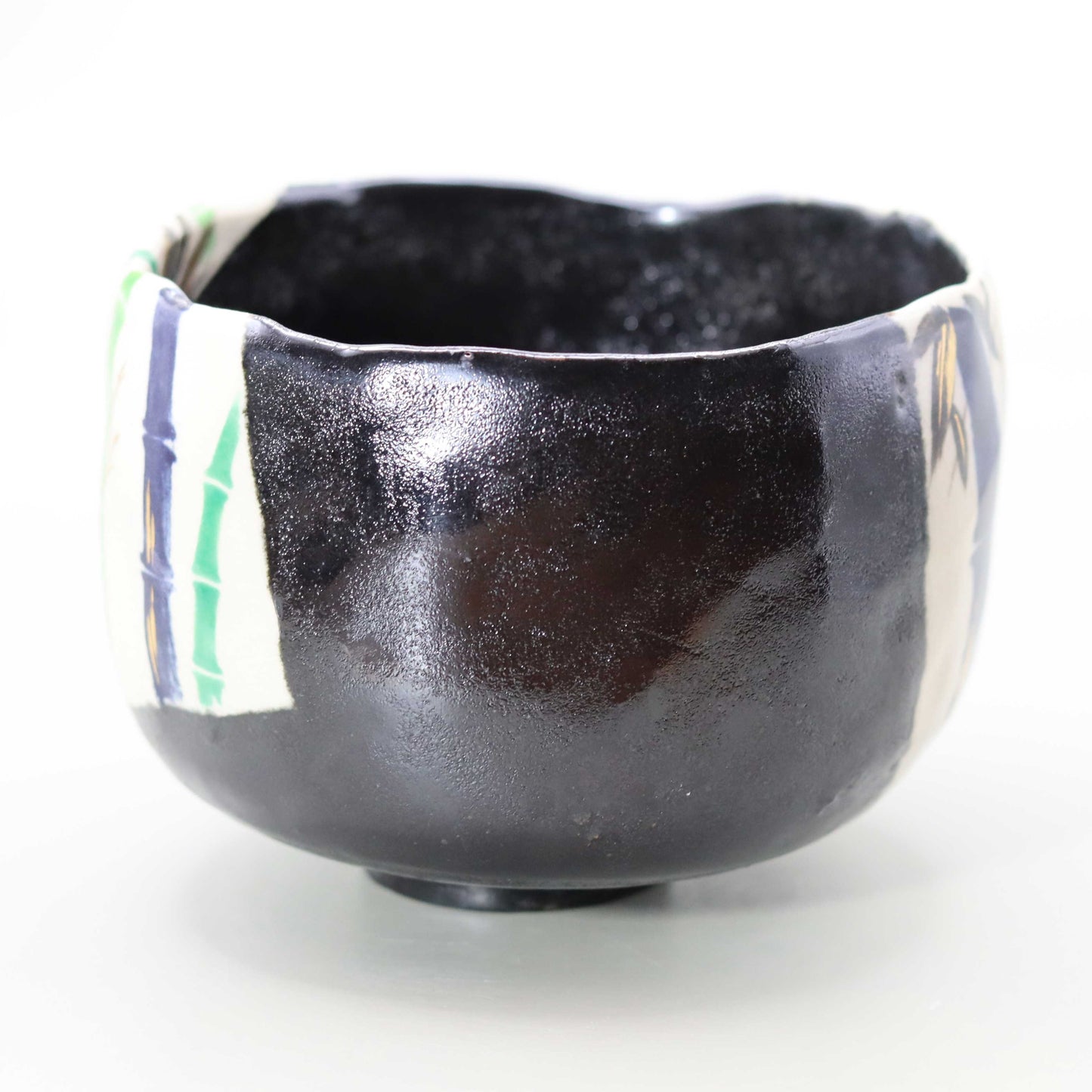
Raku tea bowl with bamboo by Kosai Miyagawa
Raku tea bowl with bamboo by Kosai Miyagawa
Couldn't load pickup availability
Height: 9.0cm Width: 12.5cm
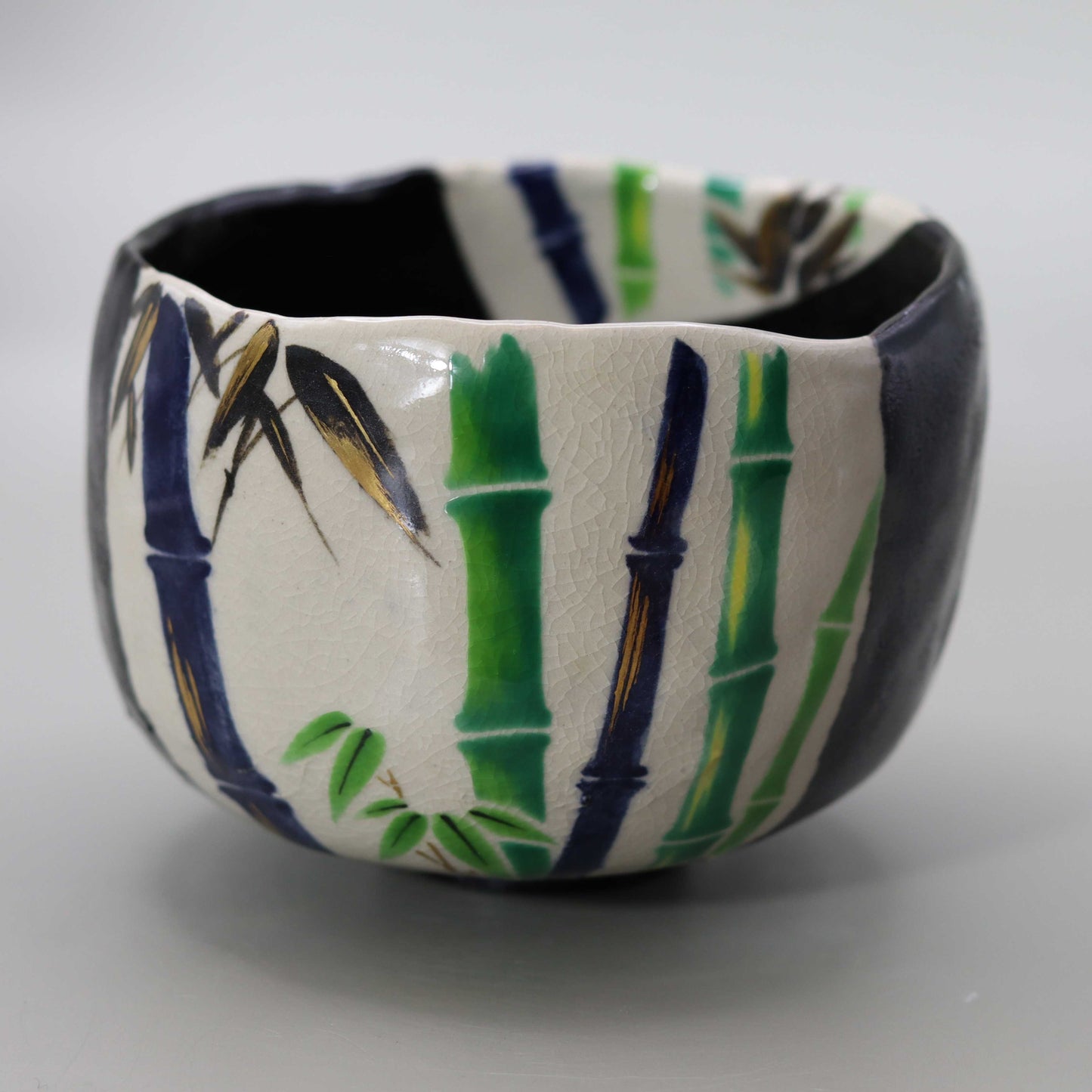
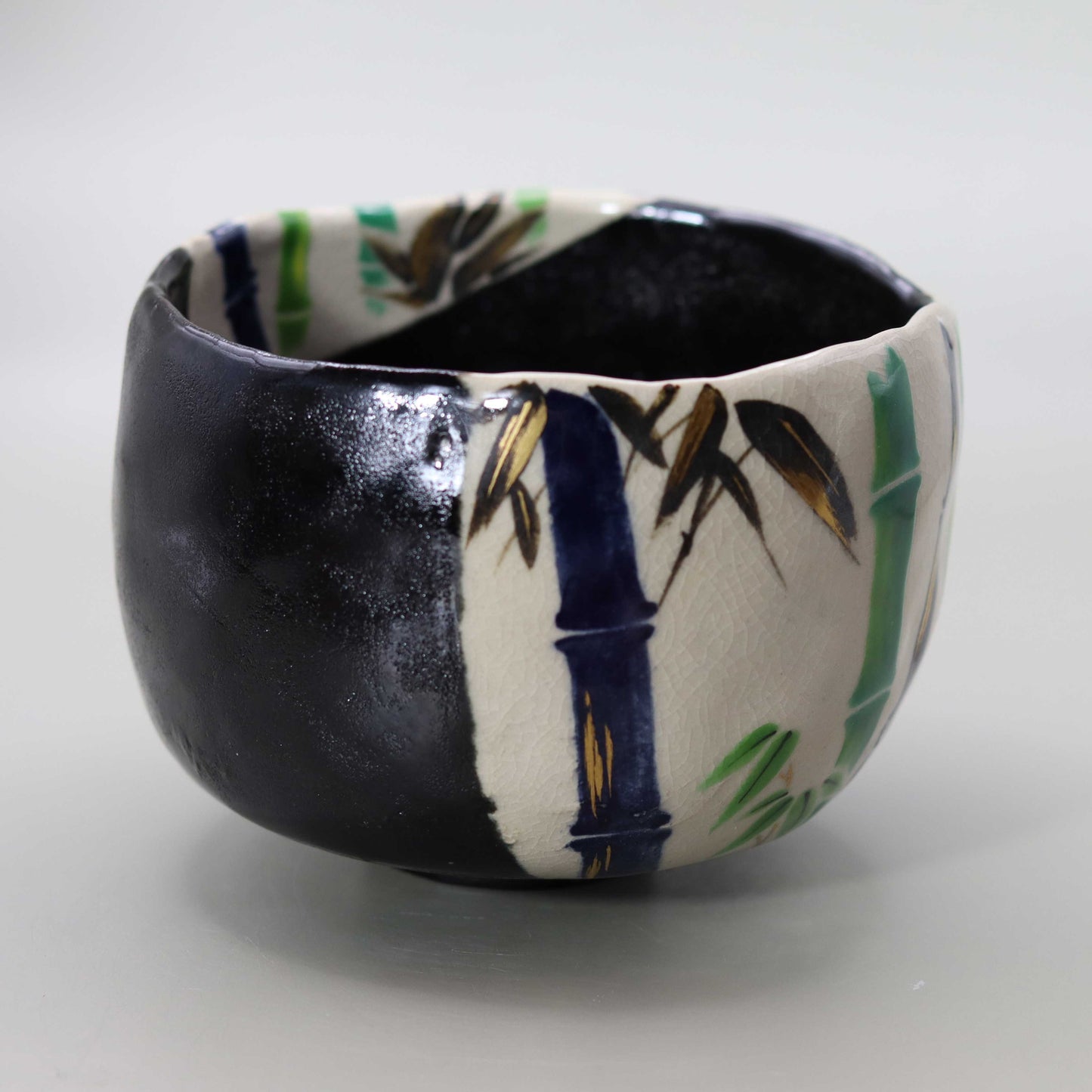
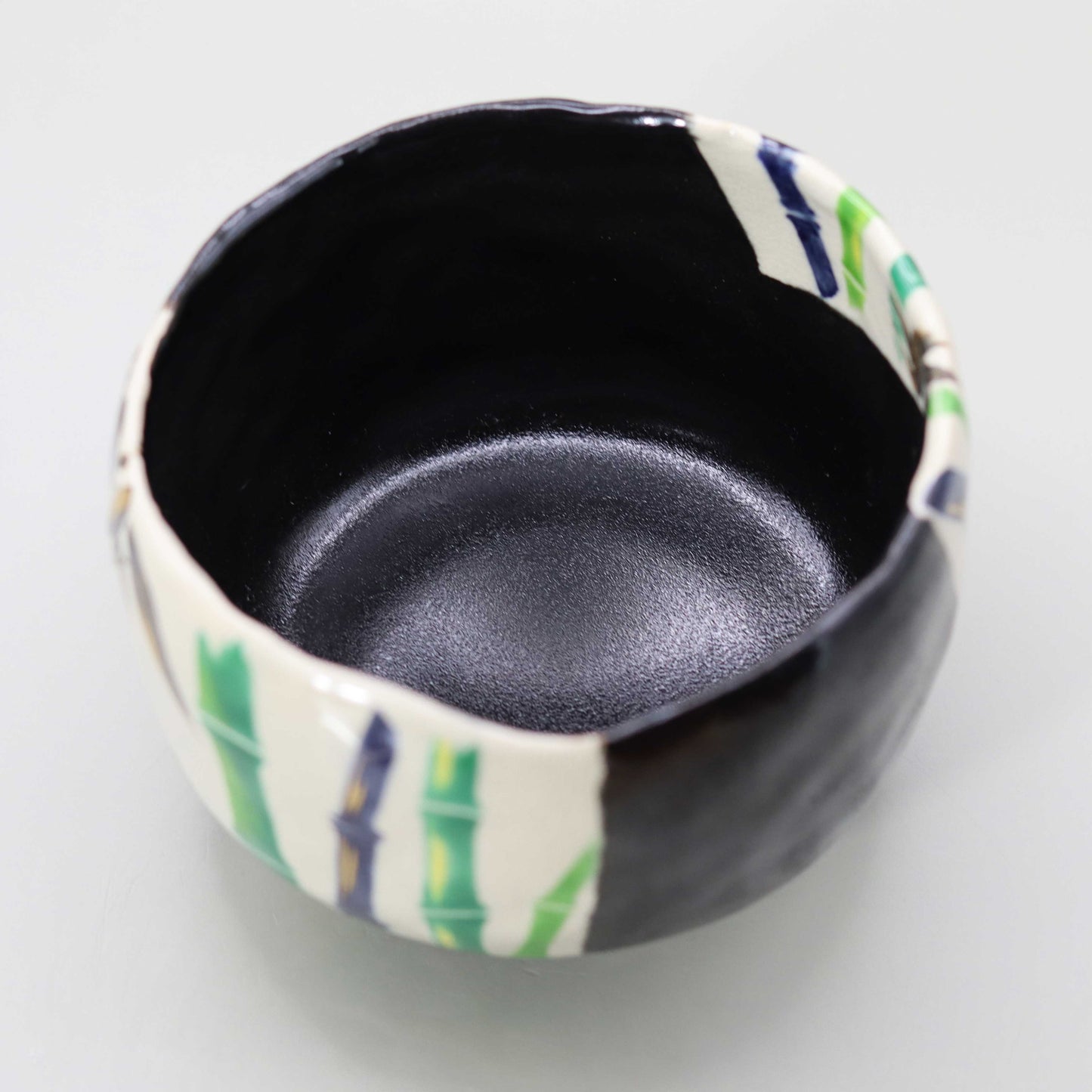
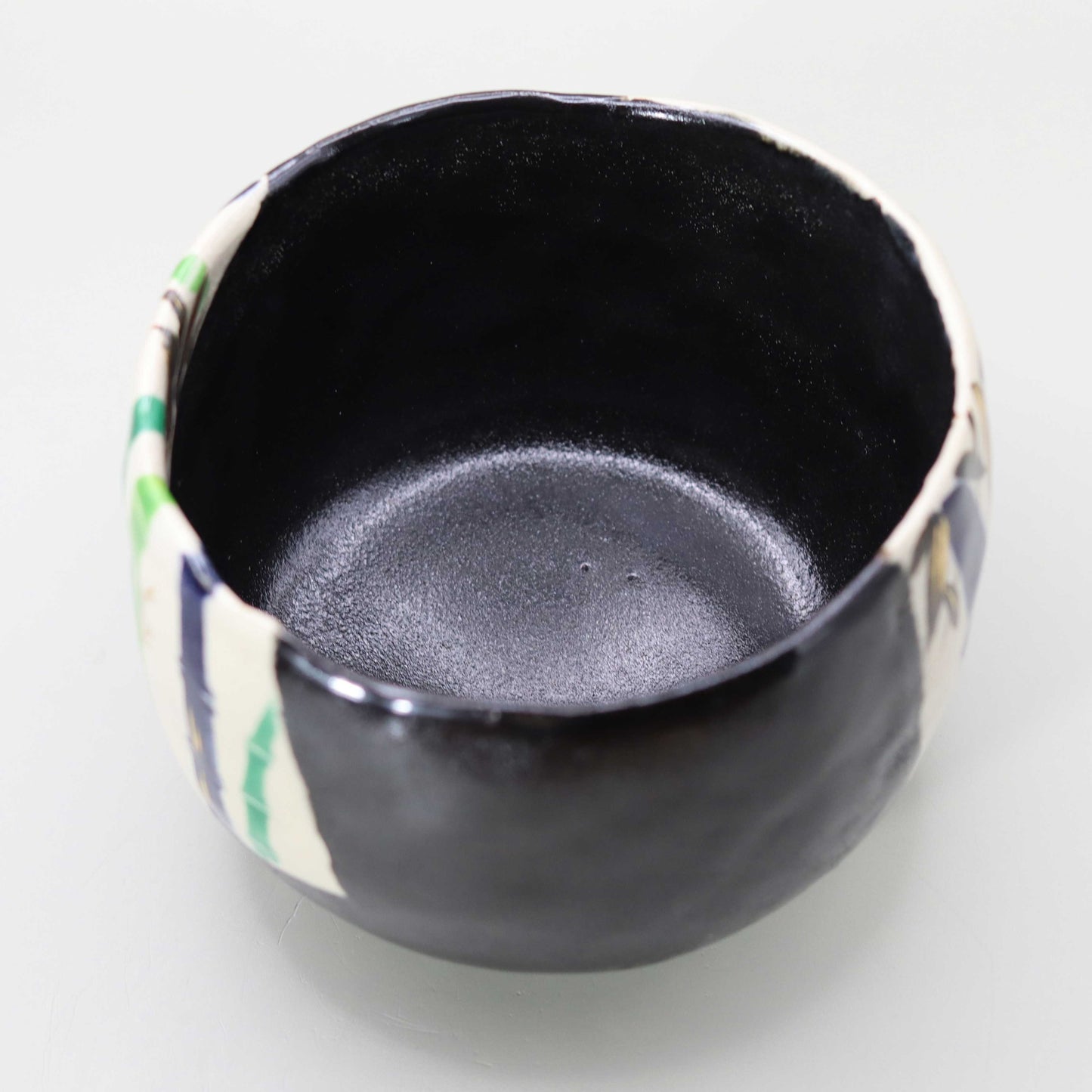
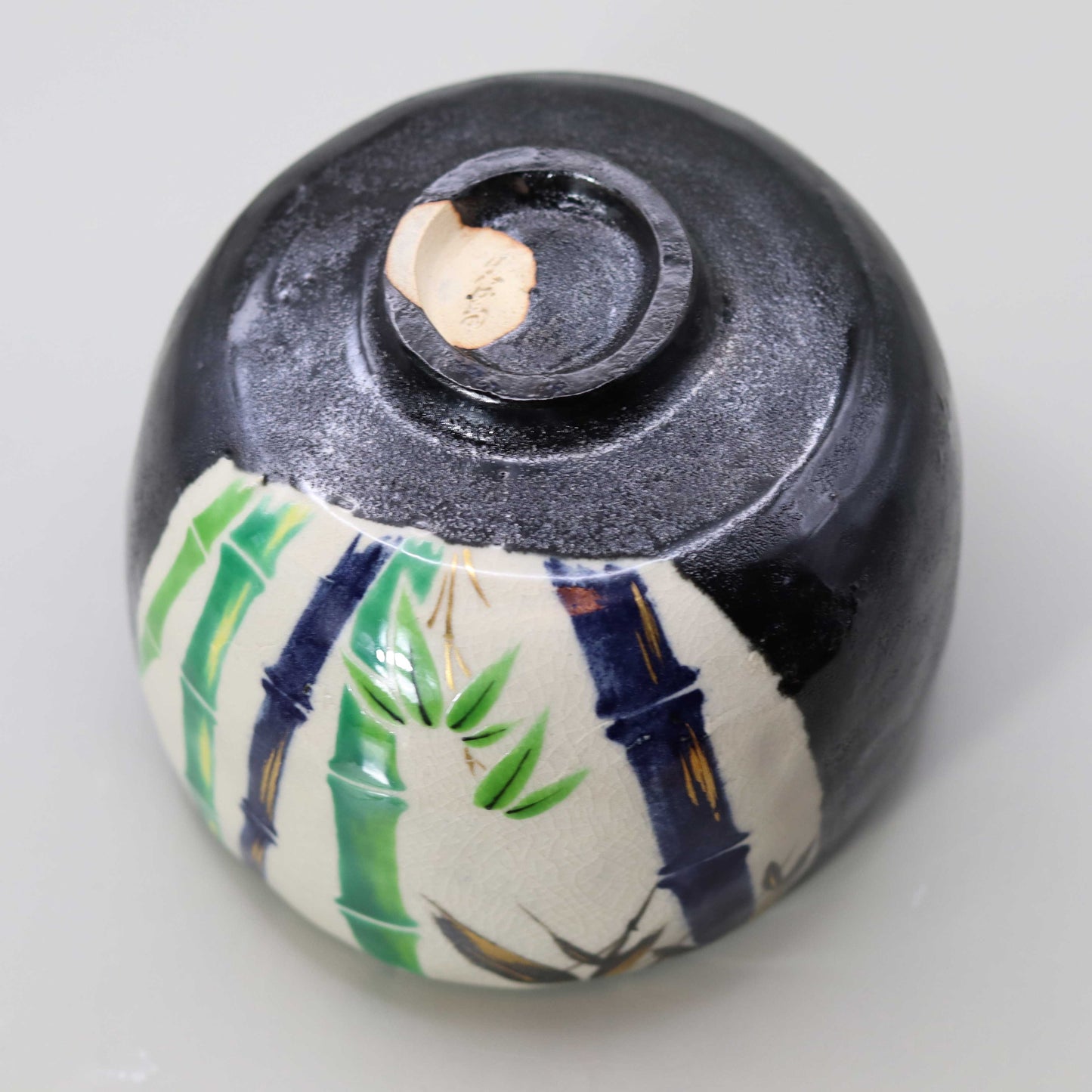
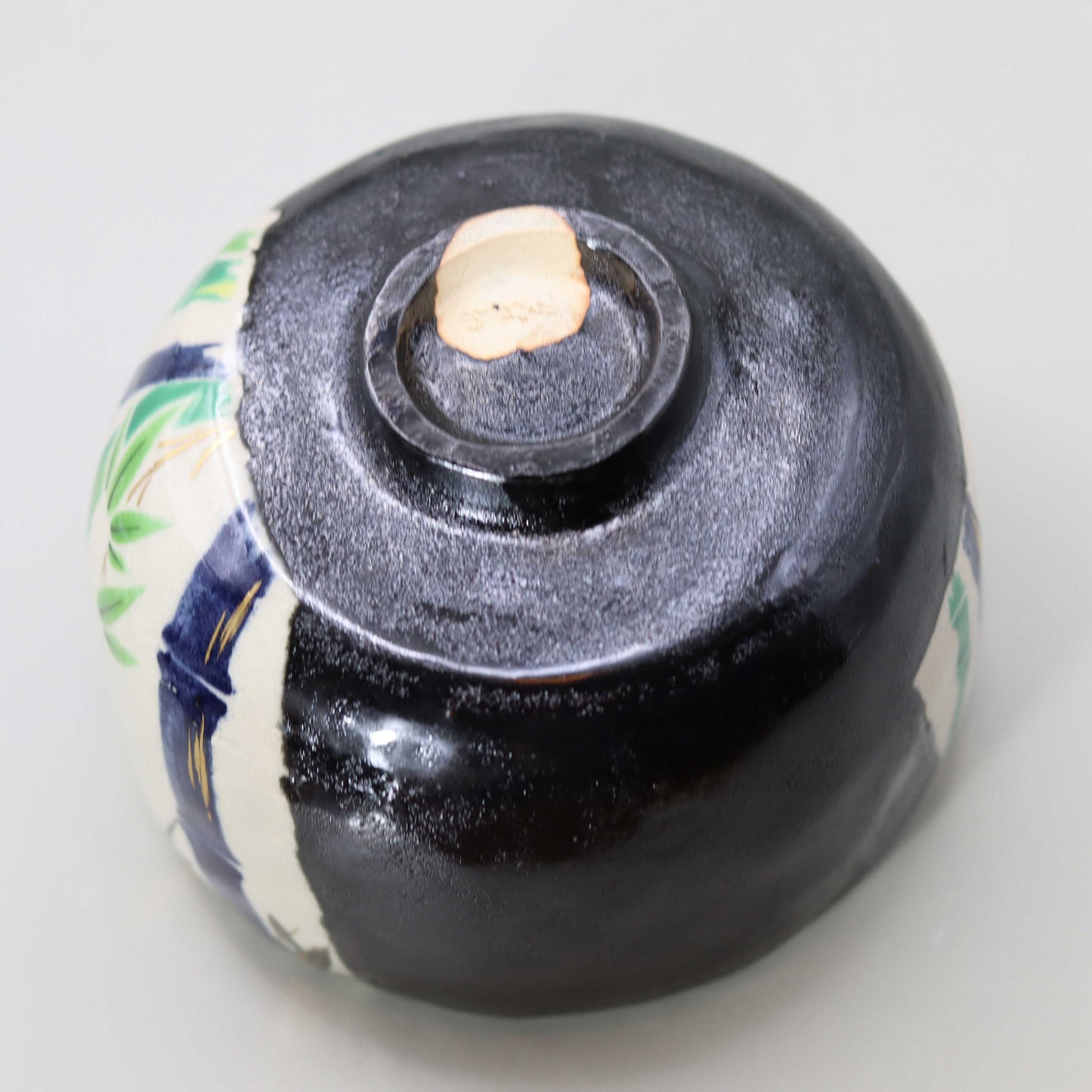
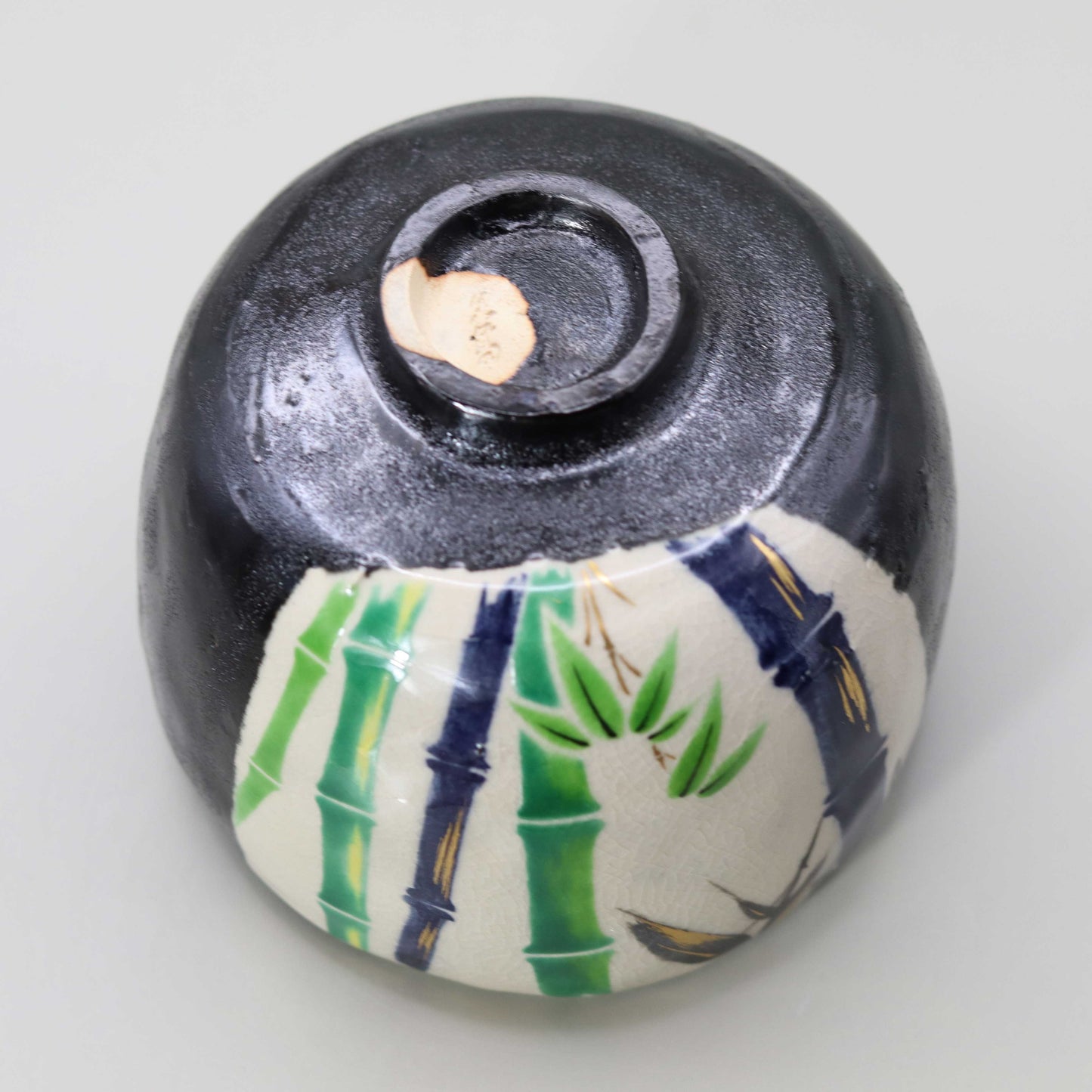
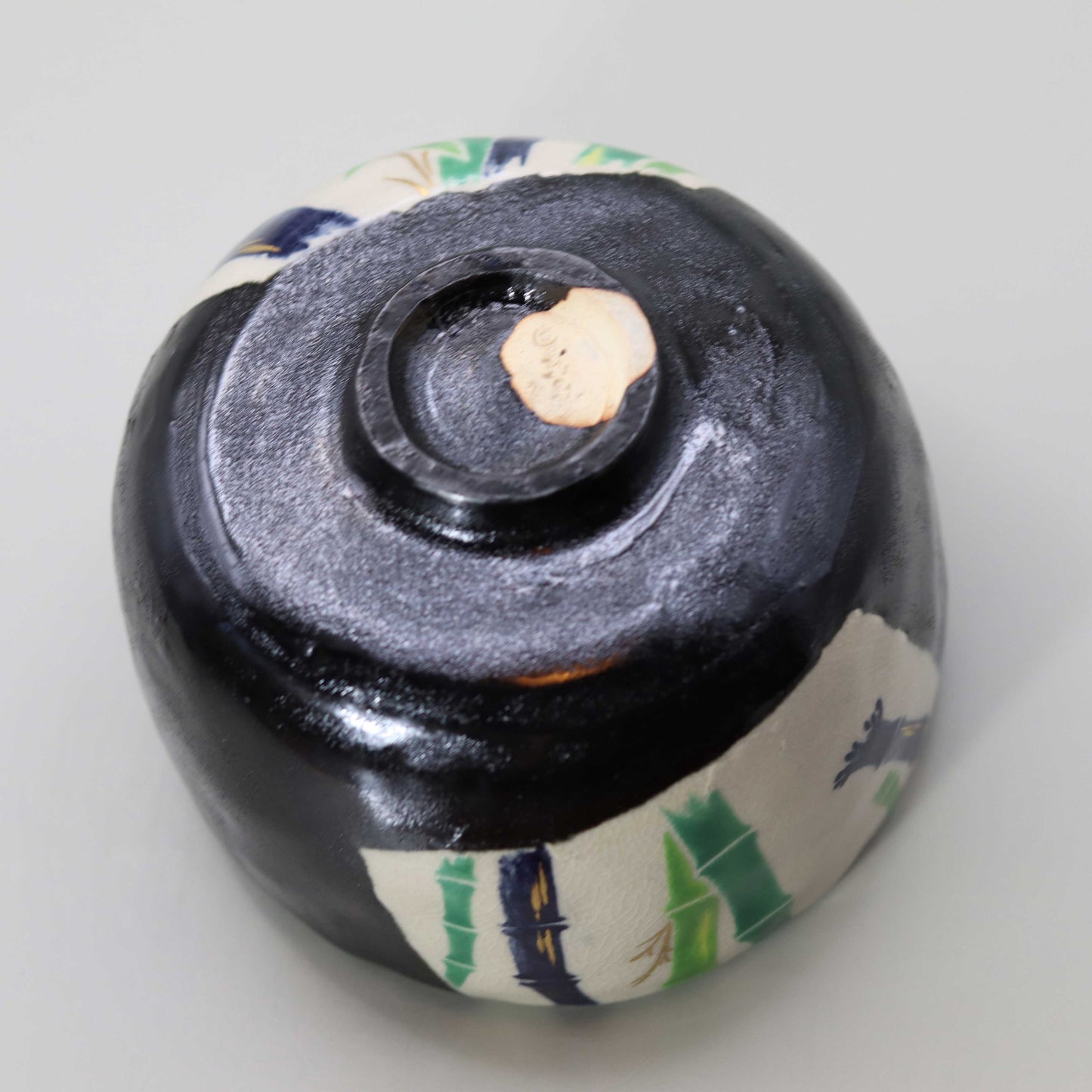
The "Black Glazed Hand-Formed Bamboo Tea Bowl" by Miyagawa Kosai is a makzu ware tea bowl. Its deep black glaze completely covers the entire bowl, accented by a vivid bamboo painting. This bowl exudes a dignified beauty, seemingly capturing the essence of Kyoto. The thick glaze on the bowl's surface creates a warm feeling in the hand, creating a tactile experience that grows with each use. The bold two-colored bamboo motifs, set against the solid black glaze, lend the bowl depth and movement, making a long gaze evoke the feeling of a stroll through Arashiyama. The design of this piece is simple yet subdued, evoking a sense of inclusiveness. The vibrant bamboo painted on the black glaze simultaneously evokes the power and tranquility of nature, exuding the refined elegance of Kyoto. This tea bowl has a weighty presence that is perfect for brewing thick tea, and will enhance the atmosphere of your tea room.
Characteristics and techniques of Makuzu ware
Makuzu ware incorporates a wide range of traditional Kyoto ware techniques, including overglaze techniques such as Ninsei-tsushi and Kenzan-tsushi, as well as blue and white porcelain, iron painting, kōchi-style lacquer, and gold-lacquered porcelain. This makes Makuzu ware particularly elegant and refined among Kyoto wares, and its beauty is highly valued both as tea ceremony utensils and as decorative objects. Miyagawa Kosai's work is also based on these traditional techniques, and this technique is evident throughout his "Black Glaze Hand-Formed Bamboo Tea Bowl." The black glaze on this tea bowl, in particular, softly reflects light while retaining its deep hue, creating a striking visual effect that makes the bamboo design appear to float. The contrast between the green of the bamboo and the black glaze creates the elegant beauty unique to Kyoto ware, and the entire bowl exudes a sense of natural tranquility. Using this tea bowl will further enhance the atmosphere of the tea ceremony and provide the tea master with a deeply meditative moment.
The history of Makuzu ware and the tea ceremony
The history of Makuzu ware dates back to around 1680. The Miyagawa Kosai family established roots in Kyoto during the Jokyo era in the early Edo period, and has been crafting tea ceremony utensils and everyday ceramics for 330 years. Makuzu ware has evolved to meet the demands of the times, producing sencha utensils during the popularity of sencha tea and tea ceremony utensils during the flourishing era of the tea ceremony. This "Black Glazed Hand-Formed Bamboo Tea Bowl" reflects the techniques and aesthetic sense cultivated over its long history. In the early Showa period, Eiyo Kosai, the fourth generation, received training in the tea ceremony and began his career as a tea ceremony ceramic artist. This tradition has been passed down to the present day, with Miyagawa Kosai, the seventh generation, preserving the techniques and creating new works. Combining a deep understanding of the tea ceremony with ceramic art, Makuzu ware is not just decorative; it combines practicality and beauty as tea ceremony utensils.
Share
-
[I will send it to you quickly and carefully]
We carefully package each product in a way that suits it best.
Also, delivery times vary depending on the piece (vessel, etc.).
Items that already come with a box will be shipped within 1-3 days of the order date.
For items that require a box to be made after your order, it will take approximately 30 days for production to be completed and then shipped.
In either case, once we have confirmed your order, we will contact you by email to inform you of the delivery date.
-
[Requests when purchasing pottery]
Even products that look the same may differ slightly in color, shape, size, etc.
The way the glaze is used, the power of the kiln, the firing method, the season, and the humidity also affect the appearance of the pottery.
Please understand the individuality of each piece of pottery and enjoy the unique warmth of handmade.