


White-painted flower vase by Ogawa Bunsai (5th generation)
White-painted flower vase by Ogawa Bunsai (5th generation)
Couldn't load pickup availability
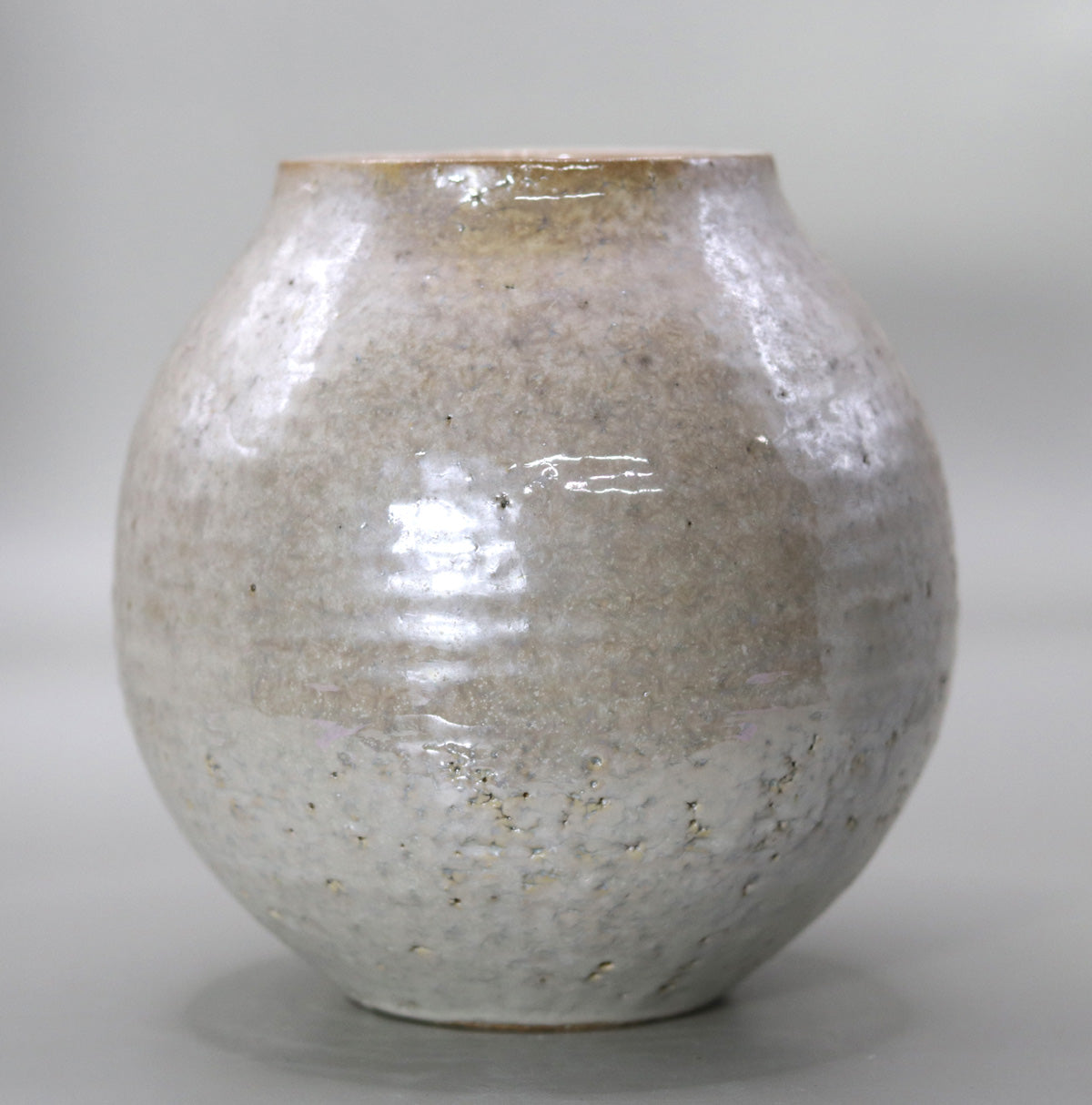
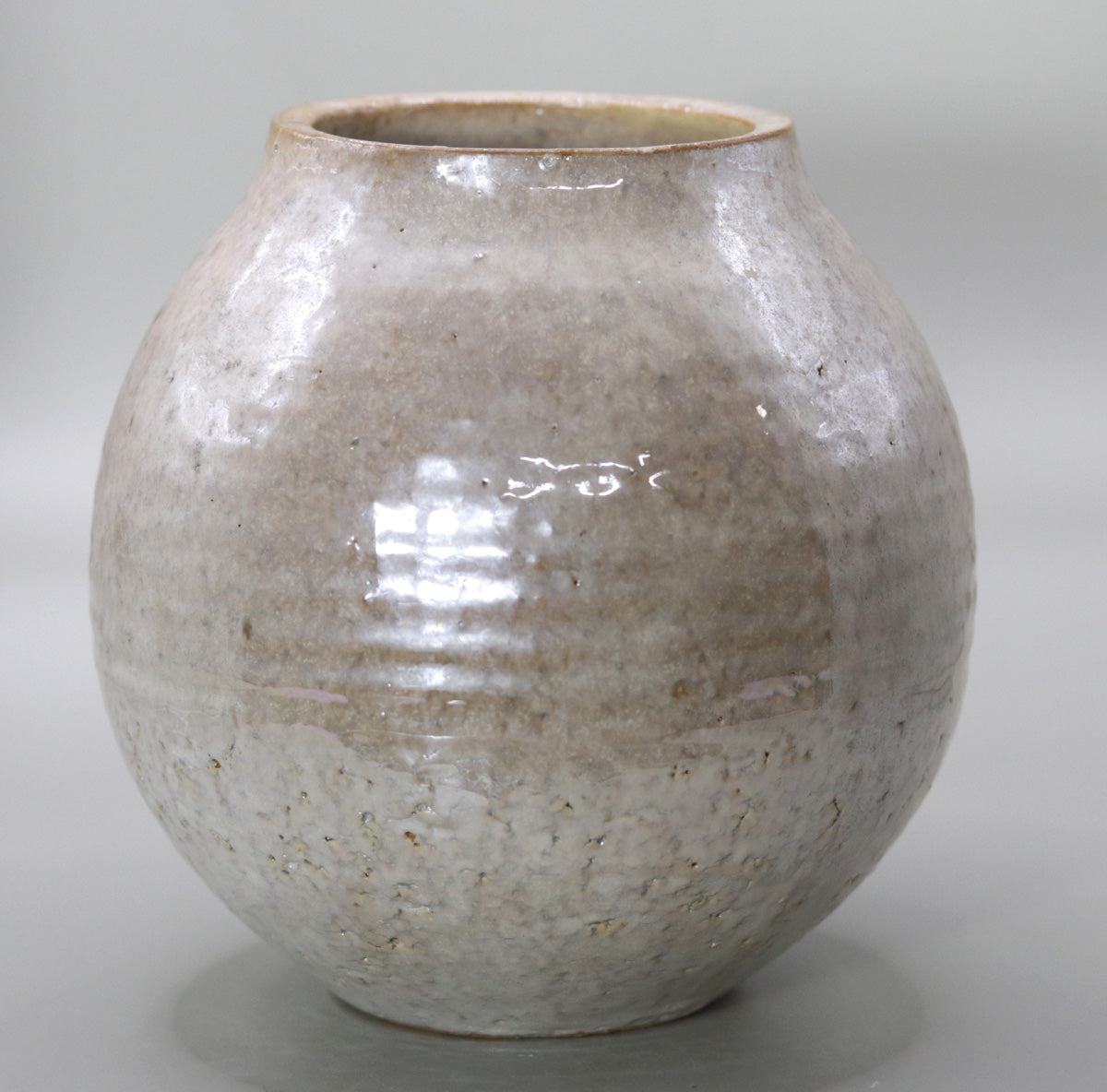
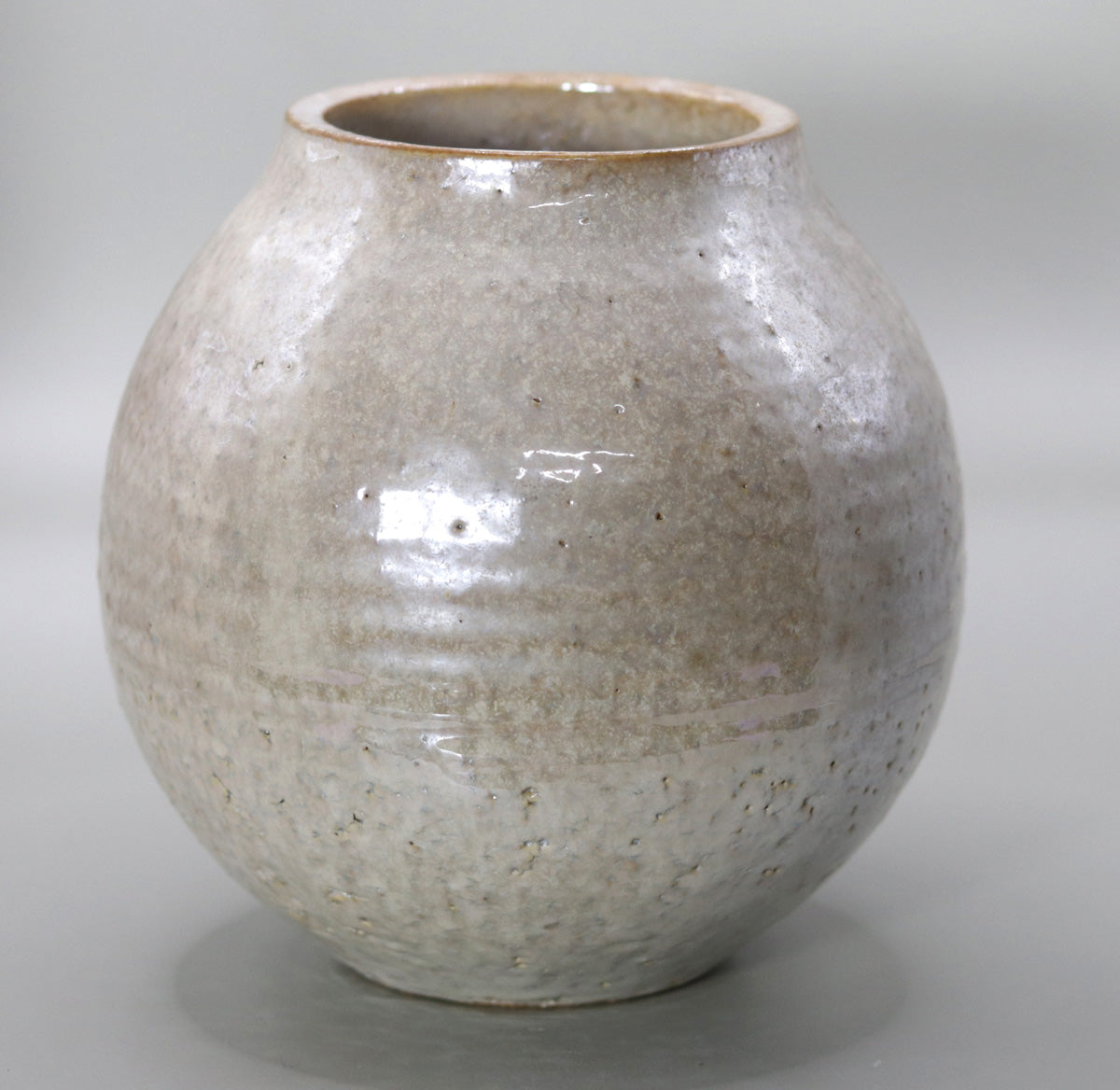
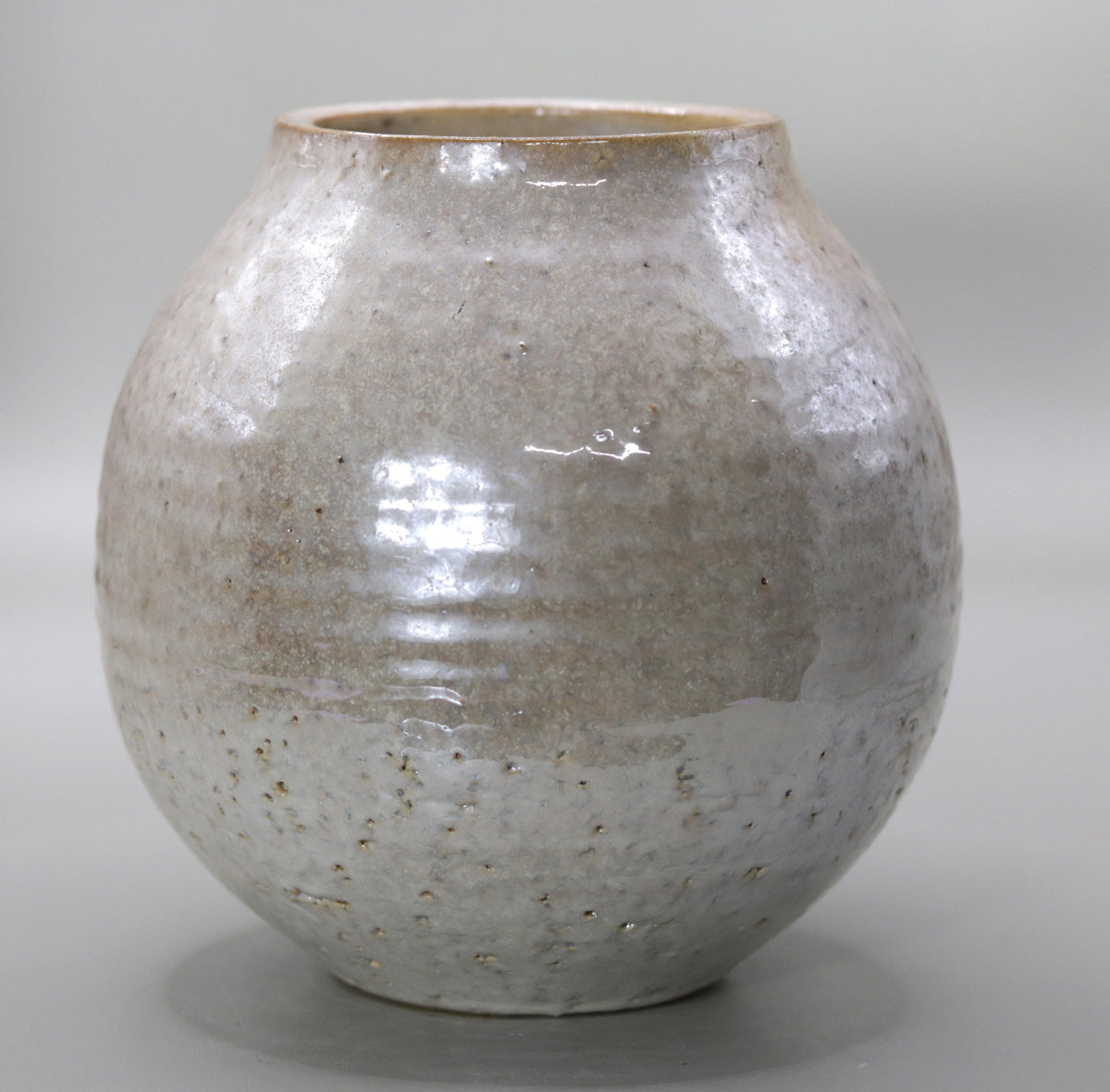
Width: 16.0cm x 16.0cm Height: 17.0cm
A form of prayer dwelling in the white silence
White-painted Flower Vase by Ogawa Bunsai V
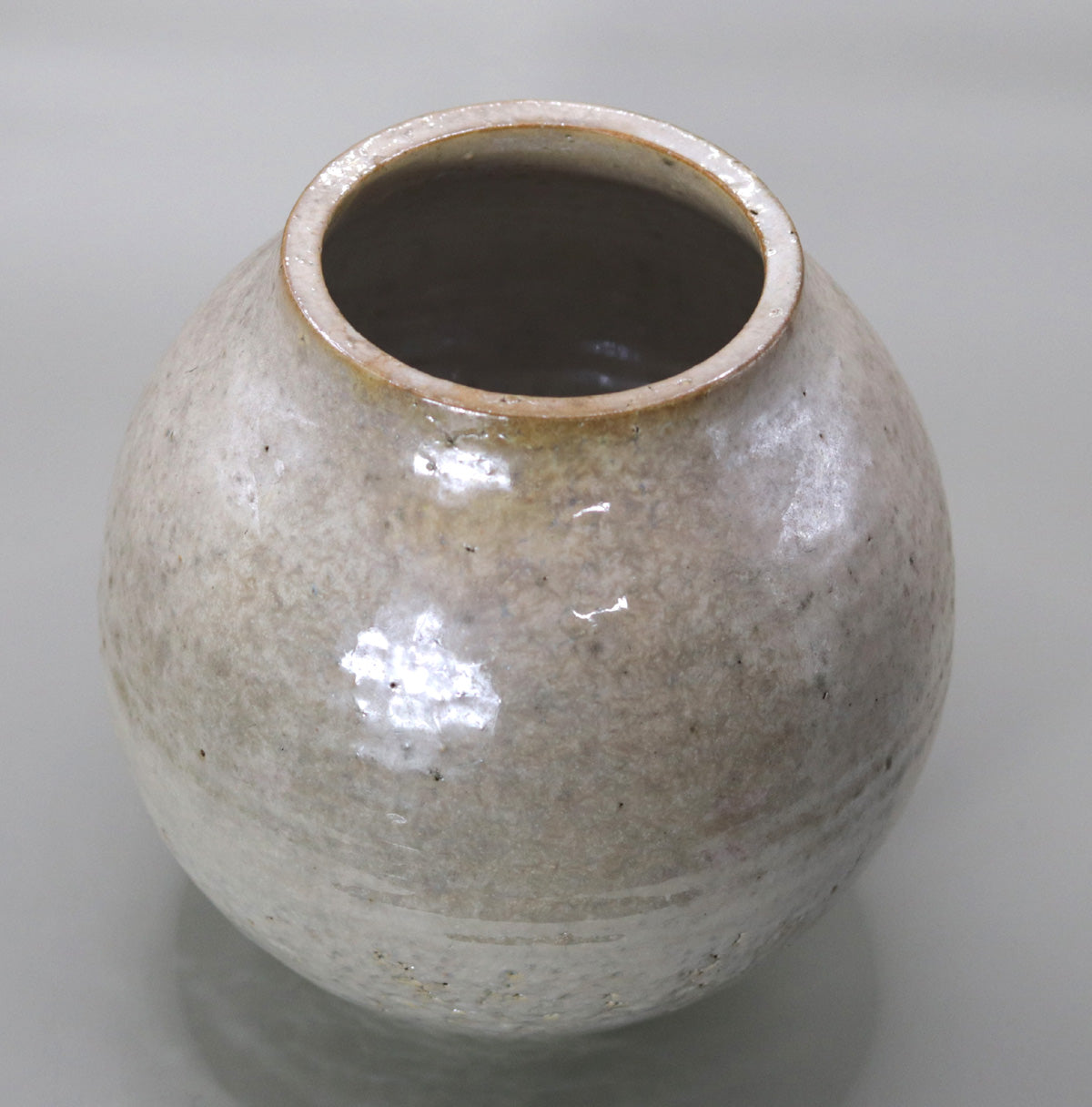
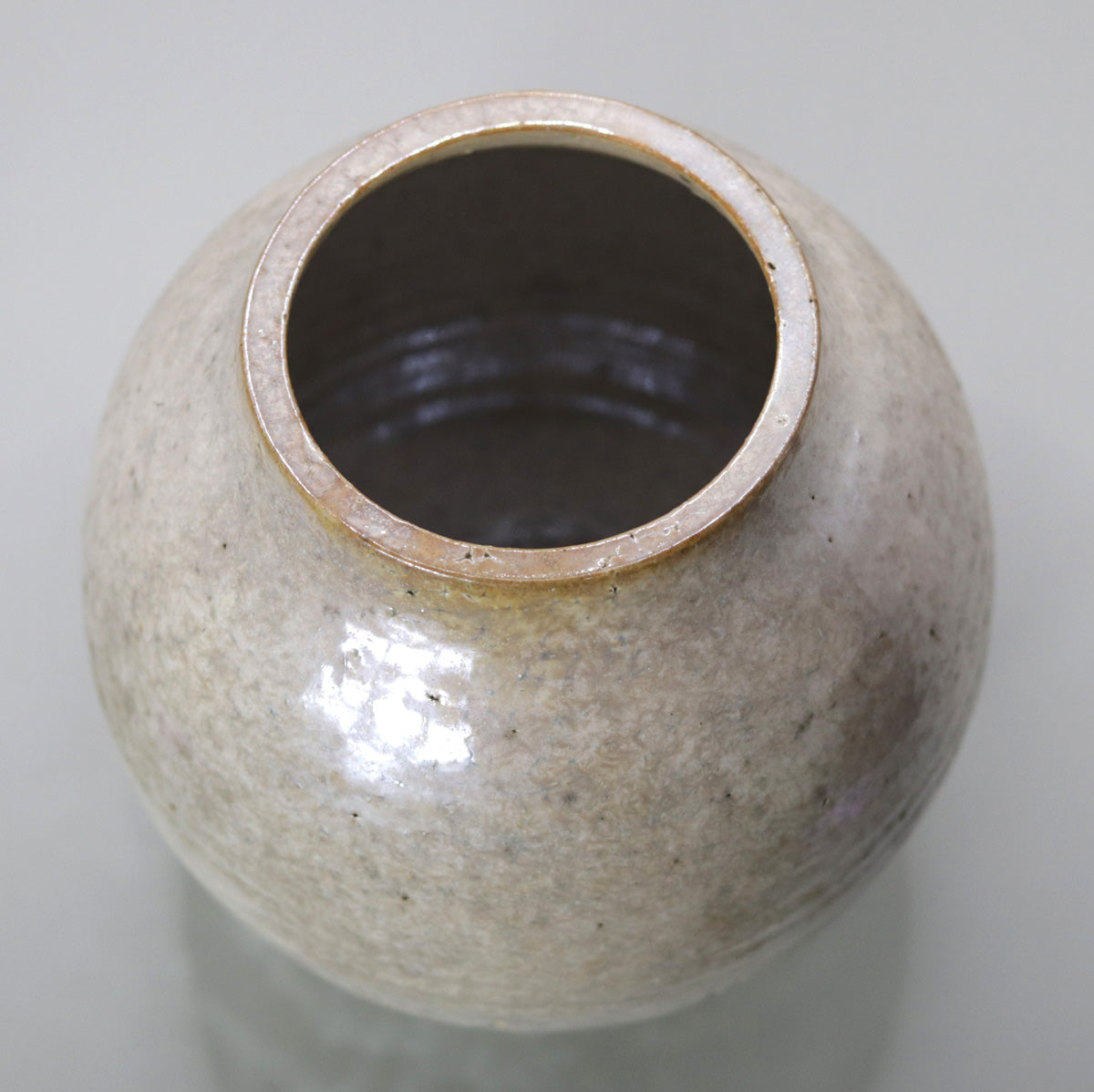
The White Flower Vase by Ogawa Bunsai V is a work that exudes a sacredness that seems to purify the entire space just by being there. The white glaze, which retains the warmth of the earthenware and yet has a subtle yet deep luster, creates delicate shadows that are reminiscent of the earth after snow has melted. This flower vase gently accompanies us in our daily lives, bringing serenity and peace to those who see it.
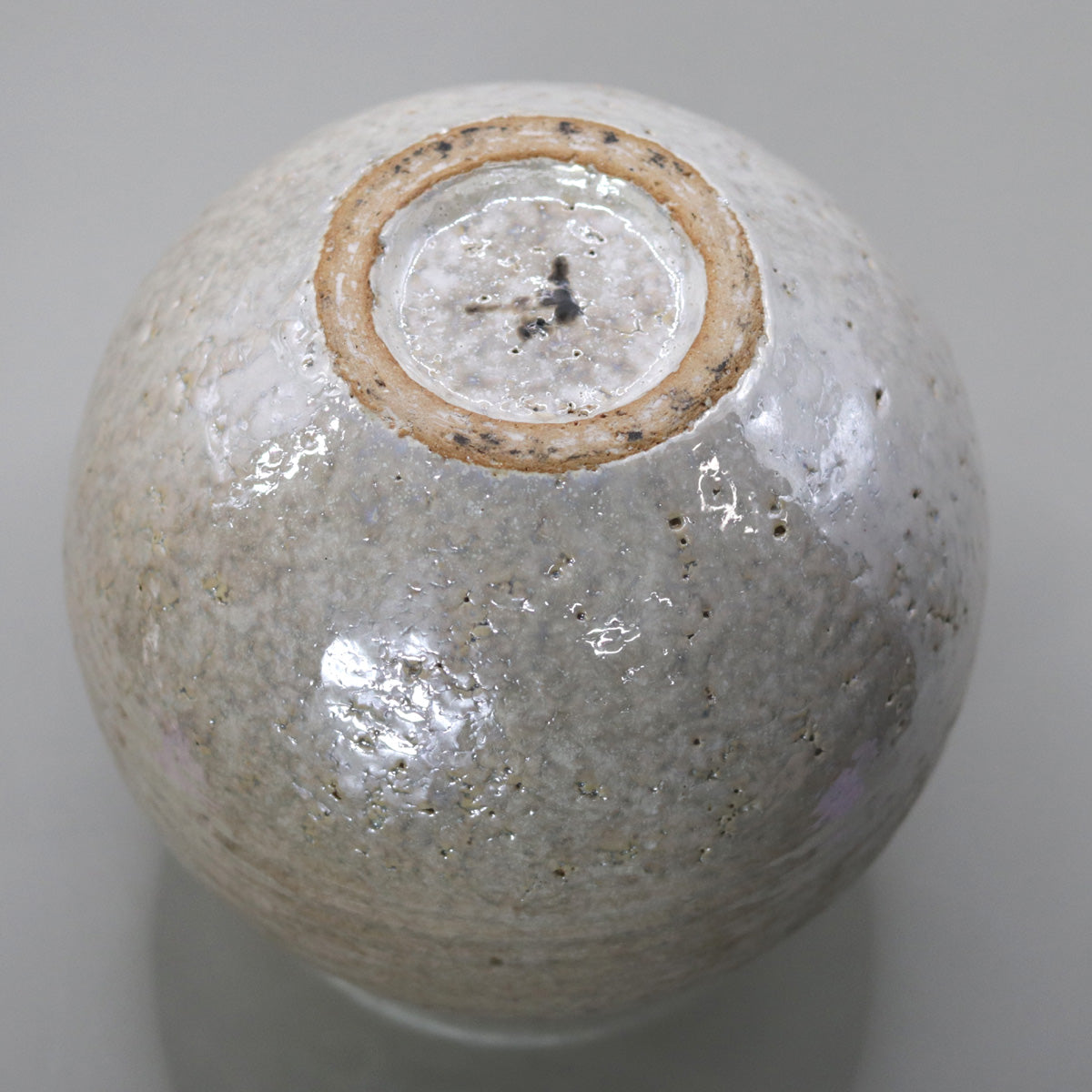
At first glance, the glaze appears uniformly white, but in reality, multiple layers of glaze blend together, revealing subtle hints of the iron and clay contained within. Its appearance changes with the change in light, from a soft milky glow in natural light to a dull, metallic reflection in shadows. Tiny crazing and sparkling particles appear on the surface, giving the piece a sense of life, as if the vessel itself is breathing.
The overall shape of the vase is a gentle egg shape, with taut shoulders, a bulging body, and a soft taper towards the bottom, creating a sense of comfort like that of a mother's body. This shape achieves an ideal balance that naturally highlights the flowers placed inside, and is a wonderful combination of practicality as a vase and aesthetic beauty.
The essence of beauty hidden in silence
Ogawa Bunsai V excelled in the profound beauty of spirituality that resides within subdued flashiness. In this work, White-Painted Flower Vase, he has kept the gaiety and ornamentation to a minimum, instead entrusting the "beauty of utility" and "form of prayer" to the space and tranquility.
The color white has the capacity to accept everything without fear of dirt, while also symbolizing strictness and purity. In this piece, white is not just clean and beautiful; it is also the color that most succinctly embodies the idea of "tableware that brings harmony," which was so important to Godai.
Furthermore, the slight traces of the potter's wheel and the minute distortions that naturally appear during firing retain the breath of something that can only be achieved by hand, and exude Godai's pottery-making philosophy that true beauty resides in this.
Artist profile - The footsteps of Ogawa Bunsai V
Ogawa Bunsai V (real name: Ogawa Kinji) was born as the second son of Ogawa Bunsai IV in Gojozaka, Kyoto in 1926. Starting with his first selection for the Nitten exhibition in 1950, he went on to win numerous awards, including first place at the Contemporary Japanese Ceramic Art Exhibition, the Nitten Special Selection and Hokuto Award, and the Minister of Education Award, becoming a leading figure in the world of contemporary Japanese ceramics.
His talent was widely recognized around the world, including winning the Grand Prix at the Vallauris International Ceramic Exhibition in France in 1974. After succeeding to the name of Bunsai V in 1991, he devoted himself to nurturing the next generation of potters as president of Kyoto College of Arts (now Kyoto University of Arts), and was active in both education and pottery making, based on the philosophy that "tradition is a spirit that should always be questioned."
The will passed down to the sixth generation, Ogawa Bunsai
Currently, the sixth generation Ogawa Bunsai (Oki) has inherited the lineage and spirit of the Bunsai kiln. While the fifth generation made extensive use of red glazes to express passion and vitality, the sixth generation focuses on soft, peaceful expressions symbolized by green. This White-Painted Flower Vase also demonstrates that in all generations, color is not merely a surface decoration, but an expression of the artist's lifestyle and spirit.
In conclusion — Infinite scenery residing in white
The White-Painted Flower Vase by Ogawa Bunsai V is a work of tranquil and elegant style, truly embodying "use and beauty." Its understated colors and organic form exemplify the essence of vessels that will continue to be loved for a long time, transcending time and fashion.
We hope that through this pot you will be able to enjoy the prayers and spirituality that Godai entrusted to the pottery, as well as the lineage of Bunsai beauty that has been passed down.
Share
-
[I will send it to you quickly and carefully]
We carefully package each product in a way that suits it best.
Also, delivery times vary depending on the piece (vessel, etc.).
Items that already come with a box will be shipped within 1-3 days of the order date.
For items that require a box to be made after your order, it will take approximately 30 days for production to be completed and then shipped.
In either case, once we have confirmed your order, we will contact you by email to inform you of the delivery date.
-
[Requests when purchasing pottery]
Even products that look the same may differ slightly in color, shape, size, etc.
The way the glaze is used, the power of the kiln, the firing method, the season, and the humidity also affect the appearance of the pottery.
Please understand the individuality of each piece of pottery and enjoy the unique warmth of handmade.