


Ice cracked tea bowl Bunsai Ogawa (5th generation)
Ice cracked tea bowl Bunsai Ogawa (5th generation)
Couldn't load pickup availability
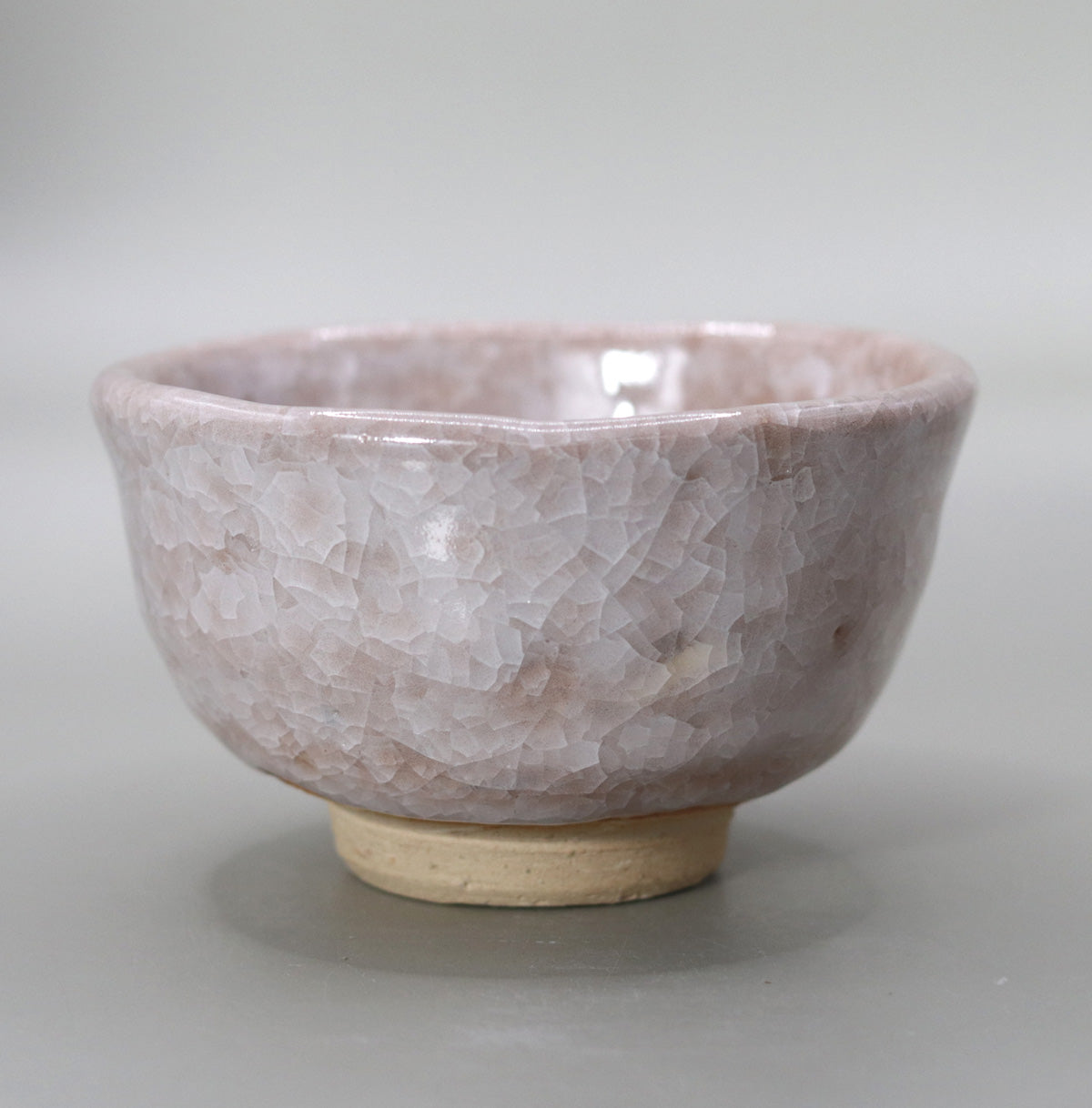
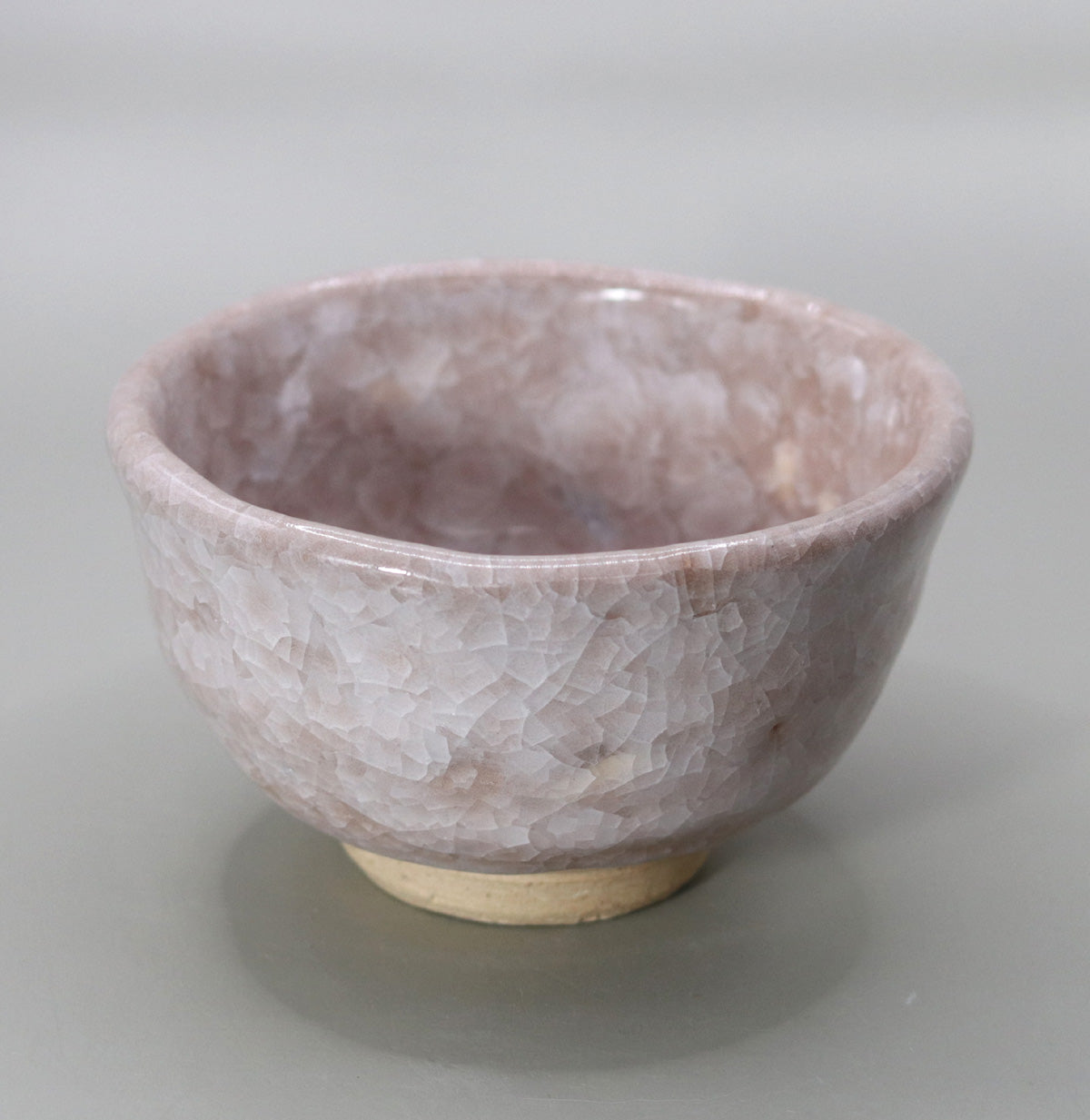
Width: 13.0cm x 13.0cm Height: 8.0cm
Ice crystals reflecting the silence of the "Ice Crack Tea Bowl" by Ogawa Bunsai 5th
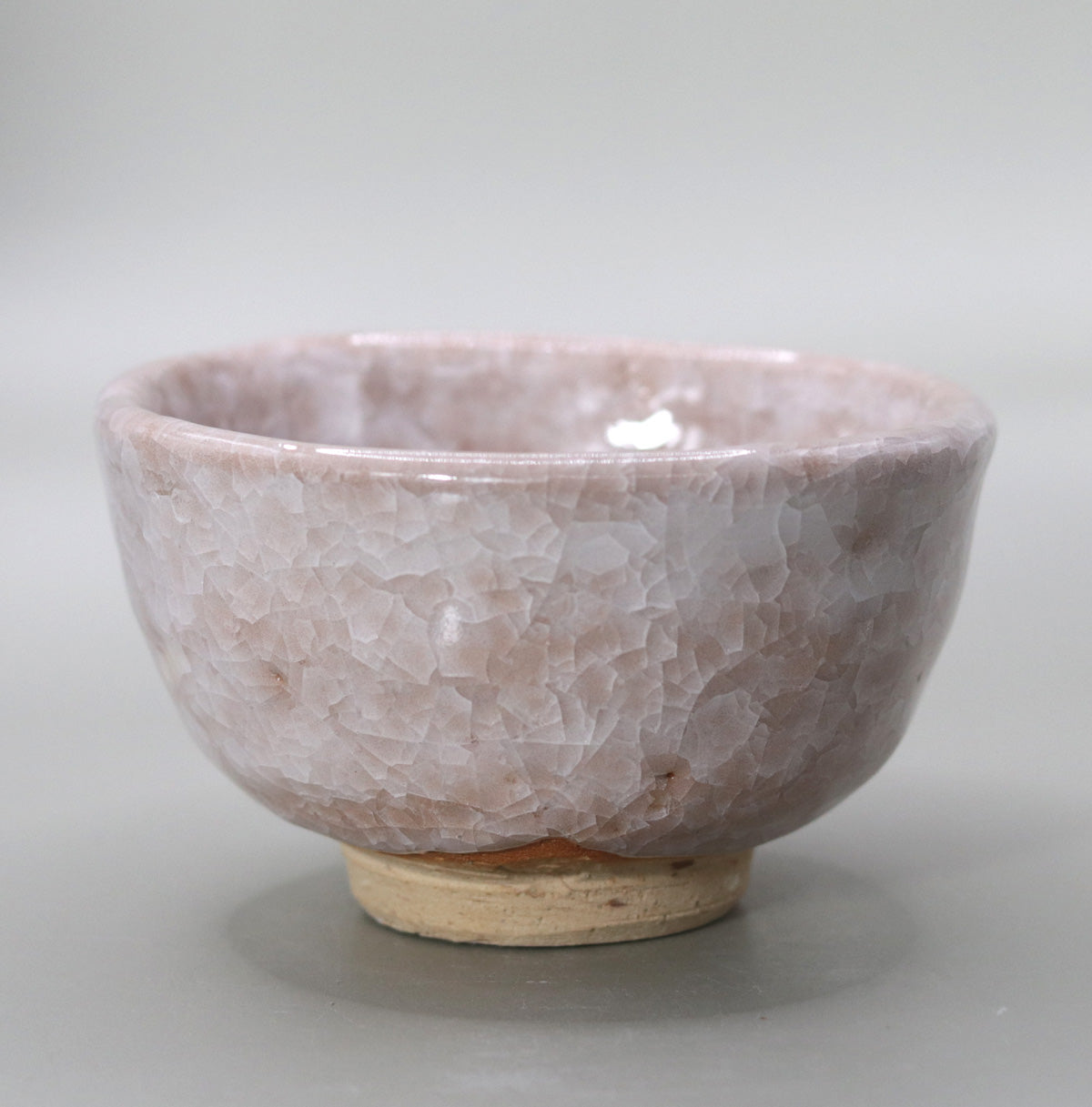
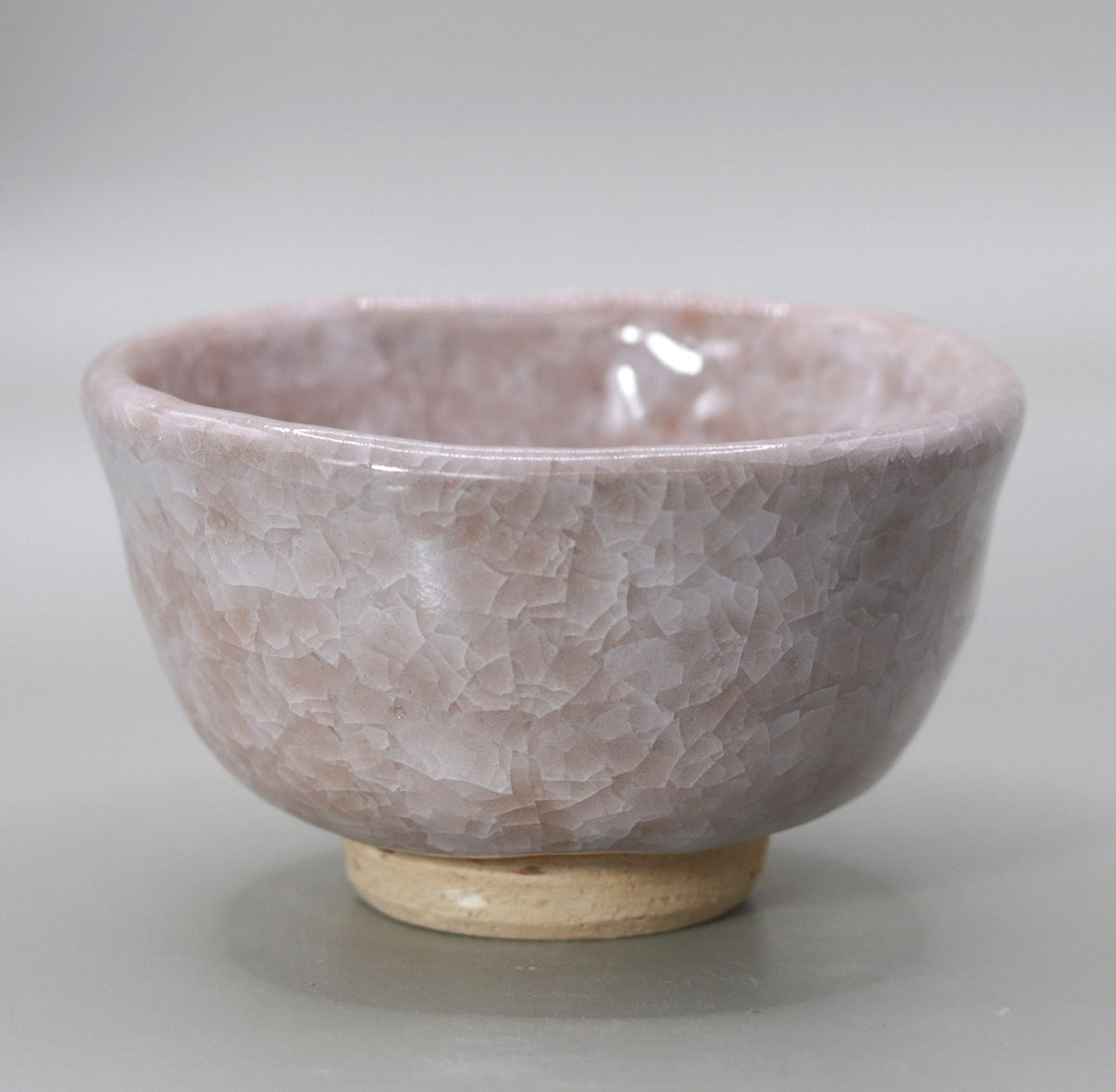
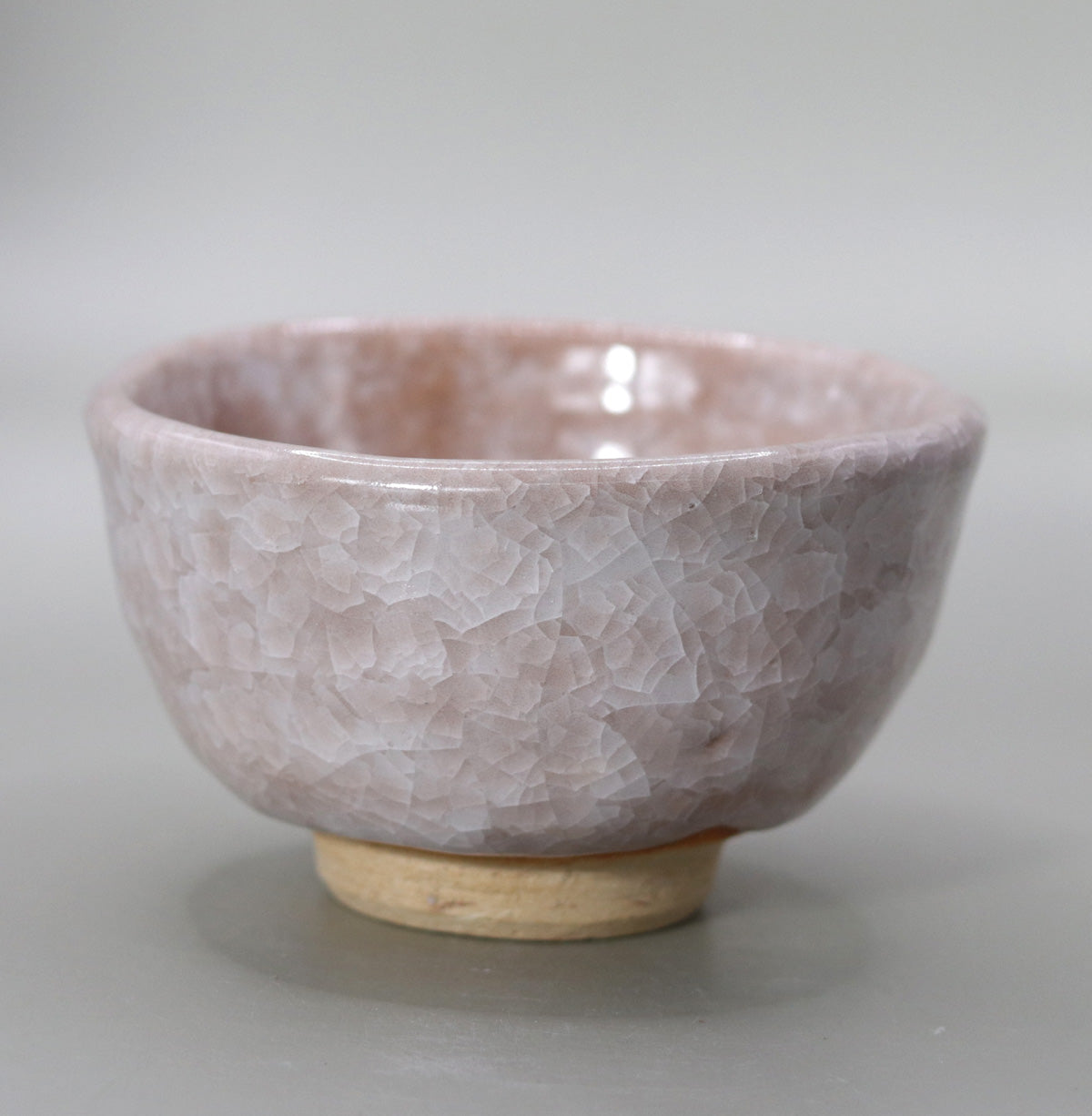
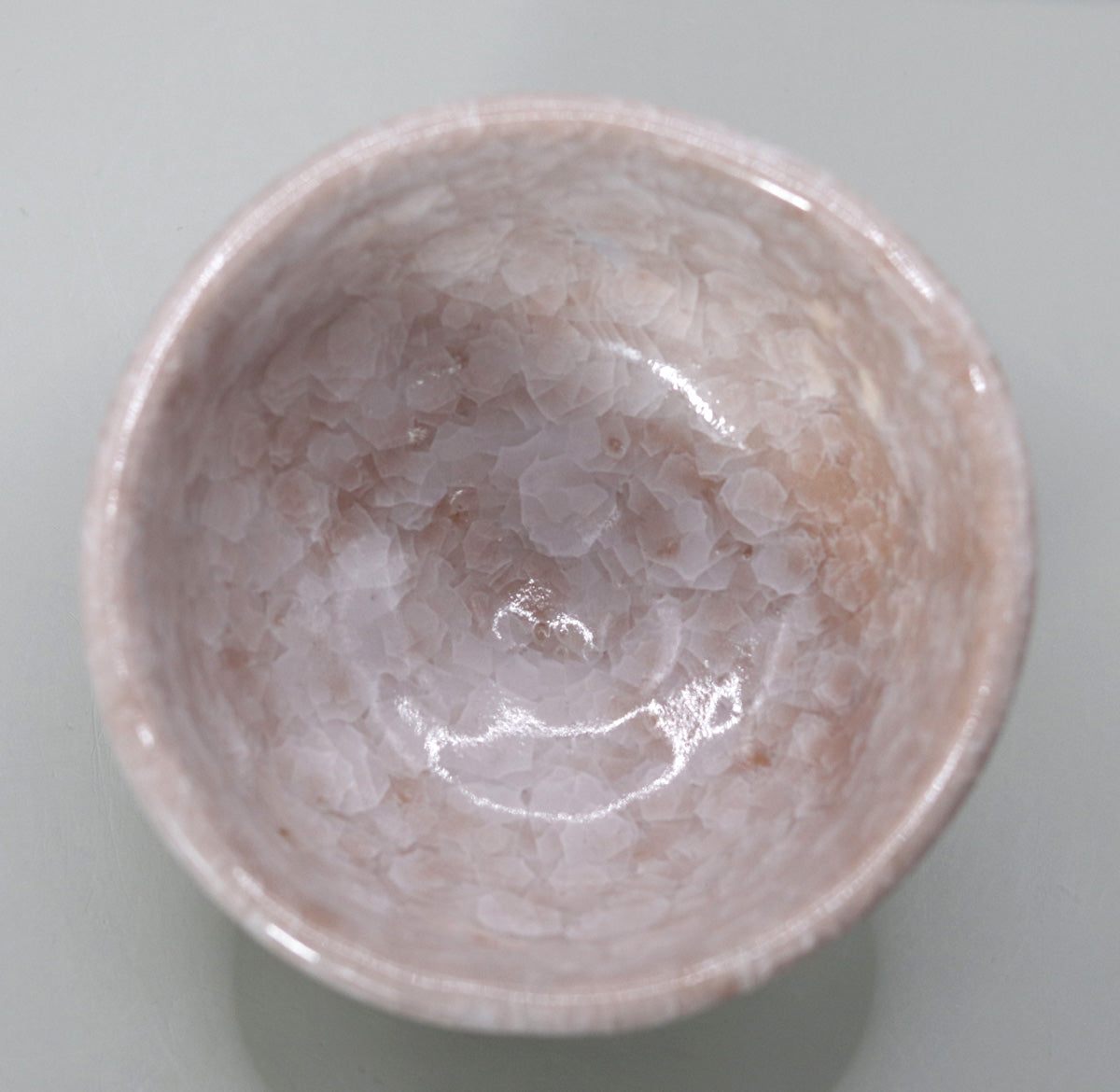
This "Ice Crack Tea Bowl" is covered entirely in a beautiful ice crack pattern, resembling tiny cracks running through the ice on a still lake. The glaze surface reflects faintly depending on the angle of the light, giving the viewer a sense of dignified serenity and a deep aftertaste, as if a natural winter landscape had been captured within the shape of a single tea bowl.
The "ice cracks" that appear in the glaze are a phenomenon created by the extremely delicate shrinkage of the glaze, and each crack decorates the surface of the vessel just like an ice crystal. These crack patterns are not merely decorative; they are like "time" trapped within the glaze, a combination of chance and necessity that occurs over the long period of time and exquisite firing adjustments.
The same ice crack pattern is also found on the inside of the tea bowl, which resonates with the steam that rises when the matcha is being brewed, giving the impression that the bowl itself is breathing. The rim is slightly wavy, making it very soft to the touch and easy to hold. This is an exceptional piece that harmonizes functionality as a tool with the dignity of a work of art at a high level.
The aesthetic sense and spirituality of Ogawa Bunsai V
Ogawa Bunsai V (real name: Ogawa Kinji) was born in Gojozaka, Kyoto in 1926. Under the guidance of his father, Ogawa Bunsai IV, he was exposed to the world of ceramics from an early age, and has since been active at the forefront of the Japanese ceramics world, winning numerous awards at exhibitions such as the Nitten Exhibition, the Contemporary Japanese Ceramics Exhibition, and the Vallauris International Ceramics Exhibition.
In particular, Godai's works skillfully express contrasts such as "stillness and movement," "inside and outside," and "hot and cold," and this philosophy is strongly felt in this "Ice-Cracked Tea Bowl." While the ice has a cold and quiet appearance, the power of flame lies within, and the viewer can sense a "quiet heat" within the work.
After officially succeeding to the name of Bunsai V in 1991, he devoted himself to mentoring the next generation of potters as president of Kyoto College of Art, where he taught under the belief that "tradition is not a form, but the inheritance of spirit." This philosophy is embodied in each and every piece, and continues to influence many ceramic artists today.
A design that combines the beauty of ice with the warmth of earth
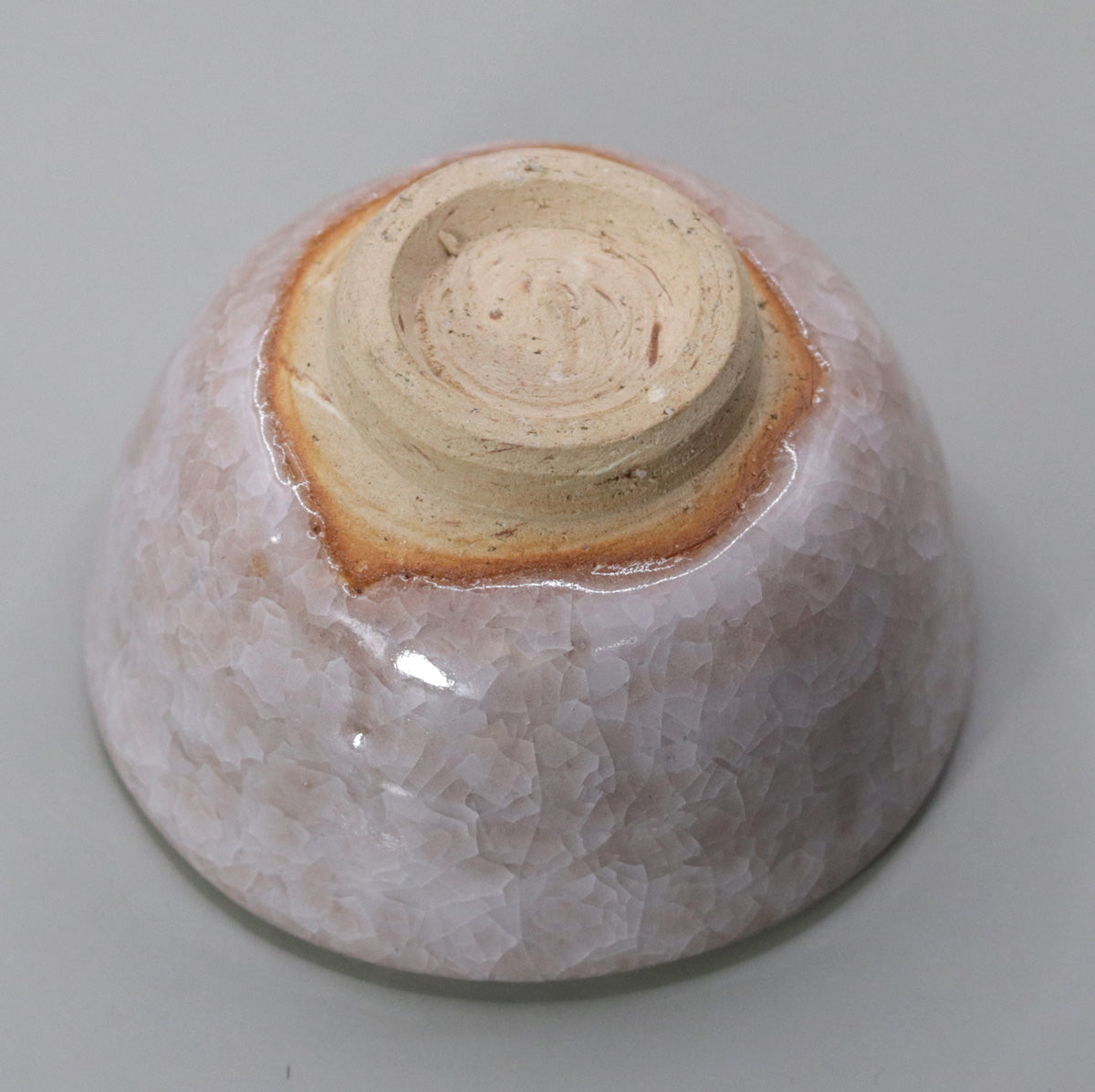
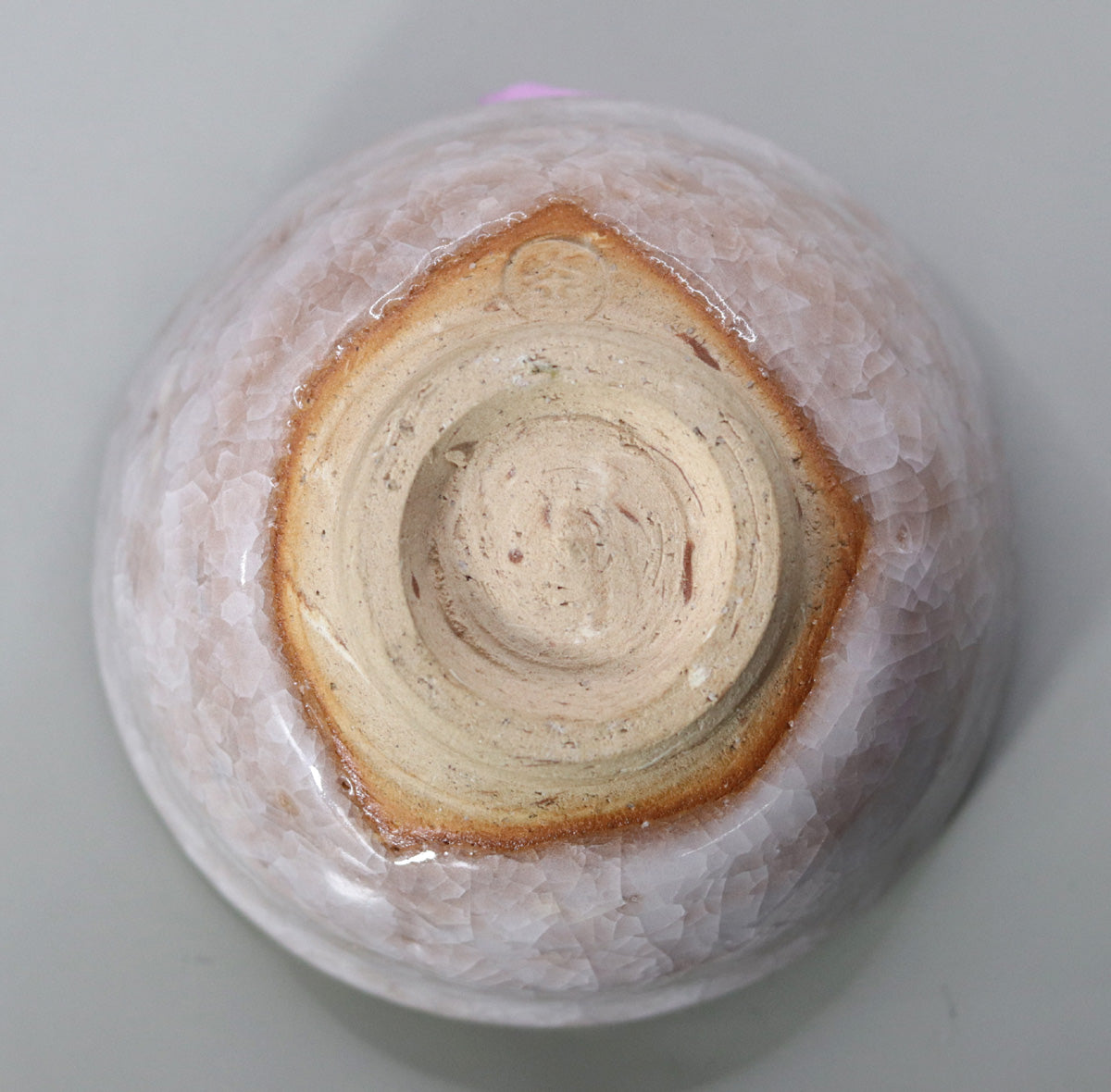
This "Ice-Cracked Tea Bowl" is a work that beautifully sublimates the relationship between the clay and glaze as materials. The soft texture of the clay, fired into the base, contrasts with the glassy coolness of the glaze, yet neither is lacking and complements the other. It could be said that this harmony most succinctly illustrates the spirit that Ogawa Bunsai V pursued throughout his life: "Tableware should be close to the heart of the user."
Pride as a successor to tradition
This tea bowl, crafted by the fifth generation, embodies the history and lineage of the Bunsai Kiln, which dates back to the founding generation. The techniques and spirit of the kiln have been passed down since 1847, when the first generation, Ogawa Bunsai (Bunsuke), studied kiln-building techniques in Kyushu and returned to Kyoto. This work, a culmination of these efforts, beautifully combines the fifth generation's sincere handwork with a sensitivity to the ever-changing beauty of nature. The "Ice-Cracked Tea Bowl" truly represents a "single vessel, a single landscape," a mirror that reflects the life and spirit of the fifth generation, Ogawa Bunsai, dedicated to pottery. Each time you gaze upon it, it makes a different impression, and each time you pick it up, it tells a new story—this tea bowl, filled with such profound charm, will add a quiet light to your life. We hope you will take this opportunity to immerse yourself in the tranquil world created by the fifth generation, Ogawa Bunsai's "Ice-Cracked Tea Bowl."
Share
-
[I will send it to you quickly and carefully]
We carefully package each product in a way that suits it best.
Also, delivery times vary depending on the piece (vessel, etc.).
Items that already come with a box will be shipped within 1-3 days of the order date.
For items that require a box to be made after your order, it will take approximately 30 days for production to be completed and then shipped.
In either case, once we have confirmed your order, we will contact you by email to inform you of the delivery date.
-
[Requests when purchasing pottery]
Even products that look the same may differ slightly in color, shape, size, etc.
The way the glaze is used, the power of the kiln, the firing method, the season, and the humidity also affect the appearance of the pottery.
Please understand the individuality of each piece of pottery and enjoy the unique warmth of handmade.