


Green Tea Bowl by Bunsai Ogawa
Green Tea Bowl by Bunsai Ogawa
Couldn't load pickup availability
Width: 14.0cm x 14.0cm Height: 7.0cm
Brought to life by the wind, reflecting the greenery - Green tea bowl by Ogawa Bunsai VI (Kyo)
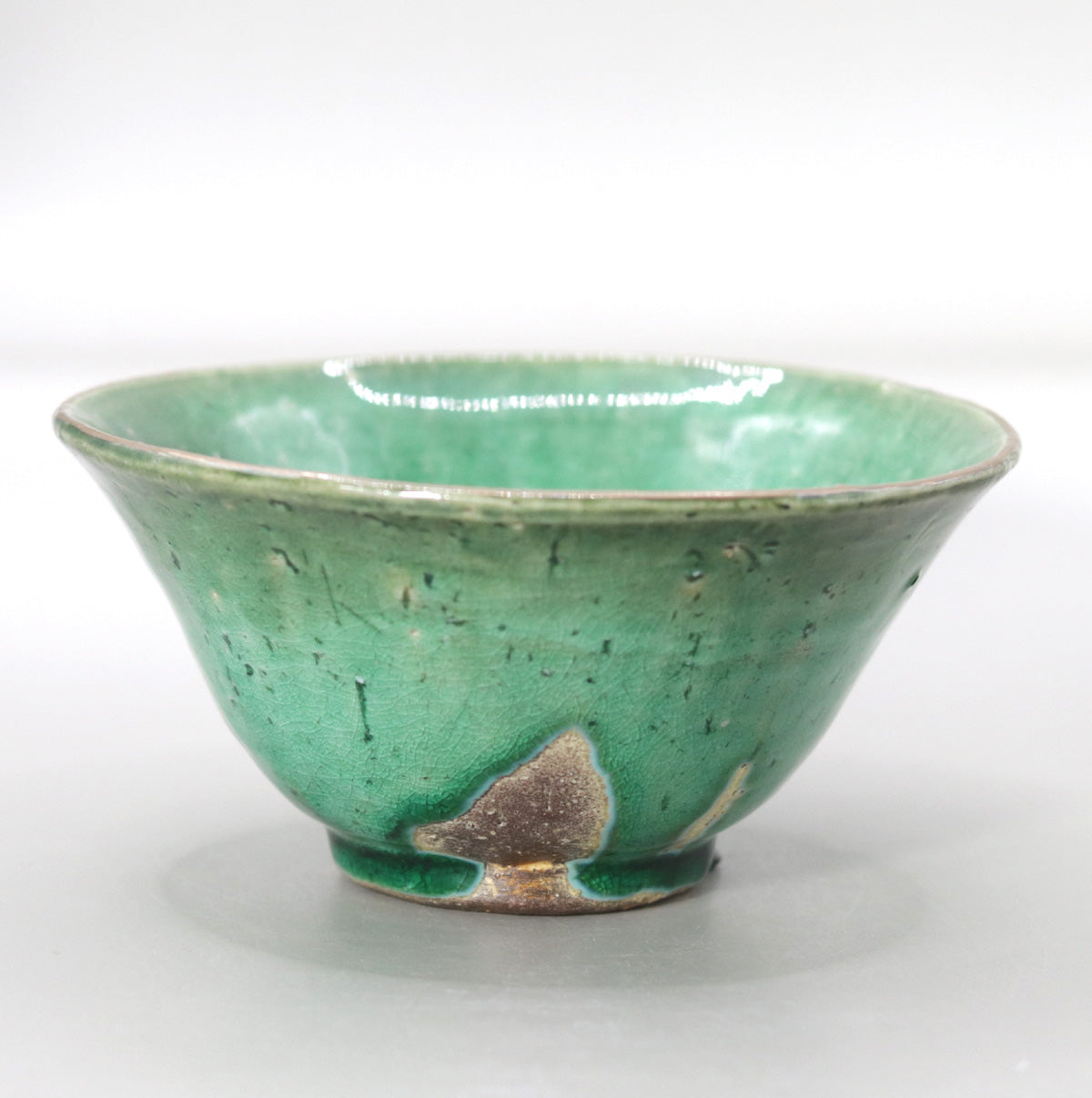
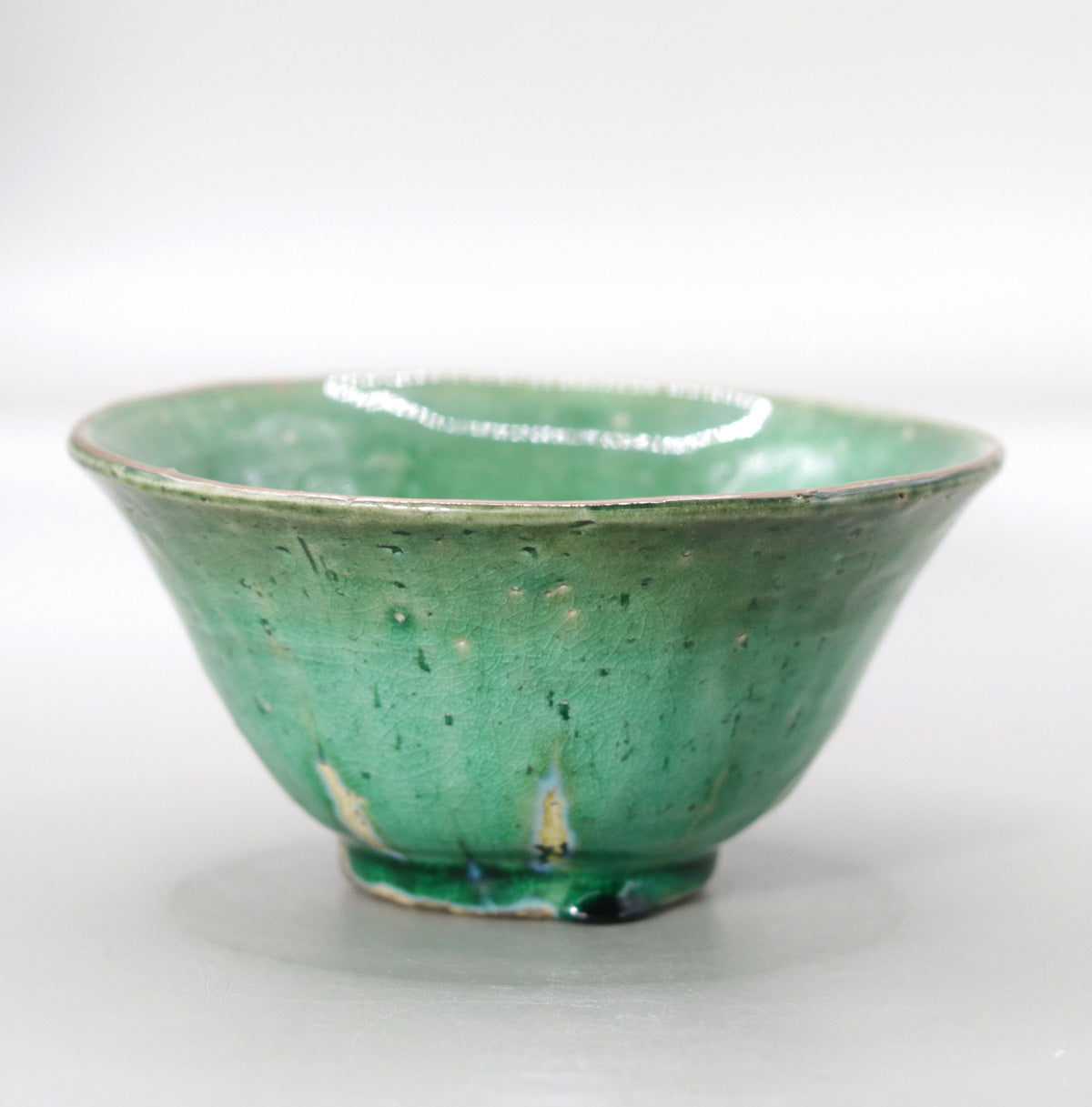
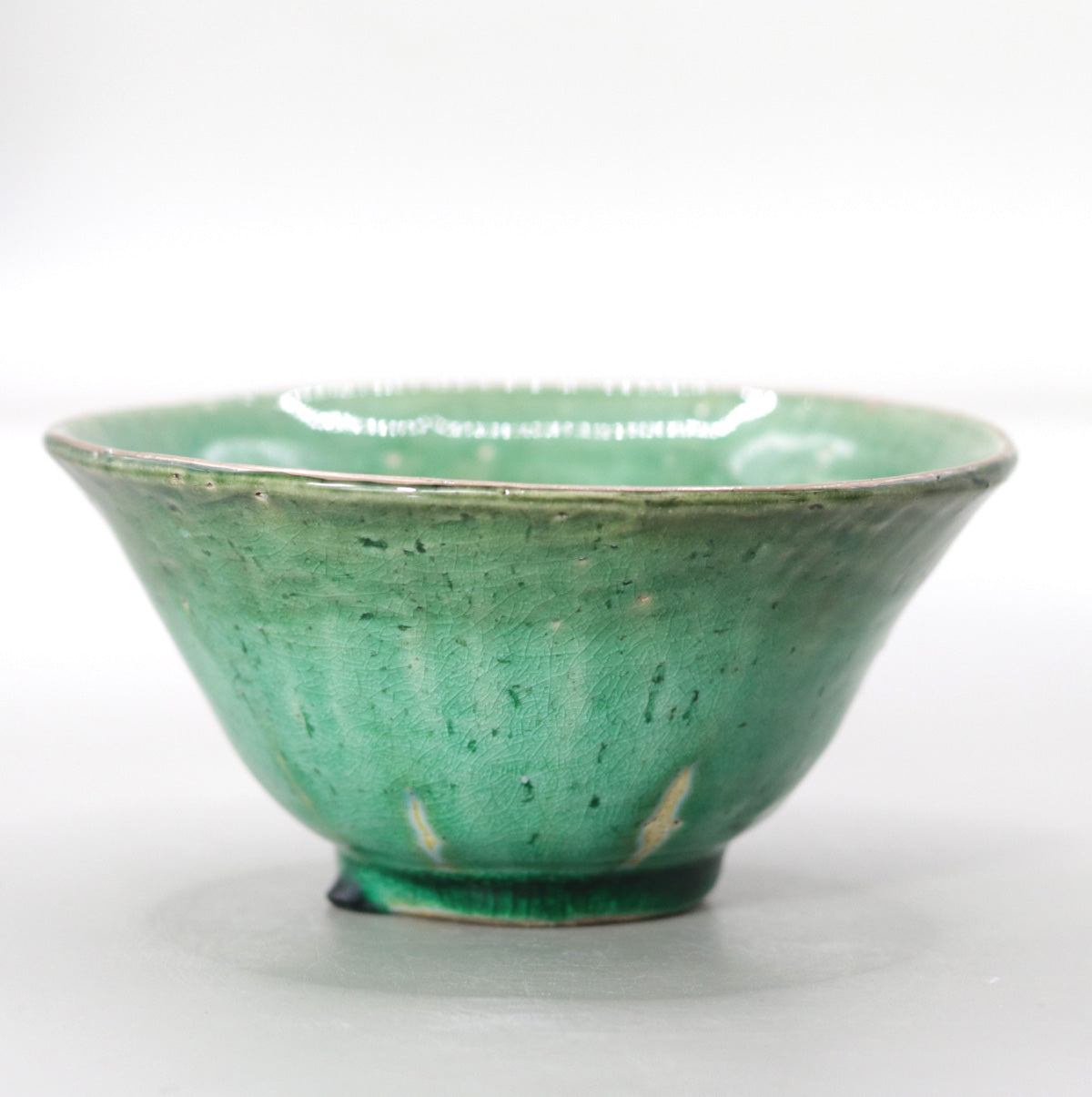
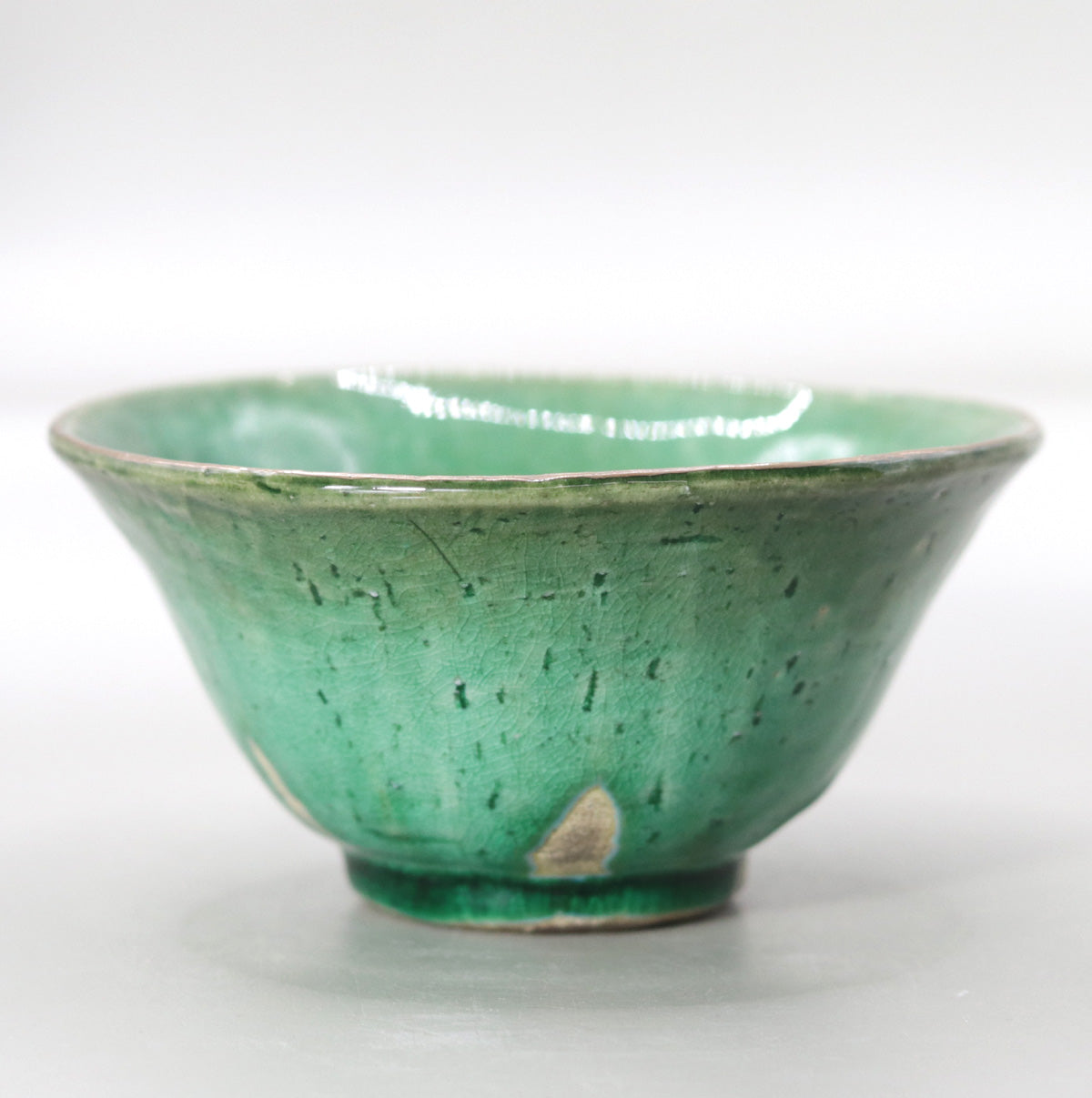
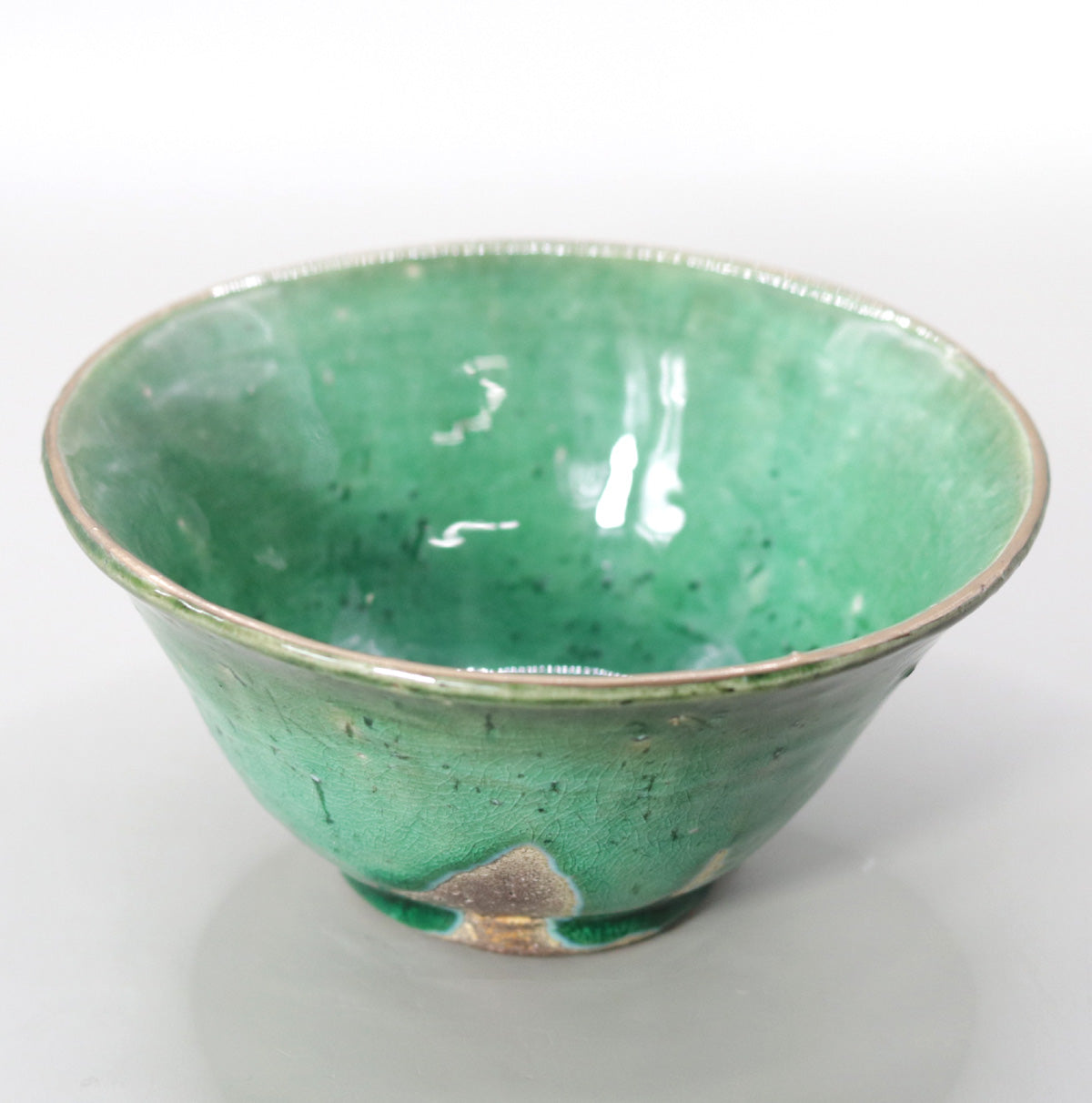
The "Emerald Green Tea Bowl" created by Ogawa Bunsai (Oki) VI is a bowl filled with tranquility, coolness, and refined form. This piece has been finished in a form that celebrates the beauty of expanse, which could be described as "opening in the wind." While achieving the ultimate in functionality as a vessel, it also combines a sculptural form with a gaze toward nature, giving it the air of a work of art, more than just a tea ceremony implement.
Wide rim and wind-like shape
What first catches the eye about this piece are its graceful proportions, which gently widen from the rim to the body. Though it is a tea bowl, this design is not simply aesthetically pleasing; it is a "welcoming form" that beautifully combines function and sensibility. Perhaps envisioning the aroma of matcha rising and gently spreading into the space, the shape seems designed to mimic the movement of a cup of tea in conjunction with the breeze.
The lightness and stability in the hand are also impressive, and while the design has an open feel, the body tapers towards the bottom, so it fits comfortably in the hand, creating a familiar feeling as if it has been used for many years. The design, which is based on the actual experience of use, creates a comfortable sense of distance from the user, and it is clear that a delicate balance between practicality and beauty has been achieved.
The texture of green, memories of nature and time
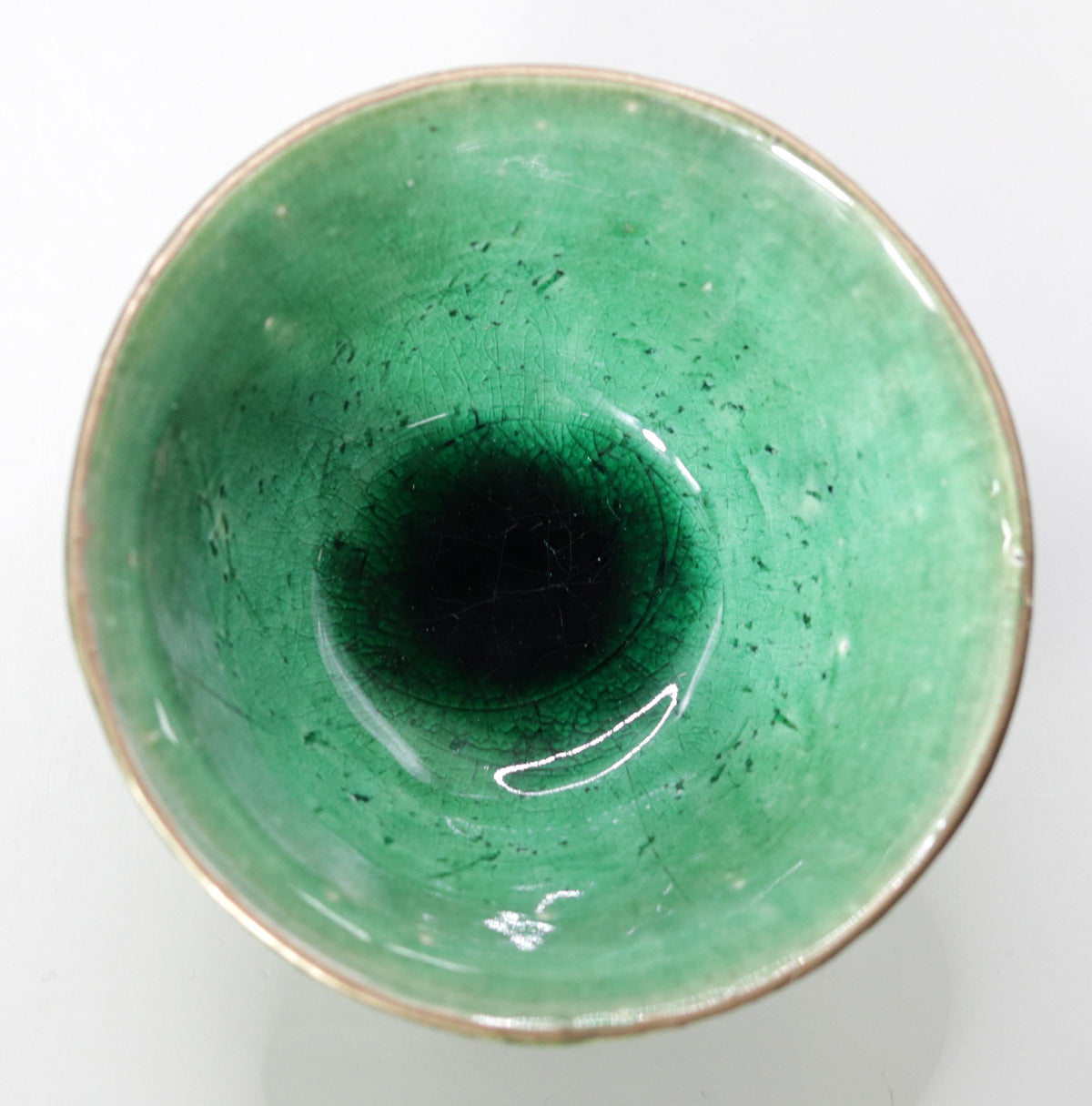
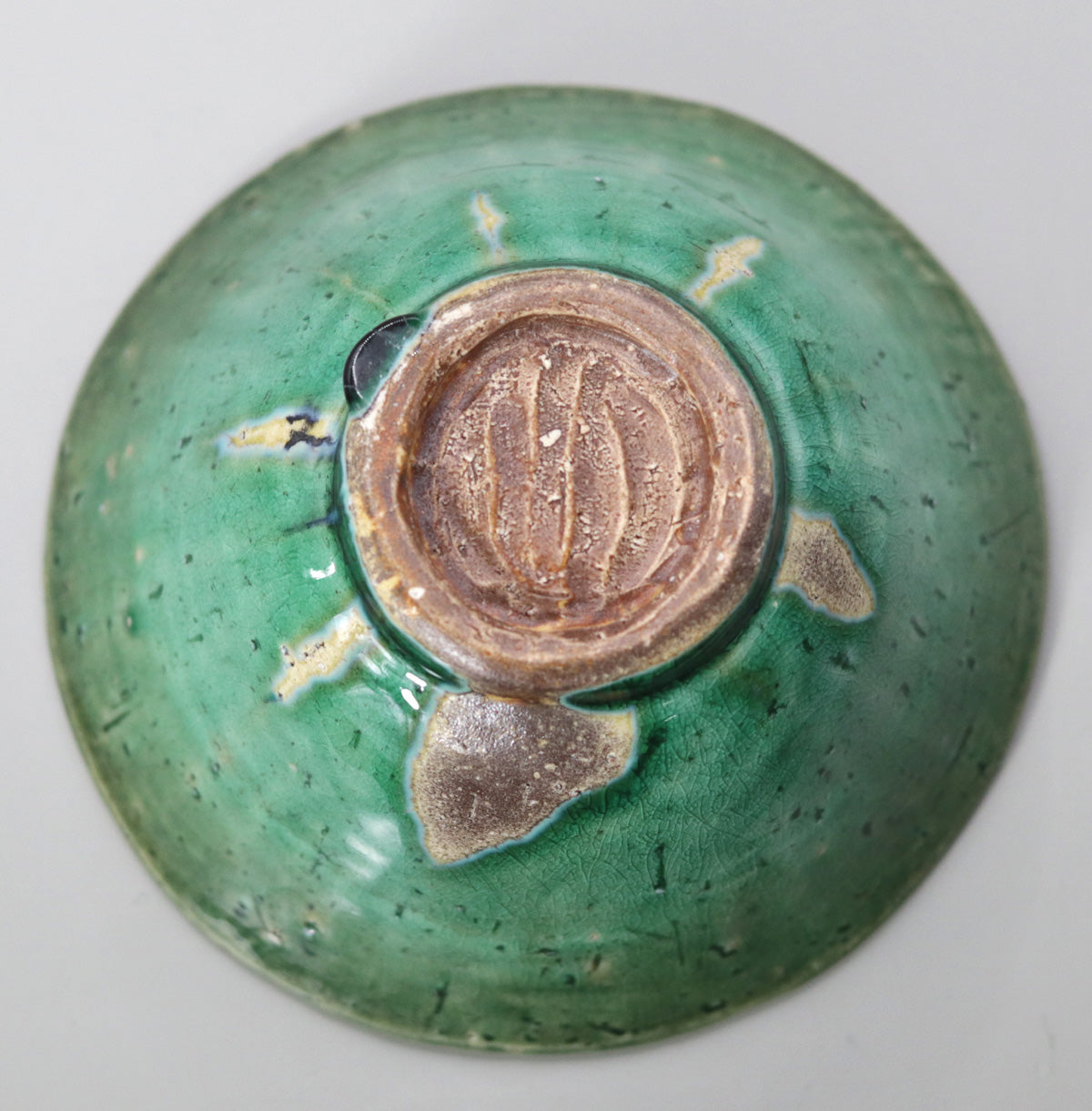
The expression of the glaze applied to this piece truly demonstrates the essence of Ogawa Bunsai's long-standing pursuit of the color "green." While simply described as "green," it is not a single color. A multi-layered gradation of colors is created throughout the vessel, intermingling with the jade green that seems to seep from within, the deep blue-green of the glaze pools, and the iron glaze that appears on the surface of the base during firing.
Furthermore, the porcelain is adorned with fine crazing, creating a delicate appearance like ripples on the surface of water. With repeated use, tea stains and oils from hands will seep into the crazing, changing over time. The natural color of the green glaze will take on the years of its user, and the vessel itself will carry the "memory of time" - this is one of the great charms of tea ceremony utensils.
Furthermore, kiln changes, which can be considered traces of the fire used during firing, can be seen on the exposed clay surface, and natural phenomena come to life as part of the design of the vessel. It is precisely because of this "beauty beyond intention" that Bunsai's vessels are not just beautiful, but also have a living presence.
Tableware that creates the atmosphere in the tea ceremony
This tea bowl is not only a tool for preparing tea, but also a vessel that creates a space. When used in a tea room, its tranquil greenery takes on the surrounding scenery, hanging scrolls, flowers, and even the reflection of light, giving the whole space a soft, cohesive look. Even in modern living spaces, simply placing a bowl on a shelf creates a sense of space, and the greenery changes the atmosphere. The vessel does not assert itself, but resonates as part of the space. This is perhaps the great appeal shared by the works of Ogawa Bunsai VI.
Tradition and Innovation - The Spirit of Bunsai Kiln
Founded in 1847 by the first generation Ogawa Bunsai (Bunsuke), Bunsai Kiln is a prestigious pottery manufacturer that has passed down its techniques and beauty in the Gojozaka area of Kyoto for over 150 years. The current head of the family, the sixth generation Ogawa Bunsai (Kyo), studied sculpture at graduate school and has developed flexible creations that transcend the traditional boundaries of "Kyoto ware" by combining traditional Kyoto ware techniques with a modern sculptural sense and a deep exploration of color. In contrast to the fifth generation's "red," the sixth generation chose "green." This was not simply a color choice; it represented a shift in the very spirituality that underlies their work. Green, as a color symbolizing peace, harmony, and connection, overlaps with prayers for "bonds between people" and "a world without conflict," and is deeply embedded in each bowl.
The green tea bowl as a symbol of "connecting harmony"
This green tea bowl truly embodies the artistic vision and spirit of Ogawa Bunsai (Oki) VI, as well as its historical background, making it a vessel that truly "connects harmony." While imitating traditional forms, the wide rim and the expression of the glaze clearly exude a modern spirit, embodying a form of beauty that transcends time. In the moment you sip a cup of tea, this bowl quietly but surely conveys its presence. When you pick it up, savor it with your eyes, and put it to your mouth, you can feel the soft green light and the human feelings that transcend time.
A bowl of poetry that embodies the passage of time
The "Emerald Tea Bowl" by Bunsai VI is not just a tea ceremony utensil, but a vessel that "exists" and can coexist with prayer, nature, time, space, and even human interaction.
A bowl born here and now will show a different expression to people decades or even centuries from now, as it ages with the time of its user. What a luxurious and quietly moving experience it is to know that such a bowl exists.
Please allow yourself to be captivated by the world of greenery embodied in this bowl and Ogawa Bunsai's unwavering aesthetic sense.
A spoonful of poetry in your everyday life.
And the moments of harmony that quietly come into your daily life.
Share
-
[I will send it to you quickly and carefully]
We carefully package each product in a way that suits it best.
Also, delivery times vary depending on the piece (vessel, etc.).
Items that already come with a box will be shipped within 1-3 days of the order date.
For items that require a box to be made after your order, it will take approximately 30 days for production to be completed and then shipped.
In either case, once we have confirmed your order, we will contact you by email to inform you of the delivery date.
-
[Requests when purchasing pottery]
Even products that look the same may differ slightly in color, shape, size, etc.
The way the glaze is used, the power of the kiln, the firing method, the season, and the humidity also affect the appearance of the pottery.
Please understand the individuality of each piece of pottery and enjoy the unique warmth of handmade.