


美 風 道 響 夢 Tanba kiln-fired potato head water jar by Naosaku
美 風 道 響 夢 Tanba kiln-fired potato head water jar by Naosaku
Couldn't load pickup availability
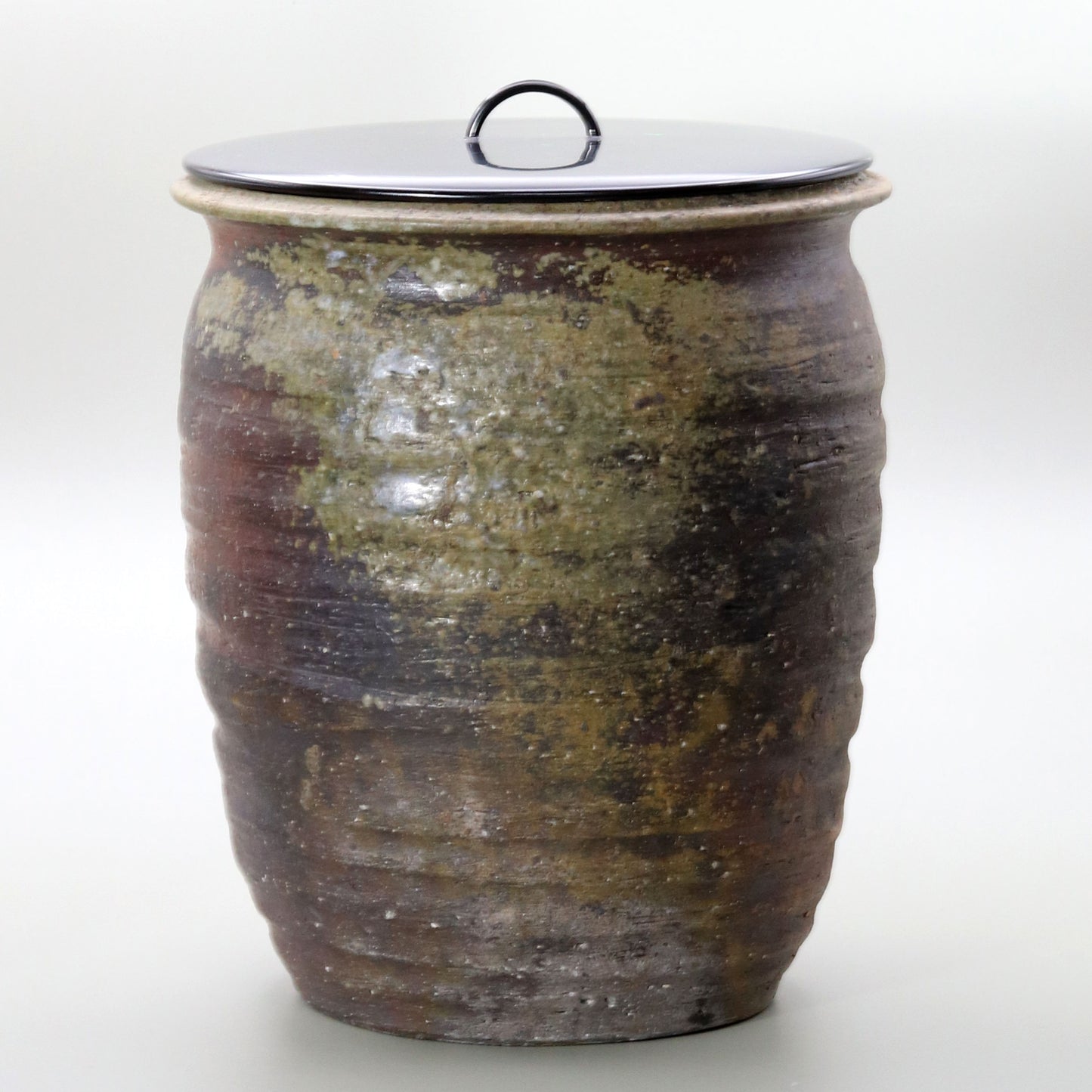
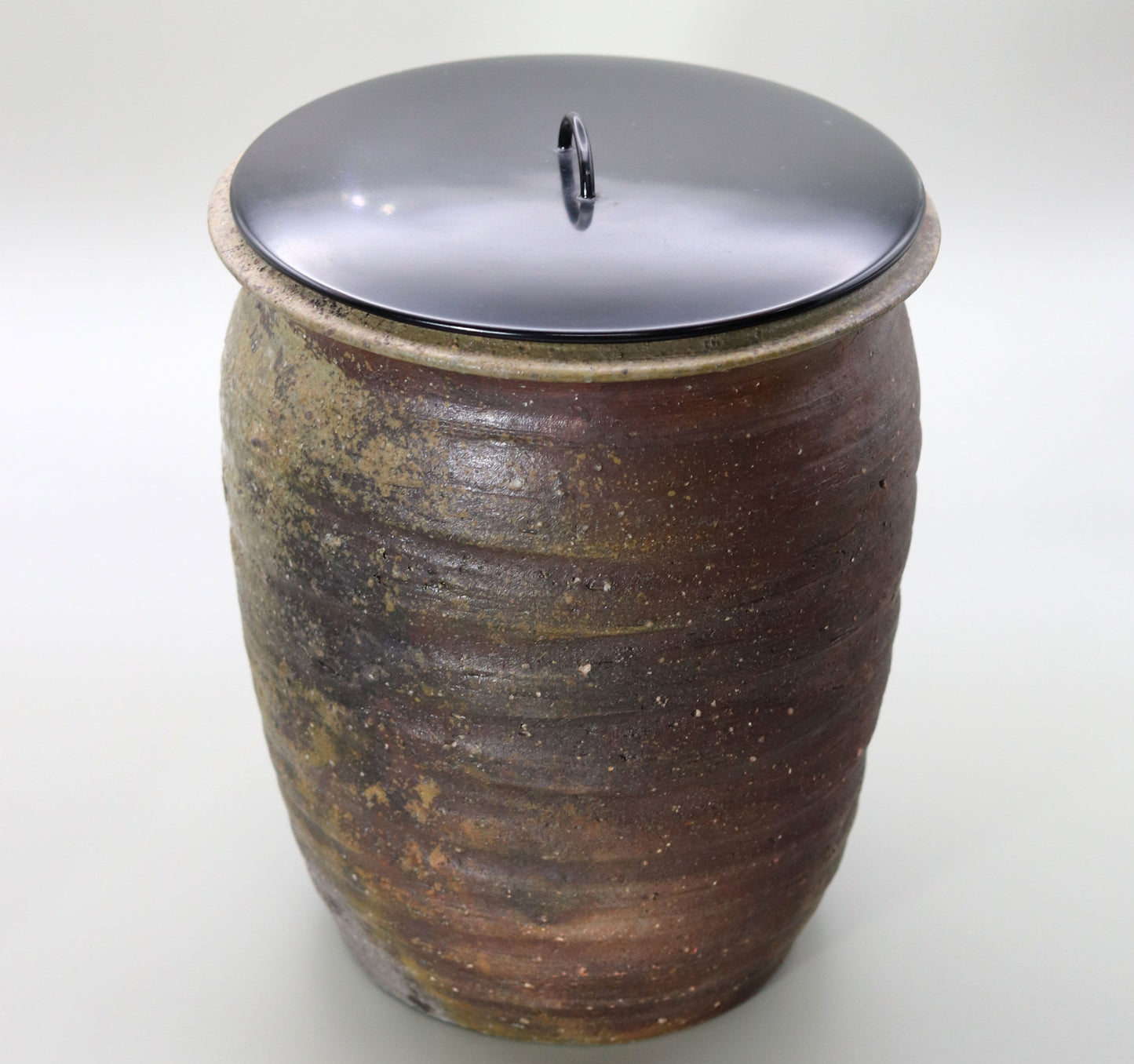
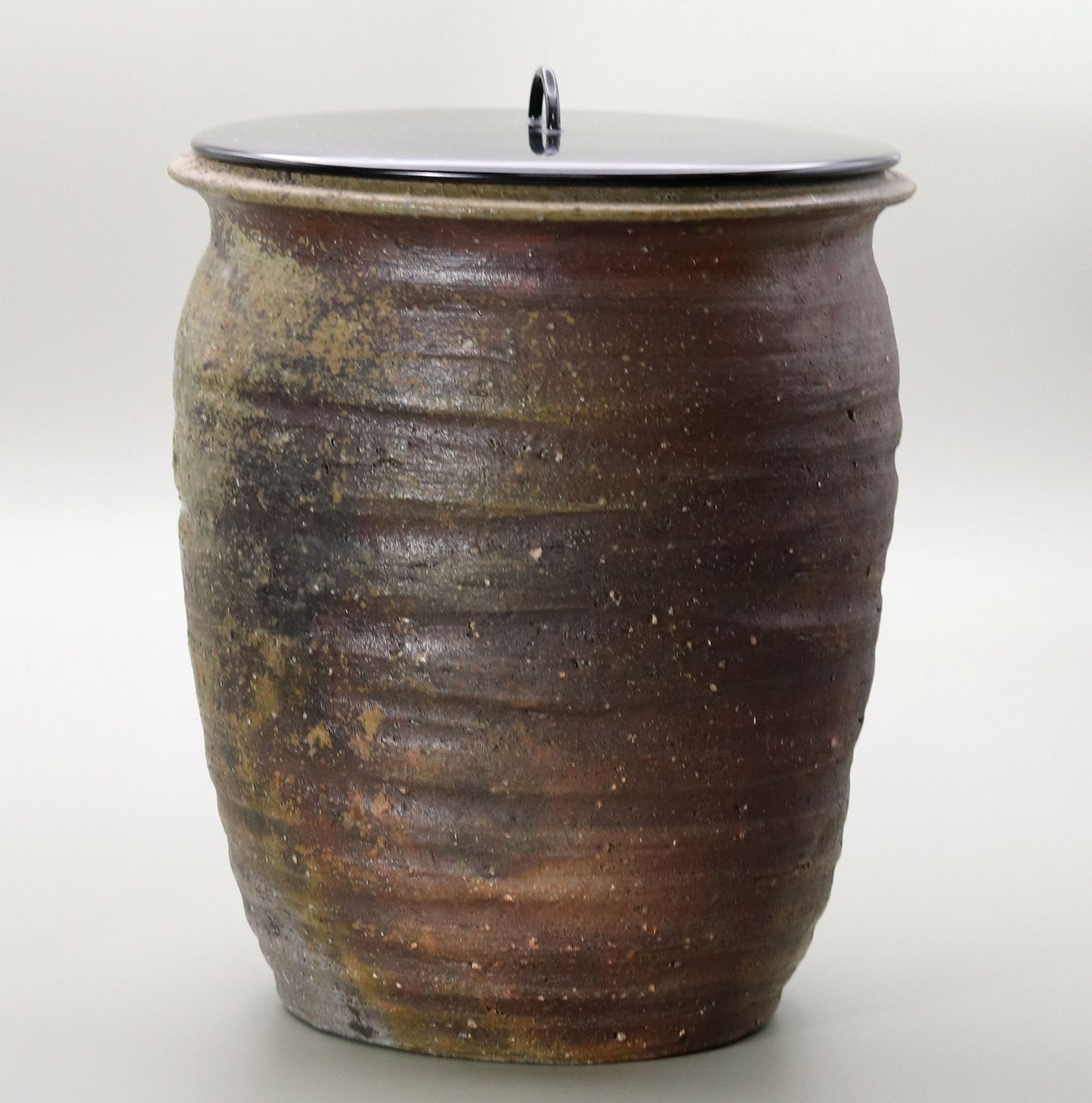
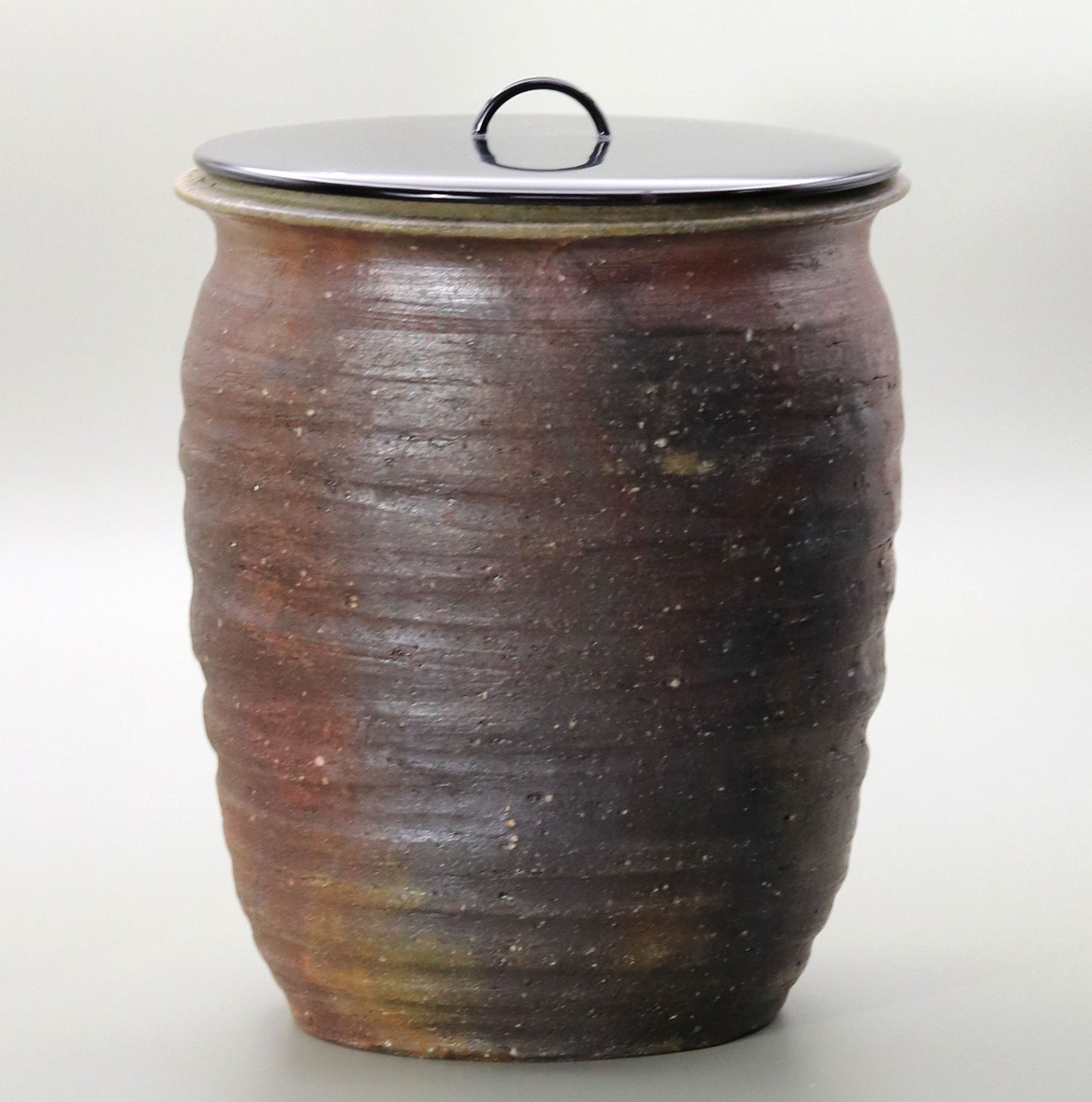
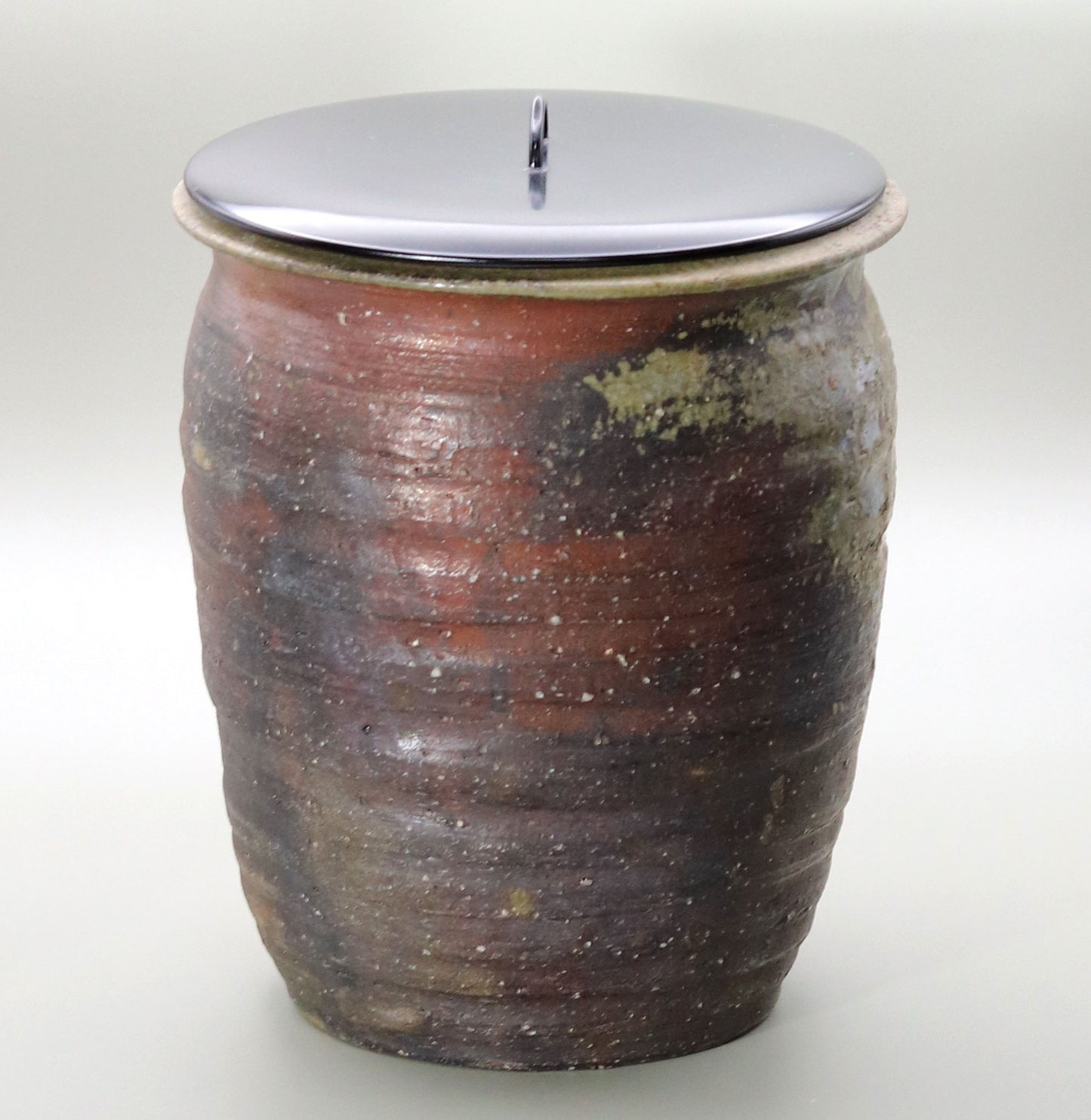
Tanba kiln-fired potato-head water jar - by Masamoto Naosaku
Height 23.0 cm x maximum diameter 18.2 cm
1. The sweet potato head shape exudes friendliness and elegance
With a plump body reminiscent of a taro root and a narrowed opening, the soft form of the taro-head water jar brings a calming atmosphere to the tea ceremony. The perfect balance between the rounded shoulders and the firm, stable bottom gives it a dignified presence that belies its cute appearance.
2. The beauty of kiln changes created by flames
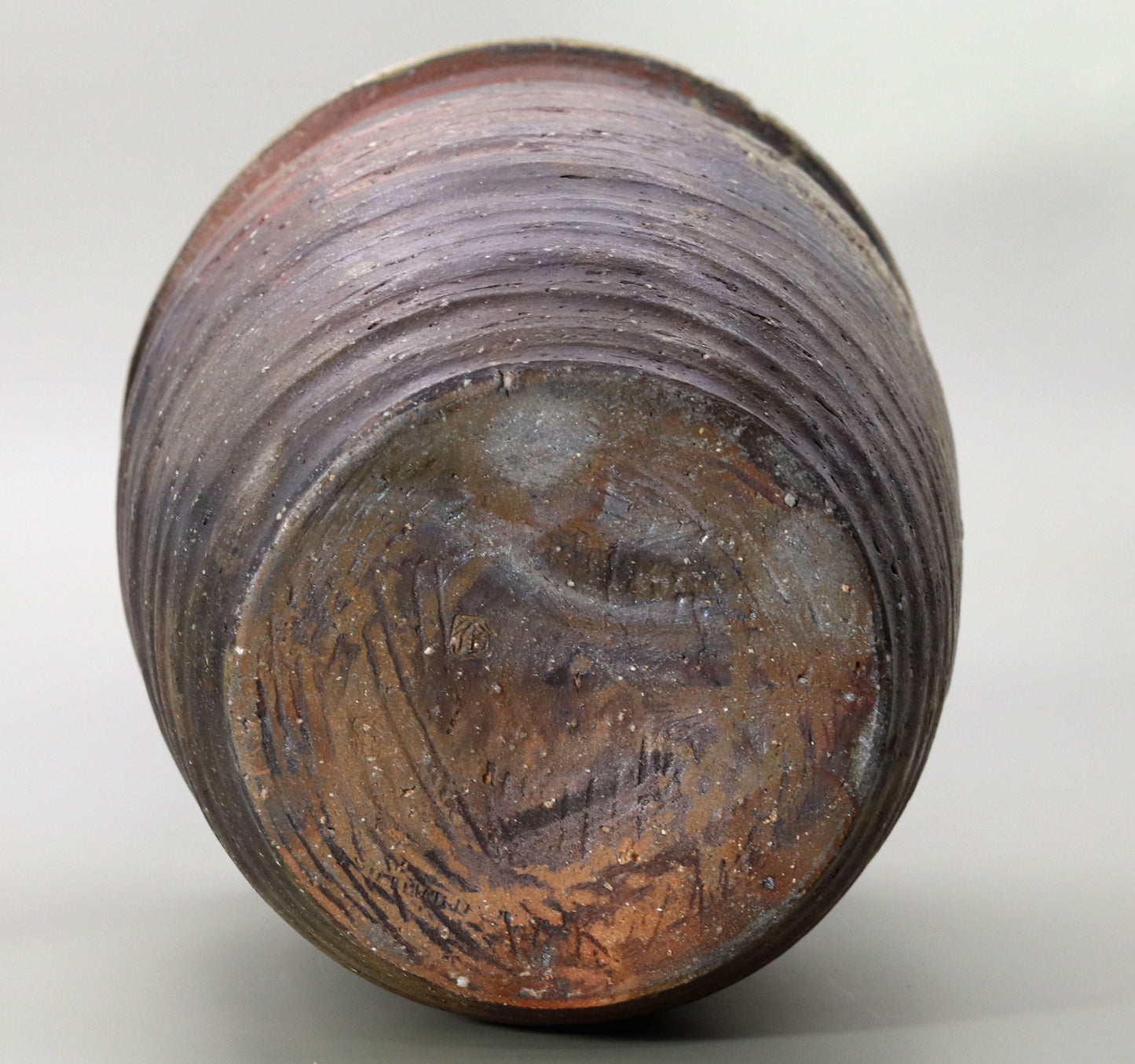
This piece is completely glaze-free and has been fired using the Yakishime technique, in which red pine firewood is burned in a climbing kiln for over three days and nights. The "yaki-hen" effect that the flames and ash have on the surface of the piece creates a blend of purple-brown, burnt brown, and moss green, with silvery crystals sparkling here and there like frost. These unique scenes are the result of a coincidence of the piece's location in the kiln, the way the ash falls, and the temperature changes of the flame.
3. The lineage of Nanban copies
The Imogashira Mizujar is said to be a replica of a Nanban-yaki pot beloved by tea masters during the Momoyama period. Its simple form, which makes the most of the earthenware, and its powerfully yakishime surface are designs that are so closely associated with the tea ceremony that an ancient book describes it as "a design beloved by connoisseurs." Masamoto Naosaku has inherited that spirit, using rough clay from Tamba and firing in a wood-fired kiln to bring the style of what could be called "Japanese Nanban" to life in the modern era.
4. The capacity to reflect the four seasons
Spring/Autumn : When combined with a pale pink camellia lid or a magnolia leaf lid, the warm earthy color gently captures the colors of the season.
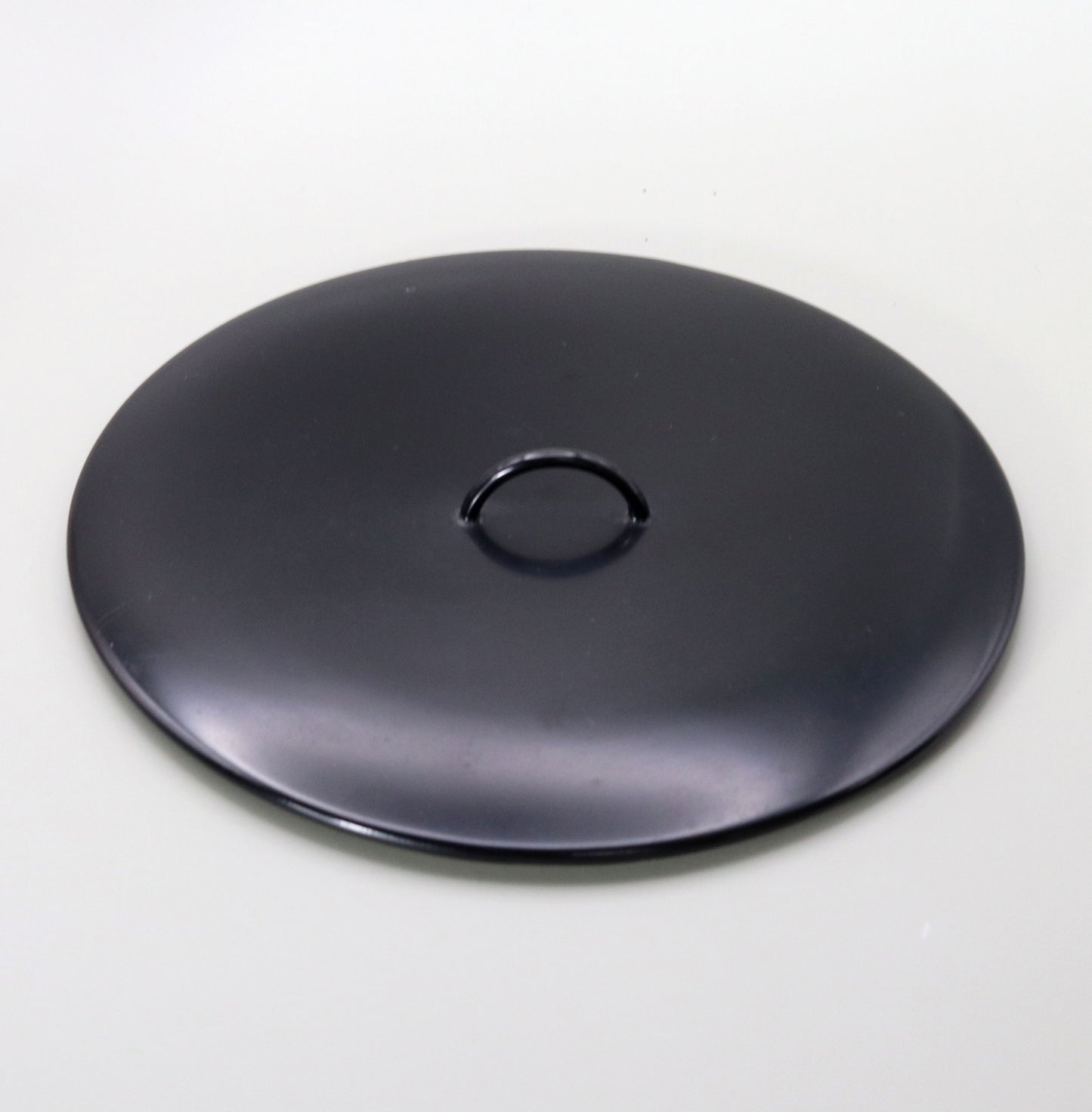
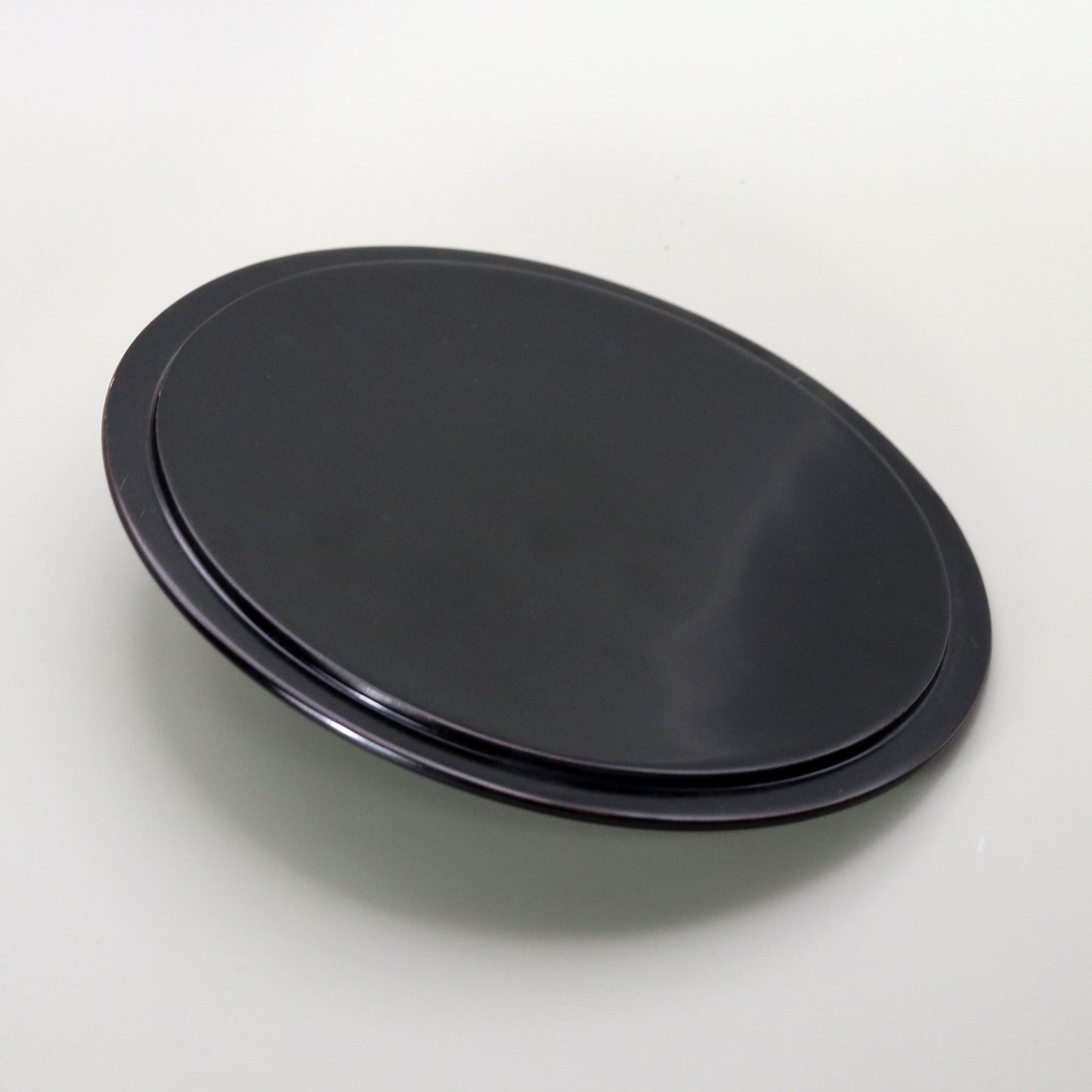
Summer : When you place the included tamenuri lacquered lid on top, the cool black lacquer and the luster of the kiln-fired finish blend together to create a refreshing atmosphere.
Winter : The silver-gray color of the ash covering harmonizes with the scenery around the hearth, further enhancing the sense of wabi.
5. Detailed design that supports the beauty of utility
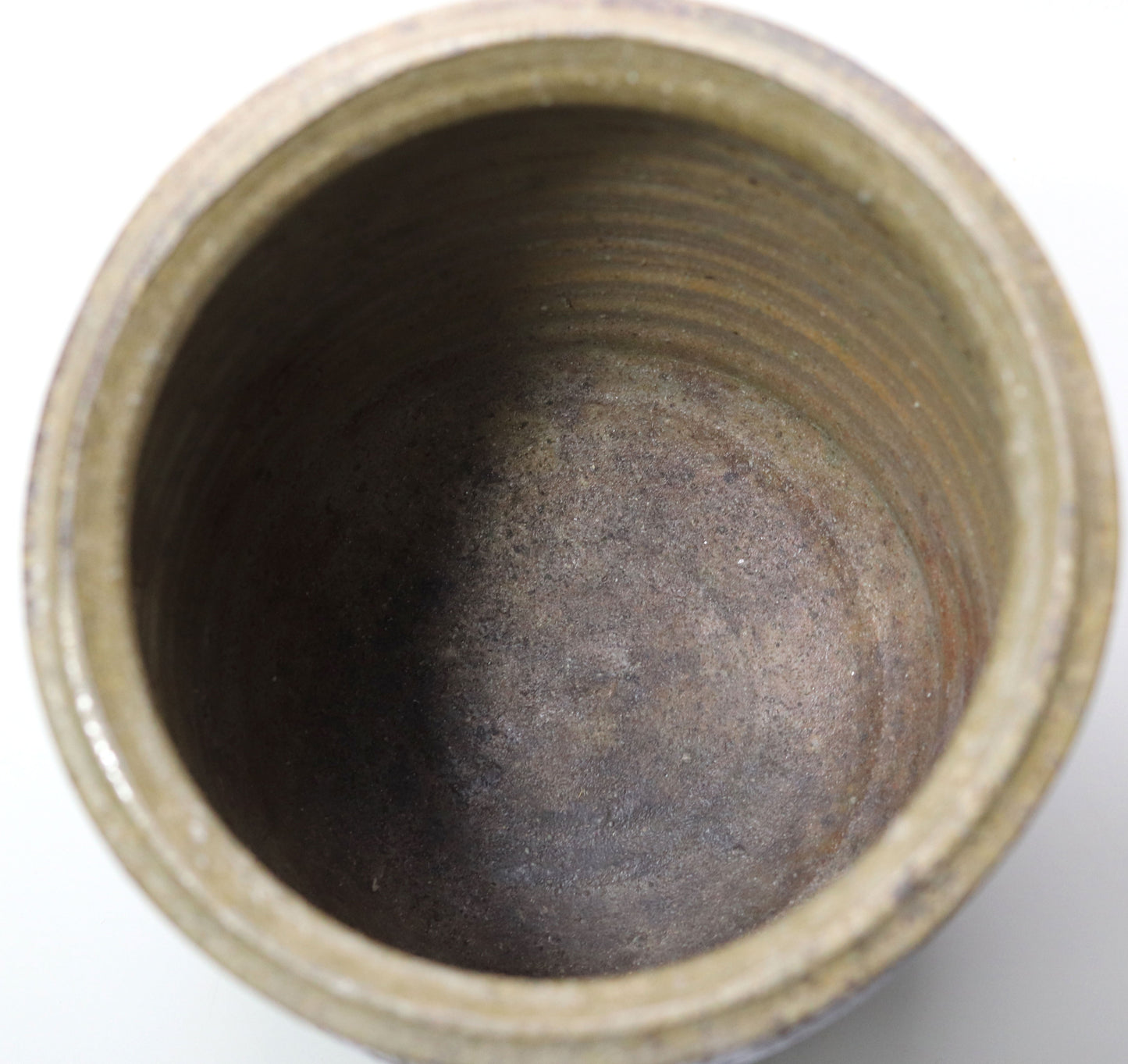
The rim is thinly beveled, making it smooth to handle with a ladle. The gentle wheel marks on the body provide a stable grip, making it easy to handle. The inside is tightly fired, making it resistant to water absorption, making it durable enough for practical use at tea ceremonies.
6. Care and care
Before use, rinse lightly with water to moisten the surface.
After use, rinse with lukewarm water, wipe dry with a soft cloth and dry in the shade.
Please avoid using detergents or soaking in water for long periods of time, and be careful not to prevent the enamel from breathing.
The rough clay nurtured by the Tanba earth and the scenery of kiln changes accidentally created by the flames - the Tanba Kiln Change Imo-gashira Mizujar by Masamoto Naosaku is a masterpiece of tea ceremony utensils that blends tradition and innovation. Please nurture it for many years to come, changing the lid and accessories with each season, and savor the taste of wabi that deepens with the years.
Share
-
[I will send it to you quickly and carefully]
We carefully package each product in a way that suits it best.
Also, delivery times vary depending on the piece (vessel, etc.).
Items that already come with a box will be shipped within 1-3 days of the order date.
For items that require a box to be made after your order, it will take approximately 30 days for production to be completed and then shipped.
In either case, once we have confirmed your order, we will contact you by email to inform you of the delivery date.
-
[Requests when purchasing pottery]
Even products that look the same may differ slightly in color, shape, size, etc.
The way the glaze is used, the power of the kiln, the firing method, the season, and the humidity also affect the appearance of the pottery.
Please understand the individuality of each piece of pottery and enjoy the unique warmth of handmade.