


Karatsu Earthen Tea Bowl Suwa Sozan
Karatsu Earthen Tea Bowl Suwa Sozan
Couldn't load pickup availability
Width: 13.6cm Height: 7.3cm
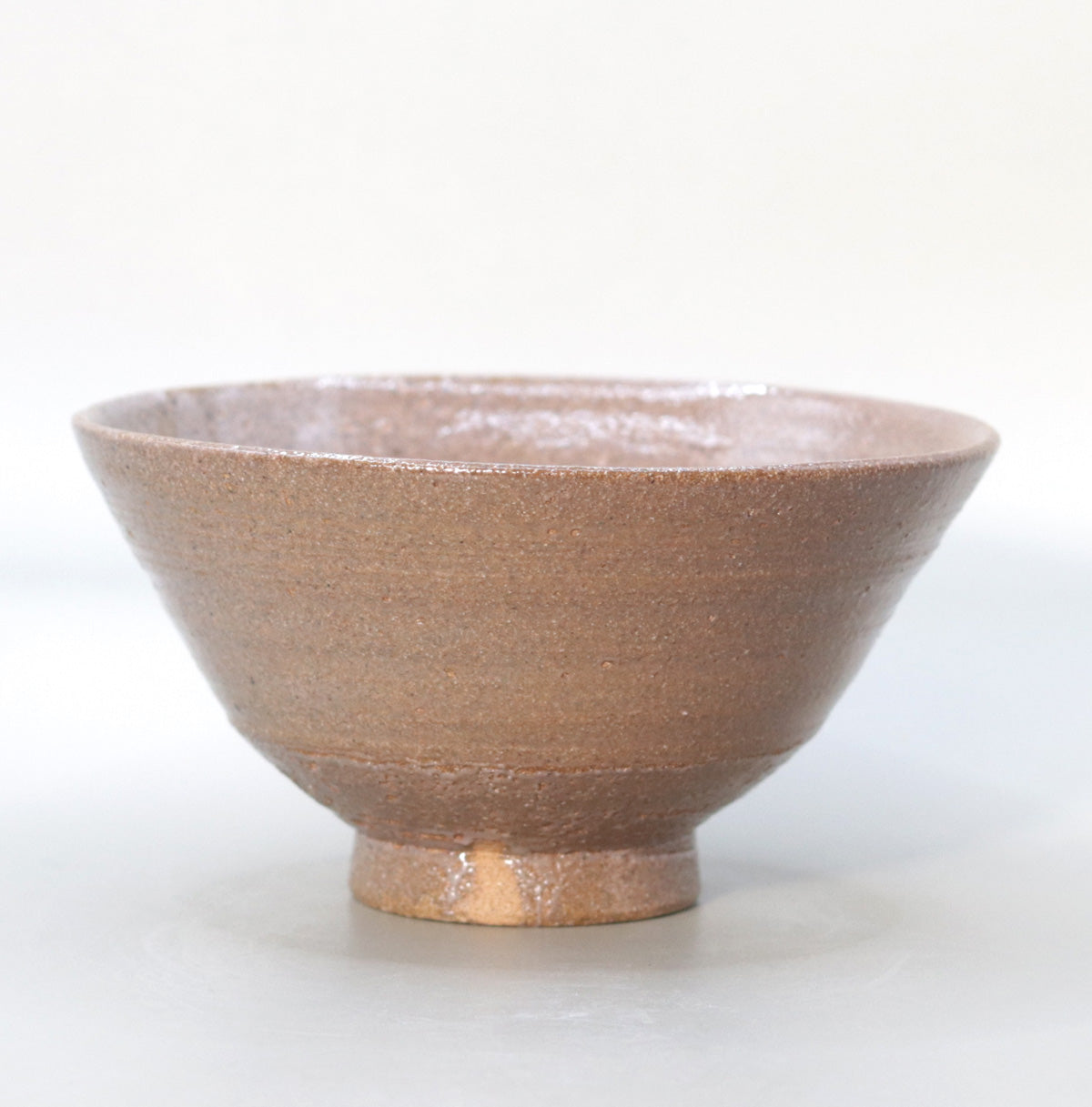
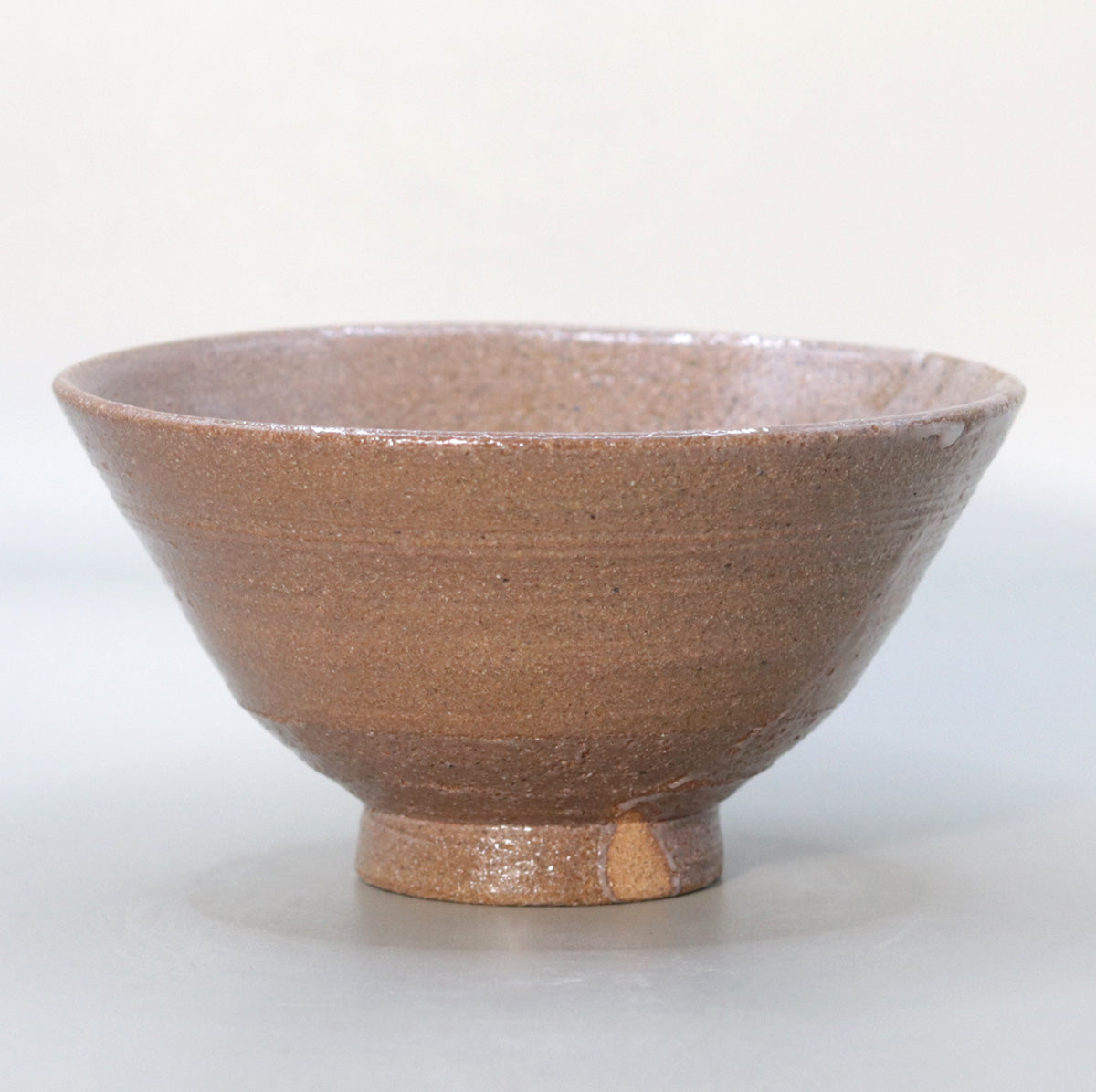
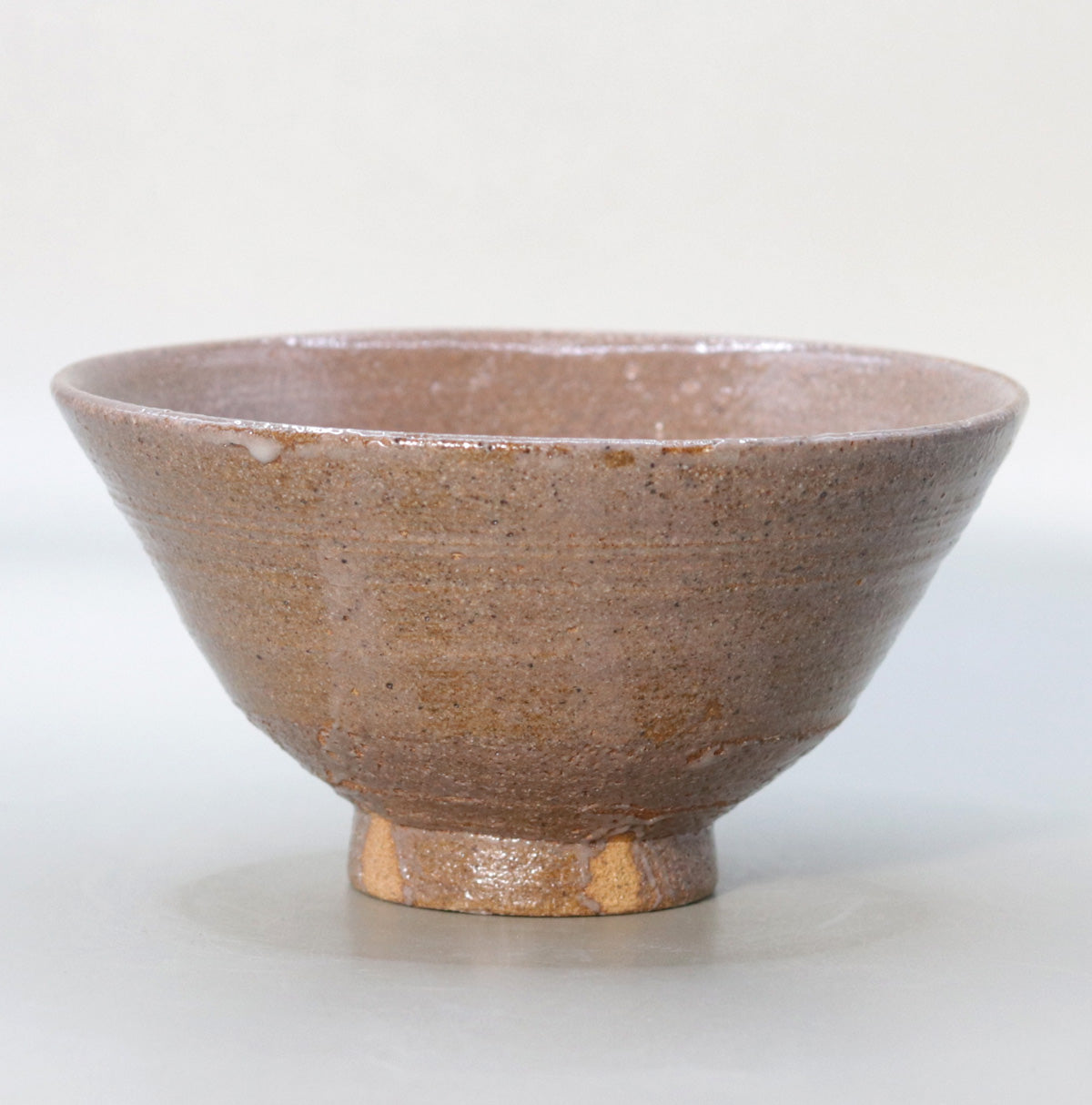
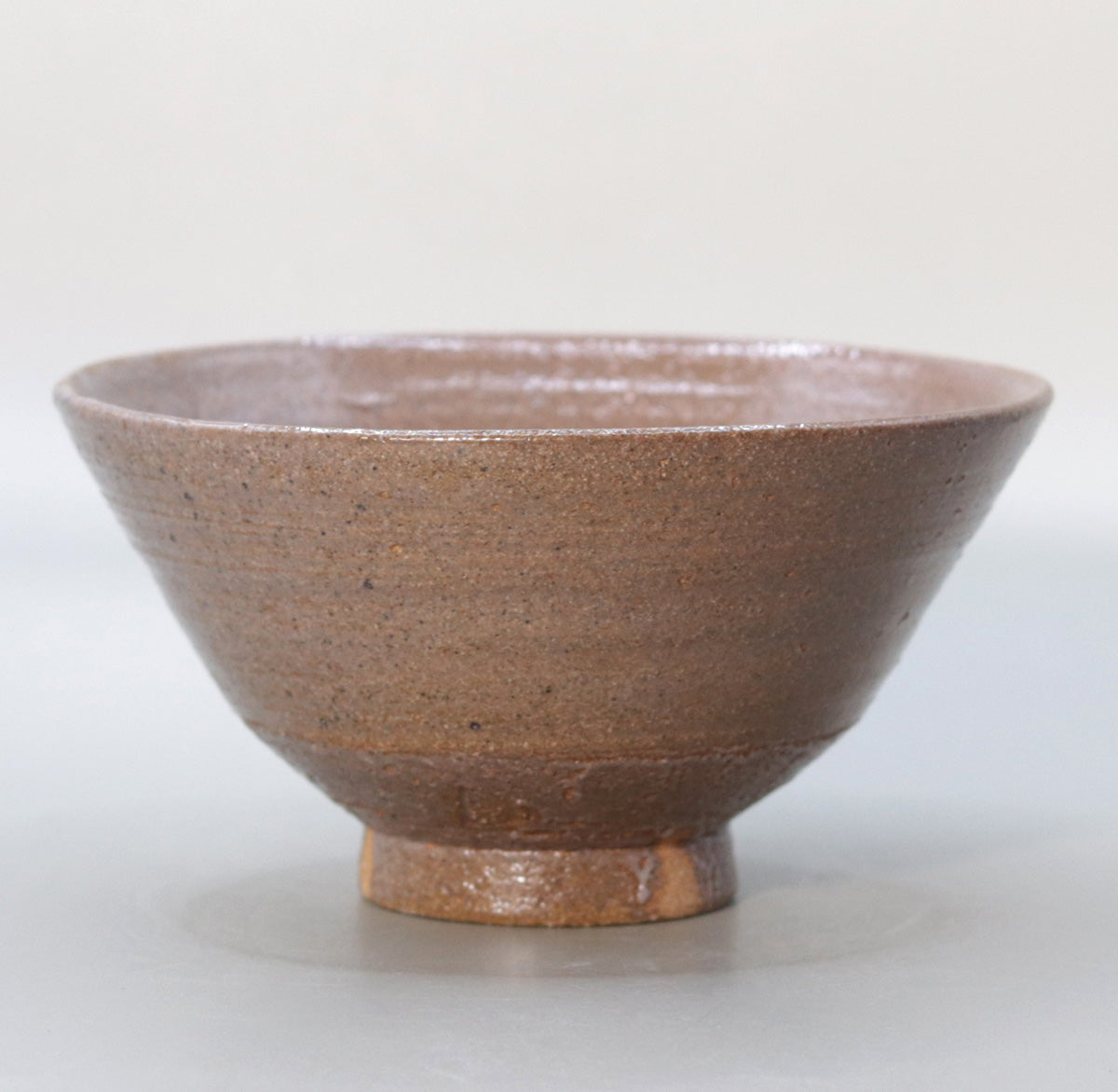
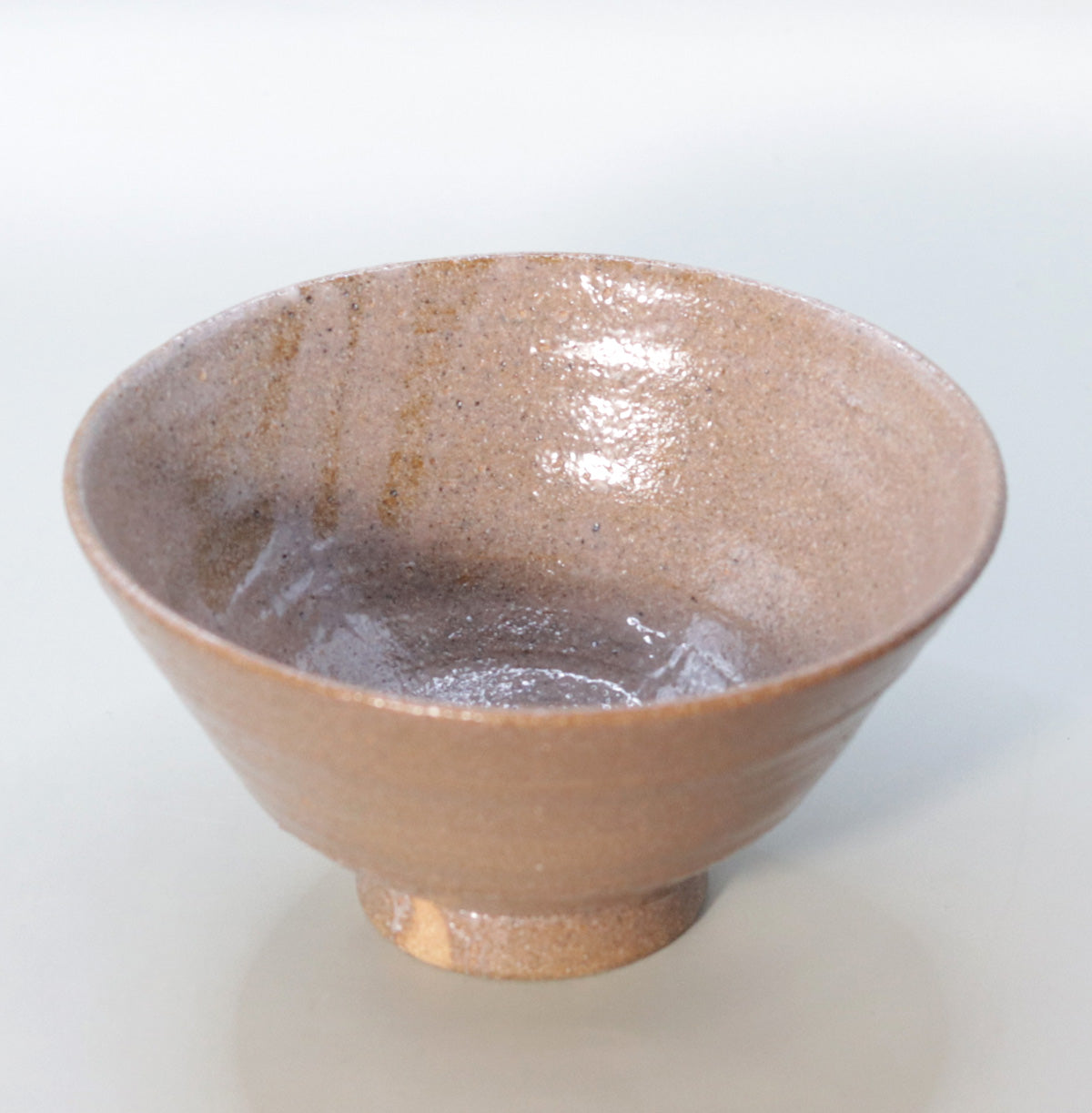
This piece, "Karatsu Clay Tea Bowl," is a matcha bowl created by the fourth generation Suwa Sozan using traditional clay from Karatsu City, Saga Prefecture, making the most of the natural texture of Karatsu ware. Unlike the refined porcelain expressions represented by celadon and white porcelain, this piece brings to the forefront the simplicity and strength unique to the coarse clay known as "earthenware," as well as the warmth inherent in the material itself.
Materials and Climate - The Charm of Karatsu Clay
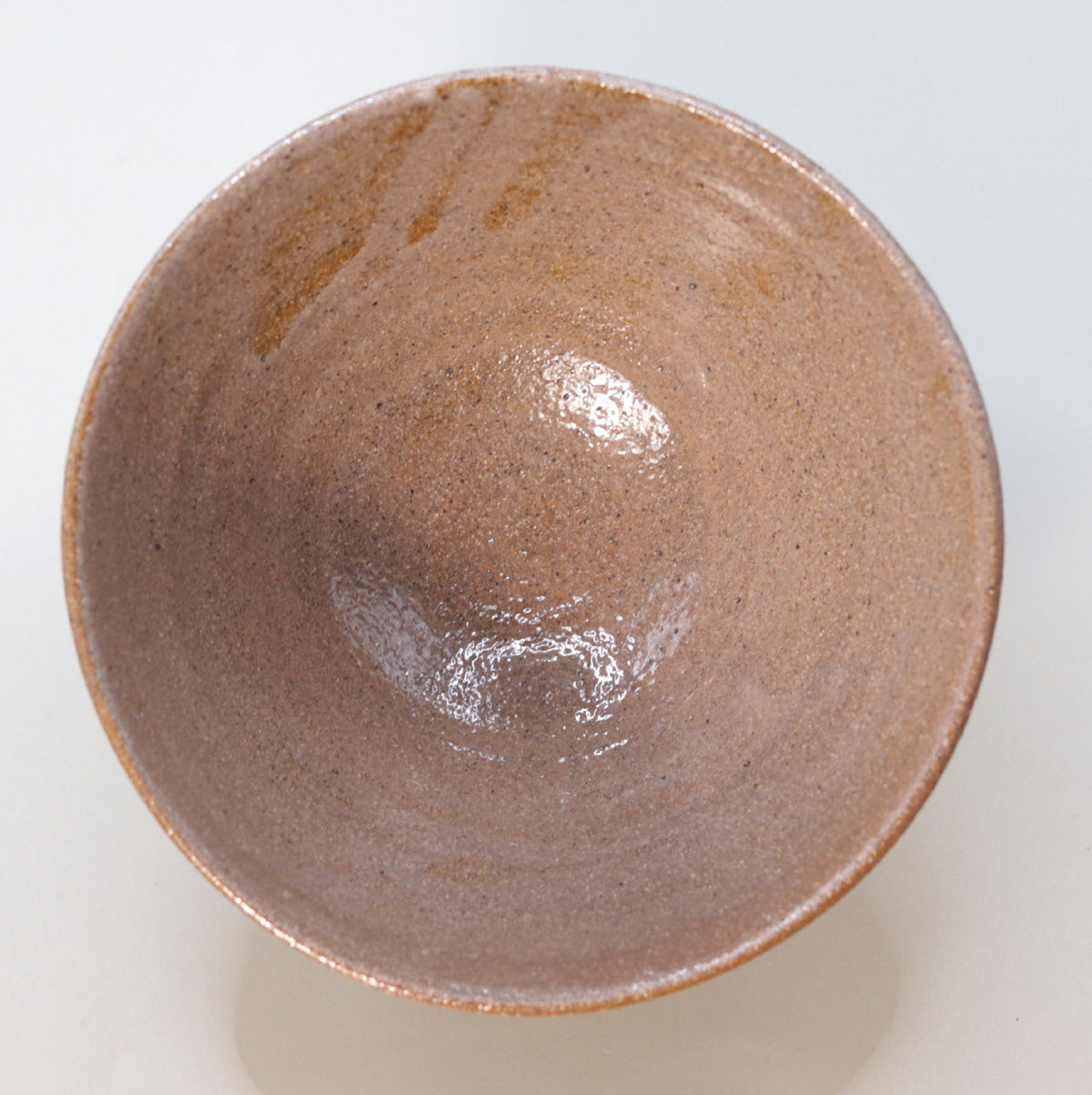
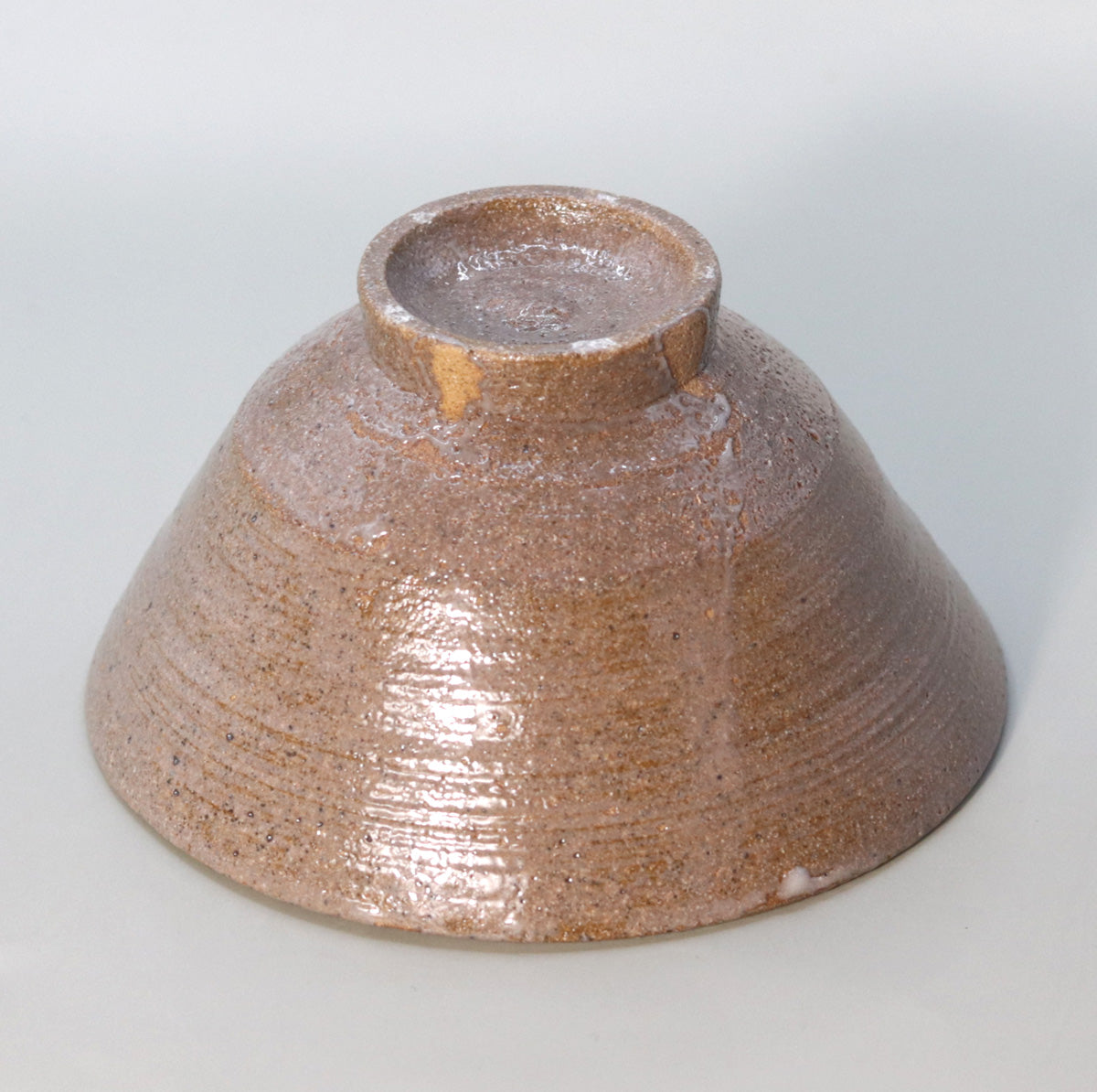
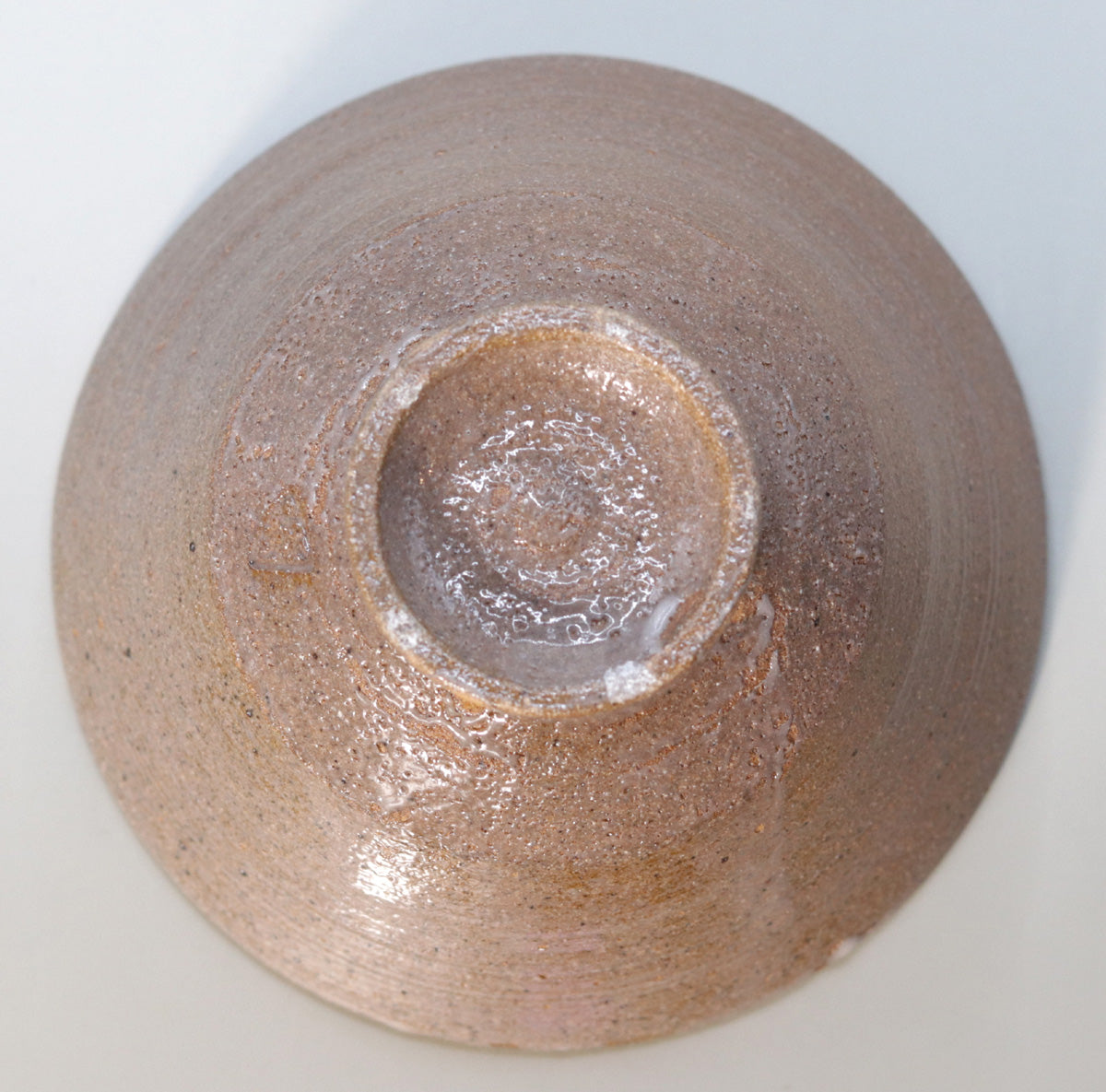
The clay used is natural sandy soil mined from the Kishidake mountain range in Karatsu City. Karatsu clay is extremely unique, with a rough texture and little stickiness, and after firing it develops a warm reddish-gray brown color. It contains fine iron particles and iron lumps called oniita (demon boards), which are scattered throughout the pottery, creating a unique appearance that is another attraction.
This type of clay has little plasticity and tends to crinkle easily when shaped on a potter's wheel or carved, but this is precisely why the clay's natural breath and the artist's handiwork are so clearly visible, giving the piece a rich, organic look.
Fusion of everyday life and tea
The shape of this piece follows the so-called well-shaped style, but its slightly higher base and firm body give it a dignified appearance. The depth of the opening and the wide rim are also designed to ensure ease of use, without interfering with the movement of the tea whisk.
Sozan truly embodies the spirit of Karatsu ware, which is said to be "eight-tenths maker, two-tenths user." This tea bowl, shaped by clay and fire, is a vessel that only becomes complete when the user pours matcha into it, picks it up, and looks at it.
A harmony of beauty and practicality
The greatest appeal of Karatsu ware is that it is not primarily a display of skill or gorgeous decoration, but rather a vessel that is designed to be used. For this reason, it has been valued as a "supporting beauty" that harmonizes with other utensils at any tea ceremony and enhances the surrounding scenery.
This piece also stands out against the vibrant green of matcha, while the simple clay surface lends a sense of calm and warmth to the space. The glaze is applied very sparingly, and the faint milky sheen visible on the surface is likely a remnant of the ash that naturally appears during firing. This aesthetic attitude of accepting natural phenomena and not overly controlling them is the spirit of Karatsu ware and Sozan's creative belief.
History and Inheritance - Karatsu Ware
Karatsu ware is said to have originated in the late 16th century, when Korean potters were brought over to Japan following Toyotomi Hideyoshi's invasion of Korea, bringing with them techniques. As a result, it has a strong affinity with Korean ceramics, and its decoration and design retain a strong East Asian context. In particular, the emphasis on the earthenware matched the trend of wabi-cha tea at the time, and it was highly valued by tea masters such as Furuta Oribe and Kobori Enshu.
Furthermore, as the name "Karatsu" (meaning "crossroads of different cultures") suggests, Karatsu is a cultural sphere of exchange and fusion, and Karatsu ware, which was born there, can be said to be vessels of "acceptance and creation." This work by Suwa Sozan also respects tradition while presenting a new form of Karatsu ware that combines a modern sense of form and usability.
Beauty that returns to the earth
The Karatsu Earthen Tea Bowl is not just a bowl. Its existence, shaped by facing the earth and communicating with the fire, quietly speaks to us of our coexistence with nature and the preciousness of human handiwork. Suwa Sozan's careful gaze and respect for materials rooted in the Karatsu climate are condensed into this single bowl.
Karatsu ware becomes more familiar with use and its beauty deepens with age. Its simple yet tasteful appearance will quiet the hustle and bustle of modern life and bring deep peace to your daily tea time.
Share
-
[I will send it to you quickly and carefully]
We carefully package each product in a way that suits it best.
Also, delivery times vary depending on the piece (vessel, etc.).
Items that already come with a box will be shipped within 1-3 days of the order date.
For items that require a box to be made after your order, it will take approximately 30 days for production to be completed and then shipped.
In either case, once we have confirmed your order, we will contact you by email to inform you of the delivery date.
-
[Requests when purchasing pottery]
Even products that look the same may differ slightly in color, shape, size, etc.
The way the glaze is used, the power of the kiln, the firing method, the season, and the humidity also affect the appearance of the pottery.
Please understand the individuality of each piece of pottery and enjoy the unique warmth of handmade.